When Your Insurance Policy Doesn’t Have Your Back
What is water damage exclusion is one of the most important things a homeowner can understand before filing a claim. In simple terms, it is a clause in your homeowners insurance policy that limits or eliminates coverage for certain types of water-related damage.
Here is a quick breakdown:
| Term | What It Means |
|---|---|
| Water damage exclusion | A policy clause that blocks coverage for specific water events |
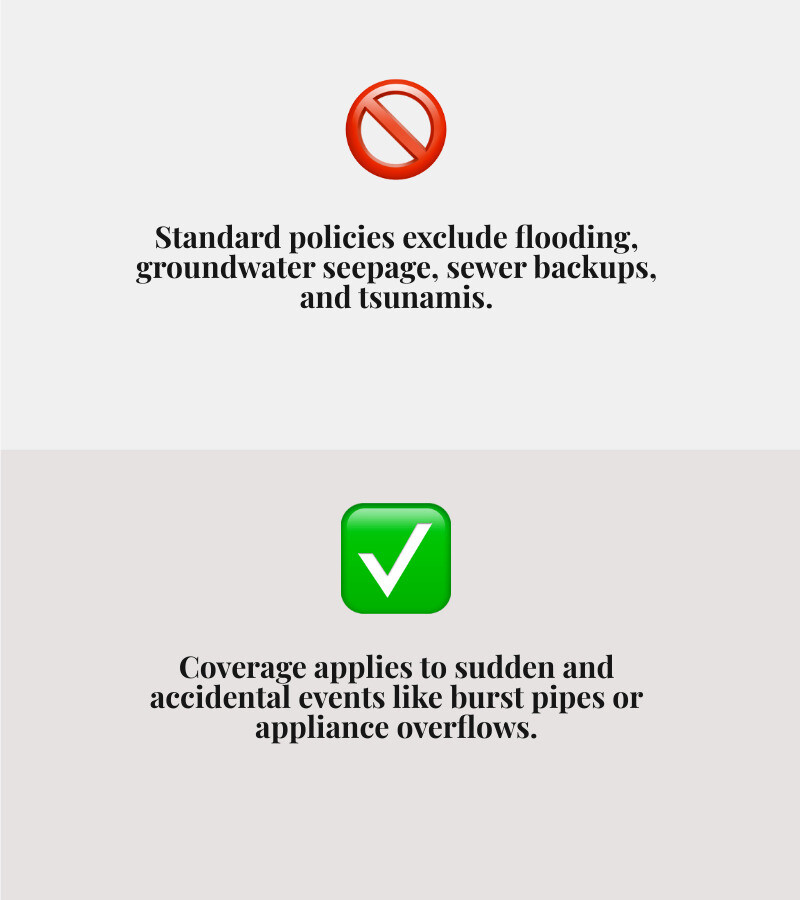
| What’s typically excluded | Flooding, groundwater seepage, sewer backups, tsunamis, gradual leaks |
| What’s typically covered | Sudden internal events like burst pipes or appliance overflow |
| How to fill the gap | Separate flood insurance, riders, or endorsements |
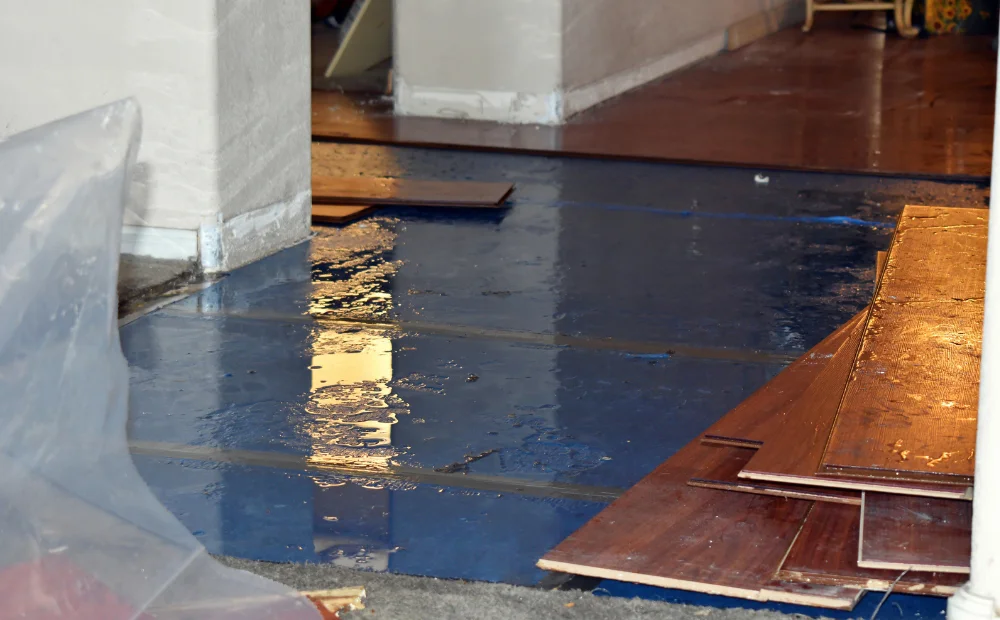
Water damage is one of the most common and costly claims homeowners face. Repairs average between $2,000 and $6,000, and severe cases can run past $100,000. Yet around one in 60 insured homes files a water or freezing claim every year – and many of those claims get denied or underpaid because of exclusions the policyholder never knew existed.
That gap between what you think is covered and what your policy actually covers is where things get painful.
The frustrating reality is that insurance policies are written in dense, technical language. The exclusions section – the part that matters most when disaster strikes – is often the part people read last, or never at all.
This guide walks you through exactly how water damage exclusions work, what they mean for your claim, and what you can do about it.
Understanding the Basics: What is Water Damage Exclusion?
When you receive your insurance policy, it usually looks like a thick stack of confusing paperwork. Hidden within those pages is the “Exclusions” section. This is where the insurance company lists the specific scenarios where they simply won’t pay.
A water exclusion clause is a standard part of almost every homeowners and renters insurance policy. It serves as a boundary line. On one side are “covered perils” (things the insurance company will pay for), and on the other are “excluded perils” (things you have to pay for yourself).
Understanding more info about water damage claims is vital because most people assume that if water ruins their flooring, the insurance company will step in. Unfortunately, the source of that water determines whether you get a check or a denial letter.
Defining the “What is Water Damage Exclusion” Clause
In a standard policy, the what is water damage exclusion clause typically bars coverage for water that originates from outside the home or from the ground. While every policy varies slightly, the following events are almost always excluded:
- Flooding: Water from overflowing rivers, lakes, or tidal waters.
- Surface Water: Rainwater that collects on the ground and flows into your home.
- Groundwater: Water that seeps through a foundation or basement wall due to hydrostatic pressure.
- Sewage and Drain Backups: Water that comes up through your toilets, sinks, or floor drains.
- Tsunamis and Mudslides: Major natural disasters involving water or earth movement.
Common Exclusions: What Your Standard Policy Won’t Cover
Insurance companies are in the business of assessing risk. They view certain types of water damage as “uninsurable” under a standard policy because the risks are too high or require specialized government-backed programs.
It is a common shock for homeowners to find out that why covered water damage isn’t always covered often comes down to the fine print regarding the path the water took to enter the home.
| Excluded Event | Covered Event |
|---|---|
| Water seeping through the foundation | A pipe bursting in the wall |
| Sewer backing up into the bathtub | The bathtub overflowing because the faucet was left on |
| Heavy rain flooding the living room | A tree falling on the roof, letting rain in |
| Rising groundwater in the basement | An appliance like a dishwasher leaking suddenly |
Groundwater and Sewer Backups
Groundwater is a major headache, especially in areas with high water tables or during heavy monsoon seasons. If water pushes through your foundation cracks or basement walls, most insurers will label this as “seepage” or “groundwater,” which falls squarely under the water damage exclusion.
Sewer backups are equally messy. If a city sewer line clogs and sends waste back into your home, a standard policy won’t cover the cleanup or repairs unless you have a specific endorsement. This is different from more info about dishwasher leaks, which are usually covered because they are internal to your plumbing system.
Vacancy and Unoccupancy Clauses
For our “snowbird” neighbors in places like Scottsdale, Paradise Valley, or Sedona, this is a critical point. Most policies include a clause that excludes water damage (specifically from frozen or burst pipes) if the home is vacant for more than 30 to 60 days.
If you leave for the summer and a pipe bursts, the insurance company may deny the claim if you didn’t take steps to maintain heat or shut off the water supply. This is a primary reason for a guide to denied water damage claims to be necessary—many people simply don’t know their coverage “expires” when they aren’t home.
Covered Perils: When Does Insurance Actually Pay?
While the exclusions list is long, insurance does cover a lot of common mishaps. The magic phrase you want to see in your claim report is “sudden and accidental.”
Standard homeowners insurance is designed to protect you from unexpected disasters that happen in an instant. This includes more info about burst pipe claims, where a pipe suddenly gives way and floods a room. In these cases, the transition from leak to loot: water damage payouts is much smoother because the cause is a covered peril.
Sudden vs. Accidental Events
To be covered, the damage usually needs to be unexpected. Here are a few examples:
- Appliance Overflow: Your washing machine or dishwasher malfunctions and dumps water everywhere.
- Firefighting Efforts: If the fire department uses water to put out a fire in your home, that water damage is covered.
- Ice Dams: In higher elevations like Flagstaff or Pine Canyon, ice can build up on roofs, forcing water under the shingles. This is typically covered.
- Vandalism: If someone breaks in and turns on all your faucets, this is a covered event. More info about fire sprinkler floods shows that even commercial-style accidents are often covered if they happen abruptly.
The Critical Distinction: Flood Damage vs. Water Damage
This is the area where most homeowners get “left high and dry.” In the insurance world, “flood” and “water damage” are not the same thing.
The National Flood Insurance Program (NFIP) defines a flood as a general and temporary condition of partial or complete inundation of two or more acres of normally dry land area or of two or more properties.
If a monsoon hits Queen Creek or Mesa and the water rises from the street into your house, that is a flood. Your standard homeowners policy will not cover it. You need a separate flood insurance policy for that. Understanding flood damage vs. water damage in Arizona is essential because our desert soil doesn’t absorb water quickly, leading to flash floods that standard policies ignore.
Why the Source of Water Matters
Insurance adjusters look at where the water started.
- From the sky down (through a hole in the roof): Usually covered.
- From the ground up (rising water): Usually excluded (Flood).
In 19 states, including those prone to heavy storms, you might even have to pay an additional hurricane or windstorm deductible before any coverage kicks in. This makes it even more important to have the right policy in place before the storm clouds gather.
Why Claims Get Denied: Gradual Damage and Maintenance Issues
Insurance is for accidents, not for a lack of maintenance. If a pipe has been slow-dripping for six months and you finally notice it because the floor is rotting, the insurance company will likely deny the claim.
They call this “gradual damage.” They argue that if you had properly maintained the home, you would have found the leak sooner. This is one of the most common tips for water damage insurance claims: always inspect your plumbing and appliances regularly.
Gradual vs. Sudden Damage Definitions
The distinction is often found in the evidence.
- Corrosion and Rust: If an adjuster sees rusted pipes, they know the leak has been happening for a long time.
- Mold and Rot: Significant mold growth usually suggests a long-term moisture issue rather than a sudden burst.
- Failure to Mitigate: If a pipe bursts and you wait three days to call anyone while the water sits there, they may deny part of your claim for “failure to mitigate” the damage.
We often see more info about denied claims where the insurer tries to claim a sudden burst was actually a “long-term leak” just to avoid paying. This is where having a professional on your side becomes invaluable.
Protecting Your Property: How to Fill the Coverage Gaps
The good news is that you don’t have to live with these gaps. You can “buy back” coverage through endorsements or riders.
- Sewer Backup Rider: This is usually very affordable and covers you if your drains or toilets back up.
- Sump Pump Failure Endorsement: If you have a sump pump, this covers you if the pump breaks or the power goes out during a storm.
- Flood Insurance: Whether through the NFIP or a private insurer, this is the only way to protect against rising external water.
When you look at your Declarations Page (the summary page of your policy), look for these additions. If you don’t see them, you likely aren’t covered for those events.
Navigating What is Water Damage Exclusion in Commercial Policies
For business owners in Gilbert or Chandler, commercial policies can be even more complex. These are often “all-risk” policies, but they still contain the same water exclusions.
Courts often have to step in to interpret these clauses. For example, in the legal case 390 S.C. 255, disputes arose over whether water damage was caused by “natural” phenomena (excluded) or “man-made” causes (sometimes covered). There is also a distinction between the chemical damage of water (staining) and the kinetic effects (the force of moving water knocking down a wall).
Frequently Asked Questions
How do I know if my water damage is “sudden” or “gradual”?
Generally, if it happened in an instant—like a pipe snapping—it is sudden. If it involved a slow drip, rust, or rot over weeks or months, the insurance company will classify it as gradual.
Does my policy cover mold resulting from a burst pipe?
Most standard policies have very limited mold coverage. However, if the mold is a direct result of a covered water claim (like a sudden pipe burst) and you reported it immediately, there is usually a small “sub-limit” (often $5,000) to help with remediation.
What should I do if my claim is denied based on a water exclusion?
Don’t take the denial as the final word. Review your policy carefully, document everything with photos, and consider reaching out to a public adjuster. We often find that insurance companies misclassify covered damage as excluded damage to save money.
Conclusion
Navigating property insurance is stressful, especially when you are standing in a puddle of water in your own living room. Understanding what is water damage exclusion is the first step in protecting your home and your finances.
At Hudson Douglas Public Adjusters, we’ve spent over 40 years helping homeowners and commercial property owners in Arizona, Utah, and Nevada get the settlements they deserve. We are a family-owned and operated business, and we treat our clients like family. Whether you are in Paradise Valley, Flagstaff, or Oro Valley, we understand the local climate and the tactics insurance companies use to underpay claims.
We work solely for you—the policyholder—not the insurance company. We offer 24/7 availability and provide support in both English and Spanish. Best of all, there are no upfront fees. We receive 12% of the final payout, meaning you don’t pay anything out of pocket.
If you are struggling with a water damage claim or feel like your insurer is unfairly using an exclusion against you, don’t fight them alone.
Contact us for help with your water damage claim today and let us help you get back on dry land.