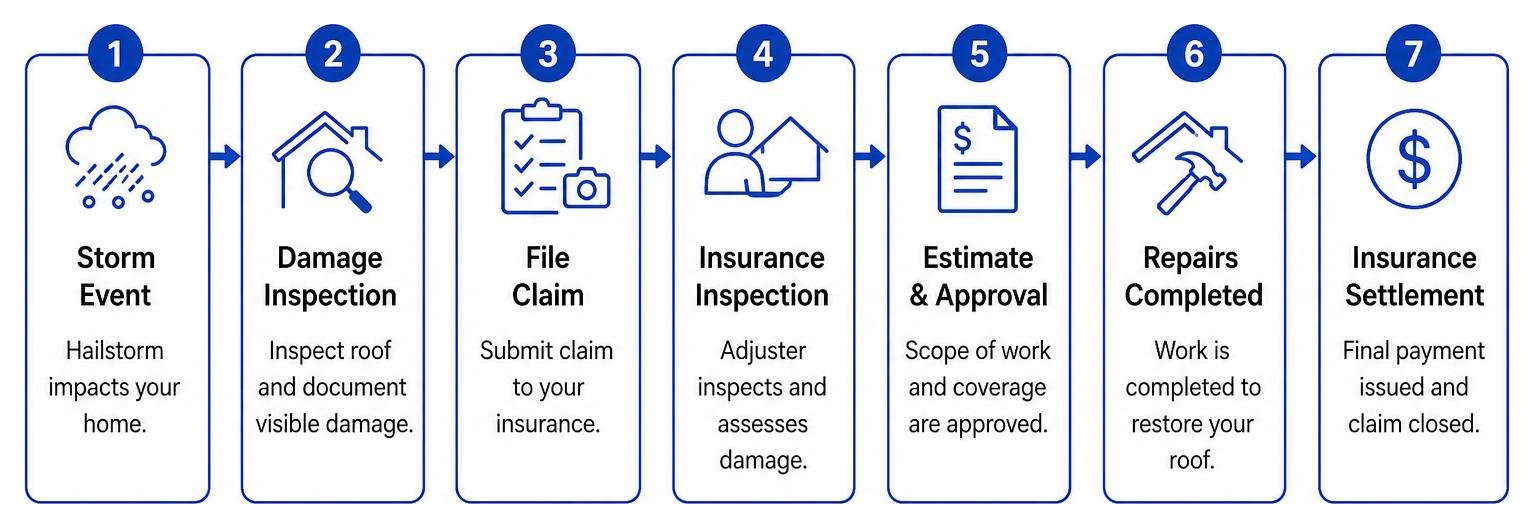
When you find damage in your home after a storm, leak, or burst pipe, one question often decides how your insurance company responds: Is this flood damage or water damage?
It might sound like a small distinction, but for Arizona homeowners, it can mean the difference between a covered repair and a costly denial.
At Hudson Douglas Public Adjusters, we’ve seen countless families face underpaid insurance claims or lowball insurance payouts simply because their insurer labeled the loss incorrectly.
Here’s what you need to know before you file (or re-file) your claim.
Understanding the Core Difference
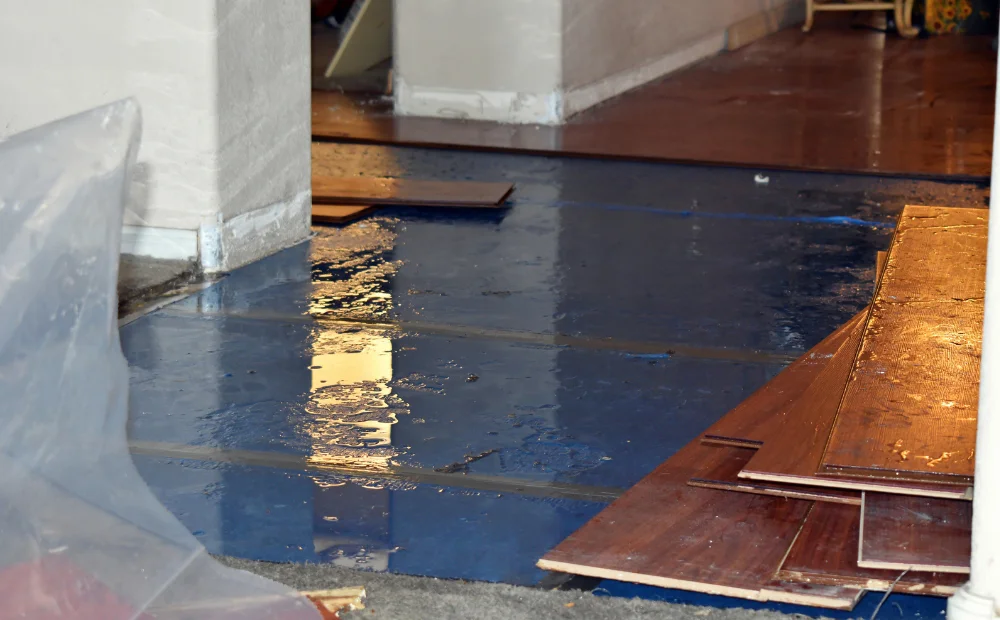
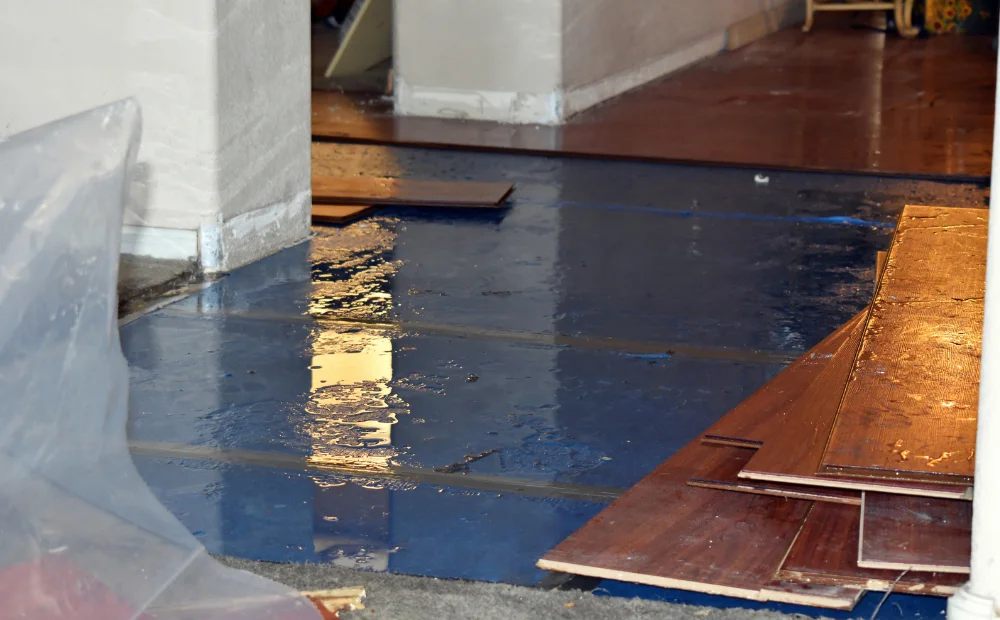
Water damage refers to water that originates from inside your home: burst pipes, leaking appliances, or an overflowing tub. It’s usually sudden, accidental, and often covered under standard homeowners insurance.
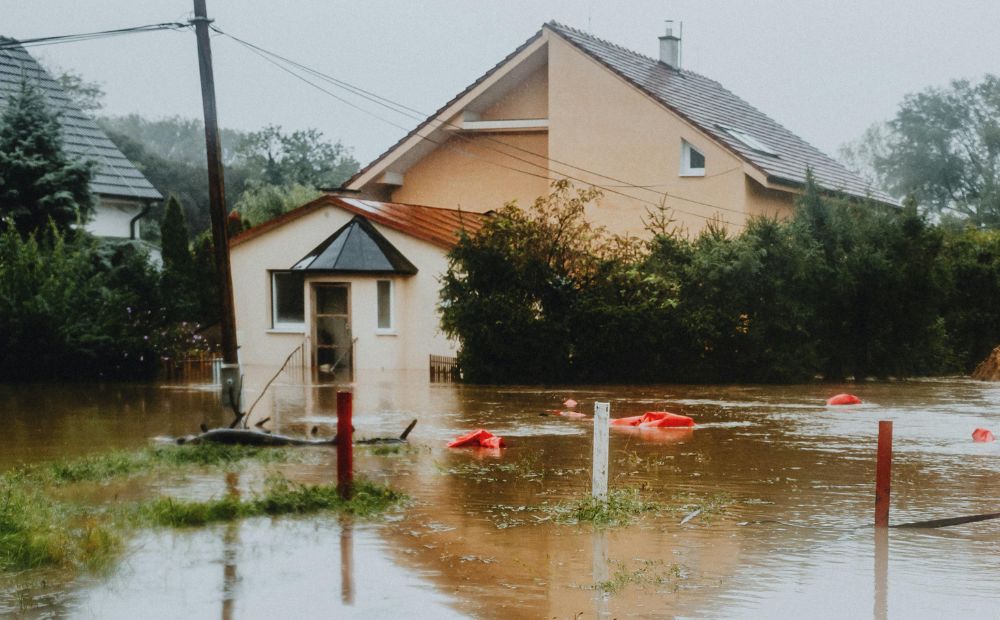
Flood damage, on the other hand, comes from water that enters your home from the outside, e.g., rising groundwater, heavy rain, or runoff. Most homeowner policies don’t cover it; you’d need a separate flood policy through the National Flood Insurance Program (NFIP).
This classification difference is crucial because insurers sometimes use it to deny or downgrade claims. If they call interior water damage “flooding,” your payout could vanish overnight.
Why It Matters in Arizona
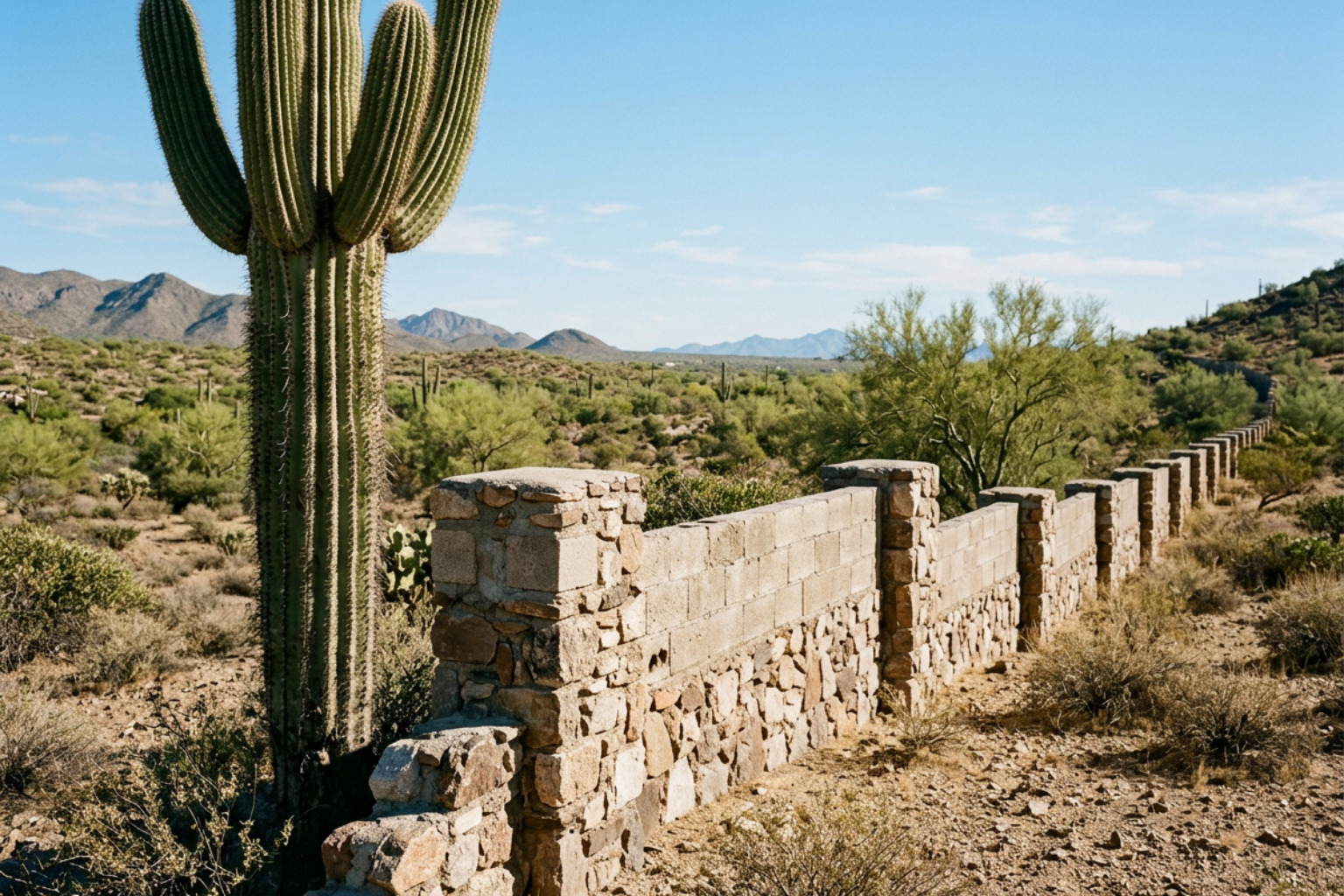
Arizona’s desert climate doesn’t protect it from major water risks. During monsoon season, flash floods can form within minutes, especially after long dry spells. Add in shifting soil, slab leaks, and aging plumbing, and homeowners face a complex mix of causes that insurers may misclassify.
For example:
- A sudden slab leak under your home that cracks flooring; this is typically water damage.
- A monsoon storm that sends surface water into your home; this is flood damage.
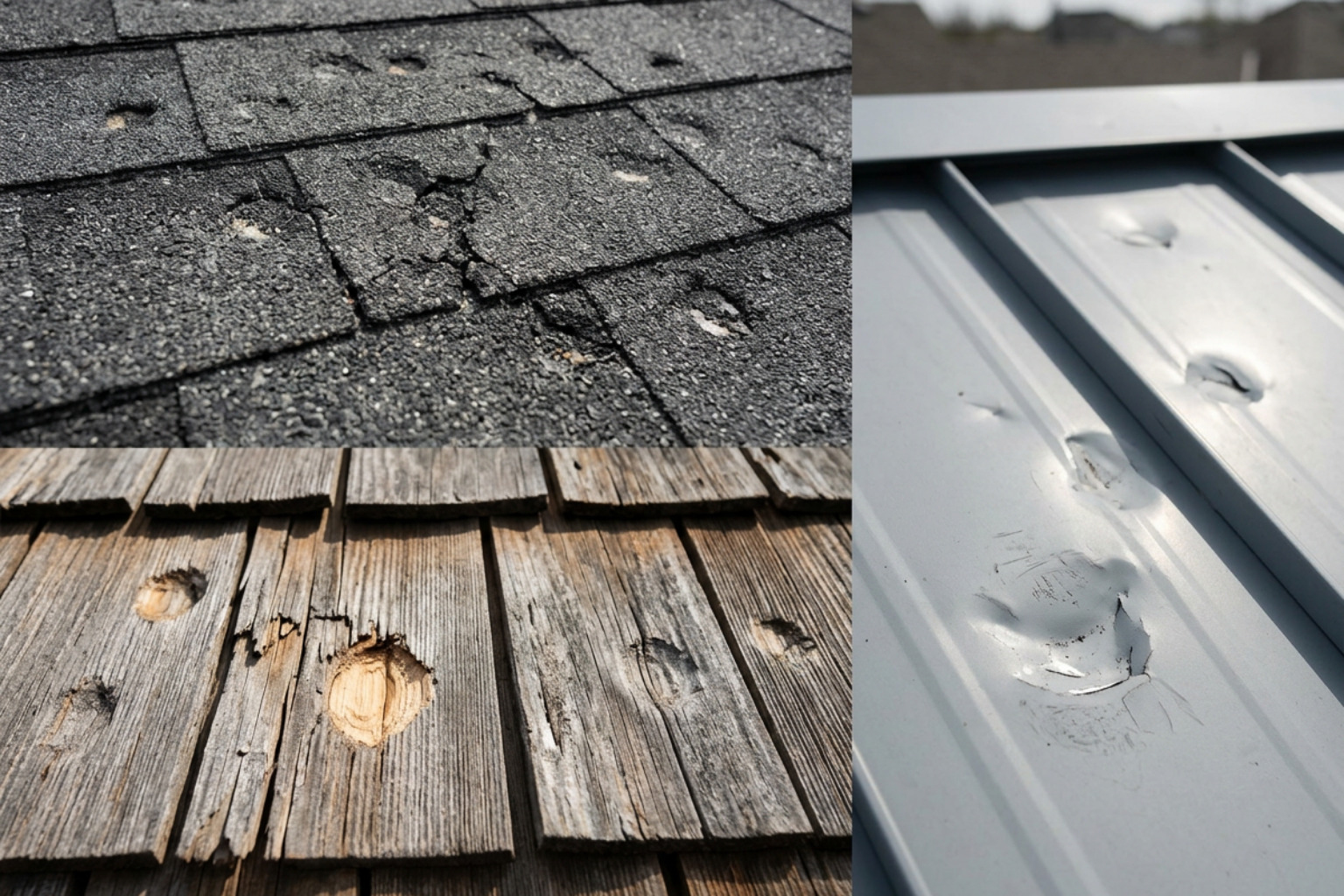
- A roof leak caused by high winds could be covered if it’s a sudden storm event, but not if it’s long-term deterioration.
When the insurance company blurs those lines, you may need claim dispute help to protect your rights and get a fair outcome.
When “Exclusions” Cross the Line
A growing number of homeowners are discovering that their water damage wasn’t denied because of the event itself, but because of broadly worded exclusions buried in their policy.
According to a 2024 report by the Property Insurance Coverage Law Blog, State Farm’s updated water damage exclusions have raised significant concern among policyholders and attorneys nationwide. The exclusions, critics argue, have become so expansive that nearly any form of water intrusion can be denied, even those previously considered covered.
For example, if a pipe bursts and water seeps into floors and drywall, the insurer may still deny coverage under “water exclusion” language. The blog highlights that this evolving language is now the subject of State Farm water damage lawsuits and consumer complaints alleging misleading insurance advertising.
In short, even if your policy says “water damage coverage included,” it’s worth reviewing the fine print, because what’s actually excluded might surprise you.
Signs Your Claim May Be Underpaid or Mishandled
Watch for these insurance lowball signs and coverage red flags:
- The adjuster reclassifies your damage from “water” to “flood” after inspection.
- You’re offered a settlement far below the cost of repairs; this is an underpaid insurance claim.
- You’re told exclusions apply, but the insurer won’t specify which clause or provide the policy language.
- You’re pressured to accept a payout quickly before you’ve reviewed the scope of work.
If any of these sound familiar, it’s time for a second opinion insurance claim or an underpaid claim review.
Covered Water Damage vs. Common Exclusions
Most Arizona policies cover sudden and accidental water damage, but exclude:
- Gradual leaks or seepage
- Poor maintenance or negligence
- Groundwater intrusion or rising water (classified as “flood”)
- Earth movement or shifting soil, unless specifically endorsed
Some homeowners learn too late that their insurer has applied a covered water damage exclusion to deny payment. Others face a State Farm water damage denial or other big-insurer reclassification tactics that fall into grey areas of homeowners insurance exclusions.
Denied or Underpaid? You Still Have Options
Even if your insurer says no, that’s not the end of your claim. You can:
- Request a detailed written explanation of their denial or payment calculation.
- Gather evidence (e.g. photos, moisture readings, contractor assessments) to show cause and extent.
- Contact a public adjuster for water damage who can independently evaluate and negotiate on your behalf.
At Hudson Douglas, we’ve helped homeowners with:
- Denied water damage claims and water damage insurance denials
- Monsoon water damage claims misclassified as flood events
- Slab leak insurance coverage that insurers wrongly label as wear and tear
- Lowball insurance payouts and claim disputes requiring strong documentation
Protecting Yourself Before the Next Storm
Here’s how you can minimize stress and strengthen your next claim:
- Review your policy annually to understand your homeowners’ insurance coverage.
- Ask your agent about Arizona insurance coverage issues unique to your area, like soil expansion and monsoon runoff.
- Keep photos of your home’s condition before damage occurs. It helps prove what’s new versus pre-existing.
- If your water leak claim is denied, don’t give up. Get insurance claims help before accepting the insurer’s final word.
You Don’t Have to Face the Insurance Company Alone
You’ve paid into your policy for years. When the unexpected happens, you deserve a fair settlement, not just excuses.
Hudson Douglas Public Adjusters stands with Arizona homeowners and business owners every step of the way, bringing construction expertise, insurance insight, and compassion to every claim.
Schedule your free consultation today to get clear answers and a stronger path to recovery.