What Phoenix Homeowners Need to Know Before Hiring a Public Adjuster
If you’re searching for public adjusters in Phoenix, here’s the short answer:
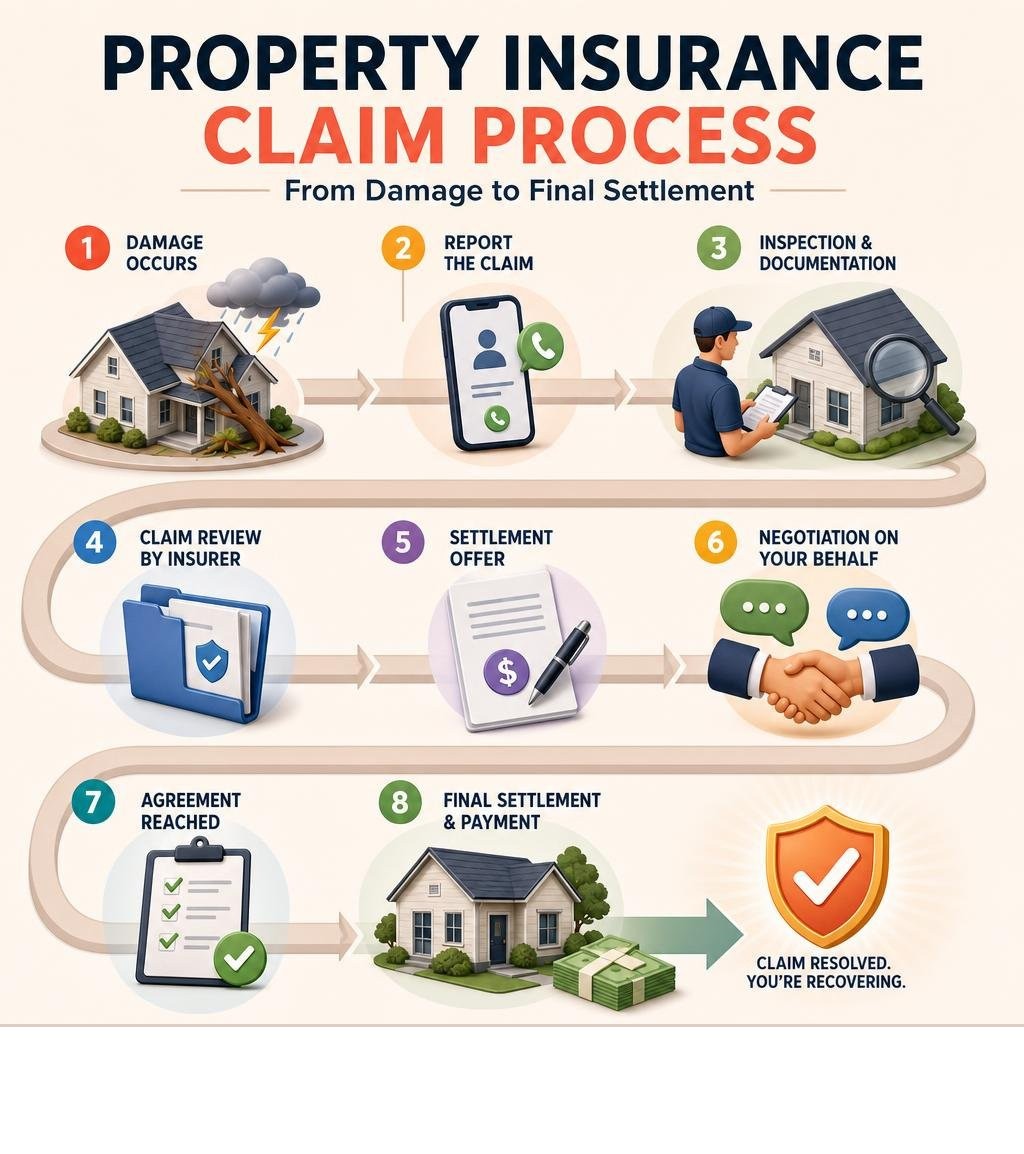
A public adjuster is a licensed claims professional who works exclusively for you — the policyholder — not the insurance company. They inspect your damage, document your loss, and negotiate your settlement on your behalf.
Quick answers for Phoenix property owners:
| Question | Short Answer |
|---|---|
| Who does a public adjuster represent? | You — the policyholder only |
| How are they paid? | Contingency — no upfront cost; Hudson Douglas receives 12% of the payout |
| Can they help with denied claims? | Yes, including denied, underpaid, or already-settled claims |
| Are they licensed in Arizona? | Yes — by the Arizona Department of Insurance and Financial Institutions (DIFI) |
| When should I call one? | As soon as damage occurs — earlier is better |
Dealing with property damage is hard enough. A monsoon tears through your neighborhood, a pipe bursts in the middle of the night, or a fire leaves your home or business in pieces. Then comes the insurance process — policy language, deadlines, adjuster visits, and settlement offers that may not come close to covering what you actually lost.
That’s where it gets overwhelming for most people. And that’s completely understandable.
What many Phoenix property owners don’t realize is that the adjuster the insurance company sends works for the insurance company — not for you. Their job is to assess the loss within the bounds of what their employer is willing to pay.
A public adjuster’s job is the opposite. They’re on your side, start to finish.
But not all public adjusters are the same. Before you sign anything, there are a few important questions worth asking — and knowing the right answers can make a real difference in how your claim turns out.
This guide walks you through exactly what to ask, and what to look for, when hiring a public adjuster in Phoenix.
Hablamos español — nuestro equipo trabaja con propietarios de habla hispana con el mismo nivel de atención y dedicación.
Quick public adjusters phoenix definitions:
1. Are You Licensed in Arizona and How Do You Differ from Insurance Adjusters?

When you begin your search for the right advocate, the very first question you must ask is: “Are you licensed to practice public adjusting in the state of Arizona?”
In Arizona, public adjusters are strictly regulated by the Arizona Department of Insurance and Financial Institutions (DIFI). Licensed professionals must pass rigorous state-regulated exams, undergo complete background checks, and maintain continuing education. This licensing is the state’s way of ensuring consumer protection.
Understanding the difference between the types of adjusters you will encounter during a property claim is critical. If you do not know who is who, you are at a distinct disadvantage.
- Insurance Company Adjuster (Staff Adjuster): This individual is employed directly by your insurance carrier. Their primary responsibility is to protect the financial interests of the insurance company. They work under corporate guidelines and profit goals.
- Independent Adjuster: Despite the name sounding neutral, an independent adjuster is hired by your insurance carrier to handle your claim (often during busy times like post-monsoon seasons). They still report directly to and are paid by the insurance company.
- Public Adjuster: This is a licensed advocate hired exclusively by you, the policyholder. A public adjuster has no relationship with the insurance carrier. Our sole duty is to represent your interests, review your policy, document all visible and hidden damages, and negotiate for the maximum settlement you are legally owed.
To see how these roles differ in practice, consider this comparison:
| Feature | Insurance Company Adjuster | Public Adjuster (Hudson Douglas) |
|---|---|---|
| Who they work for | The insurance company | You (the policyholder) |
| Who pays them | The insurance company | You (via a percentage of the settled claim) |
| Primary goal | Minimize the payout to protect carrier profits | Secure the full settlement needed to rebuild |
| Damage assessment | Often relies on quick visual checks or photo-only desk adjusters | Conducts detailed, forensic physical and structural inspections |
| Local code knowledge | Frequently out-of-state adjusters unfamiliar with Arizona-specific codes | Local experts who understand municipal building updates |
Many property owners ask us about the Public Adjuster vs Insurance Adjuster dynamic. The reality is that the carrier’s adjuster has a heavy workload and is incentivized to close claims quickly. They often use standard estimating templates that undervalue local construction costs.
As your advocate, a licensed Arizona Public Adjuster conducts a comprehensive review of your policy terms, conditions, exclusions, and hidden coverages. We compile an evidence-based claim file using detailed Xactimate scopes, engineering data, and local material pricing to ensure your carrier pays out every dollar required to restore your property.
2. How Do Public Adjusters Phoenix Residents Trust Handle Local Climate Challenges?
Phoenix is a beautiful place to live, but our desert environment presents unique weather patterns that can wreak havoc on residential and commercial properties. When hiring public adjusters in Phoenix, you need a team that possesses deep local knowledge of the Valley’s microclimates, regional building materials, and specific insurance challenges.
National public adjusting firms or out-of-state desk adjusters often miss the subtle, secondary damages caused by our climate. Here is how local experts evaluate Phoenix-specific property damage:
Monsoon and Haboob Damage
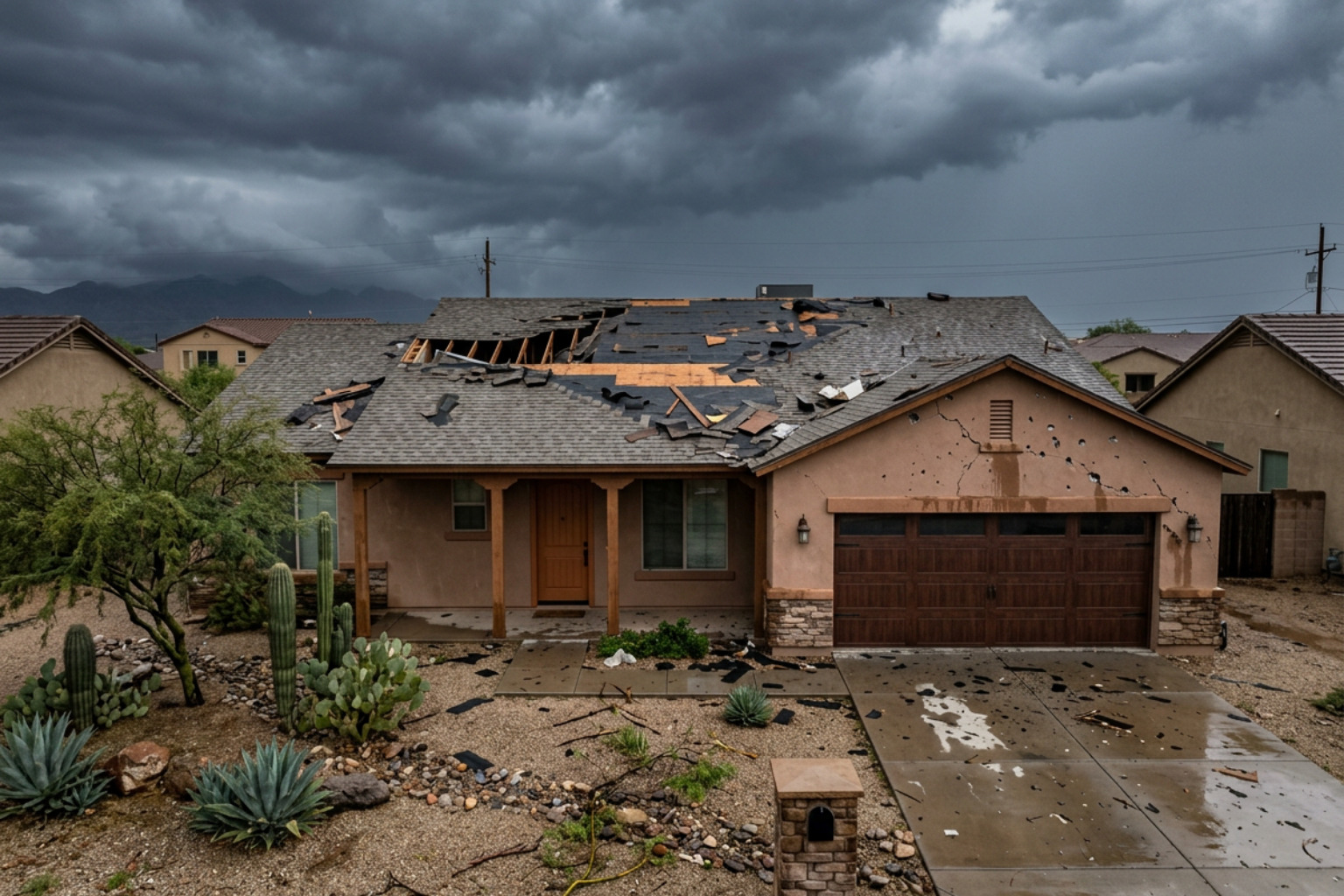
The annual summer monsoon season brings violent microbursts, dust storms (haboobs) traveling at over 60 mph, and sudden flash floods.
- Wind-Driven Rain: Many insurance companies try to deny interior water damage by claiming it was caused by rising floodwaters (which requires a separate flood policy). However, if monsoon winds create even a minor, temporary opening in your roof or window, the resulting water damage is typically covered under a standard property policy. We know how to prove wind-driven rain entry to prevent wrongful denials.
- Haboob Dust Intrusion: Dust and grit from haboobs can get forced into HVAC systems, causing mechanical failures, or settle behind drywall, creating respiratory hazards. We ensure these microscopic contaminants are addressed in your remediation scope.
Extreme Heat and Sun Exposure
Our intense summer heat regularly exceeds 110°F, creating extreme thermal expansion and contraction on roofs and exterior walls.
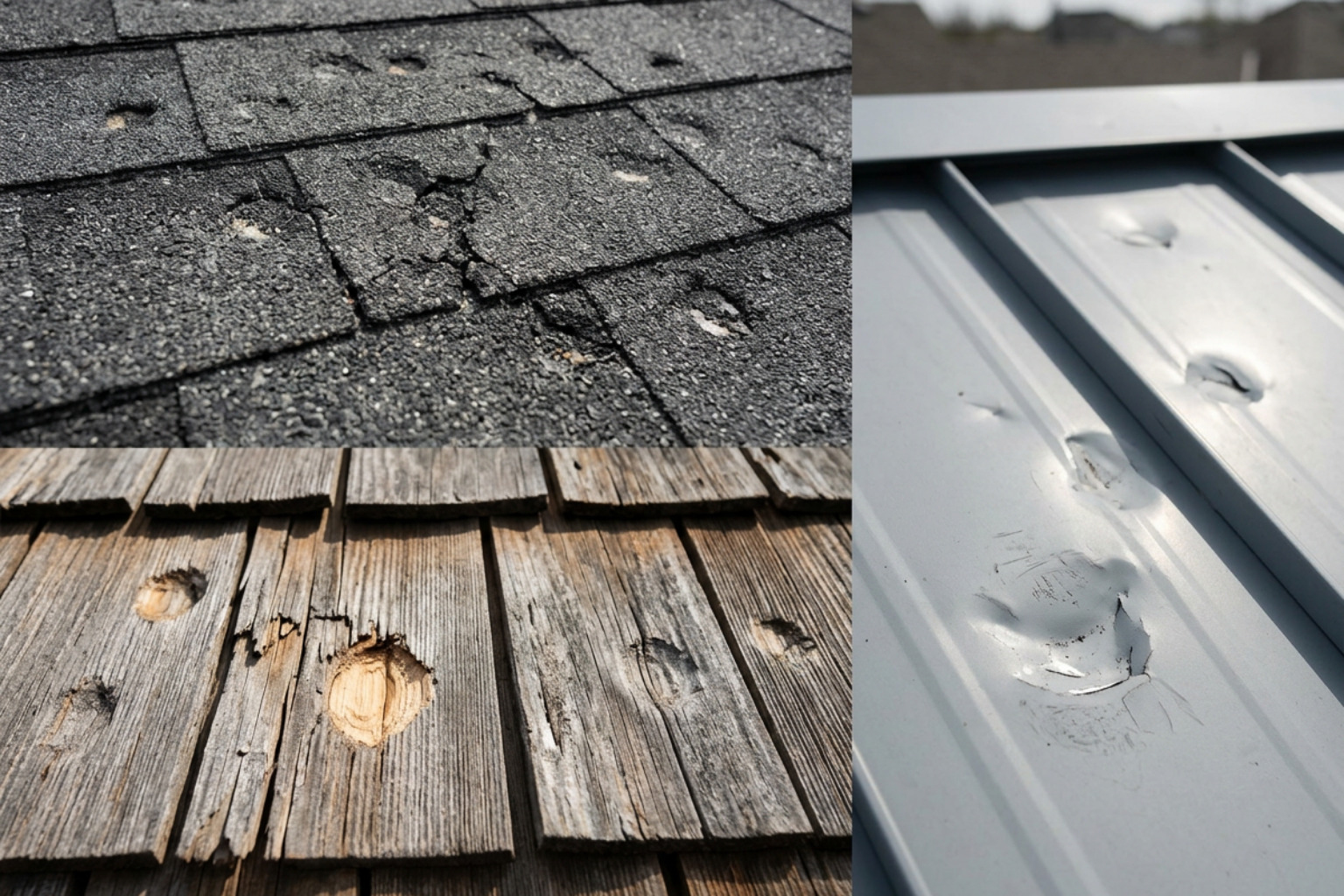
- UV Degradation vs. Hail Damage: Insurance carriers frequently try to blame roof leaks on normal wear and tear from sun exposure to avoid paying for storm damage. Local public adjusters know how to distinguish between normal UV weathering and impact damage from monsoon hail.
- Concrete Tile Roofs: In neighborhoods throughout North Phoenix, Scottsdale, and Desert Ridge, concrete tile roofs are incredibly common. When hail hits these roofs, it might crack the tile body or damage the underlying underlayment without leaving obvious visual cues from the ground. We use drone imagery and physical hands-on inspections to document these hidden structural failures.
Dry Heat Fires and Plumbing Failures
Our dry climate and overloaded electrical grids during peak summer months create elevated risks for residential and commercial fires.
- AC System Overload Fires: High temperatures place immense strain on HVAC units, water heaters, and electrical panels, which can lead to sudden fires. When fire strikes, smoke and soot damage travel through the ventilation systems, contaminating the entire property. Insurance carriers routinely undervalue the cost of professional smoke remediation, but we make sure forensic testing is conducted to identify soot particulates behind walls and in ductwork.
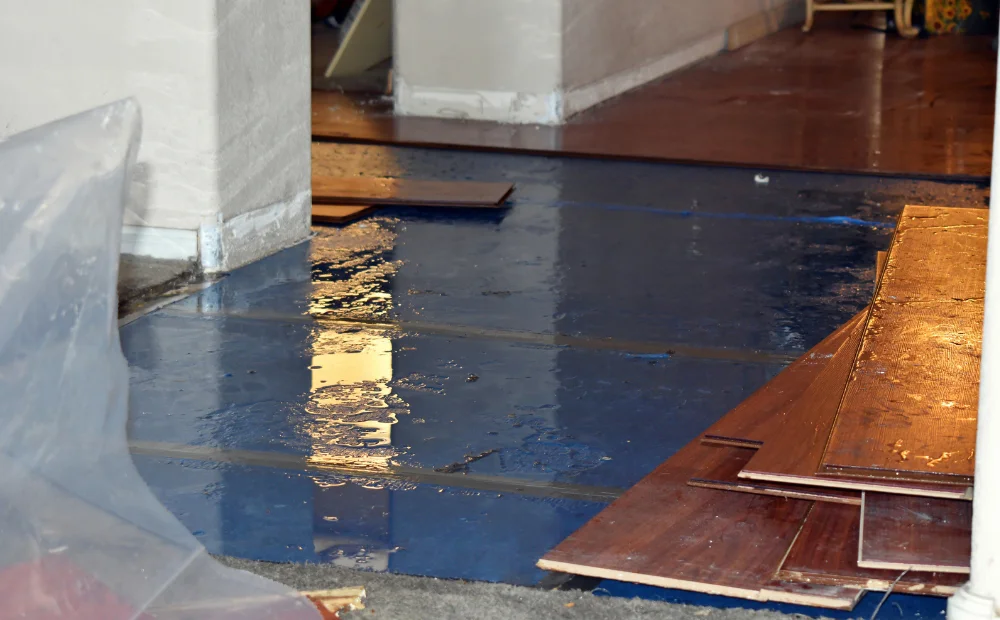
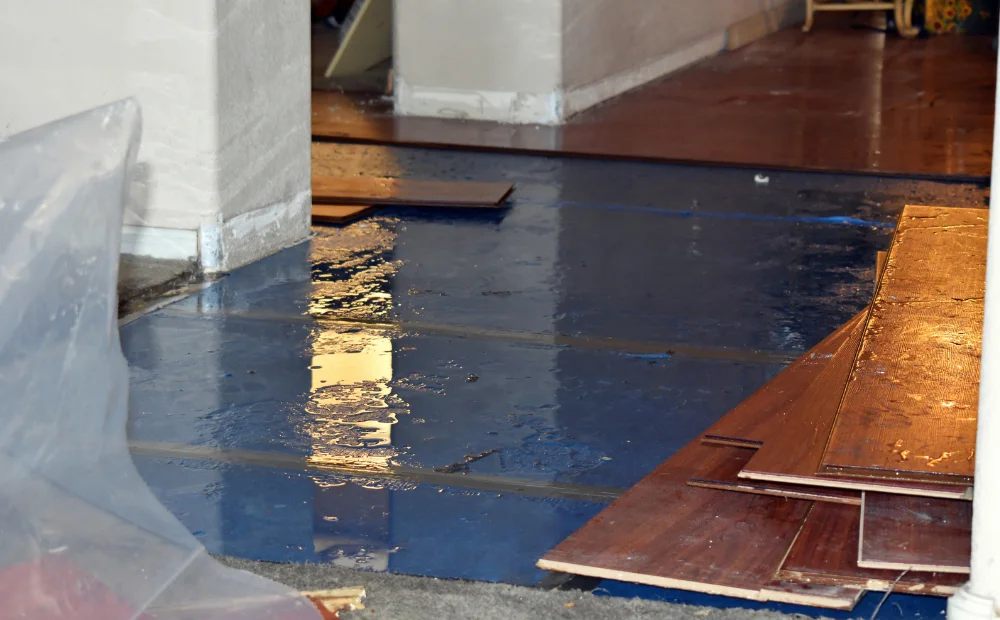
- Hard Water Pipe Breaks: Phoenix is notorious for hard water, which causes mineral buildup inside copper and galvanized pipes. Over time, this leads to pinhole leaks and slab leaks behind drywall and under concrete floors. Even in a desert, water damage remains one of the most common property losses we handle.
Whether your property is in the heart of the city or in the surrounding desert, our understanding of local building codes — including recent updates like the 2024 I-Code compliance requirements — ensures that your repair estimates reflect real-world Phoenix contractor costs. For more information on the regions we cover, you can explore our Areas Served Arizona page.
3. What is Your Fee Structure and Can You Help with Denied Claims?
One of the most common barriers property owners face when considering professional representation is the fear of extra costs. It is important to ask any public adjuster about their fee structure upfront to ensure transparency.
At Hudson Douglas Public Adjusters, we operate on a clear and simple contingency fee model:
- We receive 12% of the settled claim payout.
- There are absolutely no upfront fees or out-of-pocket costs.
- If we do not recover money for your claim, you owe us nothing.
This structure aligns our goals directly with yours. We only succeed when you receive a fair, complete settlement that allows you to fully restore your property. When you evaluate the Cost of Not Hiring Public Adjuster, the difference is clear. A landmark government study showed that using a public adjuster increases insurance claim payouts by 747% on average compared to handling the claim alone. On contested monsoon, hail, and water claims, the recovery delta usually exceeds our fee by a wide margin.
Can You Help with Denied or Underpaid Claims?
Yes. Many homeowners assume that if their insurance company has already sent a denial letter or a lowball check, the door is closed. This is a common misconception.
If your claim has been denied, underpaid, or closed with an unsatisfactory payout, we can step in and help. Our process for reopening or supplementing claims includes:
- Denial Review: We carefully review your carrier’s denial letter to understand their stated reason, and we analyze your policy’s “suit against us” clause. Under Arizona law (specifically A.R.S. § 20-1115), most policies shorten the lawsuit and dispute deadline to one or two years from the date of the loss.
- Evidence Collection: We conduct an independent physical inspection, utilizing moisture meters, thermal imaging, and detailed photo documentation to find the evidence the carrier’s desk adjuster missed.
- Filing a written supplement: We re-document the loss using an exact Xactimate scope and file a formal supplement under your policy’s supplement and reopened-claim provisions.
- Holding Carriers Accountable: We track all carrier response deadlines against Arizona’s strict Unfair Claims Settlement Practices Act (A.R.S. § 20-461) standards to keep your claim moving forward without unnecessary delays.
If you are struggling with a difficult claim, you do not have to accept a lowball offer. Read more about your options on our Insurance Claim Help Arizona and Considering a Public Adjuster Here’s Why You Should pages.
Frequently Asked Questions About Phoenix Property Claims
Navigating a property claim can feel like learning a completely new language. Below, we answer some of the most common questions Phoenix property owners ask when dealing with insurance claims.
How long does the claims process take when working with public adjusters phoenix?
The timeline for settling a property claim depends heavily on the complexity of the damage and how cooperative your insurance carrier is.
- Simple Claims: Straightforward claims, such as minor water leaks or isolated roof damage, typically settle within 30 to 90 days from the time we are engaged.
- Complex Claims: Severe fire damage, large commercial losses, or heavily contested storm claims can take 3 to 6 months or longer to resolve.
Having a professional public adjuster on your side often speeds up the process. We prevent delays by submitting a complete, fully documented claim file on the first try, which reduces the back-and-forth negotiations that stall unrepresented claims. To understand how we protect your home throughout this timeline, visit our guide on Public Adjuster for Homeowners.
Which Valley neighborhoods do public adjusters phoenix typically serve?
We serve residential and commercial property owners across the entire Phoenix metropolitan area and surrounding Valley communities. Our local presence allows us to quickly inspect properties in:
- Phoenix Metro: From the historic flat-roofed adobe homes in the Coronado district to newer builds in Desert Ridge, Laveen, and Ahwatukee.
- Scottsdale: Representing luxury residential properties and commercial centers. Learn more from our dedicated Scottsdale Public Adjuster page.
- Paradise Valley: Providing discrete, highly detailed claim documentation for high-value estates. See our Paradise Valley Public Adjuster page for specialized support.
- East Valley: Serving Chandler, Gilbert, Mesa, Queen Creek, and San Tan Valley.
- West Valley: Serving Goodyear and Cave Creek.
Whether you are dealing with a commercial loss in a Mesa warehouse or a residential pipe burst in Chandler, our adjusters live and work right here in Arizona.
How do I verify the credentials of local public adjusters?
To protect yourself from fraudulent operators or unlicensed “storm chasers” who appear after a major weather event, always verify credentials before signing a contract:
- Arizona DIFI License Lookup: Visit the Arizona Department of Insurance and Financial Institutions website and use their public portal to verify that the public adjuster holds an active license in Arizona.
- NAPIA Membership: Check if the adjuster is a member of the National Association of Public Insurance Adjusters. NAPIA members must adhere to a strict code of ethics and professional standards.
- Local References: Ask for references from local property owners who have completed claims with the firm. A reputable local company will gladly share their track record of helping families rebuild.
Conclusion
When disaster strikes your property, the insurance claims process should not be another hurdle in your recovery. Having a qualified advocate on your side can turn a stressful, confusing experience into a manageable, transparent process.
As a family-owned and operated business, Hudson Douglas Public Adjusters brings over 40 years of combined expertise across 10 states to every claim we handle. We work strictly for you, the policyholder — never the insurance company. With 24/7 availability, bilingual support in both English and Spanish, and a contingency-based fee structure of just 12% of your payout, we are committed to helping you rebuild your life and business.
If you are facing property damage or struggling with a delayed, denied, or underpaid claim, let us help you level the playing field.
Contact us today to schedule your Public Adjuster Free Consultation and take the first step toward securing the full settlement you deserve. Visit Hudson Douglas Public Adjusters or call our local team to speak with a licensed claims advocate today.