Immediate Steps After Accidental Property Damage
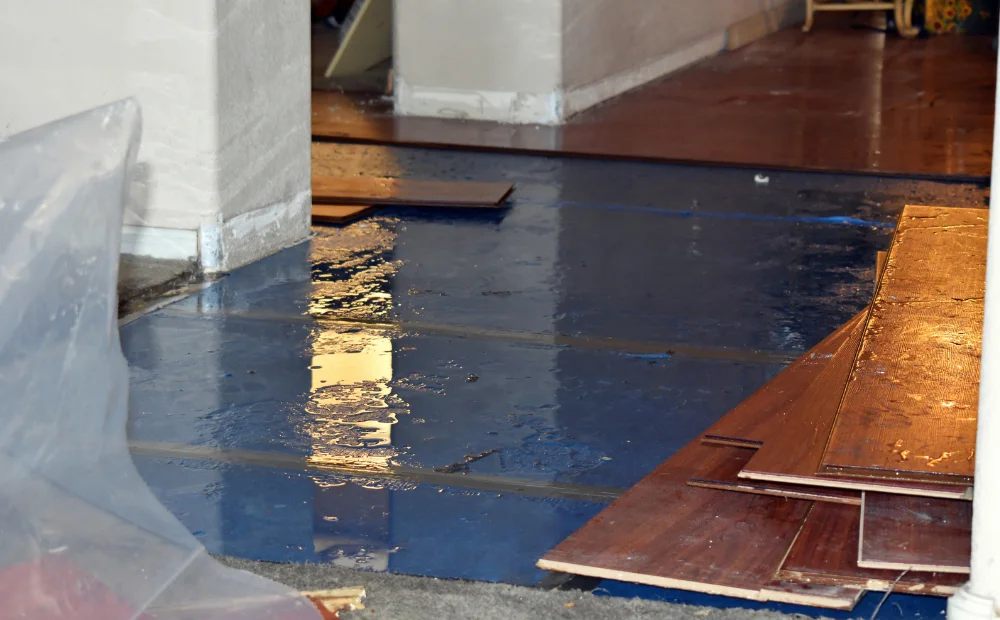
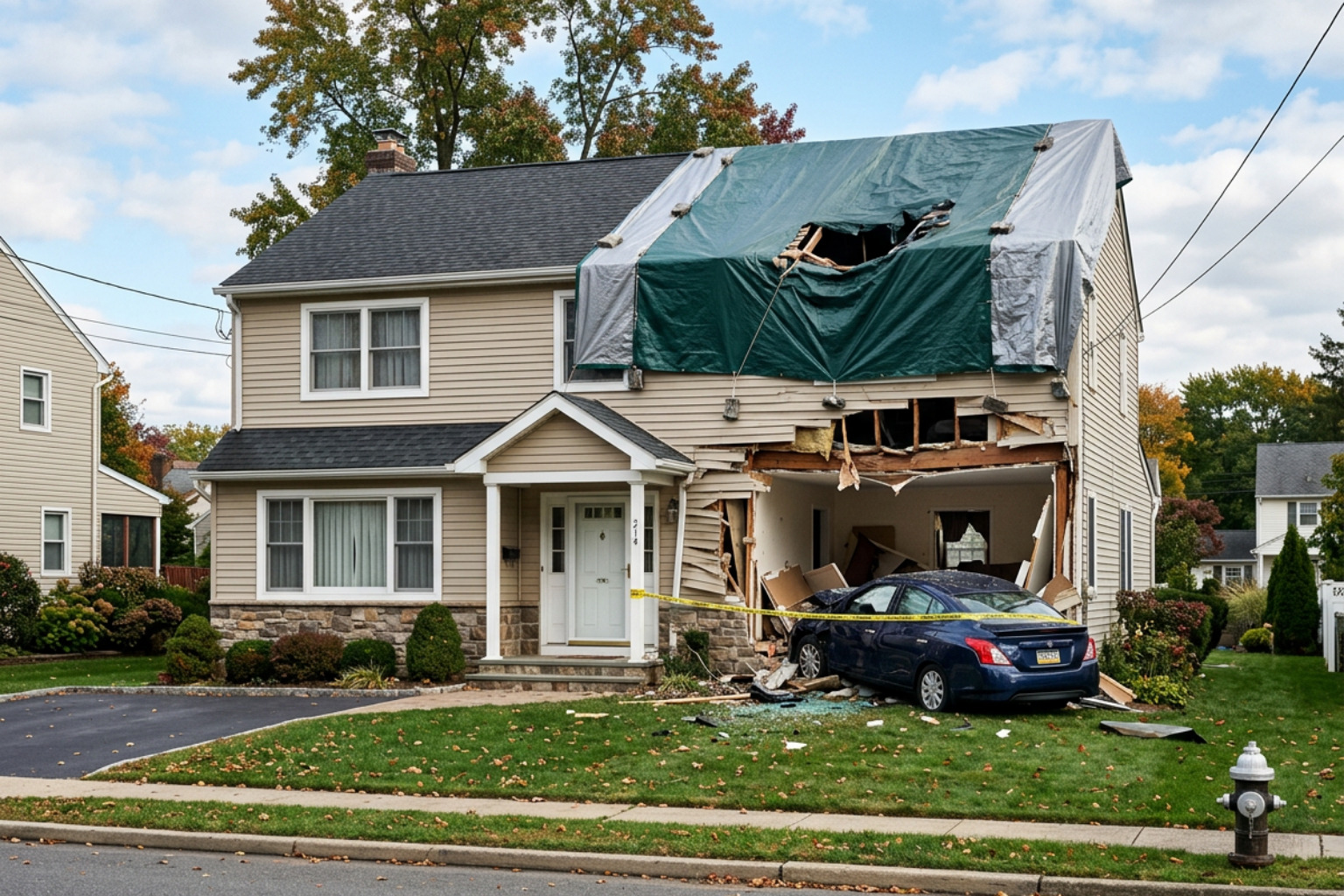
When an accident strikes your property—whether it is a vehicle crashing into your living room, a fallen tree limb piercing your roof, or a sudden pipe burst—the first 30 minutes are critical. Your actions during this window can significantly impact the success of your future insurance claim.
Safety First and Damage Mitigation
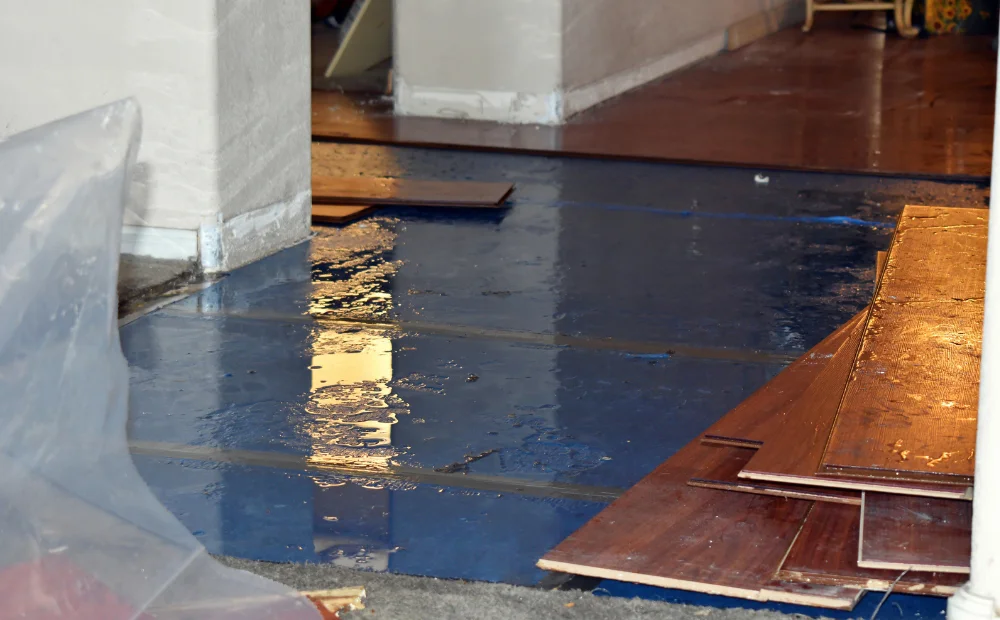
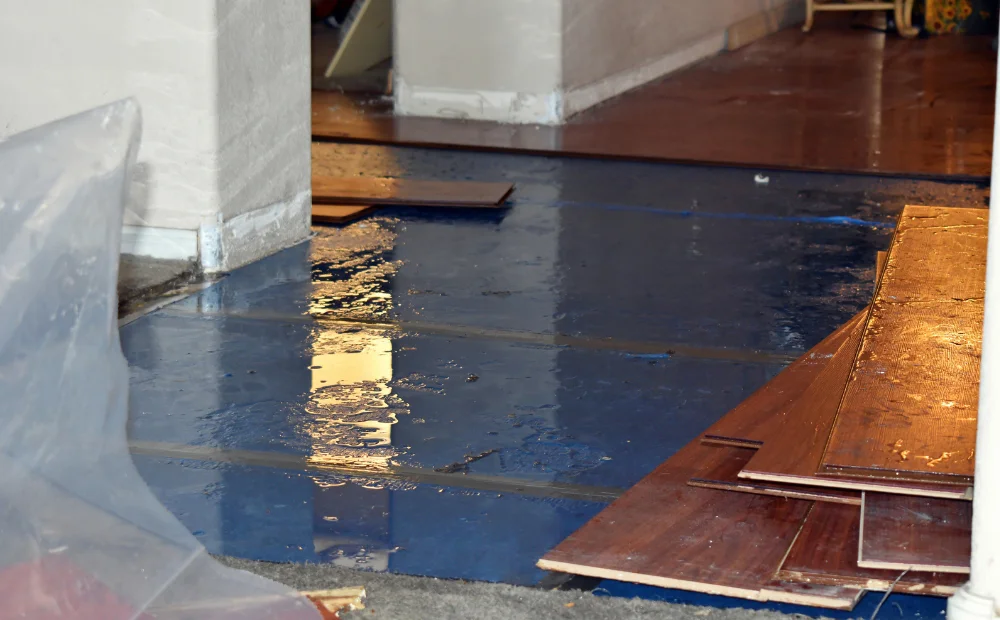
Before you reach for your phone to call the insurance company, ensure the site is safe. If there is structural damage, stay out. If there is a water leak, shut off the main valve. Once the area is secure, you have a “duty to mitigate” under most insurance policies. This means taking reasonable steps to prevent further damage, such as tarping a hole in the roof or drying out standing water. Keep receipts for any materials you purchase for these temporary repairs.
Evidence Gathering
Documenting the scene is the foundation of getting the right accident claim help. Take more photos than you think you need from multiple angles. Capture the “big picture” of the room or exterior, then move in for close-ups of the specific damage. Video walkthroughs with verbal commentary can also be incredibly helpful. According to the National Association of Insurance Commissioners, having a detailed inventory of damaged items and clear proof of the event helps prevent disputes later in the process.
Why Professional Accident Claim Help Matters for Homeowners
Most homeowners assume the insurance company’s adjuster is there to find every bit of damage. In reality, that adjuster works for the insurance company. Their goal is to settle the claim quickly and cost-effectively for their employer.
As a family-owned business deeply rooted in Arizona, we see how overwhelming this is for our neighbors. Seeking professional accident claim help ensures your rights as a policyholder are protected. An independent expert can spot “hidden” damage—like smoke particulates in the HVAC system or moisture behind drywall—that a company adjuster might overlook. If you aren’t sure where to start, we offer a Public Adjuster Free Consultation to help you understand the scope of your loss without any upfront pressure.
Navigating the Process of Accident Claim Help
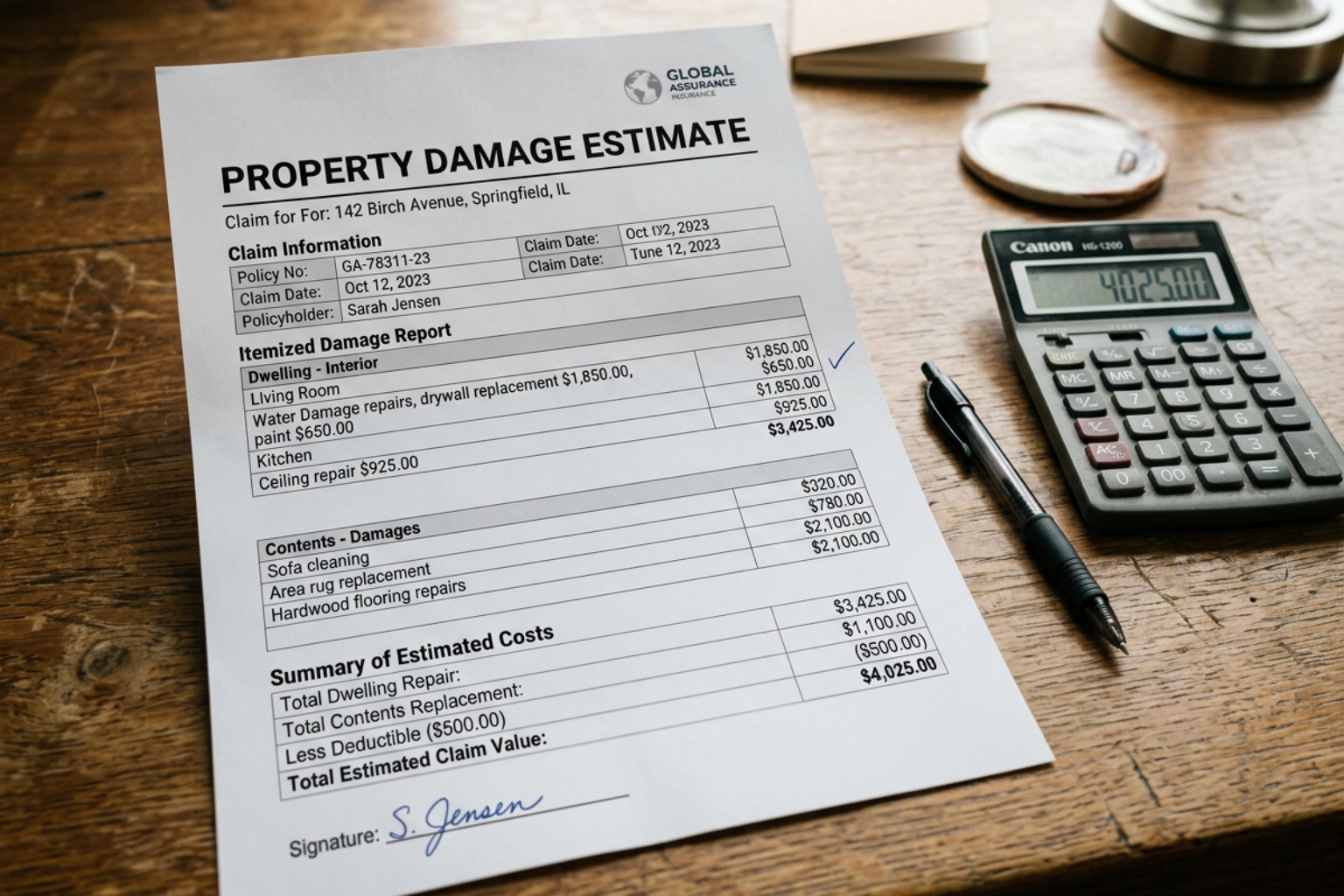
The path from the initial accident to a fair settlement is rarely a straight line. It involves technical language, strict deadlines, and a mountain of paperwork.
The Filing Process
Once you notify your insurer, the clock starts ticking. In many states, including Arizona, insurers have specific timeframes (often 15 to 30 days) to acknowledge your claim and begin an investigation. You will likely be asked to submit a “Proof of Loss” form. This is a formal statement under oath regarding the amount of money you are requesting. It is vital that this document is accurate; errors here can lead to delays or even allegations of fraud. For a deeper dive into these requirements, see our guide on Don’t Get Damaged Twice: How to File a Property Insurance Claim.
The Adjuster’s Visit
When the insurance company sends their adjuster, they will perform an inspection. While they may seem helpful, remember their estimate is often based on standardized software that uses “average” local prices, which may not reflect the actual cost of high-quality repairs in areas like Scottsdale or Paradise Valley.
Finding Reliable Accident Claim Help in Arizona
When you are looking for a Property Damage Help Company, local expertise matters. A firm based in another state won’t understand the specific building codes in Mesa or the unique ways monsoon damage affects Arizona roofing.
At Hudson Douglas Public Adjusters, we pride ourselves on being a steady, knowledgeable presence for our community. Whether you are in Gilbert, Chandler, or the Catalina Foothills, we provide the same level of family-oriented care. We also ensure that our Spanish-speaking clients are fully supported with fluent, professional communication—never as an afterthought. We treat your claim with the same meticulous attention we would give our own family’s property.
Avoiding Common Mistakes in Property Claims
Filing a claim is a high-stakes negotiation. Even small mistakes can result in thousands of dollars left on the table. One of the most common Common Property Damage Claim Mistake scenarios involves policyholders providing recorded statements before they have fully assessed the damage. Phrases like “I think it’s fine” or “It’s just a small leak” can be used to limit your payout later.
Documentation Gaps
If you don’t have a paper trail, the insurance company may assume the damage didn’t happen or was pre-existing. Keep a log of every phone call, the name of every person you speak with, and a copy of every email. If a contractor tells you a wall needs to be replaced rather than repaired, get that in writing.
Signs Your Insurance Company Underpaid
It is a sobering statistic that initial settlement offers often average only 40-60% of the actual claim value. If your settlement check seems low, look for these Signs Insurance Company Underpaid:
- The “Scope” is too small: They missed entire rooms or categories of damage.
- Depreciation is excessive: They took too much off for the age of your property.
- Labor rates are outdated: The estimate uses labor costs from three years ago.
- The offer is “Final”: They pressure you to sign a release immediately.
Understanding Your Rights and Policy Coverage
Your insurance policy is a legal contract. While it is often filled with jargon, it contains protections you can use to your advantage. Organizations like the Insurance Information Institute provide excellent general education, but applying those rules to your specific situation requires a careful eye.
The Appraisal Provision
If you and your insurance company cannot agree on the “amount of loss,” most policies have an appraisal provision. This allows both parties to hire an independent appraiser. These two then select an “umpire.” If two of the three agree on a number, that becomes the binding settlement. This is often a faster, cheaper alternative to a lawsuit.
Examination Under Oath (EUO)
In some complex cases, an insurer may request an Examination Under Oath. This is a formal proceeding where you must answer questions about the claim under the penalty of perjury. It is a serious tool used by insurers to investigate suspicious claims. If you are asked to participate in an EUO, it is highly recommended to seek professional accident claim help to ensure you are prepared and your rights are protected.
Public Adjuster vs Insurance Adjuster
The distinction here is simple but vital:
- Insurance Adjuster: Employed by the insurance company to protect the company’s bottom line.
- Public Adjuster: Employed by you to protect your interests and maximize your settlement.
There is an inherent conflict of interest when the person deciding how much to pay you is the same person writing the check. Choosing a Public Adjuster vs Insurance Adjuster means choosing advocacy over a corporate process. We work solely for you, ensuring the playing field is level.
Frequently Asked Questions about Property Accident Claims
How long do I have to report accidental property damage?
In Arizona and the other states we serve, you should report damage “promptly.” While some policies give you up to a year, waiting even a few weeks can give the insurer a reason to claim the damage was caused by something else or that you allowed it to get worse. We recommend notifying your insurer within 24 to 72 hours of the event.
Can I choose my own contractor for repairs?
Yes. In almost all cases, you have the right to choose the contractor who works on your home. While insurance companies may “recommend” preferred vendors, these vendors often have agreements with the insurer to keep costs low. You want a contractor who is looking out for the structural integrity of your home, not the insurer’s budget.
What if my property claim is denied or underpaid?
A denial is not the end of the road. It is often just the beginning of the negotiation. You have the right to dispute the denial, provide new evidence, or enter into the appraisal process. Many “denied” claims are actually “covered” losses that were simply poorly documented or misinterpreted by the company adjuster.
Conclusion
Dealing with property damage is stressful enough without having to become an overnight expert in insurance law. Whether you are dealing with fire damage in Sedona, a monsoon-ravaged roof in Mesa, or a commercial loss in Salt Lake City, you don’t have to navigate this wreck alone.
At Hudson Douglas Public Adjusters, we bring over 40 years of expertise and a family-owned commitment to every claim we handle. We are local, we are 24/7, and we only get paid if you get paid. Our fee is a straightforward 12% of the final payout—meaning we are incentivized to find every penny you are owed, and you never have to pay us out of pocket.
If you are struggling to get the answers or the settlement you deserve, let us take the burden off your shoulders. We serve neighbors across Arizona, Nevada, and Utah with the same steady, professional advocacy we’ve provided for decades.
Get the settlement you deserve and let our family help yours. Contact us today for a clear, honest assessment of your claim.