When Water Saves Your Property—But Leaves a Mess
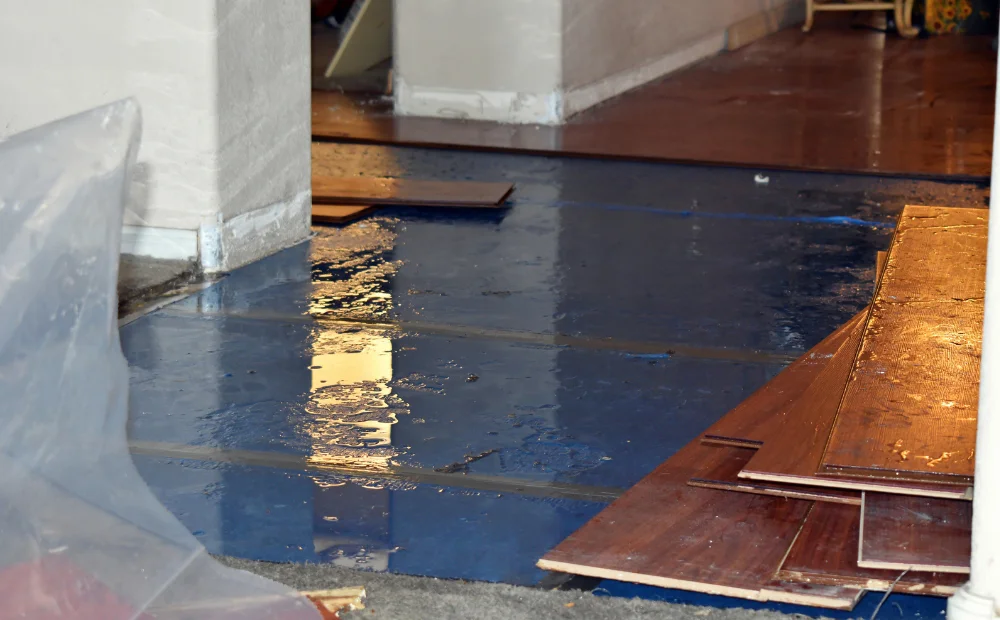
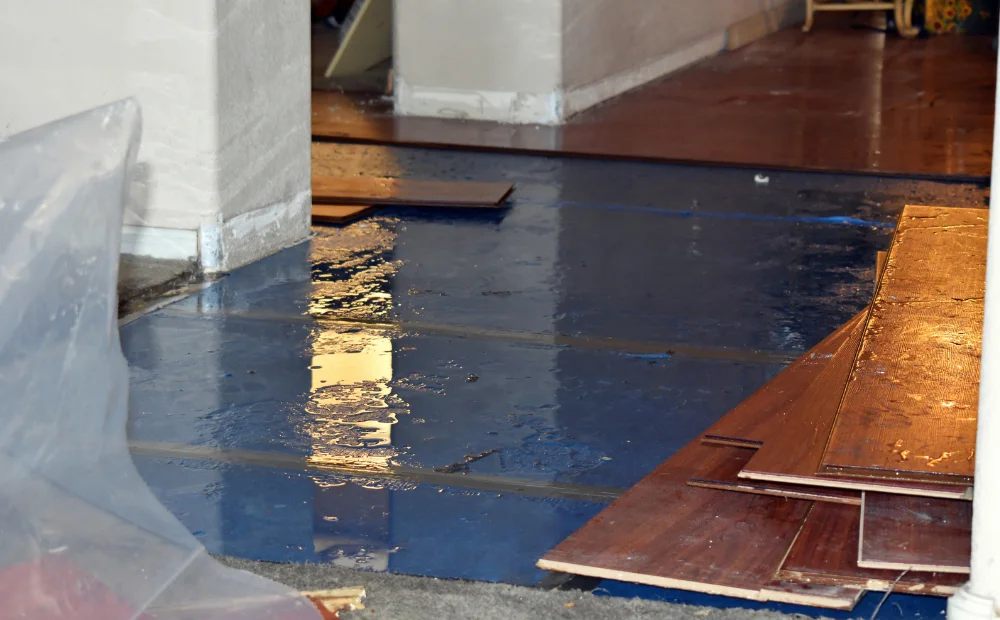
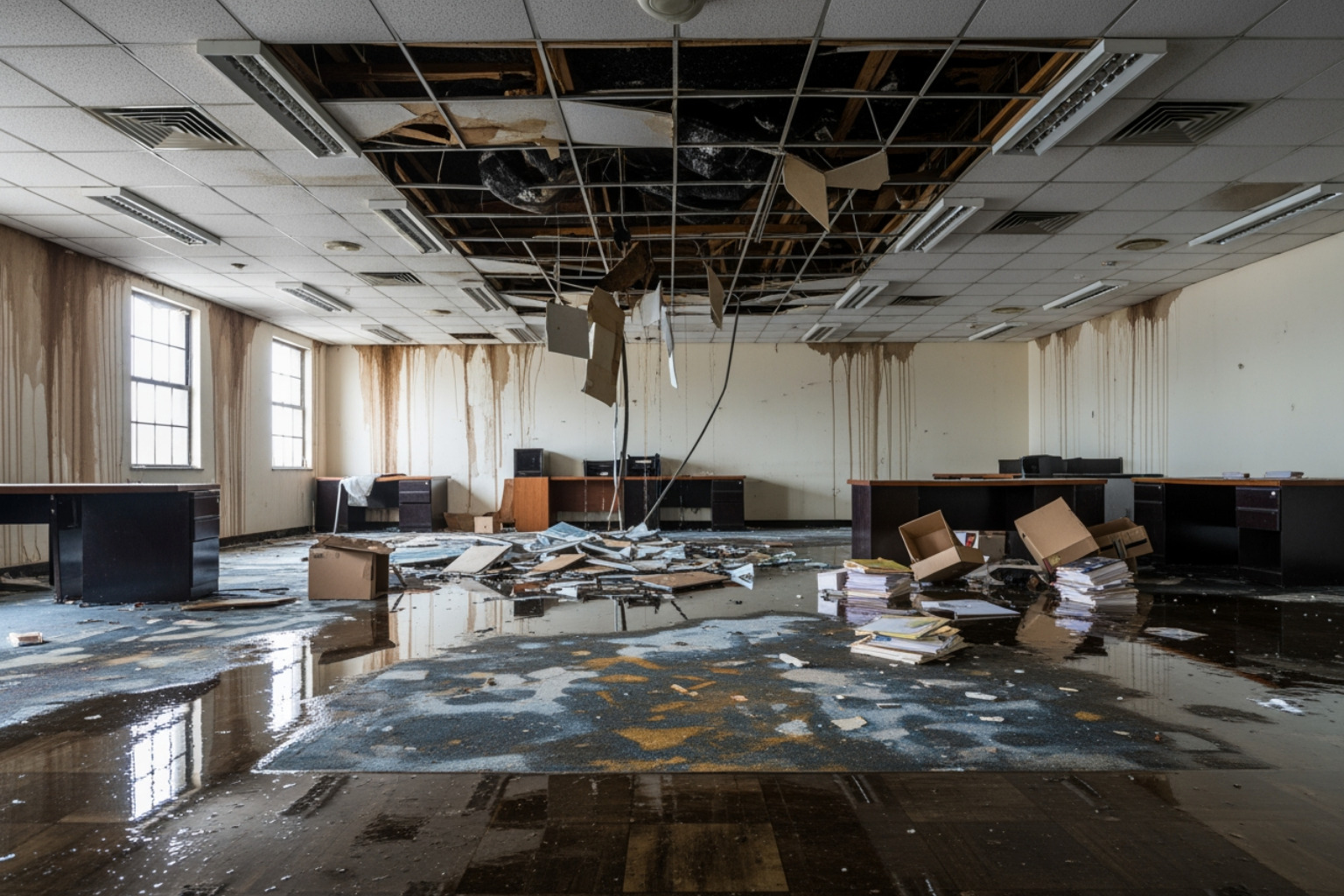
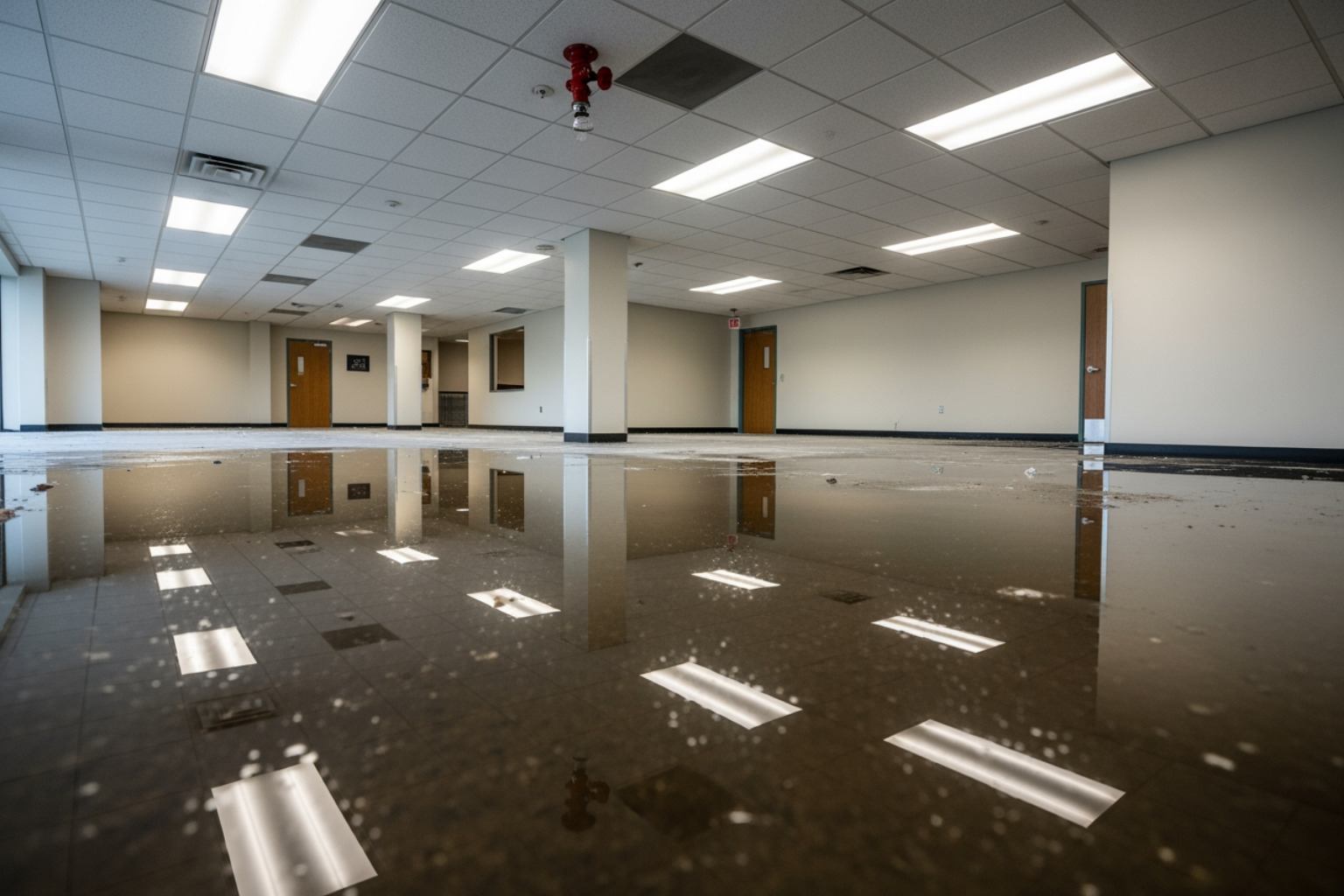
Fire sprinkler water damage happens when a fire suppression system activates, releasing 15 to 40 gallons of water per minute. This can soak walls, floors, and belongings, causing immediate flooding and long-term issues like mold and structural damage if not handled quickly.
What to do immediately after a fire sprinkler activates:
- Ensure everyone’s safety – Evacuate if needed and wait for clearance from emergency responders.
- Shut off the sprinkler system – Locate the control valve and stop the water flow as soon as it’s safe.
- Document the damage – Take photos and videos before cleanup begins.
- Contact a restoration company – Professional water extraction should begin within 24-48 hours.
- Notify your insurance carrier – Report the incident promptly to start your claim.
The sprinkler system that saved your property from flames just flooded it. Now you’re standing in a soaked building, wondering what’s next—and if your insurance will cover the damage.
For property owners in Arizona, Nevada, or Utah dealing with fire sprinkler water damage, the claims process can be stressful. This guide explains what to expect and how to protect your rights.
As a local, family-owned Arizona firm, we’ve guided many property owners through this. We understand it’s overwhelming, and our goal is to provide the clarity you need to move forward with confidence.
Hablamos español.
Fire sprinkler water damage terms you need:
The Immediate Aftermath: Understanding the Scope of the Damage
When a fire sprinkler system activates, the immediate concern shifts from fire to water mitigation. Understanding the impact of the water is the first step toward recovery.
How Much Water Can One Sprinkler Release?
The amount of water from a single sprinkler head can cause significant fire sprinkler water damage quickly. Commercial sprinklers discharge 20–40 gallons per minute (GPM), while some large systems exceed 100 GPM. A residential head releases 15 to 26 GPM.
A commercial sprinkler running for just five minutes can release 100-200 gallons of water, causing widespread damage. While a fire hose releases more water (50-125 GPM), a sprinkler’s targeted approach often uses less water overall to control a fire. However, an accidental activation can still create a massive mess if it runs unchecked.
Why Did the Sprinkler Go Off? Common Causes of Accidental Activation
While highly reliable, accidental activations do happen. The National Fire Protection Association (NFPA) reports thousands of unintentional activations each year. Understanding the causes is key to prevention and handling the aftermath.
Here are the primary causes of accidental fire sprinkler water damage:
- Overheating: Sprinkler heads activate at specific temperatures (typically 135°F-165°F). If installed too close to heat sources like skylights, heaters, or cooking equipment, they can be triggered accidentally.
- Freezing Temperatures: In colder areas of Arizona, Nevada, and Utah, water in wet pipe systems can freeze, expand, and crack pipes. When the ice thaws, leaks or system trips can occur. Proper installation is crucial to prevent this.
- Manufacturing Defects and Mechanical Damage: Though rare, manufacturing defects can occur. More commonly, damage during shipping, improper installation, or accidental impacts from forklifts or ladders can compromise a sprinkler head, leading to leaks or activation.
- Significant Corrosion: Corrosion is a major concern, especially in older dry pipe systems. It can create pinhole leaks or obstruct pipes, leading to malfunctions. Many dry systems suffer from significant corrosion over time.
- Deliberate Sabotage: Intentional tampering or vandalism can also cause sprinkler activations, resulting in significant water damage and potential criminal charges.
No matter the cause, accidental fire sprinkler water damage requires immediate attention. You can learn more about the causes of these incidents at Quick Response Fire Supply.
Your First Steps After a Sprinkler Activates
When a fire sprinkler activates, acting quickly and methodically is crucial to minimize fire sprinkler water damage and prepare for a smooth recovery.
Safety and Damage Mitigation Checklist
Your immediate actions can significantly impact the extent of the damage.
- Ensure Safety First: Evacuate if there is any risk of fire or structural compromise. Do not re-enter until emergency responders give the all-clear.
- Locate and Shut Off the Water: This is paramount. Every minute a sprinkler runs can add an estimated $1,000 to cleanup costs. Find the main shut-off valve for the sprinkler system and turn it off as soon as it’s safe. If you’re unsure, maintenance staff or emergency services can help.
- Call for Professional Help: Contact a professional water damage restoration company. Prompt action within 24-48 hours is critical to prevent secondary damage like mold.
- Document Everything: Before cleanup, take detailed photos and videos of all affected areas and damaged items. This visual evidence is invaluable for your insurance claim.
- Protect Undamaged Property: If safe, move undamaged items to dry areas. Lift furniture off wet carpets using blocks or foil.
- Notify Your Insurance Carrier (or Us!): Report the incident to your insurance provider immediately. Better yet, contact us at Hudson Douglas Public Adjusters. We can guide you through the reporting process to ensure your interests are protected from day one.
Understanding Different Sprinkler Systems and Their Impact
The type of sprinkler system in your Arizona, Nevada, or Utah property affects the potential fire sprinkler water damage.
- Wet Pipe Systems: The most common type. Pipes are always filled with water for immediate discharge. While effective, they are susceptible to freezing in unheated areas.
- Dry Pipe Systems: Used in unheated buildings where freezing is a risk. Pipes contain pressurized air; when a head activates, air pressure drops, and water flows in. This reduces freezing risk but can be prone to corrosion.
- Preaction Systems: Ideal for areas with sensitive contents like data centers. A two-step activation (e.g., smoke detector plus heat on the sprinkler head) is required, minimizing accidental discharge.
- Deluge Systems: Used in high-hazard areas like airplane hangars. All heads are open; a detection system triggers a valve, releasing water from all heads at once. An accidental activation causes massive, immediate flooding.
Understanding your system helps you respond appropriately. For more details, the NFPA provides a guide to sprinkler system types.
Hidden Dangers and Long-Term Risks of Fire Sprinkler Water Damage
The immediate flood is shocking, but the long-term risks of fire sprinkler water damage can be even more insidious if not addressed thoroughly.
Beyond the Puddle: What to Watch for After the Initial Flood
Water penetrates everywhere, causing damage that isn’t immediately obvious. Here’s what to watch for:
- Mold Growth: Mold can grow in 24-48 hours in damp conditions on materials like drywall or wood. It damages property and can cause health issues like respiratory irritation. Keeping humidity below 50% is key.
- Structural Damage: Prolonged water exposure weakens building materials. Drywall can crumble, and wood can warp or rot, leading to sagging ceilings or unstable walls.
- Electrical Hazards: Water can seep into outlets and wiring, creating a serious risk of short circuits, fires, or electrocution. An electrician must clear the area before using any power.
- Damaged Insulation: Wet insulation loses its effectiveness, can harbor mold, and often must be completely removed and replaced.
- Contamination from Soot and Other Materials: If a fire occurred, water can mix with soot and ash, spreading contaminants. This “dirty water” requires specialized cleaning to avoid health risks.
These hidden dangers show why a comprehensive response is about more than just drying a puddle.
The Role of Professional Restoration and Your Claim
Mitigating these risks almost always requires professional help. Restoration companies are indispensable for several reasons.
They use specialized equipment like moisture meters and thermal cameras to find hidden water, industrial dryers to prevent mold, and are trained in safe mold remediation following IICRC standards. They also clean, sanitize, handle structural repairs, and can remove odors.
Crucially, they provide detailed documentation of all damage and repairs. This comprehensive reporting is vital for substantiating your insurance claim and ensuring all damage—visible and hidden—is accounted for. While they handle the physical work, we at Hudson Douglas Public Adjusters use their reports to build a robust claim for your fire sprinkler water damage. You can learn more about how we assist with Water Damage claims.
Navigating the Insurance Claim for Sprinkler Water Damage
Dealing with the physical damage is one challenge; navigating the insurance claim is another. Understanding your rights and options can make all the difference.
Does Insurance Cover Accidental Sprinkler Discharge?
In most cases, yes. Most commercial and residential policies cover water damage from a “sudden and accidental discharge” from plumbing, which includes fire sprinkler systems. This means damage from a malfunction, frozen pipe, or accidental impact is generally covered.
This is distinct from “flood damage” (from natural events like overflowing rivers), which requires a separate policy. Fire sprinkler water damage falls under your standard property insurance. However, insurers may argue the damage was due to “neglect” to minimize payouts, which is why having an advocate is so important. For more on this, read our article on Flood Damage vs. Water Damage Arizona.
Common Challenges When Filing Your Fire Sprinkler Water Damage Claim
Even with coverage, filing a claim can be challenging:
- Undervalued Estimates: The insurer’s adjuster may provide a low initial estimate that overlooks hidden damage or the full cost of restoration.
- Overlooked Hidden Damage: Moisture can hide in walls or under floors, leading to future mold or structural problems if not documented in the initial claim.
- Repair vs. Replacement Disputes: Insurers often prefer cheaper repairs over more appropriate replacements for items like flooring or cabinetry.
- Business Interruption Losses: For businesses, documenting lost revenue and other costs from the interruption can be complex and is often contested.
- Delays and Communication Gaps: The claims process can be slow and frustrating, with poor communication and changing adjusters, sometimes leading to a Denied Water Damage Claim.
How to Ensure a Fair and Complete Settlement
This is where a public adjuster becomes your advocate. At Hudson Douglas Public Adjusters, we work exclusively for you, the policyholder, to level the playing field.
We start by conducting our own independent and thorough damage assessment, using experts to find hidden issues the insurer’s adjuster might miss. We carefully document all losses, review your policy to ensure all coverages are claimed, and handle all communication and negotiation with the insurance company.
Our 40+ years of expertise in Arizona, Nevada, and Utah means we know how to counter common insurer tactics to secure a fair and complete settlement. As a family-owned firm, we’re committed to our clients. We charge no upfront fees and are available 24/7, because our success is tied to yours.
For more insights, review our Water Damage Insurance Claim Tips.
Common Myths vs. Reality: What Arizona Property Owners Should Know
Misinformation often surrounds fire sprinklers, leading to misconceptions about fire sprinkler water damage. Let’s debunk some common myths.
Myth #1: “When one sprinkler goes off, they all go off.”
Reality: This is a movie myth. Sprinklers are individually heat-activated (usually 135°F-165°F). Only the head directly over a fire will activate. In fact, 90% of fires are controlled by six or fewer heads, making them highly targeted.
Myth #2: “Sprinklers cause more damage than the fire.”
Reality: While water damage is significant, it’s almost always less severe than damage from an uncontrolled fire and the high-volume hoses used by firefighters. Sprinklers activate early, limiting fire, heat, and smoke damage, which ultimately protects property more effectively.
| Water Source | Typical Discharge Rate (GPM) | Impact on Property |
|---|---|---|
| Single Sprinkler | 15-40 GPM | Targeted water application that often controls a fire quickly. While it causes water damage, it prevents the catastrophic structural, smoke, and heat damage of an uncontrolled fire. Property losses are significantly less in sprinklered homes. |
| Fire Hose | 50-125 GPM | High-volume water delivery needed for larger fires. This results in more severe and widespread water damage, in addition to the fire and smoke damage that has already occurred. |
Myth #3: “Smoke or burning toast will set off a sprinkler.”
Reality: Sprinklers are activated by high heat, not smoke. The heat-sensitive element needs to reach its activation temperature (135°F-165°F). Normal cooking fumes, steam, or burnt toast won’t trigger a sprinkler. Smoke alarms detect smoke, but they are separate systems and do not activate sprinklers.
For more information, you can refer to the NFPA sprinkler myths and facts.
Conclusion: Taking Control of Your Recovery
Experiencing fire sprinkler water damage is daunting, but with quick action and the right support, recovery is manageable. The key is to take immediate steps to mitigate the damage and to steer the insurance claim effectively.
Shutting off the water, documenting the damage, and calling professional restoration services are vital first steps. Equally important is how you handle the insurance claim. Insurers may undervalue claims or overlook hidden damage, which is why having an experienced advocate makes a profound difference.
As a local, family-owned Arizona firm, Hudson Douglas Public Adjusters guides property owners in Arizona, Nevada, and Utah through the complex claims process. With 40+ years of expertise, we work only for you, the policyholder. We have no upfront fees and are available 24/7 to help you secure a fair and complete settlement, so you can restore your property with confidence. Hablamos español.
If you’re facing fire sprinkler water damage, don’t steer the insurance claim alone. Learn more about how we can help with your Water Damage claim.