When Water Damage Strikes: Understanding Your Insurance Coverage for Burst Pipes
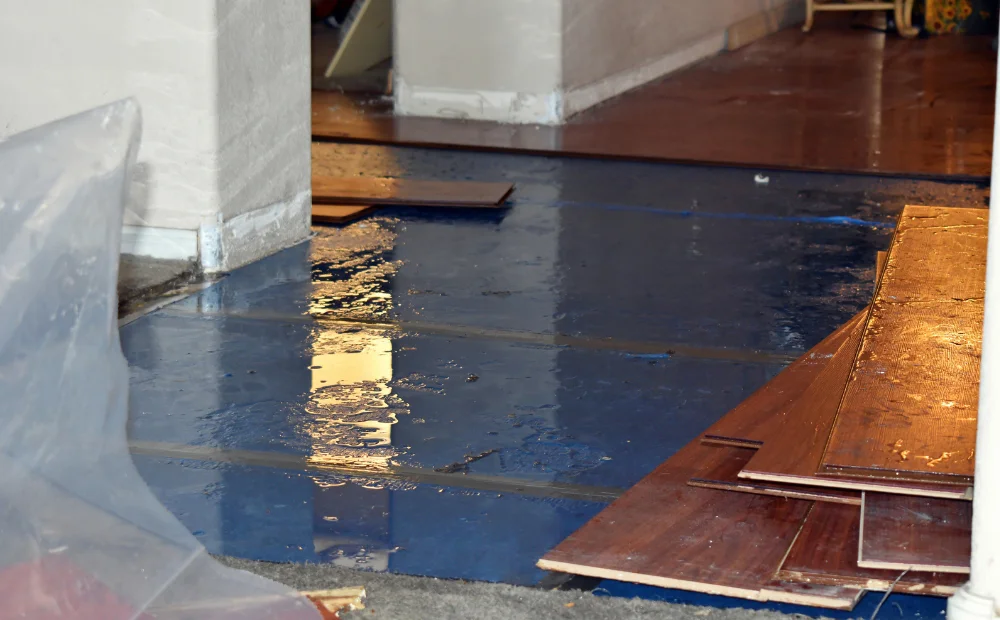
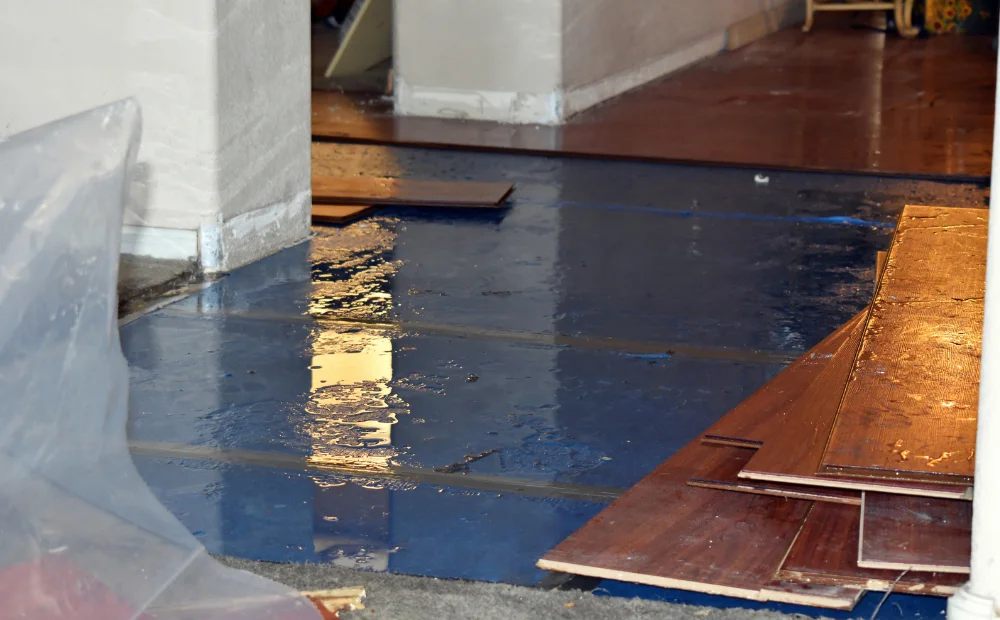
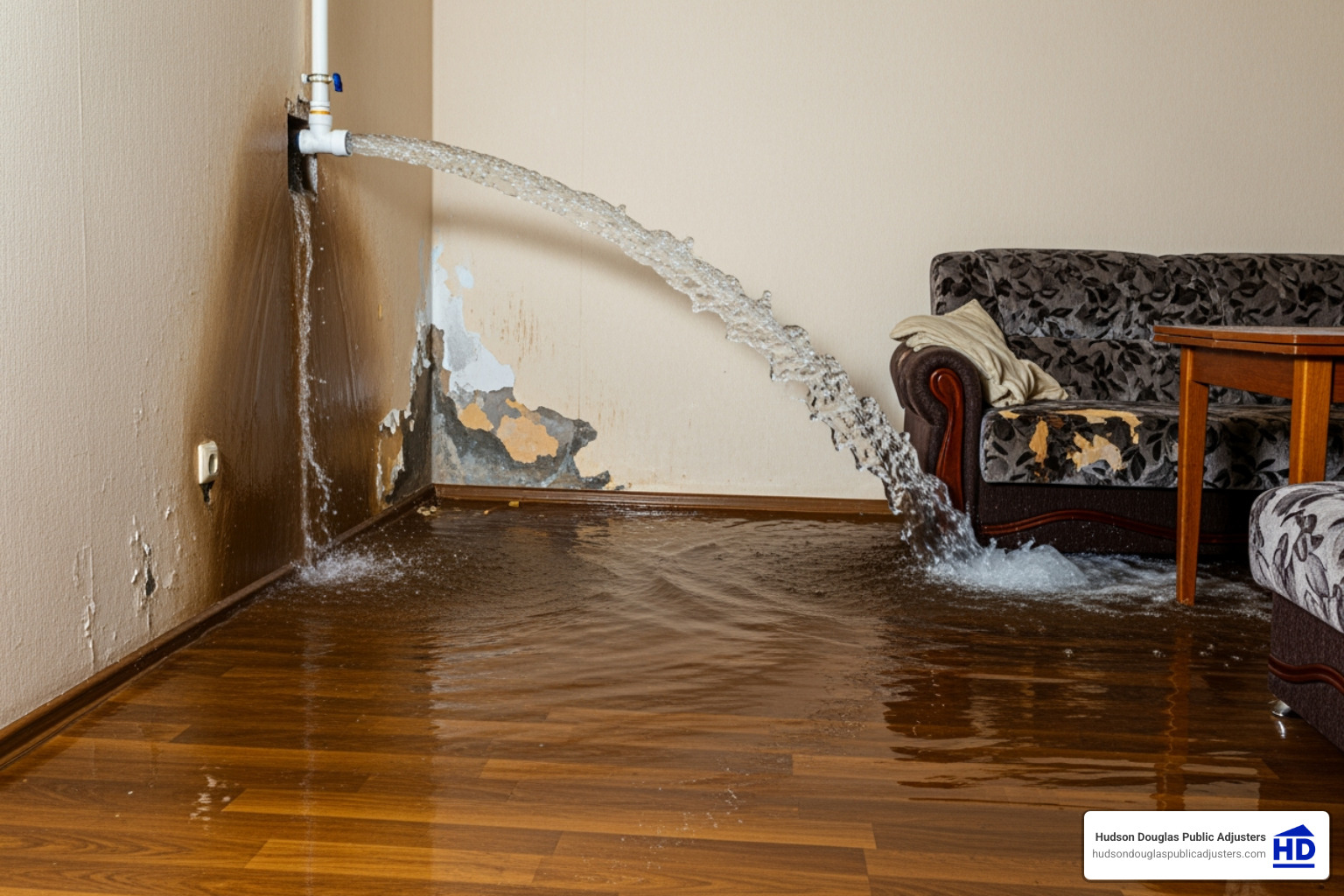
A burst pipe insurance claim is a homeowner’s nightmare. Water damage from freezing and burst pipes is the second most common home insurance claim, with one in 60 homeowners filing one each year. A single burst pipe can release gallons of water, devastating your walls, floors, and electrical systems.
Understanding your policy is key. Most homeowners insurance covers sudden and accidental water damage, but claims can be denied for issues like poor maintenance or negligence. The difference between a full payout and a denied claim often depends on taking the right steps immediately and properly documenting the damage. Insurance companies may try to minimize payouts, so knowing your rights is crucial.
This guide will walk you through the entire process, from immediate actions to navigating the claim and handling disputes.
Understanding Your Homeowners Insurance Coverage for Burst Pipes
Understanding your homeowners policy is the first step to recovery after a pipe bursts. Most standard policies cover water damage from “sudden and accidental” events, which often includes burst pipes. Coverage typically falls into these key areas:
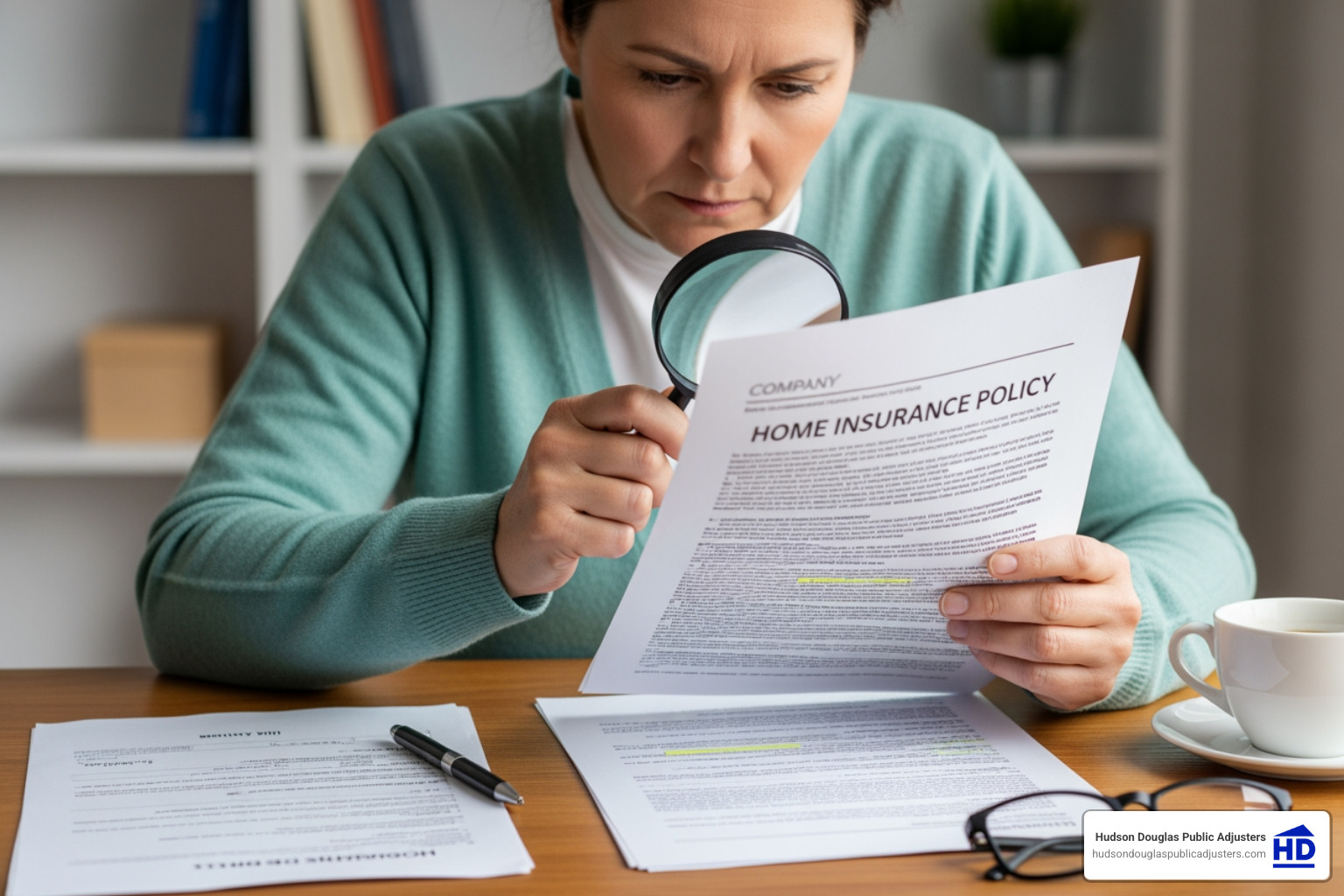
- Sudden and Accidental Damage: This is the key phrase. If a pipe suddenly ruptures, the resulting damage to your home and belongings is typically covered. The cause is critical; a sudden fracture from cold is often covered, while gradual deterioration may not be.
- Resulting Damage vs. Initial Damage: Your policy will likely cover the resulting damage—ruined drywall, flooring, and furniture. However, it may not cover the initial damage—the cost to repair the pipe itself, especially if it failed due to age or poor maintenance.
- Dwelling Coverage: This covers your home’s physical structure, including walls, floors, and ceilings. Dwelling coverage pays for repairs to these elements, minus your deductible.
- Personal Property Coverage: This covers your belongings, like furniture, electronics, and clothing. It’s important to know if your policy provides actual cash value (depreciated) or replacement cost (new item value).
- Loss of Use (Additional Living Expenses – ALE): If the damage makes your home uninhabitable, this coverage helps pay for temporary expenses like hotel stays, meals, and rentals.
For more details on water damage coverage, see our page on More info about Water Damage and what your insurance should cover via What your insurance company should cover.
Common Exclusions and Limitations
While homeowners insurance is a safety net, it’s not a blank check. Understanding common exclusions can prevent a denied burst pipe insurance claim.
- Negligence: If the insurer determines the burst pipe resulted from your negligence, the claim may be denied. A common example is leaving your home unheated in winter, causing pipes to freeze. Insurers expect you to take reasonable steps to prevent foreseeable damage. Learn more about this exclusion at Frozen pipes due to no heat.
- Lack of Maintenance: Policies are not maintenance contracts. Damage from long-term, unaddressed issues like visibly corroded pipes is typically not covered. Homeowners are responsible for keeping their property in good repair.
- Wear and Tear / Gradual Leaks: Standard policies exclude damage that occurs slowly over time. A small, uncorrected leak that causes extensive mold or rot may be denied because it’s considered a preventable maintenance issue, not a sudden accident. For more on this, see Why Covered Water Damage Isn’t Always Covered: What Arizona Homeowners Need to Know Before It’s Too Late.
- Flood Damage: Standard homeowners policies do not cover damage from external flooding (e.g., from heavy rain or hurricanes). Flood insurance is a separate policy.
- Vacant Homes: If your home is vacant for an extended period (often 30-60 days), coverage for burst pipes may be limited or voided due to increased risk.
What to Do Immediately After Finding a Burst Pipe
When a pipe bursts, every second counts. Acting fast can significantly reduce the damage and simplify your burst pipe insurance claim. A burst pipe can quickly expel gallons of water, leading to massive damage and costly repairs.
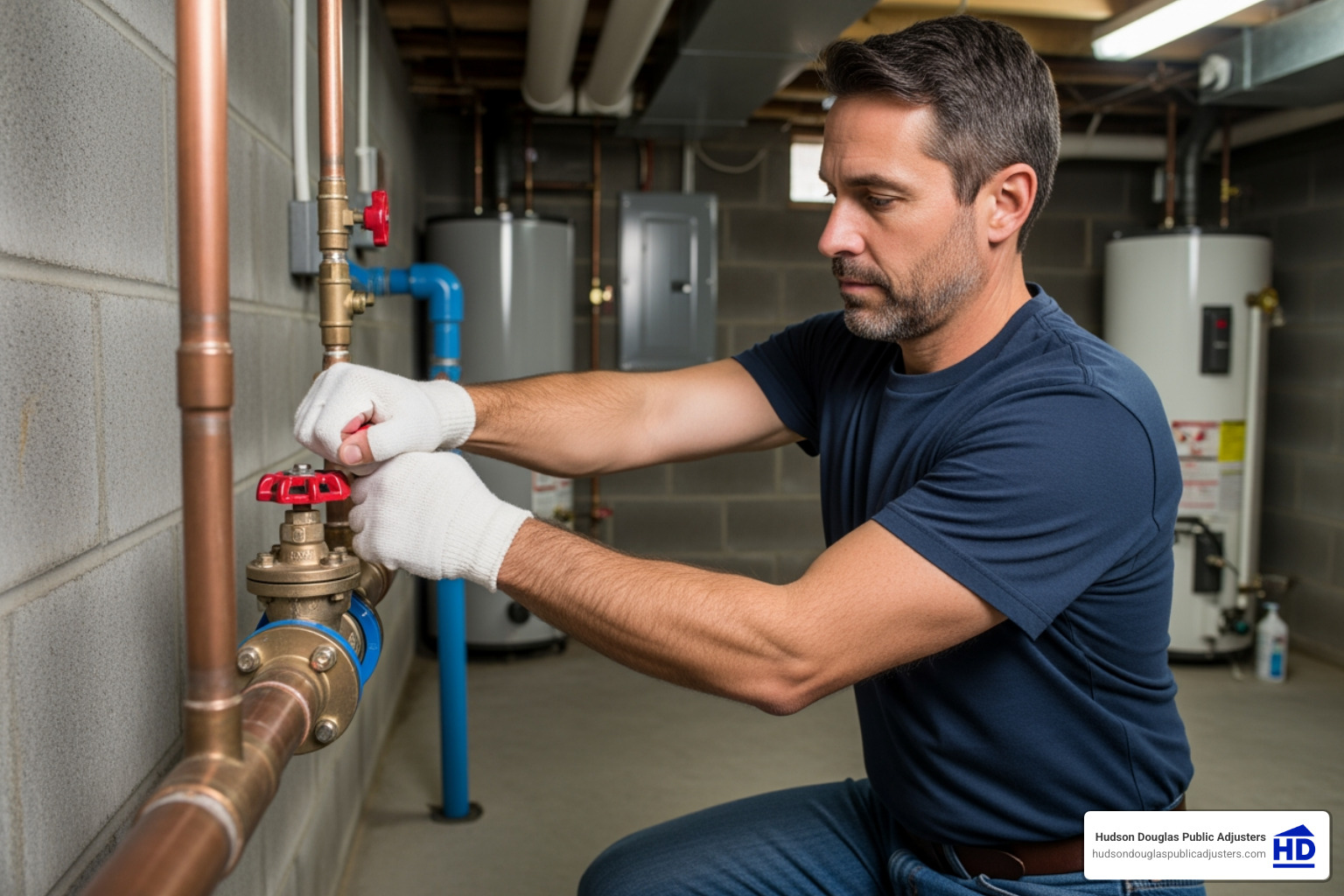
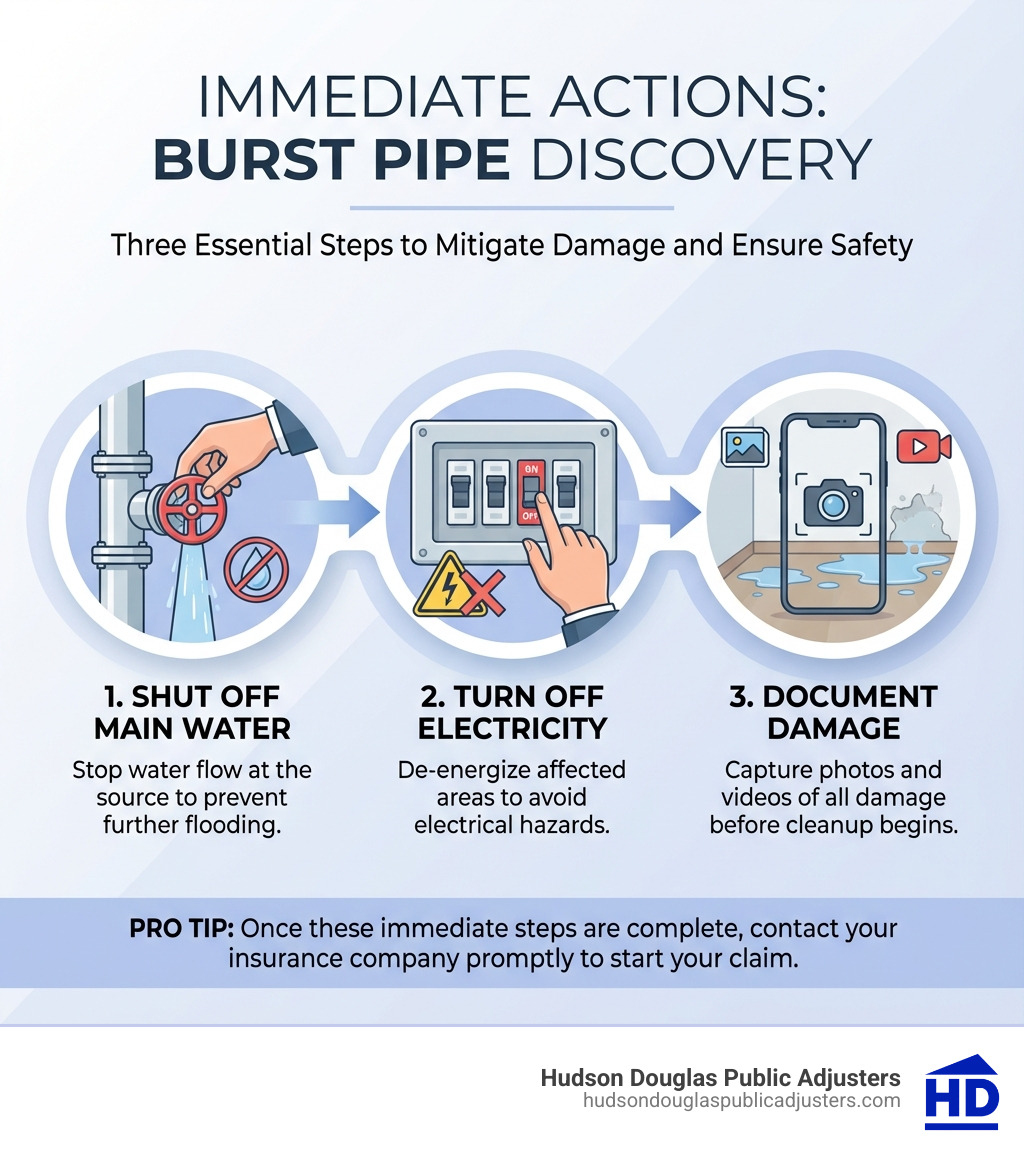
Here are the immediate steps to take:
- Shut off Main Water Supply: Your first priority. Locate your home’s main water shut-off valve and turn it off to stop the water flow.
- Turn off Electricity: If water is near outlets or your fuse box, shut off power at the main breaker to prevent electrical hazards.
- Mitigate Further Damage: Open windows to air out the area (unless it’s freezing outside).
- Protect Valuables: Move furniture, electronics, and other belongings away from the water. Place foil or wood blocks under furniture legs to prevent stains.
- Contact a Licensed Plumber: You need a professional to find and repair the burst pipe. Their report on the cause is valuable for your claim.
- Contact a Professional Restoration Company: They have the equipment to extract water, dry the area, and prevent mold. Their documentation is also crucial for your claim.
Taking these steps is not just smart; it’s often a policy requirement. Neglecting to mitigate damage could jeopardize your burst pipe insurance claim. For more tips, see What to do when pipes burst.
A Step-by-Step Guide to Your Burst Pipe Insurance Claim
Filing a burst pipe insurance claim is manageable with a structured approach. The goal is to give your insurer the information needed to process your claim fairly and efficiently.
- Notify Your Insurer Promptly: After handling the immediate emergency, contact your insurance company to open a claim and get a claim number.
- Make Temporary Repairs (If Safe): You are expected to prevent further damage. This may include covering openings or temporary patches. Keep all receipts for reimbursement.
- Prepare for the Insurance Adjuster Meeting: The adjuster will assess the damage. Do not discard any damaged items until they have been inspected or thoroughly documented.
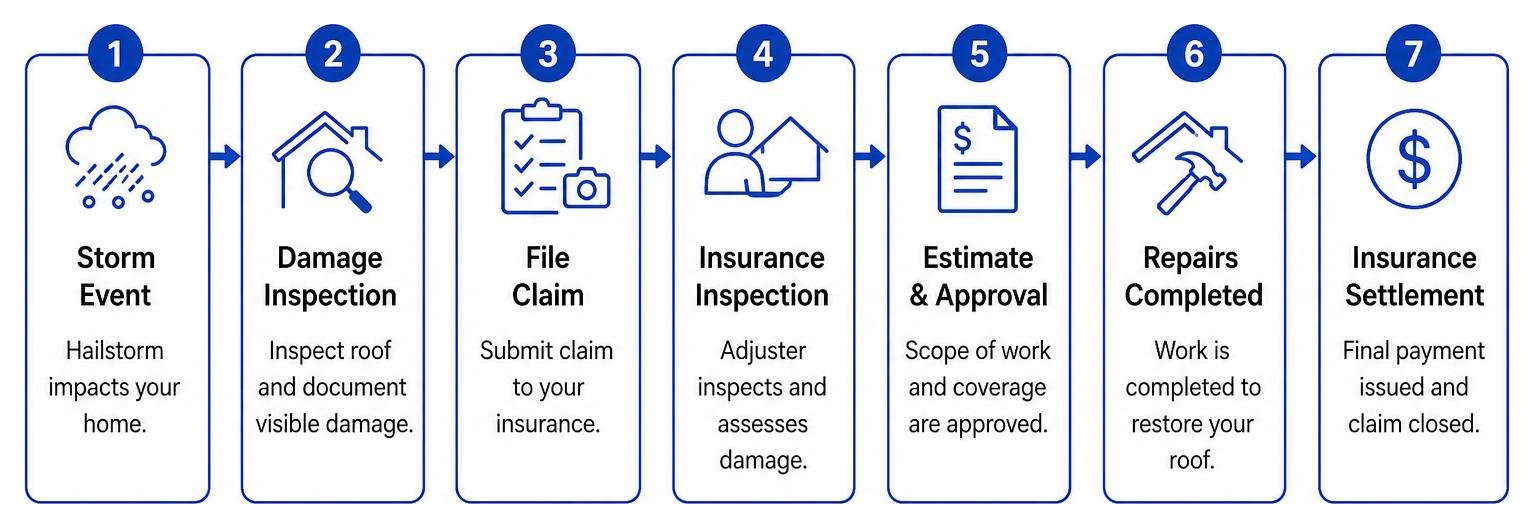
- Understand the Claims Process Overview: The process generally involves: initial contact, an investigation by the adjuster, a repair estimate, a policy review, a settlement offer, and finally, repairs.
For more on filing, the Insurance Information Institute offers guidance at How to file a homeowners claim.
How to Document Damage for Your Burst Pipe Insurance Claim
Thorough documentation is the foundation of a successful burst pipe insurance claim.
- Photos and Videos: Take extensive photos and videos of all damage before cleanup begins. Capture wide shots and close-ups of the burst pipe, water lines, and affected property.
- Detailed Inventory List: Create a list of all damaged personal property, including a description, brand, age, and estimated replacement cost for each item.
- Damaged Item Receipts: Gather receipts for high-value items to prove ownership and original cost.
- Repair Estimates: Get independent repair estimates from reputable contractors to benchmark against the insurer’s offer.
- Communication Log: Keep a record of all communications with your insurance company, noting dates, names, and discussion summaries.
- Proof of Loss Documentation: If an adjuster is delayed, your documentation serves as proof of loss. This helps substantiate your claim for full compensation. For more, see Proof of loss documentation.
The more evidence you have, the stronger your burst pipe insurance claim will be.
The Role of Licensed Plumbers and Restoration Professionals
You’ll need help from professionals whose reports can strengthen your burst pipe insurance claim.
- Emergency Repairs: A licensed plumber will perform emergency repairs on the pipe and provide a report on the cause of the burst, which is crucial evidence.
- Damage Assessment: Both plumbers and professional water damage restoration companies can assess the extent of the damage. The restoration company will evaluate how far the water has spread, what materials are affected (drywall, insulation, flooring), and the potential for secondary damage like mold.
- Drying and Dehumidifying: Water damage restoration professionals specialize in extracting standing water, using industrial-grade fans and dehumidifiers to thoroughly dry out your home. This critical step prevents mold growth and further structural damage.
- Mold Prevention: Beyond drying, restoration companies apply antimicrobial treatments to prevent mold and mildew, which can pose serious health risks and lead to additional, costly repairs if not addressed immediately.
- Providing Professional Reports: Both the plumber and the restoration company can provide detailed reports, invoices, and photographic evidence of their work and findings. These professional reports are essential documentation for your burst pipe insurance claim, lending credibility to your assessment of the damage and the necessary repairs. Your insurance company should cover the costs for any professionals who come in to clean up the water and repair the damage.
What to Do if Your Claim is Denied or Undervalued
A denied or undervalued burst pipe insurance claim is disheartening but not final. Insurers may underpay or deny legitimate claims to protect their bottom line, hoping policyholders won’t fight back.
- Reasons for Denial: Common reasons include claims of lack of maintenance, wear and tear, negligence (like not heating a home in winter), pre-existing damage, or specific policy exclusions.
- Bad Faith Practices: In some cases, insurers act in “bad faith” by intentionally misrepresenting policy terms, delaying claims, or denying them without a reasonable basis.
- Appealing the Decision: If your claim is denied, request a detailed written explanation. Counter their reasoning with your own evidence, such as independent reports and estimates.
- Unfair Settlement Offers: If an offer is too low, it’s often due to the insurer undervaluing repair costs or property. Negotiate by providing your own detailed estimates.
You don’t have to fight this alone. For more information, visit More info about a Denied Water Damage Claim.
When to Hire a Public Adjuster for a Burst Pipe Insurance Claim
Navigating a disputed burst pipe insurance claim is where a public adjuster becomes your greatest ally.
- Complex Claims: If your damage is extensive, involves multiple systems (plumbing, electrical, HVAC), or has led to secondary damage like mold, the claim can become very complex. A public adjuster specializes in these intricate situations.
- Large Losses: For significant damage that involves substantial repair and replacement costs, the stakes are higher. A public adjuster works solely for you, the policyholder, to ensure you receive the maximum possible payout. We have 50+ years of expertise in advocating for policyholders.
- Disputed Cause of Damage: If your insurer denies your claim based on a dispute over what caused the pipe to burst (e.g., they claim wear and tear, but you believe it was a sudden event), a public adjuster can gather independent evidence and expert opinions to challenge their assessment.
- Public Adjuster Role: A public adjuster will:
- Review your insurance policy thoroughly to understand your coverage.
- Conduct their own independent assessment of the damage, often uncovering hidden damage missed by the insurer’s adjuster.
- Document all losses carefully, including structural damage, personal property, and additional living expenses.
- Prepare and present a comprehensive claim package to your insurance company.
- Negotiate directly with your insurer on your behalf to achieve a fair settlement.
- When to Consult an Attorney: While a public adjuster handles the negotiation process, you might consider consulting an attorney if:
- Your insurer is acting in bad faith.
- The claim involves complex legal interpretations of your policy.
- You are considering litigation.
- The public adjuster believes legal action is necessary to achieve a fair outcome.
We work solely for policyholders, with no upfront fees, 24/7 availability, and over 50 years of expertise across states like Arizona, California, Colorado, Oregon, and Washington. If you’re facing a challenging claim, consider how we can help you maximize your residential property insurance claim. Visit Maximize Your Residential Property Insurance Claim for more information.
Proactive Prevention: How to Avoid Burst Pipes
An ounce of prevention is worth a pound of cure. Taking proactive steps can significantly reduce your risk of a burst pipe, especially in colder climates.
- Insulate Pipes: Use foam insulation sleeves or heat tape on pipes in unheated areas like basements, crawl spaces, and attics.
- Winterize Your Home:
- Seal Air Leaks: Caulk cracks near pipes to block cold drafts.
- Disconnect Hoses: Disconnect and drain garden hoses before winter.
- Open Cabinets: During cold snaps, open cabinet doors under sinks to let warm air circulate around pipes.
- Let Faucets Drip: A slow drip can relieve pressure and prevent freezing in extreme cold.
- Maintain Home Temperature: Keep your thermostat at 55-60°F or higher, even when you’re away. For longer absences in winter, consider draining your plumbing system.
- Regular Plumbing Inspections: Have a plumber inspect your system periodically to identify aging pipes or weaknesses.
- Monitor Water Pressure: High water pressure (above 60 psi) stresses pipes. A plumber can install a pressure regulator if needed.
- Know Your Main Water Shut-Off: Ensure everyone in your home knows where the main water shut-off valve is and how to use it for a rapid response.
By taking these steps, you can significantly reduce the chances of experiencing a costly burst pipe insurance claim.
Frequently Asked Questions about Burst Pipe Claims
Here are answers to common questions homeowners have about burst pipes.
Does homeowners insurance cover the cost to repair the actual burst pipe?
This highlights the difference between initial and resulting damage. Generally, your policy covers the resulting water damage (to walls, floors, etc.). Whether it covers the actual pipe repair depends on the cause:
- Sudden and Accidental: If the burst was sudden and unforeseen (like from freezing), the pipe repair may be covered.
- Wear and Tear / Lack of Maintenance: If the pipe failed due to age or neglect, the repair cost is often considered the homeowner’s responsibility and not covered.
So, while your policy helps clean up the mess, you might have to pay to fix the old pipe itself.
How long do I have to file a burst pipe claim?
The timeline for filing a burst pipe insurance claim varies by state and policy, but the universal advice is: report it as soon as possible. Most policies require “prompt notification.” Delaying can cause problems, as the insurer might argue the delay worsened the damage (e.g., led to mold) or made it harder to investigate the cause. We recommend contacting your insurer within 24-48 hours of finding the burst pipe.
Can my insurance rates go up after a water damage claim?
Yes, filing a burst pipe insurance claim can potentially increase your rates.
- Claim History Impact: Insurers view properties with water damage claims as “high risk,” as these are frequent and costly claims.
- Risk Assessment: After a claim, your insurer may reassess your property’s risk and increase your premium at renewal.
- Policy Renewal: Multiple claims in a short period could lead to a significant rate hike or even non-renewal of your policy.
For minor damage near your deductible, you might consider paying out-of-pocket. However, for significant damage, filing a claim is usually necessary to cover the substantial costs.
Final Takeaways
A burst pipe insurance claim is a major disruption, but you can manage the process with swift action and the right knowledge.
Remember these key takeaways:
- Mitigate: Stop the water flow immediately to prevent further damage.
- Document: Use photos, videos, and detailed lists to prove your loss.
- File: Report your claim promptly and keep detailed records.
- Advocate: Understand your policy, challenge unfair offers, and seek professional help when needed.
Your homeowners insurance is meant to protect you, but securing a fair payout requires diligence. At Hudson Douglas Public Adjusters, we specialize in helping property owners maximize their claims. With 50+ years of expertise working solely for the policyholder, we ensure you get the full payout you deserve with no upfront fees.
If you’re facing a burst pipe insurance claim in Alaska, Arizona, California, Colorado, New Mexico, Nevada, Oregon, Texas, Utah, or Washington, don’t go it alone.
Contact Us for help with your water damage claim