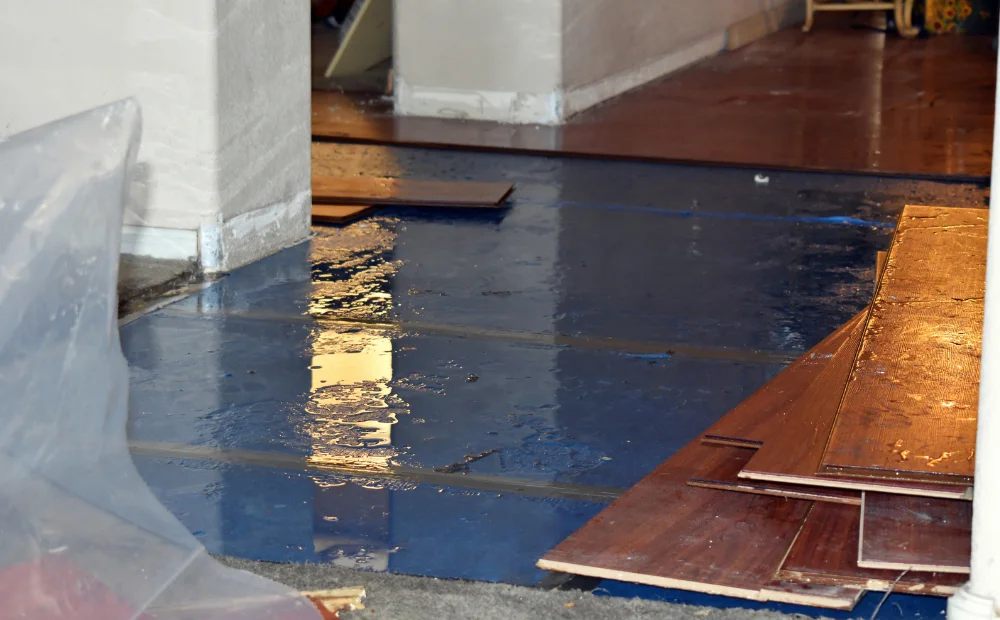

Navigating the Aftermath of a Flood in Arizona
Flood insurance claim help starts the moment floodwaters recede, leaving you with damaged property and an overwhelming claims process. Here’s what you need to know right now:
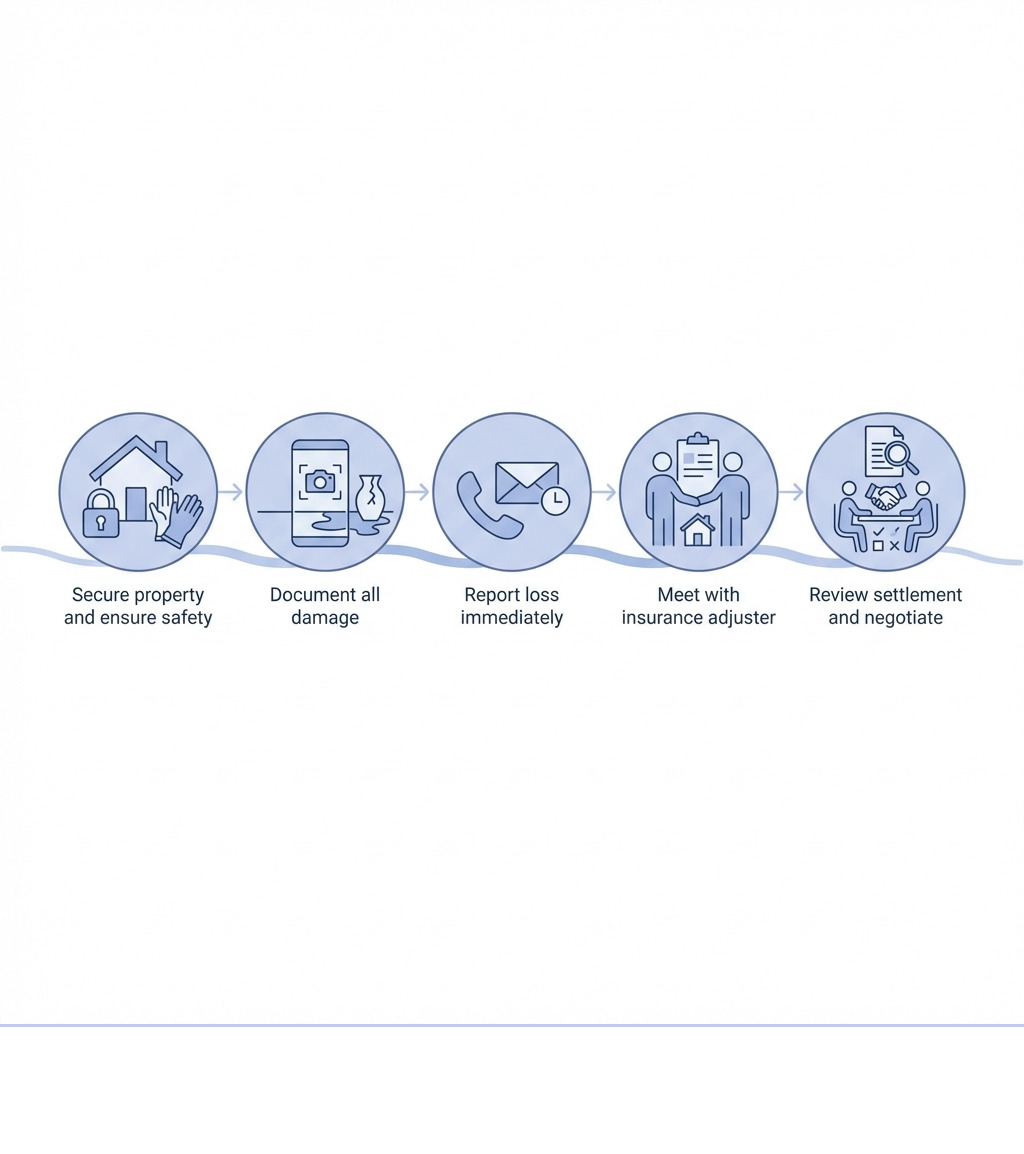
Quick Steps to Get Flood Insurance Claim Help:
- Secure your property – Prevent further damage and ensure it’s safe to enter.
- Document everything – Take photos and videos of all damage before cleanup.
- Report your loss immediately – Contact your insurance provider as soon as possible.
- Meet with the adjuster – Understand their role and what they are evaluating.
- Review your settlement carefully – Know your options if the offer doesn’t cover your losses.
If monsoon flooding has damaged your Arizona property, you’re likely stressed and worried about your insurance coverage. You may wonder if the settlement is fair or if you’ve missed documenting key damage.
You’re not alone in this.
Arizona’s monsoon season brings flash floods that can devastate properties in minutes. The insurance claims process that follows is often just as confusing.
This guide walks you through the Arizona flood insurance claim process, from initial damage to final settlement. We’ve helped hundreds of local property owners steer these situations and know where policyholders need the most support.
As a family-owned Arizona firm, we’ve seen how insurers handle flood claims and where documentation gaps lead to underpayment. The right advocate can make the difference between a fair settlement and a frustrating one. This guide is about giving you a clear plan to move forward with confidence.
Se habla español. Hudson Douglas communicates fluently in both English and Spanish, ensuring every Arizona property owner gets the support they need in the language they’re most comfortable with.
Simple Flood insurance claim help glossary:
First Steps After the Flood: Securing Your Property and Starting Your Claim
The immediate aftermath of a flood is chaotic. Your first priority is always safety. Only return to your property once authorities confirm it’s safe. Once you do, the clock starts ticking on your claim, and these initial steps can significantly impact your recovery.
1. Prioritize Safety and Prevent Further Damage: Your first priority is safety. Before entering, check for electrical hazards, structural damage, and gas leaks, and turn off utilities if there’s standing water. As a policyholder, you must also take reasonable steps to prevent further damage (mitigation). This could include moving undamaged items to a dry location or boarding up broken windows. Keep detailed records and receipts for any mitigation expenses, as your policy may cover them.
2. Contact Your Insurance Provider Immediately: As soon as it’s safe, notify your insurance company about the flood loss to officially start your claim. Have your policy number ready. If you’re unsure who your provider is, check your mortgage statement or contact your insurance agent. Prompt reporting is crucial.
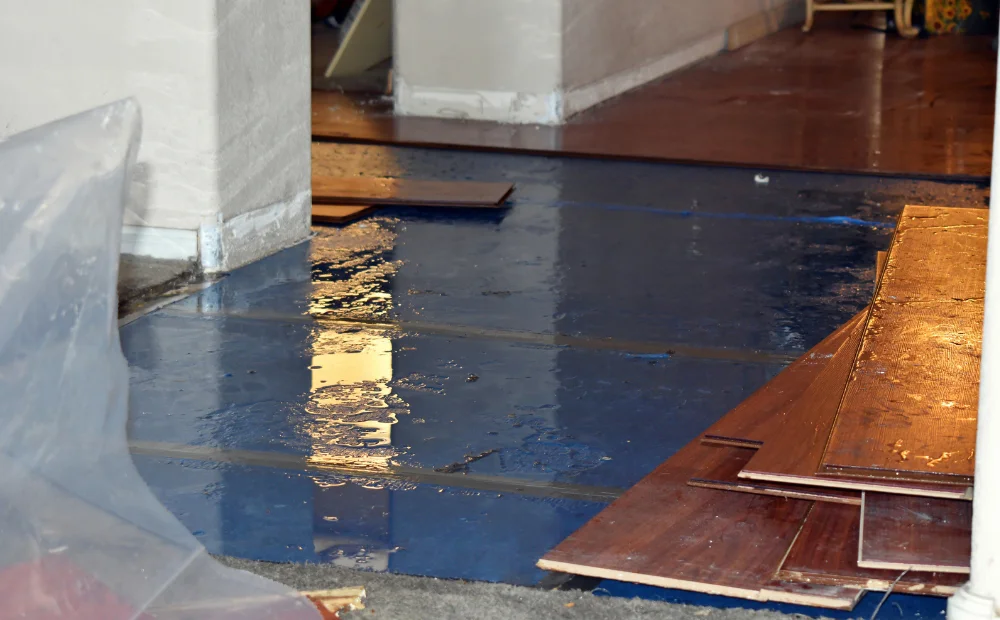
3. Begin Initial Documentation: Before starting any major cleanup, document everything. Take extensive photos and videos of all damaged areas, inside and out. Capture standing water levels, structural damage, and the condition of personal belongings. This visual evidence is vital for your claim.
What Documentation Provides the Best Flood Insurance Claim Help?
Thorough documentation is the foundation of a successful flood insurance claim help process. It provides undeniable proof of your losses and helps us negotiate effectively on your behalf.
Here is a list of essential evidence to gather:
- Photos and Videos: Capture every angle of the damage with wide shots for overall impact and close-ups for specific items. Document water lines on walls and all affected property. Photograph or video items you must discard immediately for health reasons.
- Detailed Inventory Lists: Create a room-by-room list of damaged personal property. Include descriptions, brand names, model numbers, and age. Attach original receipts if you have them.
- Samples of Damaged Items: Before discarding materials like carpet, flooring, or wallpaper, cut out small samples to show the adjuster the quality and type of damage.
- Receipts for Mitigation: Keep every receipt for supplies (tarps, fans, dehumidifiers) and services (water extraction) used to prevent further damage.
- Communications Log: Keep a log of all claim-related interactions, including dates, names, and a summary of conversations.
- Policy Documents: Have your complete flood insurance policy and declarations page accessible.
- Pre-Flood Photos/Videos: If available, photos of your property before the flood are incredibly helpful to show the extent of the damage.
Compiling this is a big job. Our role is to assist you, ensuring no detail is overlooked to maximize your flood insurance claim help.
Your Responsibility for Cleanup and Mold Prevention
After documenting, you must begin cleanup to prevent mold growth. This is a critical policyholder obligation. Many flood policies, including those from the National Flood Insurance Program (NFIP), do not cover mold damage if you fail to take reasonable steps to prevent it.
What to do:
- Discard Health-Risk Items: After documenting, immediately discard items that pose health risks, like perishable food, saturated mattresses, and pillows.
- Begin Drying and Dehumidifying: The faster you dry your property, the better. Open windows (if safe) and use fans and dehumidifiers to remove moisture.
- Clean and Disinfect: Clean all hard surfaces with soap and water, then disinfect.
- Remove Wet Porous Materials: Remove wet drywall, insulation, and carpeting to prevent hidden mold growth.
For detailed guidance, refer to the EPA’s Homeowner’s and Renter’s Guide to Mold Cleanup After Disasters.
We know this is daunting. As your public adjusters, we help you understand and document these necessary steps to support your claim. For more on water damage and mold prevention, see our page on More info about Water Damage services.
Understanding Your Flood Insurance Policy: What’s Covered and What’s Not
Understanding your flood insurance policy is key, as it’s separate from standard homeowners insurance and has specific rules. Most homeowners’ policies do not cover flood damage. Flood insurance is a separate policy designed to cover losses directly caused by flooding.
At its core, flood insurance covers physical damage to your property and contents directly caused by a flood. An insurer generally defines a flood as a temporary inundation of two or more acres or two or more properties. This can result from:
- Overflow of inland or tidal waters.
- Unusual and rapid accumulation or runoff of surface waters.
- Mudflow, a river of liquid mud on normally dry land. We see this in Arizona after wildfires or heavy rains. Read more about Mudflow coverage.
The key distinction is whether water came from the “ground up.” If water entered from rising rivers, flash floods, or surface accumulation, it’s typically considered flood damage. Our article, Flood Damage vs. Water Damage Arizona, explains this crucial difference.
What’s Typically Covered:
- Building Coverage: The physical structure, including the foundation, walls, electrical and plumbing systems, central air, furnaces, water heaters, and built-in appliances.
- Contents Coverage: Personal belongings like furniture, clothing, and electronics. This is often a separate coverage with its own limits.
What’s Typically Excluded (or has limitations):
- Water from the “Top Down”: Damage from a leaky roof or rain that’s blown into your home by wind is usually covered by a homeowners’ policy, not flood insurance.
- Sump Pump Backups: Covered only if it occurs during a policy-defined flood. Otherwise, it’s typically excluded. See our guide on Burst Pipe Insurance Claim for other plumbing issues.
- Mold Damage: Generally not covered if you fail to take reasonable steps to prevent its growth after a flood.
- Basements: Basements receive limited coverage. Structural elements and essential utilities may be covered, but personal belongings often are not.
- Additional Living Expenses (ALE): Flood insurance typically does not cover temporary housing or meals. Your homeowners’ policy might offer some ALE coverage for other perils.
- Pre-existing Damage and Outside Property: Damage that existed before the flood, or to items like landscaping, fences, and pools, is usually not covered.
Increased Cost of Compliance (ICC) Coverage: This valuable coverage is for properties in special flood hazard areas (SFHA). If your property is substantially damaged (repair cost is 50% or more of its pre-damage market value), your community may require you to rebuild to higher standards. ICC provides up to $30,000 to help cover these costs, such as elevating or floodproofing your home. We help determine if you’re eligible and include these costs in your claim.
Working with the Insurance Adjuster: Your Guide to the Inspection
After you report your flood loss, your insurer will assign an adjuster to inspect your property. This person is critical in determining your settlement, but remember they represent the insurer. Their loyalty lies with their employer, which is why having your own advocate, like Hudson Douglas Public Adjusters, is so important.
The Role of the Adjuster: The insurance adjuster’s job is to assess the damage, determine if it’s covered by your policy, and estimate the cost of repairs.
Preparing for the Visit: Before the adjuster arrives, have your initial documentation (photos, videos, inventory) organized. You should also have your policy and any relevant receipts ready.
Verifying Credentials: Always ask the adjuster for identification. For claims related to the National Flood Insurance Program (NFIP), they should have a Flood Control Number card with their picture, dated for the current storm year. This protects you from scams. A legitimate adjuster will never ask for money or try to collect your deductible.
What to Expect During the Inspection: The adjuster will inspect your property, taking their own photos, measurements, and notes. Show them everything you’ve documented and point out all observed damage. They will explain the claims process and may discuss an advance payment if your policy allows for it.
Scoping the Loss and Reviewing the Damage Estimate: The adjuster will “scope the loss” by creating a detailed report and repair estimate. Review this document carefully for accuracy. Does it reflect all the damage? Are the repair methods and materials appropriate for Arizona? Are all your damaged items included and valued correctly?
The Proof of Loss Document: Eventually, you will be asked to sign a “Proof of Loss” statement. This is a legally binding sworn statement detailing the damage and the amount you are claiming. Be absolutely sure you agree with the amount and scope of damage before signing. If you have any doubts or believe the estimate is too low, do not sign it without consulting with us first.
When You Need Flood Insurance Claim Help: Handling Disputes and Denials
It’s frustrating to receive a claim denial or a low settlement offer after a flood. This is when professional flood insurance claim help becomes essential.
Common Reasons for Denial or Underpayment: Insurers may deny or underpay claims for various reasons:
- Policy Exclusions: The damage is deemed not covered by your flood policy (e.g., classified as wind damage).
- Insufficient Documentation: Lack of detailed evidence to prove the extent of damage.
- Disagreement on Scope of Damage: The insurer’s adjuster undervalues the damage or misses hidden issues.
- Late Reporting: A significant delay in reporting the claim.
- Failure to Mitigate: The insurer argues you didn’t take reasonable steps to prevent further damage.
- Misinterpretation of Policy Language: Complex wording leads to different interpretations of coverage.
A denial or low offer is often the start of the negotiation process. The average flood insurance claim between 2020 and 2024 was $82,614, so ensuring you receive a fair settlement is critical to your recovery.
Options If Your Claim is Denied or Underpaid
If you disagree with your settlement, you have several options. We specialize in navigating these situations.
- Negotiating with the Insurer’s Adjuster: The first step is to negotiate directly with the adjuster. This involves presenting new evidence and making a clear case for a higher settlement. We gather our own detailed estimates to counter their assessment.
- Requesting a Second Review: If negotiations fail, you can ask a supervisor or another adjuster to review your claim.
- Understanding Your Rights as a Policyholder: You have the right to a fair and timely settlement. We ensure these rights are upheld.
- Timelines for Dispute Resolution: There are strict deadlines for disputing a claim, often within 60 days of a denial. We manage these timelines to protect your claim.
For more on handling denials, read our Denied Water Damage Claim Guide.
Getting Professional Flood Insurance Claim Help
When facing a denied or underpaid claim, a public adjuster is your most powerful ally. We work only for you, the policyholder, not the insurance company. Our interests are aligned with yours: securing the highest possible settlement.
The Role of a Public Adjuster: Our experts at Hudson Douglas Public Adjusters provide comprehensive flood insurance claim help. We:
- Conduct Independent Damage Assessment: We perform our own thorough inspection, identifying all visible and hidden damages.
- Document Everything Carefully: We compile all necessary documentation, including detailed estimates and inventory lists.
- Interpret Your Policy: We review your policy to identify all applicable coverages and ensure you understand your rights.
- Negotiate on Your Behalf: We handle all communications with your insurance company, using our expertise to advocate for a fair settlement.
- Save You Time and Stress: We take on the burden of the claims process, allowing you to focus on rebuilding.
As a family-owned firm with over 40 years of expertise in Arizona, Nevada, and Utah, we are committed to our community. We work on a contingency basis, receiving 12% of the payout, so you pay nothing out of pocket. We only get paid when you do.
For more tips, refer to our Water Damage Insurance Claim Tips.
Beyond Your Claim: Additional Resources and Community Support
Recovering from a flood goes beyond your insurance claim. Other resources and community support systems can help. As a local Arizona firm, we believe in empowering our community with all the information they need.
Federal Disaster Assistance: If a Presidential Disaster Declaration is made for your area, you may be eligible for FEMA aid for expenses not covered by insurance, such as temporary housing or essential repairs. You can apply for this assistance in addition to your flood claim by calling 800-621-3362 (800-462-7585 TTY) or applying online at DisasterAssistance.go.
Small Business Administration (SBA) Loans: Businesses and homeowners may be eligible for low-interest disaster loans from the U.S. Small Business Administration (SBA) to cover damages not fully compensated by insurance. Information is available at SBA Disaster Assistance.
Red Cross and Other Shelters: If you are displaced, organizations like the American Red Cross can provide immediate assistance, including shelter and food. Locate the nearest open Red Cross shelters on their website.
Local and State Emergency Management: Your local and state emergency management offices are crucial resources for information on disaster declarations and recovery efforts. Find your emergency management office through FEMA’s website.
Avoiding Post-Disaster Scams: Disasters often attract scammers. Beware of unsolicited repair offers, especially those demanding upfront payment or pressuring you to sign contracts. Always verify the credentials of anyone offering help. FEMA provides information on common rumors and scams. Always ask for identification from anyone who comes to your home after a flood.
Frequently Asked Questions about Arizona Flood Claims
After a flood, you’ll have many questions. Here are some of the most common ones we hear from Arizona property owners:
How long does a flood insurance claim take to get paid?
A standard claim typically takes four to eight weeks to finalize and pay, depending on the complexity of the damage, your insurer’s responsiveness, and other factors. During major disasters, it can take longer. Some insurers may offer advance payments, which are deducted from your final settlement. We can help you steer this process to receive any eligible advance funds quickly.
How are claim payments issued if I have a mortgage?
Checks for building damage are typically issued to both you and your mortgage company, as the lender has a financial interest in the property. You will likely need to send the check to your mortgage company for endorsement. They often hold the funds in escrow and release them in installments as repairs are completed. It’s important to communicate with your lender early to understand their requirements.
What is the difference between flood damage and other water damage?
This is a critical distinction. The primary difference is the source of the water.
-
Flood Damage: This comes from the “ground up.” It’s water that inundates your property from an external source, such as overflowing rivers, rapid surface water runoff, or Mudflow. This is covered by a flood insurance policy.
-
Other Water Damage: This originates within your home or from a source other than a natural flood. Examples include a Burst Pipe Insurance Claim, a leaky roof, or rain that’s blown into your home by wind. This type of damage is generally covered by a standard homeowners’ insurance policy, not flood insurance. Understanding this difference is key to filing the correct claim.
Conclusion: Moving Forward with Confidence After a Flood
A flood is a challenging event, and the insurance process adds stress and uncertainty. But with the right knowledge and support, you can steer this process with confidence.
This guide covered the essential steps: securing your property, documenting losses, understanding your policy, and working with an adjuster. Most importantly, we’ve highlighted why professional flood insurance claim help can make a significant difference, especially when facing denials or underpayments.
As a local, family-owned Arizona firm, Hudson Douglas Public Adjusters is here to be your trusted advocate. We understand the unique challenges of our climate and community. Our commitment is to work solely for you, the policyholder, to maximize your settlement and ease the burden of the claims process. We handle the complexities so you can focus on rebuilding.
Don’t face your insurance company alone. Let our expertise be your guide. We communicate fluently in both English and Spanish. Se habla español.
Get the professional claims help you deserve and turn the tide on your flood insurance claim.