
Why You See a Public Adjuster’s Name on Your Insurance Check
What is a public adjuster on a check is a question many Arizona property owners ask when they receive their insurance settlement and see an unfamiliar name listed alongside theirs. Here’s the quick answer:
A public adjuster appears on your insurance check as an additional payee to protect their legal right to payment for services rendered. When you sign a Letter of Representation with a public adjuster, your insurance company is required to include them as a co-payee on settlement checks. This ensures the adjuster receives their agreed-upon fee (Hudson Douglas receives 12% of the payout) and prevents any disputes over compensation. You don’t pay anything out of pocket—the fee comes directly from the settlement proceeds.
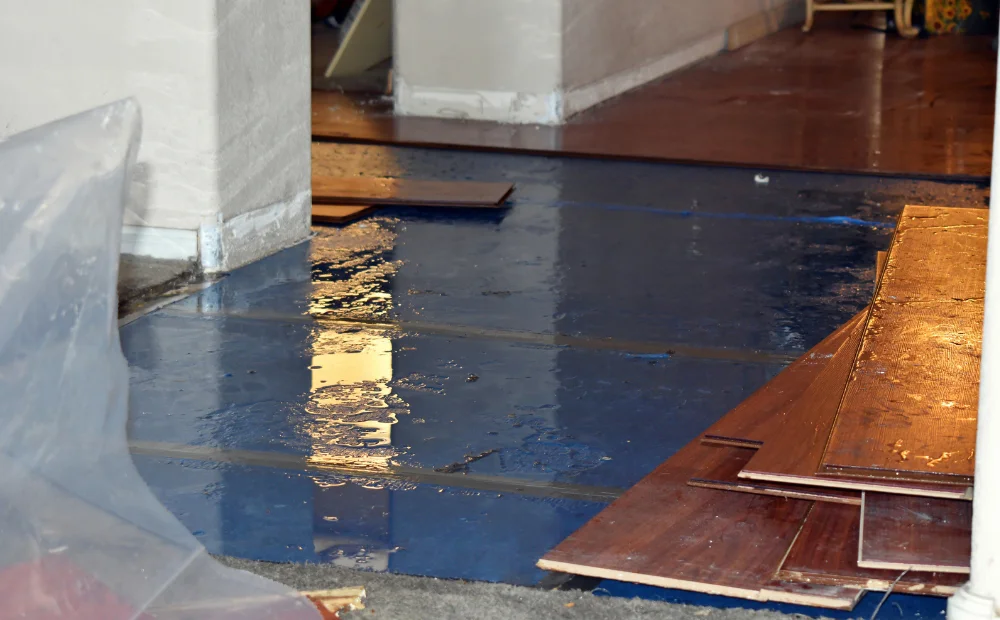
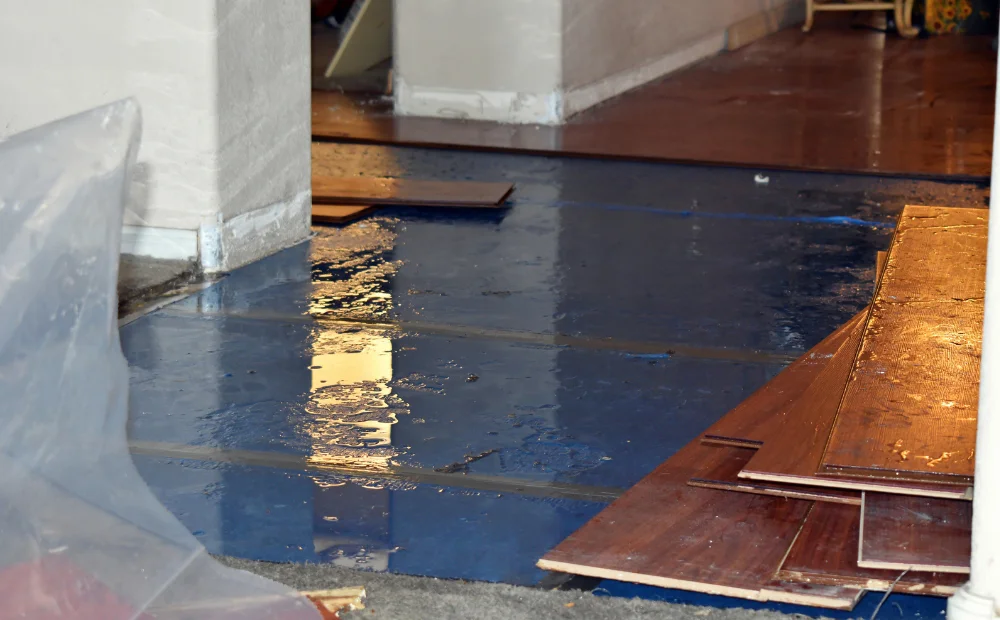
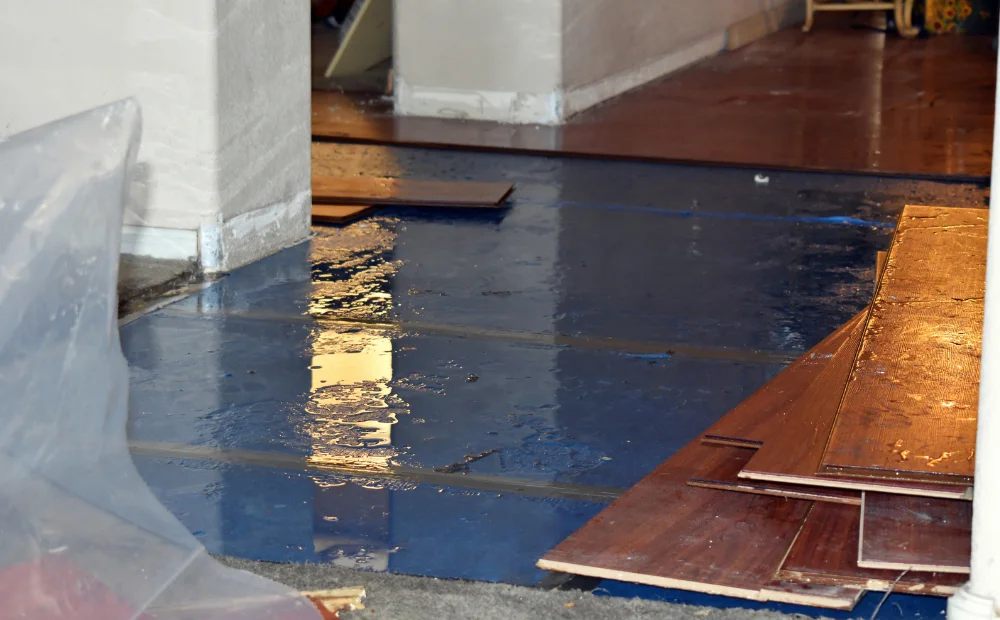
If you’ve recently experienced property damage from fire, water, wind, or another covered loss, seeing multiple names on your settlement check can add to an already stressful situation. You’re dealing with repairs, displaced family members or business operations, and now a check that seems more complicated than it should be.
The insurance claims process is confusing enough without wondering why someone else’s name is on your money. But understanding what is a public adjuster on a check and why they’re listed is simpler than you might think—and it’s actually designed to protect you, not complicate your life.
When you hire a public adjuster to represent your interests during a property insurance claim, they become your advocate. They inspect the damage, document every detail, interpret your policy language, prepare estimates, and negotiate with your insurance carrier to secure a fair settlement. Because their work directly influences the final payout amount, state regulations and contractual agreements require insurance companies to acknowledge this relationship on settlement checks.
This isn’t about control or limiting your access to funds. It’s about transparency, legal compliance, and ensuring everyone involved in resolving your claim is properly compensated for their work. At Hudson Douglas Public Adjusters, we’ve spent over 40 years helping Arizona homeowners and commercial property owners steer this exact process. We’re a local, family-owned business that understands the unique challenges of property damage claims in our state—and we know that clear communication matters, especially when you’re already overwhelmed.
What is a public adjuster on a check terms to remember:
Understanding the Basics: The Role of a Private Advocate
When your home or business in Arizona suffers damage, your first thought is likely about repairs and recovery. Dealing with your insurance company can quickly become a complex, time-consuming process. This is where a public adjuster steps in as your private advocate. We are licensed professionals who work exclusively for you, the policyholder, to help settle your first-party property damage claims. Our role is to level the playing field, ensuring you receive the maximum possible settlement you’re entitled to under your policy.
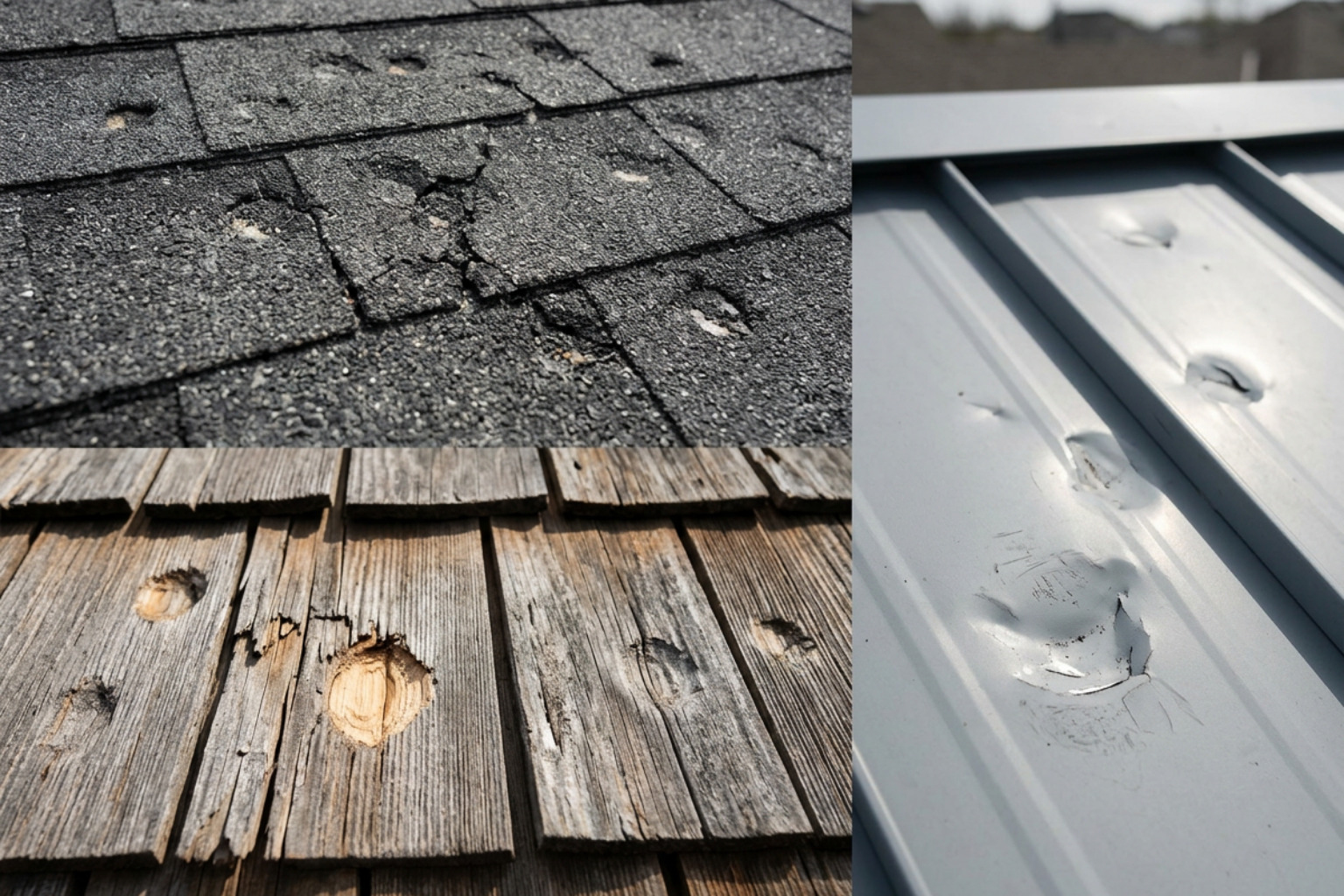
We carefully assess all damage, from the obvious to the hidden, whether it’s caused by fire, water, wind, or other perils common in Arizona. This includes detailed documentation of all losses, interpreting the often-complex language of your insurance policy, preparing comprehensive estimates, and negotiating directly with your insurance carrier. Our goal is always to relieve your stress and steer the intricacies of the claim process on your behalf, so you can focus on getting your life or business back on track.
Our commitment to policyholders is also upheld by professional organizations like the National Association of Public Insurance Adjusters (NAPIA). NAPIA sets high ethical standards and provides continuing education, ensuring public adjusters are knowledgeable and act in your best interest. As a family-owned and operated Arizona business with over 40 years of expertise, we pride ourselves on adhering to these standards, providing trustworthy and effective advocacy for our local community members.
The Difference Between Company and Public Adjusters
To truly understand what is a public adjuster on a check, it’s crucial to distinguish between the different types of adjusters you might encounter during a claim.
When you file a claim, your insurance company will assign an adjuster, often called a “company adjuster” or a “staff adjuster.” This individual is an employee of your insurance carrier, and their primary responsibility is to protect the interests of their employer. They are paid by the insurance company to assess your damages and determine a payout amount that aligns with the company’s financial objectives.
Sometimes, insurance companies also hire “independent adjusters.” These are third-party contractors, but they are still hired and paid by your insurance company. Their allegiance, like that of a company adjuster, remains with the insurer.
We, as public adjusters, are fundamentally different. We are the only type of adjuster who works solely for you, the policyholder. Our allegiance is 100% to your interests. We are paid by you (from the settlement, not out of pocket), and our objective is to maximize your claim, not minimize it. We assess the damage from your perspective, ensuring every detail is accounted for and that your policy is interpreted to your benefit. This policyholder-first approach ensures that you have an expert on your side, advocating for a fair and complete settlement.
Many policyholders in Arizona find that the cost of not hiring a public adjuster can be far greater than our fee. Without an advocate, it’s easy for damages to be overlooked, policy language to be misinterpreted, or claim values to be underestimated, potentially leaving you with an underpaid claim that doesn’t fully cover your recovery needs. You can learn more about the potential cost of not hiring a public adjuster and how we help homeowners receive fair settlements.
Understanding What is a Public Adjuster on a Check
Seeing multiple names on your insurance settlement check can be a moment of confusion. But for us, it’s a clear indication that we’ve successfully advocated for your claim, and the insurance company is fulfilling its obligation to acknowledge our role. What is a public adjuster on a check is about financial transparency and legal safeguard. When our name appears as an additional payee, it’s because we’ve submitted a Letter of Representation to your insurer, formally establishing our role as your representative. This letter informs the insurance company that all communications and settlement negotiations must go through us, and it also secures our right to be compensated for our services directly from the settlement.
This practice protects our financial interest, ensuring that once we’ve successfully negotiated a fair settlement on your behalf, our agreed-upon fee is secured. It also provides a clear paper trail for all parties involved, demonstrating how the settlement funds are being disbursed. It’s not about us taking your money; it’s about the insurance company recognizing our integral role in resolving your claim and our contractual right to payment.
Defining what is a public adjuster on a check and why they are listed
The inclusion of a public adjuster’s name on a settlement check is a standard procedure that stems from the contractual agreement between you and us. When you engage our services, you sign a contract that outlines our responsibilities and how we are compensated. This contract, combined with the Letter of Representation, legally binds the insurance company to include us as a co-payee on any checks issued for your claim.
This ensures that the settlement proceeds are handled transparently and that our fee, typically a percentage of the total recovery, is accounted for directly from the payout. It prevents situations where, after a successful claim resolution, there might be disputes over our compensation. For you, this means peace of mind, knowing that our payment is directly tied to the success of your claim, and that you won’t need to pay us out-of-pocket.
Here’s a simplified comparison of payee types on insurance checks:
| Payee Type | Role on Check | Purpose |
|---|---|---|
| Policyholder | Always listed | Primary recipient of claim funds |
| Public Adjuster | Listed as co-payee (if hired) | Secures agreed-upon fee for services rendered |
| Mortgagee/Lender | Listed as co-payee (if applicable) | Protects their financial interest in the insured property |
| Contractor | Rarely listed (unless specific agreement) | Usually paid directly by policyholder after work is done |
The legal requirements for what is a public adjuster on a check in settlement payouts
The legal framework surrounding what is a public adjuster on a check varies slightly by state, but the core principle remains consistent: to protect all parties with a financial interest in the claim. In Arizona, as in many states, public adjusters operate under specific regulations designed to ensure fair practices and transparency.
A key aspect often involves the presence of a mortgagee or lender on the property. If your property has a mortgage, the lender typically has a financial interest in the property and is often listed as a co-payee on insurance checks to protect their investment. In such cases, the process for disbursing funds can become more intricate, as both the policyholder, the public adjuster, and the mortgagee must endorse the check.
For instance, some state regulations, like New York’s Reg. 10 (though not directly applicable to Arizona, it illustrates a common principle), dictate how public adjuster fees are handled when a mortgagee is involved. An opinion from the Office of General Counsel regarding a public adjuster’s fee check with a mortgagee as payee clarifies that an adjuster’s fee check may be issued solely to the public adjuster only if the insured requests it and the mortgagee’s interest would be satisfied by the balance of the claim, or if both the insured and mortgagee agree. This highlights the importance of clear, written agreements and understanding all parties’ rights.
At Hudson Douglas Public Adjusters, we ensure all written agreements with our Arizona clients are transparent, compliant with state regulations, and clearly outline how our compensation will be handled, always keeping your best interests and any third-party financial interests (like lenders) in mind. This meticulous approach minimizes complications when the settlement check arrives.
How Public Adjuster Compensation Impacts Your Payout
One of the most common questions we hear from Arizona property owners is about our fees. It’s a natural concern, and we believe in complete transparency. Our compensation model is straightforward and designed to align our success with yours: we work on a contingency fee basis. This means we only get paid if you get paid. There are no upfront costs, no hourly fees, and no out-of-pocket expenses for you. Our fee, which for Hudson Douglas is 12% of the total settlement, is paid directly from the funds we recover from your insurance company.
This compensation structure motivates us to maximize your claim. The higher your settlement, the higher our fee, ensuring we are always pushing for the best possible outcome for you. Studies have consistently shown that policyholders who hire a public adjuster often receive significantly higher settlements than those who don’t. For example, a report from the Florida Association of Public Insurance Adjusters (FAPIA) found that homeowners who hired their own adjuster for catastrophe claims typically received a higher payout. While this specific study is from Florida, its findings reflect a nationwide trend: expert advocacy often leads to better results.
Our extensive experience helping policyholders throughout Arizona, from Paradise Valley to Prescott, has shown us time and again the value we bring. We ensure that every aspect of your damage is assessed and valued correctly, leading to a more comprehensive and ultimately higher payout. This means that even after our fee, you often end up with more money to rebuild and recover than if you had handled the claim yourself. We’re here to provide expert insurance claim help in Arizona, ensuring you get what you’re rightfully owed.
Negotiating Fees and Contract Terms
When considering a public adjuster, understanding their fee structure and contract terms is paramount. Our fee at Hudson Douglas Public Adjusters is 12% of the settlement. This percentage is competitive and falls within typical industry ranges, which can vary, but often range from 10% to 15% depending on the complexity and size of the claim, and state regulations.
We ensure that all our contracts are clear, concise, and fully compliant with Arizona state regulations. These contracts include full disclosure of our compensation, our responsibilities, and your rights as the policyholder. We believe in empowering you with information, not overwhelming you with jargon.
It’s also important to be aware of your cancellation rights. Many states, including Arizona, provide a specific period during which you can cancel a contract with a public adjuster without penalty. We will always discuss these rights with you upfront, ensuring you feel comfortable and confident in your decision to work with us. Our goal is to be your trusted partner throughout this process, offering clear guidance and steadfast support. We have extensive experience assisting homeowners with public adjuster services, ensuring their interests are protected.
Navigating the Check Endorsement and Deposit Process
Once your claim is settled and the insurance company issues a check, the next step is the endorsement and deposit process. This is where what is a public adjuster on a check becomes a practical reality. When we are listed as a co-payee, alongside you and potentially your mortgage company, all listed parties must endorse the check for it to be deposited.
If you have a mortgage on your property, your lender will almost certainly be named as a co-payee. This is standard practice to protect their financial interest in the property. They will typically require all listed parties to sign the check and may also require you to send the check to them first. They might then place the funds into an escrow account and disburse them as repairs are completed, to ensure their collateral is being restored. This can sometimes add an extra layer to the process, but it’s a routine part of managing claims for mortgaged properties.
We work closely with you and your mortgage company to facilitate this process, ensuring all necessary endorsements are obtained and the funds are disbursed efficiently. Our aim is to prevent unnecessary delays and to help you understand each step. In many states, there are regulations around disbursement timelines, such as requiring funds to be disbursed within a certain number of business days (e.g., 15 business days) once received by the public adjuster. We adhere to all such regulations to ensure your funds are handled promptly and correctly. We are an experienced property damage help company and guide you through every step.
Handling Multiple Payees and Banks
The presence of multiple payees on an insurance check can sometimes complicate the deposit process, especially when multiple banks or institutions are involved. If your mortgage company is a co-payee, they have specific lender rights and requirements that must be met before funds are released. This often involves their own endorsement process and potentially oversight of the repair work.
Banks also have their own protocols for checks with multiple payees, often requiring all listed individuals or entities to provide joint signatures in person or through certified mail. We assist our Arizona clients by coordinating with all parties—you, your lender, and the bank—to ensure a smooth endorsement and deposit. We understand that this can feel like a bureaucratic hurdle, but our experience helps streamline it. We never ask for a power of attorney to sign your check; your signature and involvement are always required.
We are always available to provide a public adjuster free consultation to discuss these processes and any questions you might have about your claim or settlement check.
Choosing a Reputable Local Advocate for Your Claim
When your property in Arizona has suffered damage, choosing the right public adjuster is a critical decision. You need someone knowledgeable, trustworthy, and deeply familiar with the local landscape and insurance realities. We recommend starting your search by verifying licenses. All public adjusters must be licensed by the state, and you can often check their credentials through your state’s department of insurance or through professional organizations like NAPIA. The National Association of Public Insurance Adjusters (NAPIA) offers a referral service to help you find licensed professionals.
As a family-owned and operated business, our roots run deep in Arizona. We’ve been serving communities like Paradise Valley, Gilbert, Scottsdale, and Prescott for over 40 years. This local presence means we understand the unique challenges and types of property damage common in our state, from monsoon storm damage to issues related to our arid climate. We also pride ourselves on our bilingual support, fluently communicating with our clients in both English and Spanish to ensure clear understanding and full support for all.
When choosing a public adjuster, always ask for references and speak to past clients about their experiences. Look for adjusters who demonstrate ethical conduct, transparency in their fees and processes, and a genuine commitment to policyholder advocacy. Our reputation is built on trust and results, and we are always happy to share testimonials from our satisfied clients. We believe that choosing a local, family-oriented business like ours means choosing a partner who genuinely cares about your recovery and will stand by you every step of the way.
Frequently Asked Questions
Can I remove a public adjuster’s name from my check?
Once you’ve signed a contract and a Letter of Representation with a public adjuster, your insurance company is legally obligated to include their name on the settlement check as a co-payee. This is a contractual right and a mechanism to secure their payment for services rendered. Removing their name would typically require a renegotiation of your contract with the public adjuster or, in rare cases, legal intervention if there’s a dispute over services or fees. If you’re unhappy with a public adjuster’s services, your first step should be to communicate your concerns directly with them. Your contract should also outline dispute resolution processes and cancellation rights.
Does hiring an adjuster delay my payment?
This is a common concern, but in our experience, hiring a public adjuster often leads to a more accurate and ultimately faster fair settlement, even if the initial process takes a bit longer due to thorough documentation. Insurance companies sometimes suggest that public adjusters cause delays because they want to control the process and minimize payouts. However, a public adjuster brings expertise in documentation quality, detailed damage assessment, and negotiation strategies that can prevent claim underpayment or denial, which would cause far greater delays and frustration for you. While we carefully prepare your claim, we also understand the urgency of your situation and work diligently to expedite a fair resolution. Our goal is not just speed, but accurate and complete recovery.
What if the check isn’t enough to cover my repairs?
If you receive a check from your insurance company, whether or not a public adjuster was involved, and you believe it’s insufficient to cover your repairs, you have rights. This is a common scenario, especially when policyholders handle claims themselves. If you haven’t hired us yet, this is precisely when we can step in. We can review your policy, reassess the damages, and often file a supplemental claim on your behalf. If there’s a significant dispute over the amount, your policy may contain an “appraisal clause,” which is a formal process to resolve disagreements on the value of the loss. We can guide you through this process, ensuring all damages are accurately accounted for and you receive the money needed to properly restore your property. Depositing a check does not always mean you forfeit your right to claim additional funds, especially if you have not signed a full and final release. We always advise our clients to consult with us before depositing any settlement check that seems inadequate.
Conclusion
Navigating property damage claims in Arizona can be overwhelming, but understanding what is a public adjuster on a check is a step toward clarity and confidence. It signifies that an expert advocate has been by your side, working to secure the fair settlement you deserve. At Hudson Douglas Public Adjusters, we are proud to be that advocate for homeowners and commercial property owners across Arizona, from Chandler to Cave Creek.
As a family-owned and operated business with over 40 years of experience, we bring a steady hand and deep local knowledge to every claim. We work solely for you, ensuring every detail of your damage is documented, your policy is understood, and your settlement is maximized—all with no upfront fees and our compensation coming directly from the insurance payout. Our commitment to transparent, ethical, and effective advocacy means you can focus on rebuilding your life or business, knowing your claim is in expert hands.
If you’re facing property damage and need a trusted partner to guide you through the insurance claims process, we’re here to help. Reach out to us for a consultation, and let us put our experience to work for you.
Contact Us today to discuss your claim, or learn how we handle fire and smoke damage claims—a common peril we help Arizona policyholders recover from.