When Property Damage Strikes: Your First Steps Matter
An insurance claim for property damage starts the moment disaster strikes your home or business. Whether it’s fire, water, wind, or theft, the steps you take in the first hours and days will shape your entire recovery.
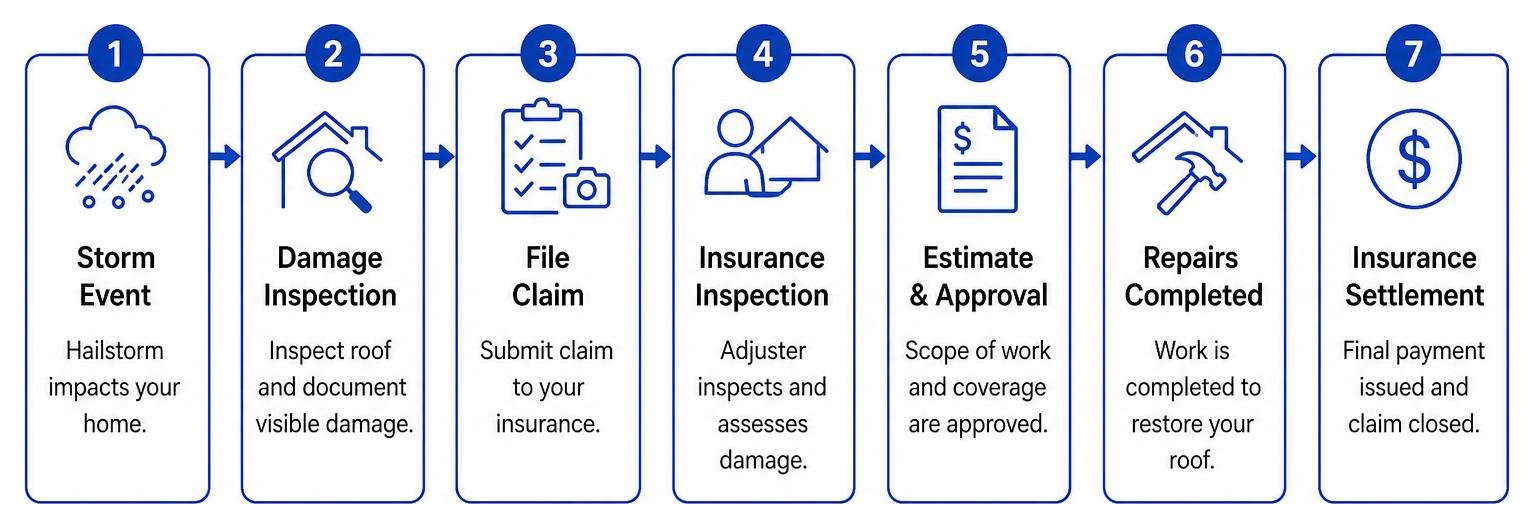
Here’s how to file a property damage insurance claim:
- Secure the property – Prevent further damage with temporary repairs
- Document everything – Take photos and videos of all damage
- Notify your insurer – Report the claim as soon as possible (most policies require notice within 90 days to 12 months)
- Review your policy – Understand your coverage, deductibles, and exclusions
- Meet with the adjuster – Provide documentation and answer questions
- Review the settlement – Evaluate the offer and negotiate if needed
- Complete repairs – Choose your contractor and finalize the claim
The process sounds straightforward. But many Arizona property owners find it’s anything but simple.
Insurance policies are complex documents filled with terms like “actual cash value,” “replacement cost,” and “proof of loss.” Adjusters work for the insurance company, not for you. And the burden of proving your loss falls entirely on your shoulders.
According to the Insurance Information Institute, the average homeowners insurance claim for water damage cost $11,090 in 2022. Fire damage averaged $15,100. These aren’t small numbers. A mistake in documentation, a missed deadline, or an undervalued estimate can cost you thousands.
That’s why we created this guide. As a family-owned Arizona public adjusting firm, we’ve helped hundreds of property owners steer this process. We’ve seen what works, what doesn’t, and what the insurance companies don’t tell you upfront.
This article walks you through the entire property damage claim process from start to finish. You’ll learn what to do immediately after damage occurs, how to read your policy, what documentation you need, and when to push back on a low settlement offer.
Whether you’re dealing with storm damage in Phoenix, a burst pipe in Tucson, or fire damage anywhere in Arizona, this guide gives you the knowledge to protect your rights and maximize your recovery.

Essential insurance claim for property damage terms:
First Steps After Property Damage: Secure, Document, and Notify
When your home or business in Arizona suffers damage, the moments immediately following the incident are crucial. Taking the right initial steps can significantly impact the success of your insurance claim for property damage.
Safety First
Before anything else, ensure the safety of yourself, your family, employees, or anyone on the property. If there’s any doubt about structural integrity, gas leaks, electrical hazards, or other dangers, evacuate immediately and contact emergency services. Your well-being is always the top priority.
Mitigate Further Damage
Once it’s safe, your policy requires you to take “reasonable steps” to prevent further damage to your property. This is called mitigation, and it’s a critical step. For example, if your roof is damaged, cover it with a tarp. If a pipe bursts, turn off the water supply. If a window is broken, board it up. Keep all receipts for materials and temporary repairs, as these costs are often reimbursable under your policy. Failing to mitigate can lead to your insurance company denying coverage for any subsequent damage that could have been prevented.
Documenting the Scene
This is arguably the most vital step after ensuring safety and mitigating further harm. You need to create a comprehensive record of the damage.
- Photos and Videos: Use your smartphone or a camera to take extensive photos and videos of all damaged areas and items. Capture wide shots to show the overall scene and close-ups to detail specific damage. Don’t forget to photograph items that might seem minor – every detail counts. Take pictures from different angles and with good lighting.
- Creating a Home Inventory: While it’s best to have a home inventory before a loss occurs, if you don’t, start creating one now. List all damaged, destroyed, or stolen items. Include descriptions, estimated values, and, if possible, attach proofs of purchase, receipts, manuals, or warranties. This list will be essential for your “proof of loss” later. Don’t dispose of damaged items unless they pose a health hazard or safety risk, and always confirm with your insurer first.
Notifying Your Insurance Company
Contact your insurance agent, broker, or company as soon as possible to report the damage. Most insurance companies have time limits within which you must submit your claim, typically ranging from 90 days to 12 months from the date of the loss. Prompt notification is key, even if you don’t have all the details yet. Just be sure to follow up with additional information as you gather it.
When you call, be prepared with:
- Your name, address, and telephone number.
- Your policy number.
- The type of property damage (e.g., wind, water, fire, theft).
- A brief description of the damage to your home or personal property.
Even if you don’t have all the information, it’s important to file immediately so the process can begin. For more insights on common missteps, review our guide on Common Property Damage Claim Mistakes. For general guidance on filing, the Insurance Information Institute offers a helpful overview.
Understanding Your Policy and What’s Covered
Navigating your insurance claim for property damage effectively means understanding the details of your insurance policy. This document is the contract between you and your insurer, outlining what is covered, what isn’t, and your responsibilities.
Reading Your Policy
Don’t let the legal jargon intimidate you. Focus on key sections:
- Policy Declarations Page: This is the summary, showing your coverage limits, deductibles, and the types of coverage you have (e.g., dwelling, personal property, additional living expenses).
- Deductibles: This is the amount you pay out-of-pocket before your insurance coverage kicks in. For example, if you have a $1,000 deductible and $10,000 in covered damage, the insurer will pay $9,000.
- Policy Exclusions: These are specific events or types of damage that your policy does not cover. Understanding these is crucial to avoid surprises later.
Replacement Cost (RC) vs. Actual Cash Value (ACV)
One of the most important distinctions in your policy is how your personal property and sometimes even your dwelling will be valued after a loss.
- Replacement Cost (RC): This coverage pays the cost to repair or replace damaged property with new items of similar kind and quality, without deducting for depreciation. This means if your 10-year-old roof needs replacement, an RC policy would cover the cost of a brand-new roof. For personal property, it means replacing your old couch with a new one.
- Actual Cash Value (ACV): An ACV policy pays the current market value of the damaged item at the time of loss. This means the replacement cost minus depreciation (the decrease in value due to age, wear and tear, and obsolescence). So, that 10-year-old roof would only be covered for a fraction of its replacement cost. Similarly, your old couch would be valued at what a used couch in similar condition would fetch.
For most homeowners, Replacement Cost coverage offers better protection, as it helps you return to your pre-loss condition without significant out-of-pocket expenses due to depreciation.
What Your Homeowners Insurance Typically Covers
Most standard homeowners insurance policies, including those here in Arizona, cover direct physical loss to your dwelling, other structures, and personal property caused by certain “perils.” These commonly include:
- Fire & Smoke Damage: From accidental kitchen fires to wildfires, this is a core coverage.
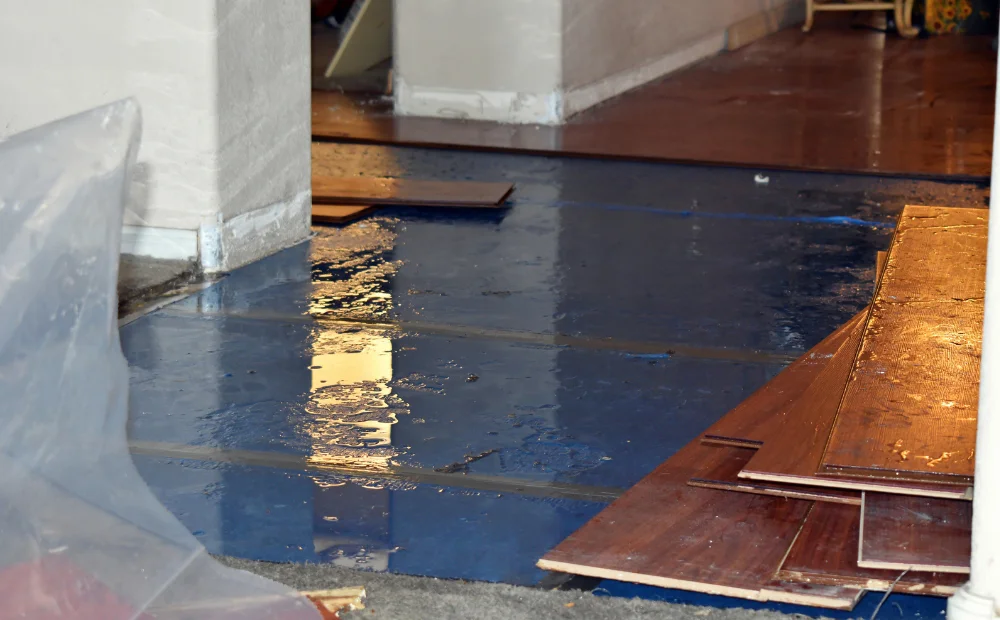
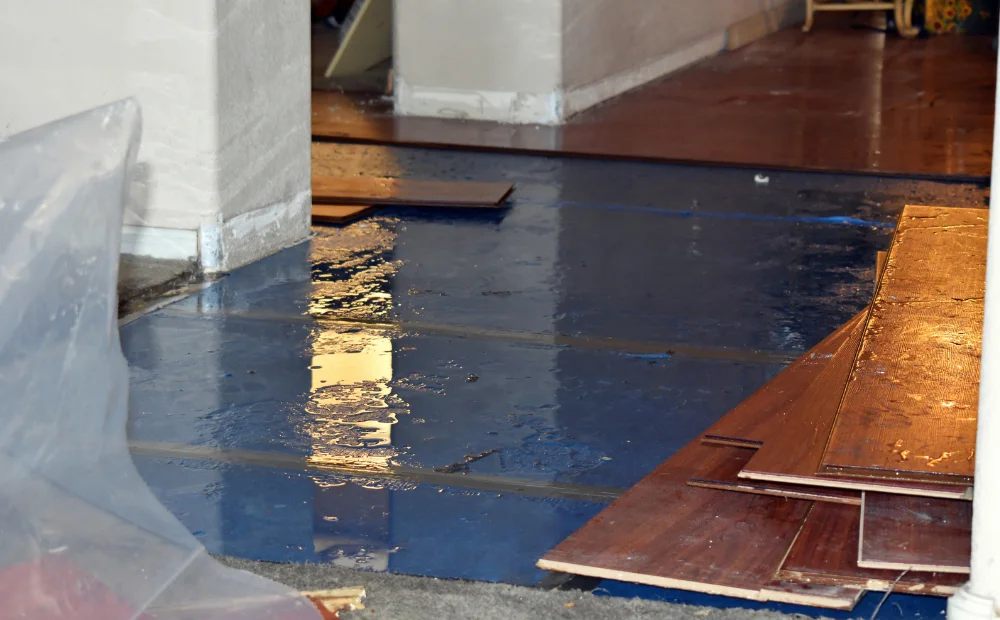
- Water Damage: Typically covers damage from sudden and accidental events like burst pipes, overflowing appliances, or a leaking roof. (Note: This is different from flood damage, discussed below). Learn more about navigating a burst pipe insurance claim or general water damage insurance claim tips.
- Wind & Tornado Damage: Common in many parts of Arizona during monsoon season, this covers damage from high winds, including fallen trees.
- Theft & Vandalism: If your property is burglarized or vandalized, these losses are typically covered. Remember to report any such incidents to the police immediately and obtain a police report.
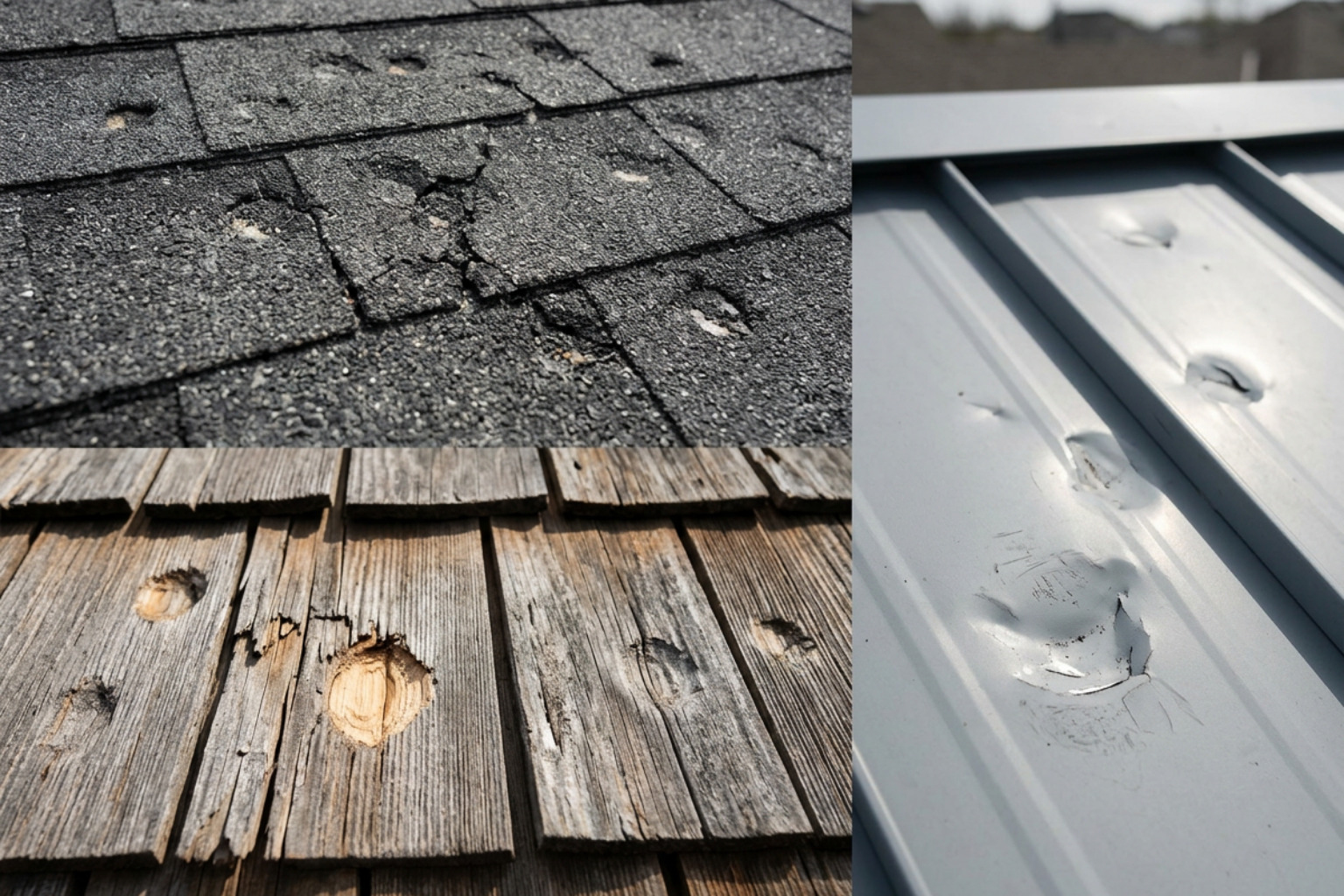
- Hail & Roof Damage: Hailstorms can cause significant damage to roofs, siding, and other exterior elements.
Common Exclusions and What’s NOT Covered
Just as important as knowing what’s covered is understanding what typically isn’t. Standard homeowners policies usually exclude:
- Flood Damage: This is a major exclusion. Damage from rising water from a river, heavy rain, or storm surge is not covered by standard homeowners insurance. Separate flood insurance, often through the National Flood Insurance Program (NFIP), is required. Understanding the difference between Flood Damage vs. Water Damage Arizona is crucial.
- Earth Movement: Earthquakes, landslides, and mudslides are generally excluded. Separate earthquake insurance is available.
- Wear and Tear, Deterioration, and Maintenance Issues: Insurance covers sudden, accidental losses, not damage that occurs gradually over time due to lack of maintenance, age, or poor workmanship. This includes rot, mold from long-term leaks, or damage from pests.
- Sewer Back-up (without endorsement): While some water damage is covered, damage from sewer or drain back-up often requires a specific endorsement to your policy.
Understanding Additional Living Expenses (ALE) / Loss of Use
If your Arizona home becomes uninhabitable due to a covered loss, your policy’s Additional Living Expenses (ALE) or “Loss of Use” coverage can be a lifesaver.
- What ALE Covers: ALE covers the increase in your living costs while your home is being repaired or rebuilt. This isn’t meant to cover all your expenses, but rather the extra costs incurred above your normal living expenses.
- Temporary Housing: This includes the cost of a hotel, rental home, or other temporary accommodation.
- Food and Other Costs: It can also cover increased food expenses (e.g., eating out more), laundry services if your temporary housing lacks facilities, and even extra transportation costs.
- Keeping Receipts: It’s absolutely vital to keep meticulous records and receipts for all additional expenses you incur. Your insurer will require proof of these costs for reimbursement.
This coverage is designed to help you maintain your normal standard of living as much as possible during a difficult time. For more information, check out our article on Loss of Use Property Damage.
Navigating the Insurance Claim for Property Damage Process
Once you’ve secured your property, documented the damage, and notified your insurer, you’re officially in the claims process. This phase involves inspections, assessments, and communication that can feel overwhelming without guidance.
The Key Players: Who’s Who in Your Claim
Understanding who does what can clarify the process significantly.
- Your Role as the Policyholder: Your primary responsibility is to provide accurate information, cooperate with the investigation, and document your losses thoroughly. You are the one who bears the burden of proving your loss to the insurance company.
- The Insurance Company’s Adjuster: This individual is assigned by your insurance company to investigate your claim. Their role is to assess the damage, determine coverage, and ultimately recommend a settlement amount to their employer – the insurance company. While they may seem helpful, it’s important to remember they represent the insurer’s interests, which are often to minimize payouts to protect their financial exposure.
- The Role of a Public Adjuster: This is where we come in. A public adjuster like Hudson Douglas works exclusively for you, the policyholder. We are independent experts who interpret your policy, document your losses, prepare detailed estimates, and negotiate with your insurance company on your behalf. Our goal is to ensure you receive the full and fair settlement you are entitled to under your policy, balancing the scales against the insurance company’s resources. We handle the hassles, headaches, demands, and deadlines, allowing you to focus on getting your life back to normal. For a deeper dive, read our comparison: Public Adjuster vs. Insurance Adjuster.
Required Documentation for Your Property Damage Claim
The more thorough your documentation, the stronger your insurance claim for property damage will be.
- Detailed Inventory of Losses: A comprehensive list of all damaged, destroyed, or stolen items, including descriptions, quantities, and estimated values.
- Receipts and Proofs of Purchase: Any available receipts, credit card statements, or photos that prove ownership and value of lost or damaged items.
- Contractor Estimates: Obtain written estimates from reputable, licensed contractors for repairs to your dwelling and other structures. These estimates help substantiate the cost of repairs.
- Police Reports for Theft/Vandalism: If a crime occurred, the official police report is essential.
- Communication Logs: Keep a detailed log of every conversation you have with your insurance company, their adjuster, and any contractors. Note dates, times, names, and a summary of the discussion. Make copies of all correspondence.
For additional guidance on documentation, resources like the Residential Property Claims Guide offer valuable insights into what to prepare.
The Settlement: Cash Payout vs. Preferred Contractors
Once the damage is assessed, your insurance company will propose a settlement. You typically have options regarding how repairs are handled.
- Your Right to Choose: You have the right to choose your own contractor for repairs. You are not obligated to use a contractor recommended by your insurance company. We often advise our Arizona clients to get multiple bids from local, reputable contractors they trust.
- Pros and Cons of Cash Settlement: You can opt for a cash settlement, which gives you the flexibility to hire your own contractor, use the funds for repairs, or even allocate them towards a larger renovation project. However, if you choose your own contractor, the insurance company will estimate the damage, and if your chosen contractor charges a different price, you might be responsible for the difference. Also, contractors hired directly via cash settlement may not offer the same guarantees on their work as those within an insurer’s network.
- Using the Insurer’s Network: Many insurance companies have “preferred contractor” networks. While this can streamline the process, remember these contractors often have existing relationships with the insurer, which may not always align with your best interests for a full and complete repair.
- Understanding the Settlement Check: For dwelling repairs, the check might be made out to both you and your mortgage lender. This is standard practice, as the lender has a financial interest in the property. You’ll likely need their endorsement before funds can be released for repairs. For personal property, payments are typically made directly to you.
What to Do When Your Claim is Delayed, Denied, or Underpaid
It’s a frustrating reality that not all insurance claim for property damage processes go smoothly. Delays, denials, and underpayments are common challenges policyholders face. But don’t despair – you have options.
Common Reasons for Denial
Insurance companies deny claims for various reasons, some legitimate, others less so. Common reasons include:
- Damage Not Covered: The peril isn’t listed in your policy, or it’s specifically excluded (e.g., flood damage).
- Lack of Documentation: Insufficient proof of loss or improper documentation of damages.
- Failure to Mitigate: You didn’t take reasonable steps to prevent further damage.
- Policy Violation: Misrepresentation on your initial application, failure to notify the insurer of significant changes, or non-payment of premiums.
- Disagreement on Cause: The insurer’s adjuster believes the damage was caused by an uncovered event (e.g., wear and tear vs. sudden damage).
Disagreeing with the Settlement Offer
If the settlement offer you receive seems too low, don’t accept it immediately.
- Reviewing the Adjuster’s Estimate: Carefully compare the insurance adjuster’s estimate with your own contractor’s bids. Look for discrepancies in materials, labor costs, scope of work, and hidden damages that may have been overlooked.
- Getting a Second Opinion: Obtain estimates from multiple independent, licensed contractors in Arizona. This can provide leverage in negotiations and highlight what the insurance company’s estimate might be missing.
- Negotiation Tactics: Present your evidence (photos, videos, contractor estimates, inventory) clearly and concisely. Point out specific areas where the insurer’s estimate is inadequate. Be firm but polite. For more insights on this, read our article on Signs Your Insurance Company Underpaid Your Claim.
Handling a Denied Property Damage Claim
A denied claim can feel like a dead end, but it’s often just another hurdle.
- Requesting Denial in Writing: Always ask for the denial letter in writing. This letter must state the specific reasons for the denial and refer to the exact policy language that supports their decision.
- Reviewing Your Policy Again: With the denial letter in hand, carefully review your policy. Does their reasoning truly align with your policy’s terms?
- Escalating Within the Insurance Company: You can appeal the decision internally. Contact the claims manager, and if necessary, escalate to a claims executive at the company’s headquarters. Clearly present your case, supported by your documentation. For specific guidance on water damage denials, our Denied Water Damage Claim Guide can be very helpful.
When to Get Professional Help
While it’s empowering to understand the process, there are times when professional assistance becomes invaluable.
- When a Public Adjuster is Necessary: Consider hiring a public adjuster if you’re facing a complex claim, a large loss, or if you suspect your claim is being unfairly delayed, denied, or underpaid. If your insurer is acting in “bad faith” – engaging in unfair claims handling practices – a public adjuster can be your strongest advocate.
- Complex Claims & Large Losses: The bigger the damage, the more intricate the claim. Fire, major storm damage, or extensive water damage can involve numerous complexities that are difficult for a property owner to manage alone.
- Signs of Bad Faith: If communication stalls, adjusters change frequently, deadlines are missed by the insurer, or settlement offers are drastically low without clear justification, these could be signs you need an expert on your side.
- The Value of an Advocate: A public adjuster works solely for you, ensuring your interests are paramount. We handle the entire claims process, from documentation and estimation to negotiation, taking the stress off your shoulders. For homeowners, learning more about a Public Adjuster for Homeowners can be a game-changer.
Frequently Asked Questions about Property Damage Claims
We understand you have questions, especially when navigating a stressful insurance claim for property damage. Here are some of the most common ones we hear from our Arizona clients.
How long does a home insurance claim typically take?
The duration of a home insurance claim can vary significantly, ranging from a few weeks to several months, or even longer for very complex cases. Several factors influence the timeline:
- Complexity of the Claim: Simple, small claims with clear damage and immediate agreement on costs often resolve faster. Large losses (like fire or extensive storm damage) involve more extensive assessments, multiple contractors, and potentially more negotiation, extending the timeline.
- Extent of Damage: The more widespread and severe the damage, the longer it will take to thoroughly inspect, estimate, and agree upon repairs.
- Documentation: How quickly and thoroughly you provide all requested documentation can speed up or slow down the process.
- Insurer’s Workload: During widespread disasters (like a major Arizona monsoon storm), insurance companies may be overwhelmed with claims, leading to delays.
While some simple claims might be resolved in days, it’s more realistic to expect weeks or even months for a typical claim. Having a public adjuster on your side can help keep the process moving efficiently and ensure deadlines are met.
Will filing a claim make my insurance premium go up?
It’s a common concern, and the answer is: it might. Filing an insurance claim for property damage doesn’t automatically mean your premiums will increase, but it is a possibility. Several factors contribute to this decision by your insurer:
- Claim History: Multiple claims over a short period are more likely to result in a premium increase.
- Cost of the Claim: Very expensive claims might have a greater impact.
- Type of Claim: Some types of claims (e.g., water damage) might be viewed differently than others.
- Your Insurer’s Policies: Each insurance company has its own underwriting guidelines.
- Market Conditions: Overall insurance market trends and the frequency of claims in your area (like Arizona’s storm season) can also play a role.
It’s always best to discuss this with your insurance agent. They can provide insights into your specific policy and potential impacts.
How can I make a claim on an old or lost insurance policy?
Making a claim on an old or lost property insurance policy can be challenging, but not impossible. While Hudson Douglas focuses on current property claims, here are some general steps if you find yourself in this situation:
- Check Old Records: Look through any old files, bank statements, mortgage documents, or legal paperwork for policy numbers, insurer names, or agent contact information.
- Contact Previous Mortgage Lenders: If you had a mortgage on the property at the time of the loss, your lender would have required insurance and might have records of the policy.
- State Insurance Departments: Your state’s Department of Insurance (for Arizona, the Arizona Department of Insurance and Financial Institutions) might have records or resources to help you locate old policies, especially if the insurer is no longer in business.
- Professional Help: For life and health insurance policies, organizations like the OmbudService for Life and Health Insurance (OLHI) can assist in searching for lost policies. While this specific resource is for life and health, the principle of using industry bodies to help trace old policies can be applied to property insurance through similar state-level channels or through a public adjuster who has experience in such research.
Conclusion: Taking Control of Your Property Claim Recovery
Experiencing property damage is undoubtedly stressful, but facing the insurance claims process doesn’t have to be a second disaster. By understanding your policy, carefully documenting your losses, and knowing your rights, you can take control of your recovery.
You are not alone in this journey. The complexities of insurance policies and the often-daunting task of negotiating with large insurance companies can leave many property owners feeling overwhelmed and underrepresented. This is where the value of an advocate becomes clear.
As a family-owned and operated Arizona firm, Hudson Douglas Public Adjusters is deeply rooted in the communities we serve, from Paradise Valley to Prescott, and from Gilbert to Goodyear. We understand the unique challenges Arizona homeowners and commercial property owners face, whether it’s monsoon wind damage, fire devastation, or unexpected water leaks. We pride ourselves on providing a calm, steady, and knowledgeable hand to guide you through these difficult times.
We work solely for you, the policyholder, with no upfront fees. Our compensation, typically 12% of the payout, comes only after we successfully secure your settlement, ensuring our goals are perfectly aligned with yours. We are committed to maximizing your insurance claim for property damage so you can rebuild, repair, and recover fully. Our team communicates fluently in both English and Spanish, ensuring all our clients are fully supported every step of the way.
If you’re facing a property damage claim in Arizona and need a trusted, local advocate on your side, our family is here to help yours. We’ve been doing this for over 40 years, helping countless property owners steer these waters and achieve the fair and complete settlements they deserve.