Why a Public Adjuster for Homeowners Can Make or Break Your Claim
A public adjuster for homeowners is a licensed professional who works exclusively for you—not your insurance company—to assess damage, document losses, and negotiate a fair settlement after property damage. Unlike company adjusters who represent the insurer’s interests, public adjusters advocate for policyholders to maximize claim payouts.
When you need a public adjuster:
- Your claim is large, complex, or involves extensive damage (fire, flood, storm)
- The insurance company denied your claim or offered a settlement that seems too low
- You lack time or expertise to steer the claims process
- You finded hidden damage after an initial settlement
- You need help documenting losses and interpreting policy language
When disaster strikes, the financial protection from your insurance policy is critical. However, the claims process is remarkably complex, and the adjuster your insurance company sends works for them, not you. While you’re stressed and overwhelmed, you’re expected to steer policy details, compile extensive documentation, and negotiate with an insurer that has a financial incentive to minimize your payout.
Research from the Florida Association of Public Insurance Adjusters found that homeowners who hired their own adjuster for catastrophe claims typically received payouts a few thousand dollars higher than those who didn’t. That difference can mean the gap between full recovery and financial hardship.
The choice is simple: You can face the insurance company alone, or you can hire an advocate who knows the system inside and out. Public adjusters typically charge 5-20% of your final settlement—and most work on contingency, meaning no recovery equals no fee.
Understanding the Key Players in Your Insurance Claim
When your home suffers damage, you’ll encounter a few different types of professionals involved in assessing the loss and determining your insurance payout. Understanding their roles and who they represent is crucial for any homeowner.
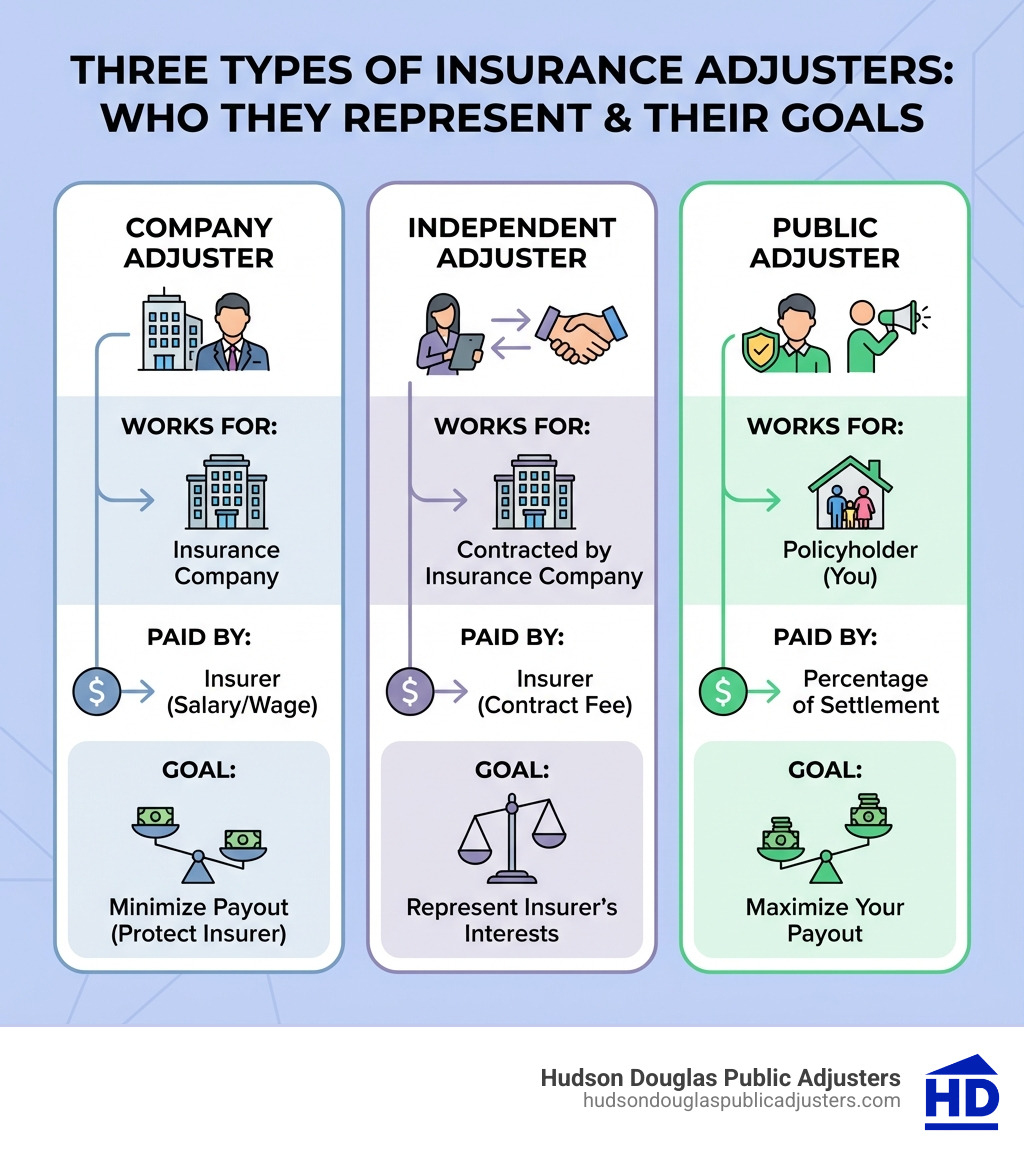
A public adjuster for homeowners is an independent insurance professional that you, the policyholder, hire to help settle an insurance claim on your behalf. Their primary goal is to ensure you receive a fair and maximum reimbursement according to your policy. They are your advocate, working solely for your best interests. For a deeper dive into their role, you can explore What is a public adjuster?.
On the other hand, a company adjuster is an employee of your insurance company. Their services are provided at no direct charge to you, but their loyalty lies with their employer. Their role is to investigate the claim, assess the damage, and determine the payout in line with the insurance company’s interests and policy terms.
An independent adjuster also works for the insurance company, but they are not direct employees. Instead, they are third-party contractors hired by insurers to handle claims, often when the company’s staff adjusters are overwhelmed, such as after a major disaster. Like company adjusters, their primary allegiance is to the insurance company that hired them, not to you, the policyholder.
The key takeaway here is policyholder representation. Only a public adjuster works exclusively for you.

Public Adjuster vs. Company Adjuster
The difference between a public adjuster and a company adjuster boils down to who they work for and whose interests they represent. This distinction is paramount when you’re trying to recover from property damage.
A public adjuster is your personal advocate with a fiduciary duty to you. Their goal is to maximize your settlement by thoroughly documenting damages, interpreting your policy in your favor, and negotiating with the insurer. Conversely, a company adjuster works for the insurance provider. Their responsibility is to their employer, which often means settling for the lowest amount that aligns with the company’s financial interests. This fundamental difference in allegiance is why homeowners hire a public adjuster—it levels the playing field. For more detailed insights, read our article on Public Adjuster vs. Insurance Adjuster – What’s the Difference?.
Public Adjuster: When to Seek Additional Help
While we hope your insurer handles your claim fairly, a public adjuster’s expertise is invaluable in many situations. If you’re struggling with the process, facing a complex policy, or overwhelmed by documentation, a public adjuster can manage everything. They are skilled negotiators who can resolve most disputes. While legal counsel may be needed for rare cases of bad faith, a public adjuster is your most effective first line of defense, often preventing the need for litigation.
Here’s a quick comparison to help you understand when each type of adjuster might be involved:
| Feature | Company Adjuster | Public Adjuster |
|---|---|---|
| Works For | Insurance Company | Policyholder (You) |
| Primary Goal | Assess damage, settle claim in insurer’s interest | Assess damage, maximize settlement for policyholder |
| Cost to You | Included in your premiums (no direct fee per claim) | Percentage of claim settlement (typically 5-20%) |
| Allegiance | Insurance Company | Policyholder |
| Expertise | Claim evaluation, policy application for insurer | Damage assessment, policy interpretation, negotiation for policyholder |
| Ideal Scenario | Small, straightforward claims; initial assessment | Large, complex, denied, or underpaid claims; when policyholder needs an advocate |
When Should You Hire a Public Adjuster for Homeowners?
Knowing when to hire a public adjuster for homeowners can be a game-changer for your claim. While not needed for every minor incident, their expertise is highly beneficial for significant property damage, especially in our service areas (Alaska, Arizona, California, Colorado, New Mexico, Nevada, Oregon, Texas, Utah, and Washington), which see everything from wildfires to severe weather.

We recommend considering a public adjuster in the following situations:
- Large or Complex Claims: If your home has suffered extensive damage from events like a major fire, a severe flood, or significant storm damage, the claim will likely be complex. These situations involve numerous structural components, personal property, and potential hidden damages that require detailed assessment. A public adjuster can carefully document everything, ensuring nothing is missed.
- Time Constraints: Life doesn’t stop because your home is damaged. If you’re too busy with work, family, or other commitments to dedicate the extensive time and effort required to manage a complex insurance claim, a public adjuster can handle the entire process for you.
- Lack of Expertise: Most homeowners aren’t insurance experts, nor should they be expected to be. Public adjusters possess deep knowledge of insurance policies, construction costs, and negotiation tactics. They can interpret complex policy language, identify coverage you might not know you have, and properly estimate repair or replacement costs.
- Disagreement with Insurer’s Offer: If your insurance company’s initial settlement offer seems too low, or if you suspect they’ve underpaid your claim, a public adjuster can provide a second, independent assessment. They can challenge the insurer’s valuation and negotiate for a fair settlement. This is particularly relevant if you’re seeing Signs Your Insurance Company Underpaid or if you’re seeking a Second Opinion on Insurance Claim.
Handling Specific Claim Types
Different types of property damage present unique challenges, and a public adjuster’s specialized knowledge becomes particularly valuable in these scenarios:
- Fire Damage: Fire claims are often devastating and complex. Beyond the obvious structural damage, there’s smoke and soot damage, water damage from firefighting efforts, and the loss of personal property. A public adjuster can carefully document every item, assess the full extent of structural damage, including hidden issues, and negotiate for proper cleanup and restoration.
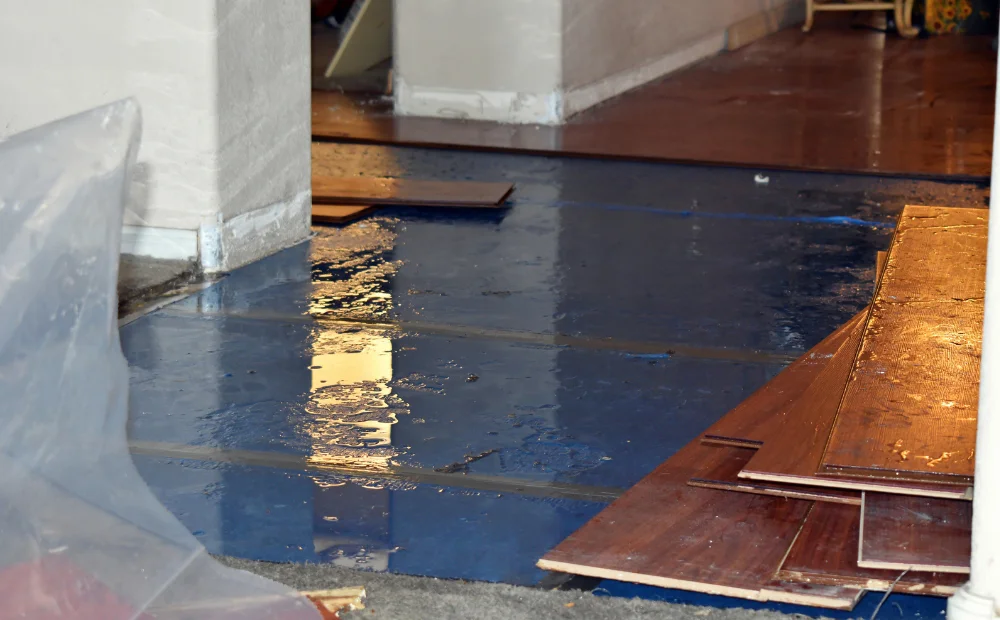
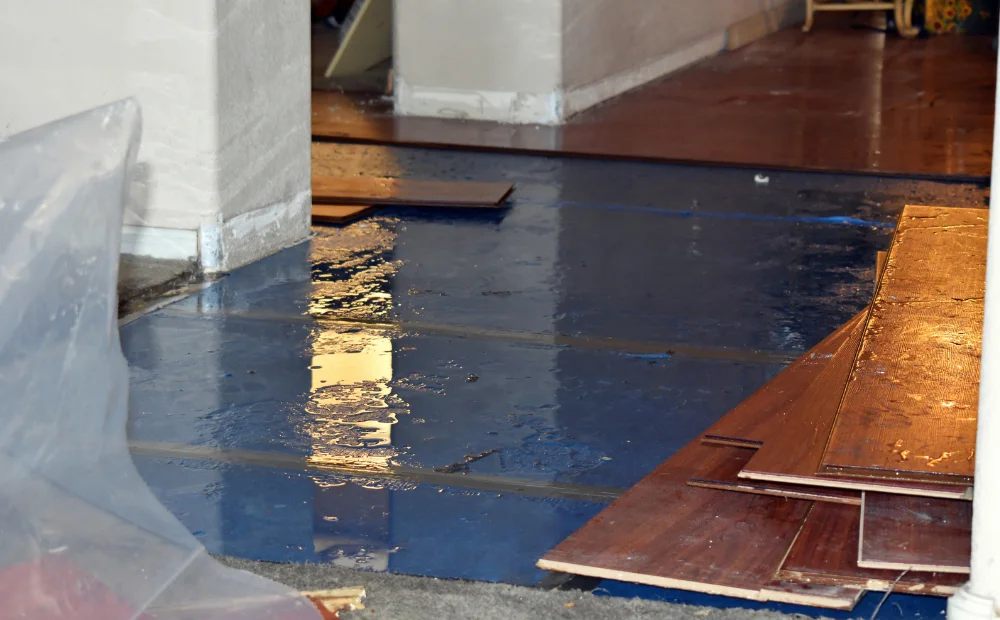
- Water Damage: Whether it’s from a burst pipe, a leaking roof, or an appliance malfunction, water damage can be insidious. A public adjuster understands the nuances of Water Damage, identifying not just visible damage but also potential mold growth, structural compromise, and the need for specialized drying and remediation. For homeowners in Arizona, understanding the distinction between Flood Damage vs. Water Damage Arizona is crucial, as policies often treat these differently.
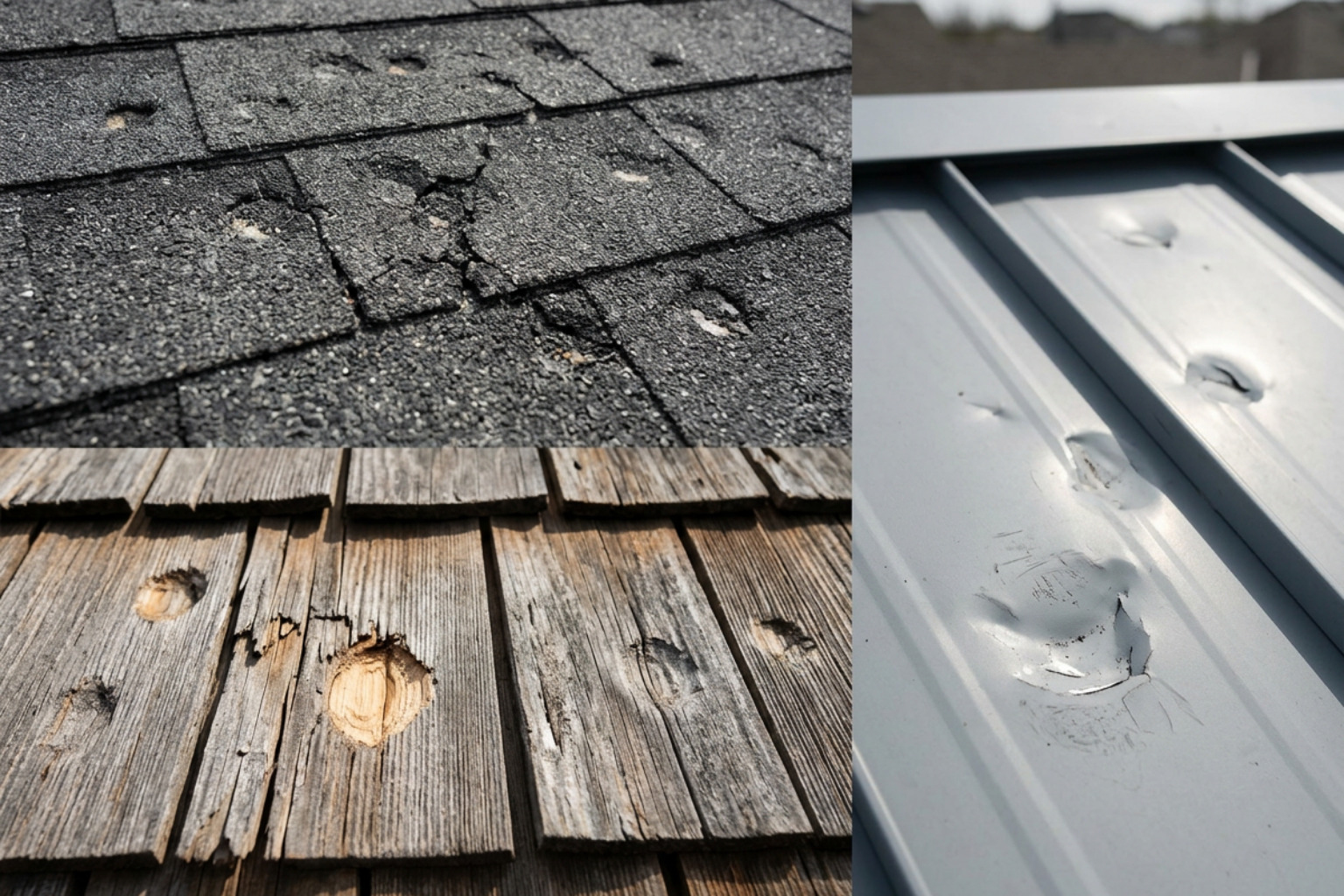
- Wind and Storm Damage: High winds can cause significant damage to roofs, siding, and other exterior components of your home. A public adjuster can accurately assess the full scope of wind and storm damage, including secondary damage that might not be immediately apparent, and ensure all necessary repairs, from roof replacement to debris removal, are included in your claim.
- Flood Damage: While often linked to water damage, flood damage from external sources (like overflowing rivers or heavy rainfall entering through ground level) typically falls under separate flood insurance policies. A public adjuster can help steer these distinct policies, ensuring proper documentation and claims are filed under the correct coverage.
In all these cases, a public adjuster excels at the meticulous documentation of loss and identification of hidden damage. They know what to look for, how to value it, and how to present it to your insurer effectively.
After a Claim Denial or Low Settlement
It’s disheartening to receive a claim denial or an offer that falls far short of what you need to repair your home. However, it’s not the end of the road. A public adjuster for homeowners can be your strongest ally when facing these challenges.
- Denied Claims: If your claim has been denied, a public adjuster will thoroughly review your policy and the denial letter to understand the insurer’s reasoning. They can often identify errors in the insurance company’s assessment or find coverage clauses that were overlooked. They then work to appeal the denial, presenting a well-supported argument for approval. For instance, if you’ve had a Denied Water Damage Claim, a public adjuster can investigate the cause and policy language to reverse the decision.
- Underpaid Claims: When an insurer offers a settlement that’s too low, it often means they haven’t fully accounted for all damages, underestimated repair costs, or misinterpreted your policy. A public adjuster will conduct their own independent assessment, create a detailed estimate of the true cost of repairs and replacements, and negotiate with the insurance company to increase the payout to a fair amount.
- Reopening a Claim and Supplemental Claims: Even if your claim has been settled, you might find additional damage or costs during repairs. A public adjuster can help you reopen your claim or file a supplemental claim to cover these newly finded expenses, ensuring you don’t bear the burden of unforeseen issues.
- Contesting the Insurer’s Decision: A public adjuster is skilled in contesting the insurance company’s decisions. They understand the tactics insurers use and are prepared to counter them with detailed evidence and policy knowledge, advocating fiercely for your right to a fair settlement.
The Financial Equation: Costs vs. Benefits of a Public Adjuster
When considering a public adjuster for homeowners, cost is a primary concern. We believe in transparency about this financial equation.
Public adjusters typically operate on a contingency fee model. This means you pay them a percentage of your final claim settlement. The good news is, there are generally no upfront costs to you. If they don’t recover anything for you, you don’t owe them a fee. This aligns their success directly with yours, motivating them to secure the best possible outcome.
The percentage charged by public adjusters typically ranges between 5% and 20% of the total value of your claim settlement; the average fee is often around 10%. This fee is not covered by your insurance policy and comes out of the settlement you receive. However, many homeowners find this investment worthwhile, as a public adjuster can often secure a significantly higher payout than you might achieve on your own.
It’s also worth noting that some states, including Texas (one of our service areas), have fee caps, often up to 10% of the total amount the company will pay for your claim. This ensures that fees remain reasonable, even for very large claims.
When you weigh this cost against the potential for a much larger settlement and the elimination of stress and time commitment on your part, the value proposition becomes clear. In fact, ignoring the potential for a higher payout and the complexities of the claims process can be far more costly in the long run, as detailed in The Cost of Not Hiring a Public Adjuster.
Main Benefits of Hiring a Public Adjuster for Homeowners
Hiring a public adjuster for homeowners offers a multitude of benefits that can significantly impact the outcome of your insurance claim and your peace of mind.
- Maximized Settlements: This is often the most compelling benefit. A public adjuster’s expertise in assessing damage, understanding policy language, and negotiating with insurers frequently leads to higher payouts. A report from the Florida Association of Public Insurance Adjusters (FAPIA) found that homeowners who hired their own insurance claims adjuster for catastrophe claims typically received a higher payout from their insurers, often by a few thousand dollars. While this study originated in Florida, the principle of expert advocacy leading to better results is universally applicable across our service regions of Alaska, Arizona, California, Colorado, New Mexico, Nevada, Oregon, Texas, Utah, and Washington.
- Time and Stress Savings: Dealing with property damage is stressful enough. A public adjuster takes on the burden of managing the entire claims process, from documentation to negotiation, freeing you to focus on rebuilding your life.
- Expert Policy Interpretation: Insurance policies are notoriously complex, filled with jargon and fine print. Public adjusters are experts in deciphering these documents, ensuring all applicable coverages are identified and used to your advantage.
- Detailed Damage Documentation: A public adjuster carefully inspects and documents all damages, including those that might be hidden or overlooked by a company adjuster. This thoroughness is crucial for substantiating your claim and preventing underpayment.
- Professional Negotiation: Public adjusters are skilled negotiators who understand how insurance companies operate. They can effectively counter lowball offers and advocate for a fair settlement, ensuring you Maximize Your Residential Property Insurance Claim.
A public adjuster acts as your trusted advisor, ensuring your rights are protected and you receive the full compensation you’re entitled to under your policy.
How Public Adjusters Are Paid
Understanding how a public adjuster for homeowners gets paid is straightforward and designed to align their interests with yours. The most common payment structure is a contingency fee, typically a percentage of the final insurance settlement amount.
As we mentioned, public adjusters generally charge between 5% and 20% of the total value of your claim settlement. This percentage can vary based on the complexity of the claim, the extent of the damage, and state regulations. For instance, in Texas, fees are often capped at 10% of the claim settlement.
The “no recovery, no fee” model is a significant advantage for policyholders. It means you only pay your public adjuster if they successfully secure a settlement for you. If, for any reason, no additional funds are recovered, you owe them nothing. This removes the financial risk for you and provides a strong incentive for the adjuster to achieve the best possible outcome.
The payment is made directly from the settlement proceeds. Once your insurance company pays out the claim, your public adjuster’s fee is deducted from that amount before the remaining funds are disbursed to you. This ensures a seamless process and prevents you from having to pay out-of-pocket before receiving your funds. While the fee percentage may seem like an additional cost, the increased settlement amount a public adjuster often secures can more than offset their fee, leaving you with a net higher payout.
Your Step-by-Step Guide: From Finding to Finalizing Your Claim
Engaging a public adjuster for homeowners transforms a daunting insurance claim into a manageable process. We support you from the initial consultation to the final settlement. The journey begins with vetting and choosing a professional, then signing a clear contract. From there, your public adjuster manages the claim, handles all insurer communication, and keeps you informed. This proactive management helps avoid common pitfalls that can lead to underpaid or denied claims, as highlighted in Common Property Damage Claim Mistake.
What to Look for When Choosing a Public Adjuster for Homeowners
Choosing the right public adjuster for homeowners is a critical decision that can significantly impact your claim’s outcome. Here’s what we advise you to look for:
- Licensing and Credentials: Always verify that the public adjuster is licensed in your state (Alaska, Arizona, California, Colorado, New Mexico, Nevada, Oregon, Texas, Utah, or Washington). You can do this by checking with your state’s Department of Insurance. A legitimate public adjuster will be happy to provide their license number.
- Experience with Your Claim Type: Does the adjuster have a proven track record with claims similar to yours (e.g., fire, flood, wind, earthquake)? Experience with your specific type of damage and even your insurance carrier can be a major advantage.
- Positive Reviews and References: Ask for references from past clients and check online reviews. A reputable public adjuster will have positive testimonials and a history of satisfied clients.
- Communication Style: You’ll be working closely with your public adjuster, so choose someone who is responsive, clear in their explanations, and keeps you well-informed throughout the process.
- Membership in Professional Organizations: Membership in organizations like the National Association of Public Insurance Adjusters (NAPIA) indicates a commitment to professional standards and ethics. You can use the National Association of Public Insurance Adjusters (NAPIA) directory to find qualified professionals.
The Process of Working Together
Once you’ve chosen a public adjuster, the process typically unfolds as follows:
- Initial Consultation: We’ll start with a free, no-obligation consultation to discuss your damage, review your situation, and explain how we can help.
- Policy Review: Your public adjuster will thoroughly review your insurance policy to understand your coverage, limits, and any specific terms and conditions that apply to your claim. This ensures we identify all possible avenues for recovery.
- Damage Inspection and Documentation: This is a crucial step. Your public adjuster will conduct a meticulous inspection of your property, documenting all damages with photos, videos, and detailed reports. They will identify hidden damages that might be missed by a company adjuster and create a comprehensive estimate of repair or replacement costs.
- Claim Submission: With all documentation in hand, your public adjuster will prepare and submit your claim to your insurance company. This includes all necessary forms, estimates, and supporting evidence.
- Negotiation with the Insurer: Your public adjuster will handle all communications and negotiations with your insurance company. They will counter lowball offers, provide additional evidence as needed, and advocate tirelessly for a fair settlement.
- Settlement Finalization: Once a satisfactory settlement is reached, your public adjuster will guide you through the final paperwork and ensure you receive the funds you’re entitled to.
Red Flags and Potential Downsides
While a public adjuster for homeowners is an invaluable asset, it’s important to recognize red flags to ensure you hire a reputable professional. We believe in empowering homeowners to make informed decisions.
Here’s a list of red flags to watch for when choosing a public adjuster:
- High-Pressure Tactics: Be wary of anyone who pressures you to sign a contract immediately, especially after a disaster. Unsolicited door-to-door solicitations, particularly right after a major event, can be a sign of unscrupulous practices. As the Texas Department of Insurance advises, public adjusters cannot solicit business after 9 p.m. or during a natural disaster.
- Demands for Large Upfront Fees: Reputable public adjusters typically work on a contingency basis, meaning they don’t get paid unless you do. Demands for significant upfront payments should raise a red flag.
- Unlicensed Individuals: Always verify an adjuster’s license with your state’s Department of Insurance. Operating without a proper license is illegal and a sure sign of a scam.
- Exaggerated Promises: No public adjuster can guarantee a specific settlement amount. Be skeptical of anyone who promises an unrealistic payout or claims they can “get you rich.” Their role is to maximize your entitled settlement, not to exceed policy limits.
- Offering to Perform Repairs: A public adjuster’s role is to assess damage and negotiate your claim, not to act as a contractor. If an adjuster offers to handle both your claim and the repairs, it creates a conflict of interest and is often prohibited by state regulations.
- Speaking Poorly of Either Side: An ethical public adjuster will maintain professionalism. If they speak negatively about your insurance company, other adjusters, or contractors, it might indicate a lack of objectivity.
- Lack of Clear Contract Terms: A legitimate public adjuster will provide a clear, written contract detailing their services, fees, and cancellation policy. In states like Texas, homeowners typically have a 72-hour window to cancel a public adjuster contract.
One potential downside to be aware of is the potential for longer settlement times. While a public adjuster often secures a higher payout, the negotiation process can sometimes extend the overall timeline of your claim, especially if the insurer is resistant. However, many homeowners find that the benefit of a larger, fairer settlement outweighs the extended wait.
For more information on what to look out for, especially in our service area of Texas, you can refer to the guide on Public adjusters: What to know before you hire one to help with your ….
Bringing It All Together
Navigating a complex property insurance claim is an uphill battle, especially while dealing with the emotional and financial toll of the damage. However, you don’t have to face your insurance company alone.
Hiring a public adjuster for homeowners empowers you with an expert advocate whose sole mission is to protect your interests and maximize your rightful settlement. From carefully documenting every detail of your loss to expertly interpreting your policy and skillfully negotiating with your insurer, a public adjuster can significantly lighten your burden and improve your outcome. The statistics show that homeowners who enlist their own adjuster often receive higher payouts, making the investment in their services a wise financial decision.
Making an informed decision about your claim is crucial for your financial recovery and peace of mind. We encourage you to carefully consider the benefits, understand the process, and choose a licensed, experienced professional who will stand by your side.
At Hudson Douglas Public Adjusters, we pride ourselves on our expertise, working solely for the policyholder with no upfront fees and 24/7 availability. With over 50 years of combined experience, we are dedicated to serving homeowners across Alaska, Arizona, California, Colorado, New Mexico, Nevada, Oregon, Texas, Utah, and Washington, ensuring you receive the full and fair payout you deserve.
If your home has suffered damage, or if you’re struggling with an existing claim, don’t hesitate. Contact Us today for a free claim review and let us help you steer the path to recovery.