Filing an insurance claim should bring relief, not frustration. After years of paying premiums, you expect your insurer to cover your loss fairly. Unfortunately, many Arizona homeowners and business owners end up with underpaid insurance claims that do not come close to covering real repair costs.
Knowing how to recognize insurance lowball signs can help you protect your rights and recover the full amount you’re owed. Here’s what to look for and what you can do about it.
1. The Settlement Doesn’t Match Real Repair Costs
One of the most common signs of an underpaid insurance claim is when your settlement doesn’t match what contractors are actually charging to fix your property. Insurance companies often rely on outdated pricing software that underestimates local labor and material costs.
If your contractor’s estimate is thousands of dollars higher than your insurance payout, your claim was likely undervalued. Always compare your insurer’s estimate with real bids from qualified contractors. The difference can
2. Some Damage Was Ignored or Declared “Not Covered”
Lowball settlements often leave out parts of the damage. Adjusters may only include visible repairs while ignoring hidden problems such as water behind drywall, smoke in ventilation systems, or foundation cracking.
Sometimes, insurers mark legitimate repairs as “not covered” when they actually are. This is especially common with items like code upgrades, personal property, or temporary housing expenses.
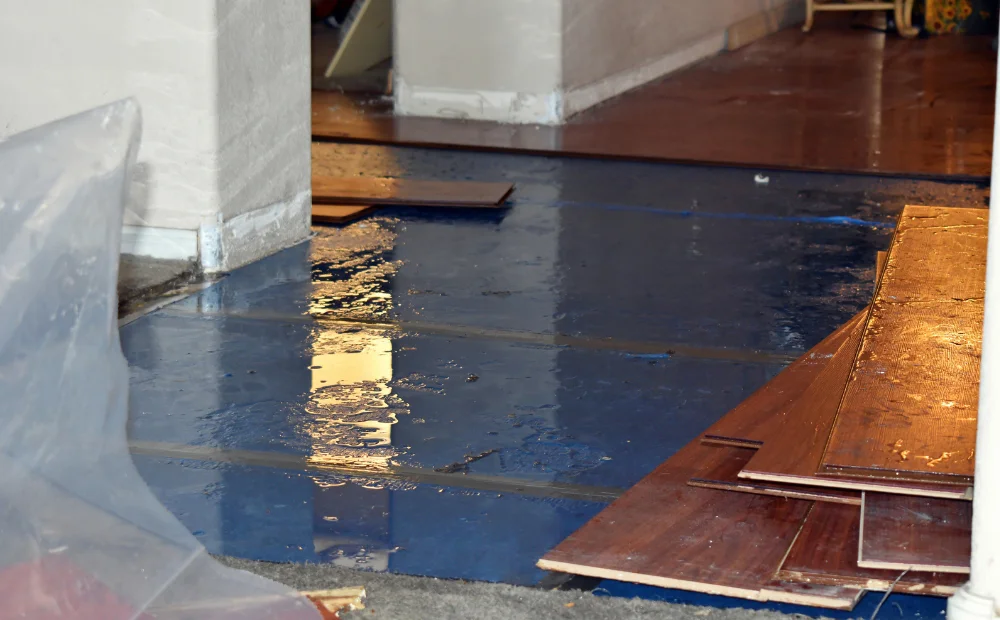
Certain companies have also denied water damage by relying on hidden exclusions that are not clearly explained to policyholders at the time of purchase. If your paperwork seems incomplete or missing important line items, you may be dealing with an underpaid claim. A second opinion can uncover what was overlooked.
3. The Inspection Was Quick or Incomplete
A rushed inspection is a red flag. Serious property damage requires a detailed evaluation that includes moisture testing, attic and crawlspace checks, and structural assessments. If your adjuster spent less than an hour on-site or skipped major areas, your claim may not reflect the true extent of the damage.
Incomplete inspections often lead to lowball settlements because not all losses are documented. You have the right to request a reinspection or have an independent licensed public adjuster review your property.
4. You Were Pressured to Accept the Offer Fast
Insurance companies sometimes urge policyholders to settle quickly. They claim it will speed up the process, but quick settlements often benefit them, not you. Early offers are typically based on partial inspections and conservative estimates.
Pressure to sign paperwork or deposit a check before you have reviewed the details is a red flag. It can also appear in water damage cases where insurers dispute gradual leaks or corrosion. Some companies argue that gradual leaks or corrosion disputes fall outside coverage even when water damage appears sudden.
Take time to review all documents. Slow decisions protect you from long-term repair costs that insurance should cover.
5. The Estimate Is Confusing or Missing Key Details
An accurate insurance estimate should clearly show how your payout was calculated, including itemized repairs, depreciation, and deductibles. If your paperwork seems vague or difficult to understand, that’s often by design.
Insurers know that complex, unclear estimates discourage policyholders from asking questions. If you can’t follow how they arrived at the final number, you may be dealing with an underpaid insurance claim.
A public adjuster can review your estimate line by line and explain whether it reflects the true cost to restore your property.
What to Do If You Think You Were Underpaid
If you suspect your insurer undervalued your claim, you’re not out of options. Most policies allow you to dispute an underpaid claim or request a supplement if new evidence or overlooked damage is found.
Here’s how to protect yourself:
- Get professional claim dispute help. A licensed public adjuster can independently assess your damage and determine whether you were underpaid.
- Gather supporting documentation. Keep photos, estimates, receipts, and all communication with your insurer.
- Ask for a re-evaluation. If new information supports a higher payout, your insurer must review your claim again.
- Act quickly. Some policies limit how long you have to reopen or supplement your claim. Don’t delay if you believe you were shorted.
Get the Settlement You Deserve
You’ve paid for insurance to protect your property, not to fight for what’s fair. If your payout doesn’t cover your real losses, you have the right to challenge it.
Recent water loss litigation involving major insurers has shown that coverage limitations and exclusions sometimes appear only after a claim is filed. Knowing your rights and seeking expert help early can make a significant difference in your outcome.
Hudson Douglas Public Adjusters helps homeowners, business owners, and property managers identify underpaid insurance claims, recognize insurance lowball signs, and get professional claim dispute help. Our licensed adjusters use real construction data and policy knowledge to make sure every dollar of your loss is properly documented and paid.
If your settlement feels too low, don’t let it become final. Get help today and make sure you’re getting the full value of your claim.
Start your free claim review and find out what your claim is really worth.