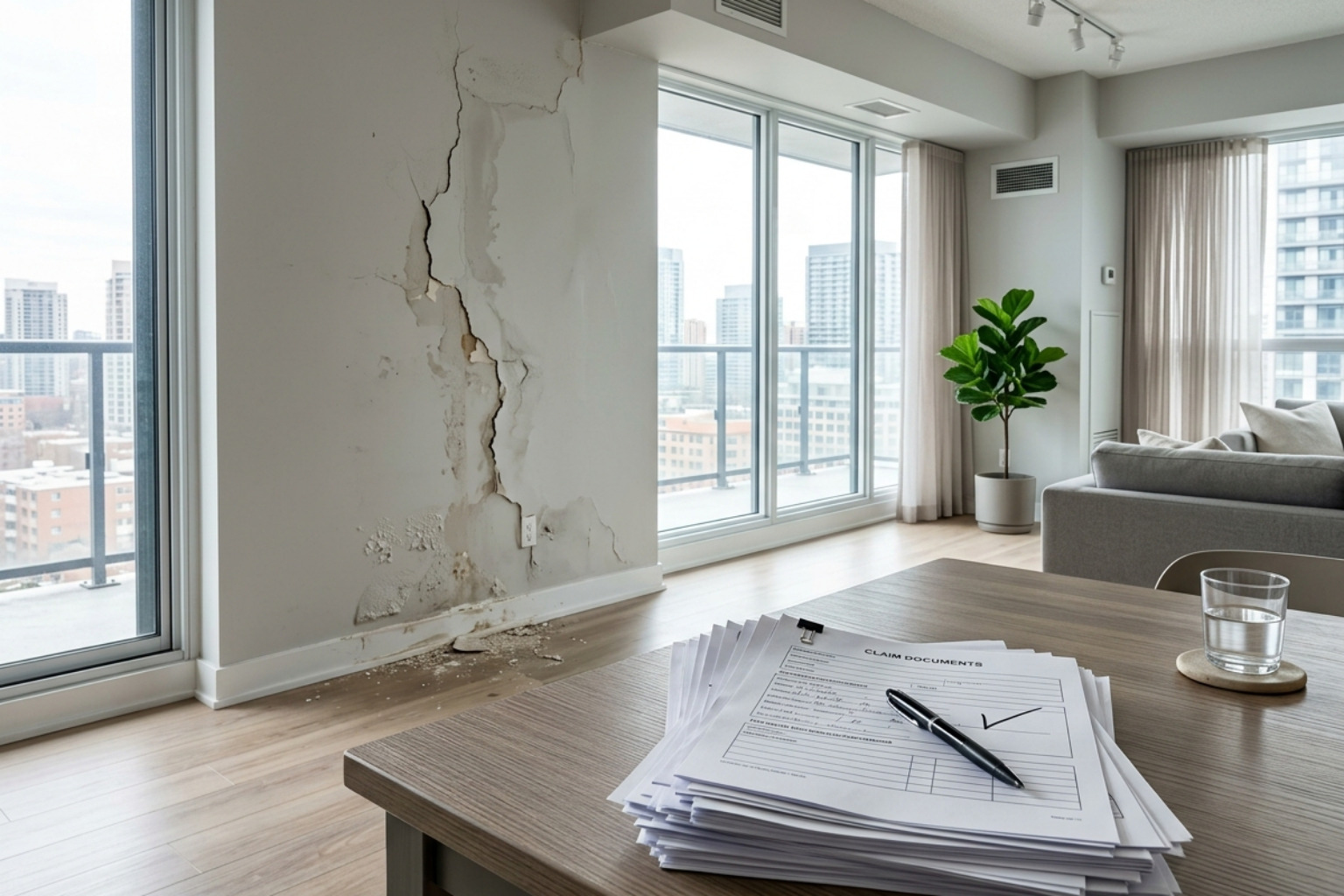
Understanding Your Condo Insurance Claim and the Master Policy
When you own a condominium, you aren’t just responsible for your four walls; you are part of a larger legal and financial ecosystem. This is why a condo insurance claim is more complex than a standard homeowners claim. You are dealing with two distinct layers of protection that must knit together perfectly to cover your loss.
The first layer is your HO-6 policy. This is your personal insurance. It typically covers your personal belongings (furniture, clothes, electronics), your personal liability if someone gets hurt inside your unit, and the interior “skin” of your home.
The second layer is the HOA Master Policy. This is purchased by your condo association using your monthly dues. It generally covers the building’s shell, the roof, the elevators, and common areas like the lobby or pool.
The friction usually happens at the “shared wall.” If a pipe bursts inside a wall, is it your problem or the association’s? The answer depends on how your specific association defines the boundaries of your unit. Understanding Filing a condo unit insurance claim requires looking at these two policies as a team, rather than separate entities.
Determining Coverage for a Condo Insurance Claim
To figure out who pays, we have to look at the “Standard Unit” definition in your association documents. There are three common ways these are set up:
- Bare Walls: The master policy covers only the structure. You are responsible for everything from the drywall inward, including flooring, cabinets, and bathroom fixtures.
- Original Specifications: The master policy covers the unit as it was originally built. If the builder installed laminate counters and you upgraded to granite, the master policy pays for laminate, and your HO-6 policy covers the “improvement” (the extra cost of the granite).
- All-In: The master policy covers almost everything built-in, including your improvements and betterments.
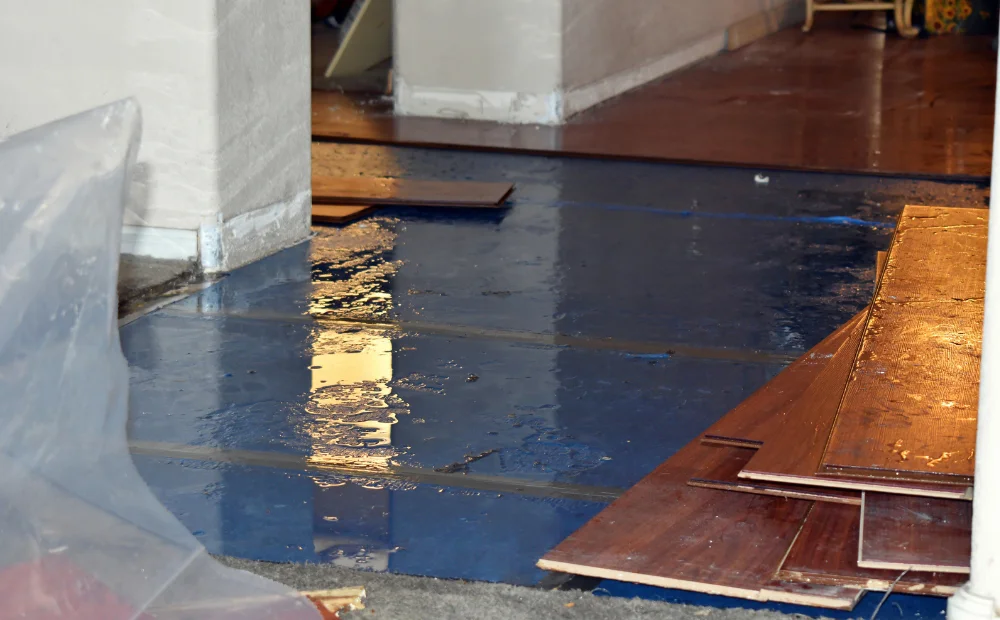
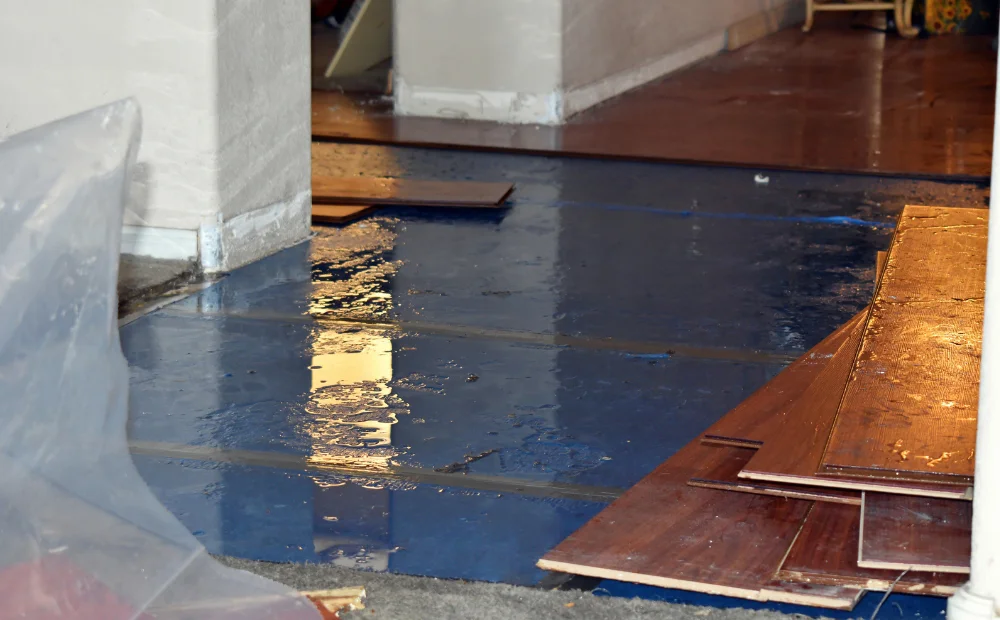
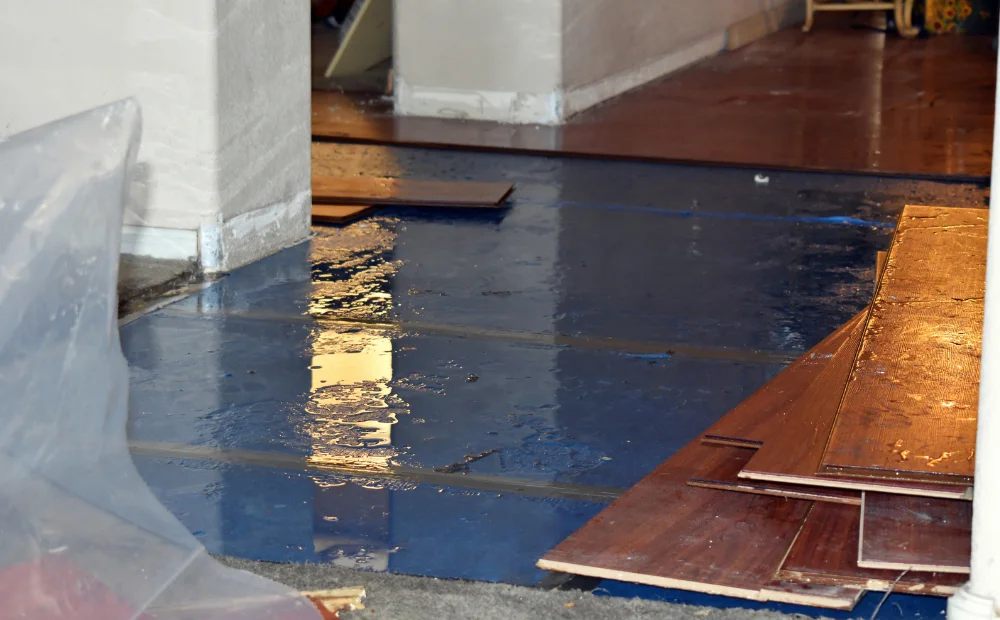
In Arizona, Water Damage is one of the most frequent reasons for a condo insurance claim. Whether it’s a leaky water heater in the unit above or a pinhole leak in a shared copper pipe, determining if you are dealing with a “standard unit” item or an “improvement” is the first step in getting your repair money.
The Role of CC&Rs in Your Condo Insurance Claim
Your CC&Rs (Covenants, Conditions, and Restrictions) and bylaws are the “rulebook” for your community. These documents are just as important as your insurance policy when filing a claim. They define maintenance responsibilities and, crucially, insurance requirements.
For example, if you suffer from Theft & Vandalism in a common area storage locker, your CC&Rs will dictate whether the HOA is liable for the security failure or if you must claim it against your personal property coverage. We always recommend our clients in places like Scottsdale or Gilbert keep a digital copy of their CC&Rs handy; your insurance adjuster will almost certainly ask to see them to determine where the HOA’s responsibility ends and yours begins.
| Feature | HO-6 (Personal Policy) | HOA Master Policy |
|---|---|---|
| Personal Property | Covered (Furniture, clothes, etc.) | Not Covered |
| Interior Walls/Floors | Covered (Varies by CC&Rs) | Often Not Covered |
| Building Exterior/Roof | Not Covered | Covered |
| Common Areas | Not Covered | Covered |
| Liability | Inside your unit | Common areas/Walkways |
| Deductible | Usually $500 – $2,500 | Can be $5,000 – $50,000 |
Immediate Steps After Discovering Damage or Vandalism
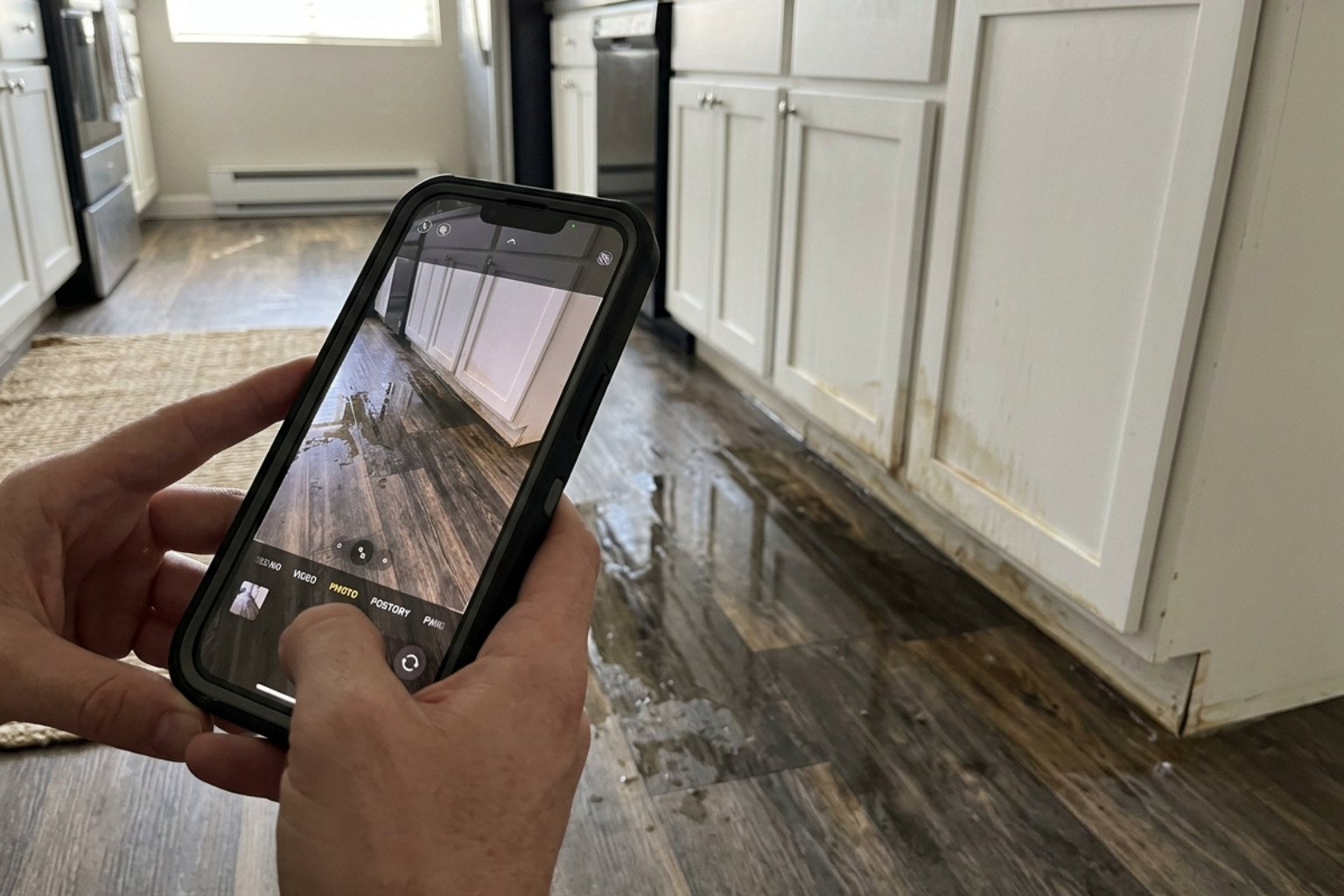
The moments after you discover a leak or a break-in are frantic, but your actions here determine the success of your condo insurance claim.
- Mitigate the Loss: This is a fancy insurance term for “stop the bleeding.” If water is flowing, turn off the main valve. If a window is smashed, board it up. Keep every receipt for these emergency repairs.
- Document Everything: Before you clean up, take dozens of photos and videos. If it’s a case of Fire & Smoke Damage, document the soot patterns and the smell if possible.
- Call the Authorities: For vandalism or theft, a police report is mandatory. Insurers rarely process these claims without an official case number.
- Notify the HOA: Because your walls are shared, your damage might be affecting the unit next door or the structural integrity of the building. The HOA board needs to know immediately so they can trigger the master policy if necessary.
As a family-owned business, we’ve seen how overwhelming this is for Arizona families. We often tell our neighbors in Mesa or Chandler: don’t throw anything away. Even if that rug is soaked and smelling like mildew, keep it until an adjuster has seen it. It is your “proof of loss.”
Navigating Shared Walls: Neighbors, Common Areas, and Deductibles
The “shared wall” is the most complicated part of condo living. If your neighbor’s bathtub overflows and ruins your ceiling, who pays?
Usually, you file the condo insurance claim with your own HO-6 provider. Your insurer will then “subrogate”—which is just a legal way of saying they will go after your neighbor’s insurance to get their money back (and hopefully your deductible, too).
However, things get tricky with the master policy deductible. In April 2026, it is common to see HOA master policies with deductibles as high as $25,000 or even $50,000 to keep monthly dues low. If a leak originates in your unit and damages the building, the HOA might “charge back” that $50,000 deductible to you.
This is where Claim Information for Condo and Co-op Insurance becomes vital. You need to ensure your HO-6 policy has “Loss Assessment” coverage. This specific type of coverage helps pay for your share of an HOA deductible assessment. Without it, a Structural Collapse or major fire could leave you with a massive out-of-pocket bill from your association.
What to Expect During the Inspection and Settlement Process
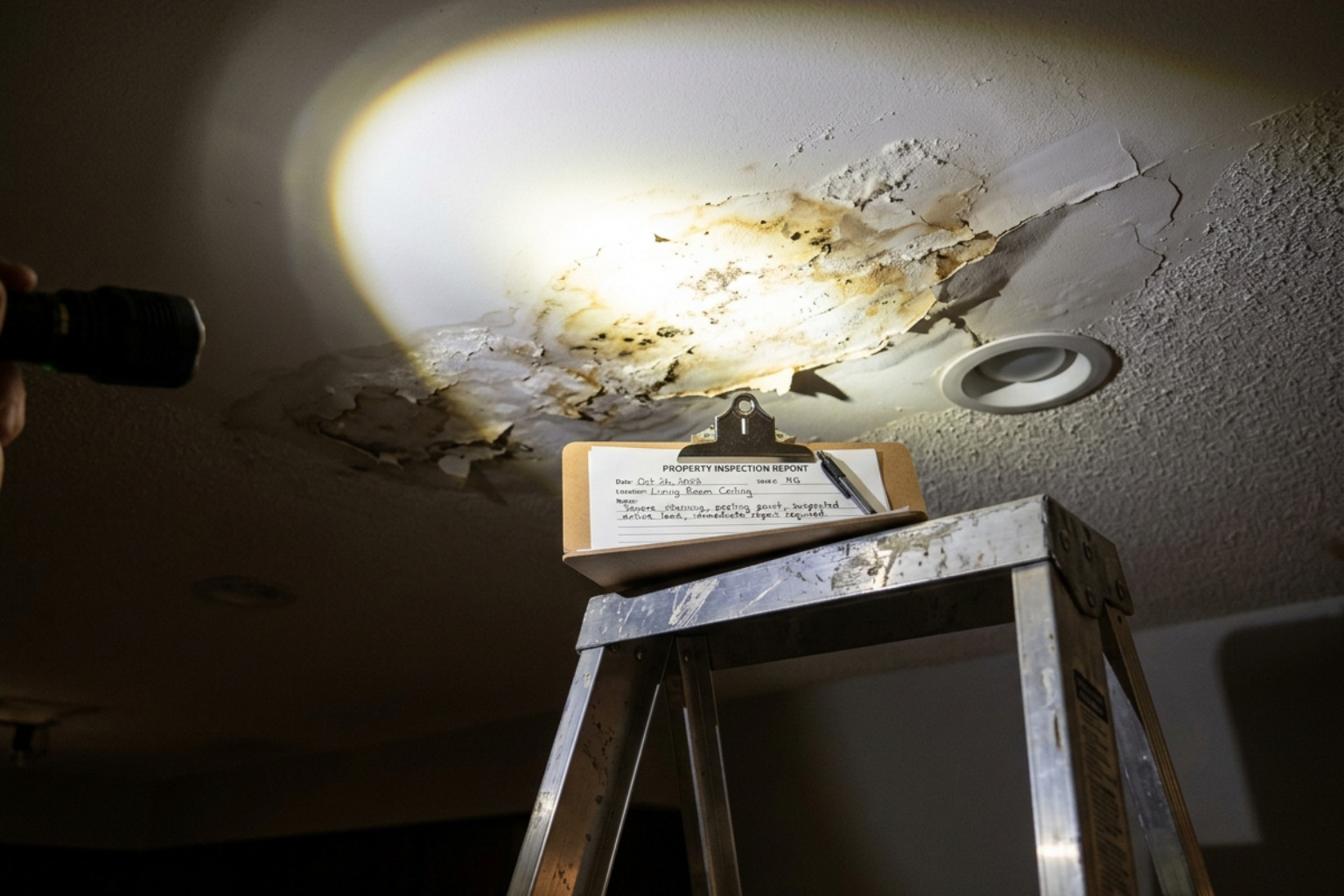
Once the claim is filed, the “waiting game” begins. You will likely meet two different adjusters: one from your personal insurance and one from the HOA’s insurance.
- Simple Claims: Minor water damage or small theft claims are often resolved in 1-2 weeks.
- Complex Claims: If there is structural damage or disputes between the two policies, it can take weeks or months to resolve.
During this time, if your condo is uninhabitable, your HO-6 policy provides Additional Living Expenses (ALE). This covers the cost of a hotel and extra food costs while you are displaced.
Be aware of “sub-limits” during the inspection. For example, damage to trees or shrubs on your patio is often capped at 5% of your dwelling limit, with a maximum of $500 per plant.
It is important to remember the difference between a Public Adjuster vs Insurance Adjuster. The insurance company’s adjuster is there to protect the company’s bottom line. At Hudson Douglas, we are public adjusters—we work only for you, the policyholder. We make sure every inch of damage is documented so you aren’t left paying for repairs out of your own pocket.
Frequently Asked Questions About Condo Claims
How does filing a claim affect my future premiums?
It’s the question everyone asks: “Will my rates go up?” The truth is, it depends on the frequency and severity of your claims. A single claim for a major storm or a random act of vandalism is less likely to spike your rates than three small “maintenance-style” claims in two years. Insurance companies look at your claim history to assess risk. In Arizona, state regulations also play a role in how much an insurer can hike premiums after a single event.
What should I do if my condo claim is denied?
Don’t panic. A denial is often just the start of a negotiation. You have the right to an appeals process. You can start by getting independent repair estimates to prove the damage is real and covered. If the dispute continues, you can contact the Arizona Department of Insurance or hire a professional to Maximize Your Residential Property Insurance Claim. You are entitled to a clear explanation of why a claim was denied based on the specific language in your policy.
Who is responsible for the deductible in a shared-wall loss?
You are always responsible for your personal HO-6 deductible (usually $500 to $1,000). However, if the damage involves the master policy, the HOA may assess the master deductible (which can be $10,000+) to the unit owners involved. This is why “Loss Assessment” coverage is the most important part of a condo policy. It protects you from being hit with a five-figure bill because a pipe burst in a common area.
Conclusion: Your Arizona Condo Claim Experts
Dealing with a condo insurance claim in Arizona requires a steady hand and a deep understanding of both local real estate and insurance law. Whether you are in Paradise Valley, Queen Creek, or downtown Phoenix, the complexities of shared walls and HOA master policies can be a nightmare to navigate alone.
At Hudson Douglas Public Adjusters, we pride ourselves on being a family-owned, locally-rooted firm. With over 40 years of experience, we have seen every possible condo scenario—from monsoon roof leaks in Sedona to vandalism in Goodyear. We speak your language (both English and Spanish) and we never work for the insurance companies.
Our goal is simple: to be your advocate and ensure you receive every penny you are entitled to under your policy. We don’t charge anything upfront. We only receive a 12% fee from the final payout, meaning we are incentivized to get you the maximum settlement possible. If you’re feeling overwhelmed by adjusters and HOA boards, reach out to a Public Adjuster for Homeowners who actually lives in your community. We’re here to help you get your home—and your life—back to normal.