Why Arizona Property Owners Need Reliable Insurance Claim Support
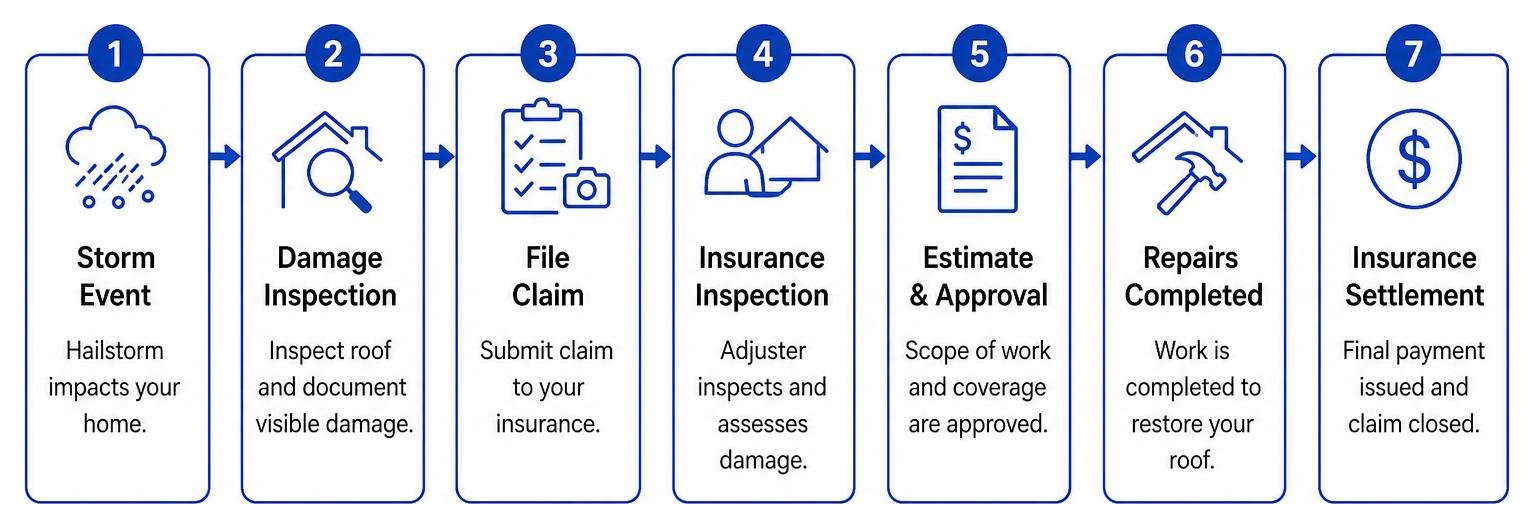
Insurance claim help Arizona is critical when your home or business suffers damage from fire, water, storms, or other covered perils. Here’s what you need to know:
Quick Guide to Arizona Insurance Claim Help:
- Report your claim immediately – Contact your insurer as soon as it’s safe to do so
- Document everything – Take photos, keep receipts, and record all communications
- Know your timelines – Insurers must acknowledge claims within 10 working days and complete investigations within 30 days
- Understand your rights – You’re entitled to a fair settlement and can appeal denials
- Get expert help – Public adjusters work exclusively for you, not the insurance company
- File complaints when needed – Arizona DIFI protects policyholders from unfair practices
Property damage is stressful enough. You shouldn’t have to face the insurance claim process alone.
Whether monsoon storms flooded your home, a kitchen fire damaged your commercial building, or wildfire smoke affected your property, the path to recovery can feel overwhelming. Arizona property owners often find that filing a claim is more complicated than expected–even when you’ve paid premiums for years.
Insurance companies have entire teams working to process claims efficiently. That’s good. But it also means they have adjusters, estimators, and legal departments focused on their interests, not yours.
You need someone in your corner.
This guide walks you through the Arizona property insurance claim process step by step. You’ll learn your rights as a policyholder, understand key deadlines, and find where to find support when you need it most.
We’re Hudson Douglas Public Adjusters–a family-owned Arizona business that has helped countless property owners secure fair settlements. We know Arizona’s weather patterns, understand local property challenges, and speak both English and Spanish fluently.
You’re not expected to be an insurance expert. That’s what we’re here for.
Insurance claim help Arizona helpful reading:
Understanding Common Arizona Property Claims
Arizona is a beautiful state, but its unique climate also brings its share of property challenges. From the dry heat to intense monsoons, property damage is a common concern for homeowners and business owners across Paradise Valley, Scottsdale, Gilbert, Chandler, Goodyear, Mesa, San Tan Valley, and beyond. In fact, disaster damage in Arizona has totaled billions of dollars to date. When you need insurance claim help Arizona, understanding the types of perils that commonly affect our communities is the first step toward effective recovery.
We frequently assist clients with claims stemming from:
- Fire Damage: Whether from an accidental kitchen fire in a home or a more extensive commercial property blaze, fire and smoke damage can be devastating.
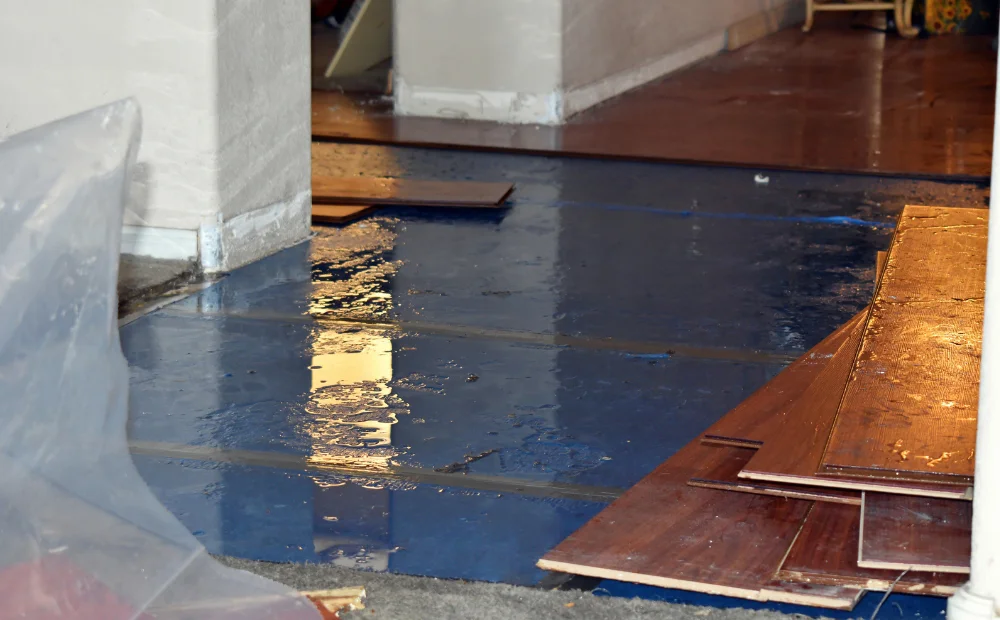
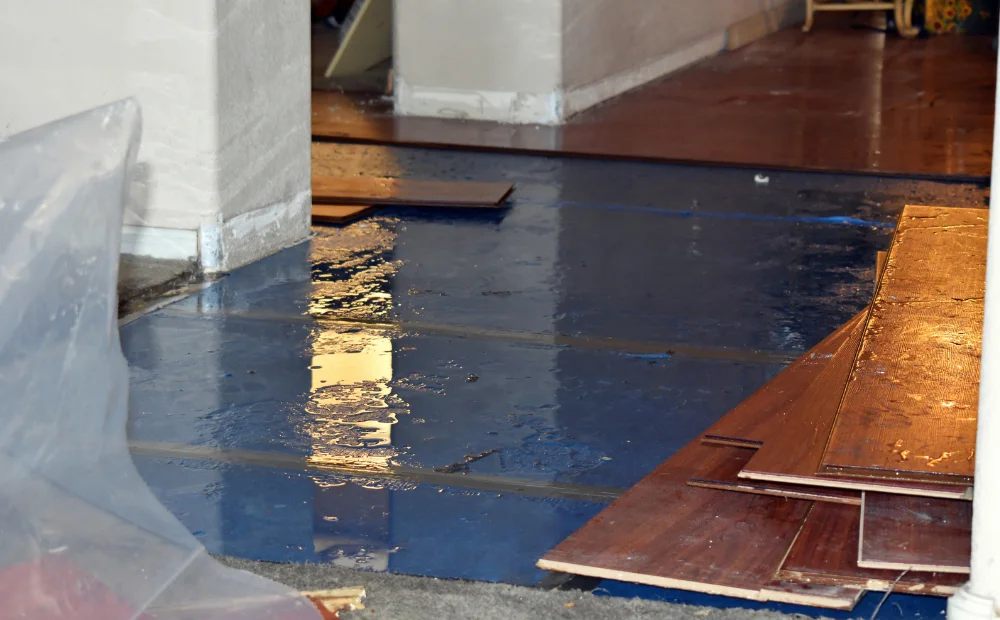
- Water Damage: This can range from sudden pipe bursts and appliance leaks to persistent slab leaks that go unnoticed until significant damage occurs. Understanding the nuances of your policy is crucial here.
- Monsoon and Storm Damage: Arizona’s monsoon season (mid-June through September) brings powerful thunderstorms capable of producing damaging winds, torrential rains, flash flooding, hail, and lightning. Microbursts, in particular, can generate winds up to 100 mph, causing significant property destruction.
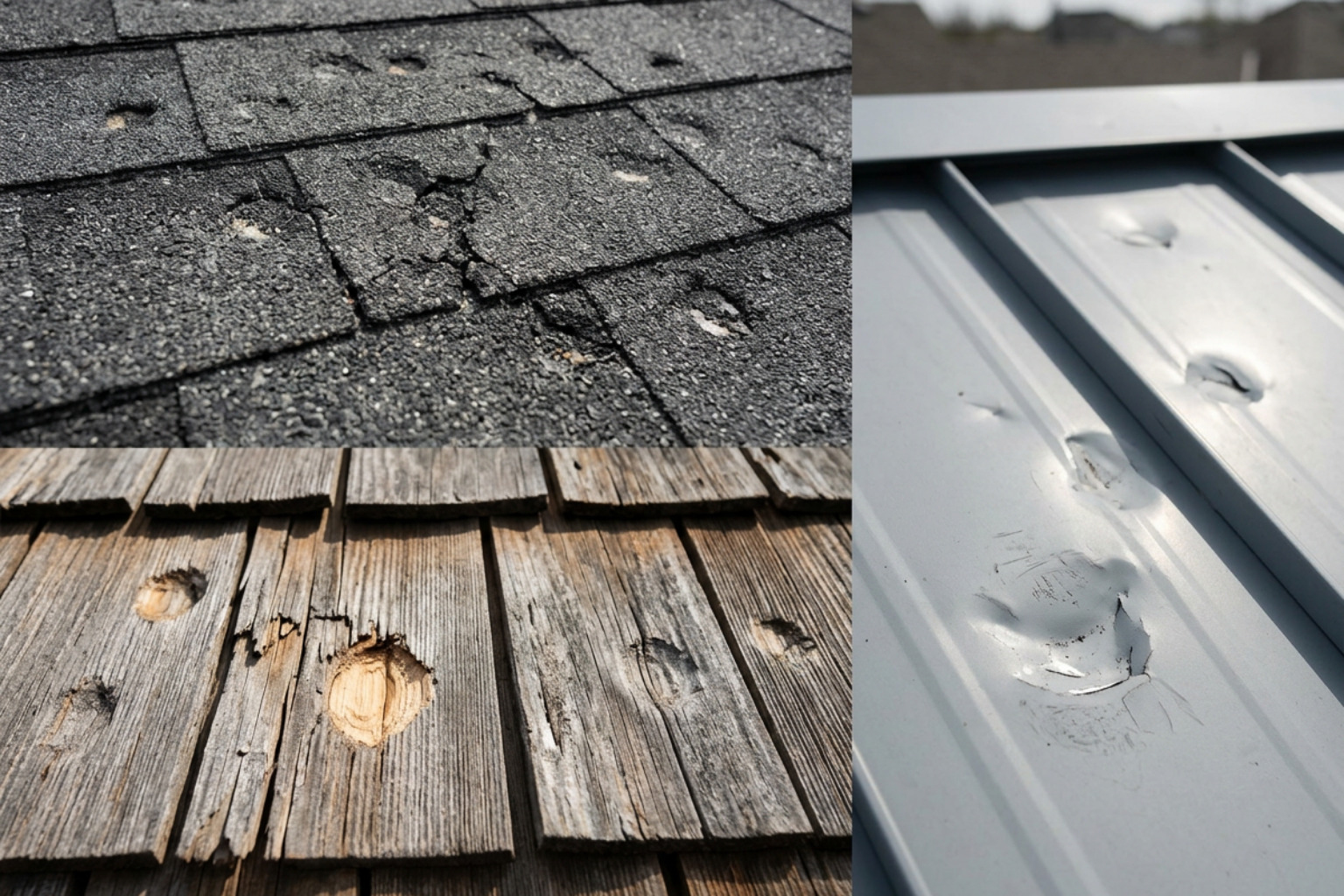
- Hail Damage: Large hailstones can severely impact roofs, vehicles, and exterior structures.
- Theft and Vandalism: Unfortunately, these incidents can result in significant property loss and require thorough documentation for a successful claim.
- Wildfire Impact: With more than 1,500 wildfires occurring in Arizona each year, property owners in areas like Sedona, Flagstaff Ranch, and Forest Highlands are no strangers to the threat of fire and smoke damage.
For commercial property owners, these events can also lead to significant business interruption, impacting operations and revenue. We understand the urgency of getting your business back on its feet after such an event.
Distinguishing Between Covered Perils
Navigating your insurance policy’s language can feel like learning a new language. Policies generally fall into two categories: “named perils” or “all-risk.”
- Named Perils Policies: These policies only cover damages specifically listed in the policy. If the cause of your damage isn’t on that list, it’s not covered.
- All-Risk Policies (also known as Open Perils): These policies cover all types of damage except for those specifically excluded. This is generally broader coverage, but those exclusions can be significant.
Common exclusions often include flood damage, earth movement (like earthquakes), and sometimes even mold if it’s not a direct result of a covered peril. It’s vital to understand these distinctions because, for example, standard homeowners insurance does not cover damages caused by flooding. For a deeper dive into this, you might find our article Why Covered Water Damage Isn’t Always Covered: What Arizona Homeowners Need to Know Before It’s Too Late particularly helpful.
Understanding your specific property coverage is paramount. We can help you review your policy to clarify what’s covered and what isn’t, providing clarity when you need it most.
Initial Steps After Property Damage
When disaster strikes, your first priority is always safety. Once you and your family or employees are safe, and emergency services (like 911) have been contacted if necessary, a few immediate steps can make a big difference in your claim process:
- Safety First: Ensure the property is safe to enter. If not, wait for professionals to clear it.
- Document Everything: This is perhaps the most crucial step. Take detailed photos and/or videos of all damaged property. Capture the overall scene and then zoom in on specific damages. This visual record is invaluable for your claim.

- Prevent Further Loss: Your policy typically requires you to take reasonable steps to prevent further damage. This might involve boarding up broken windows, placing tarps over damaged roofs, or shutting off water to a leaking pipe. Keep all receipts for any temporary repairs or mitigation efforts. Do not begin extensive permanent repairs until your insurer has had a chance to inspect the property, unless absolutely necessary and documented. This is a common pitfall that can jeopardize your claim, as detailed in our article Common Property Damage Claim Mistake.
- Notify Your Insurer: Contact your insurance company as soon as possible to report the loss. You can do this via phone, online portal, or through your agent. Be prepared to provide your policy number and a brief description of the damage.
These initial actions lay the groundwork for a smoother claims process and demonstrate your diligence as a policyholder.
Navigating the Arizona Insurance Claim Process Step-by-Step
The insurance claim process can feel like a maze, but understanding the steps and your role in them can make it much less daunting. As a family-owned Arizona business, we’ve walked countless property owners through this process, providing expert insurance claim help Arizona.
Key Timelines You Need to Know
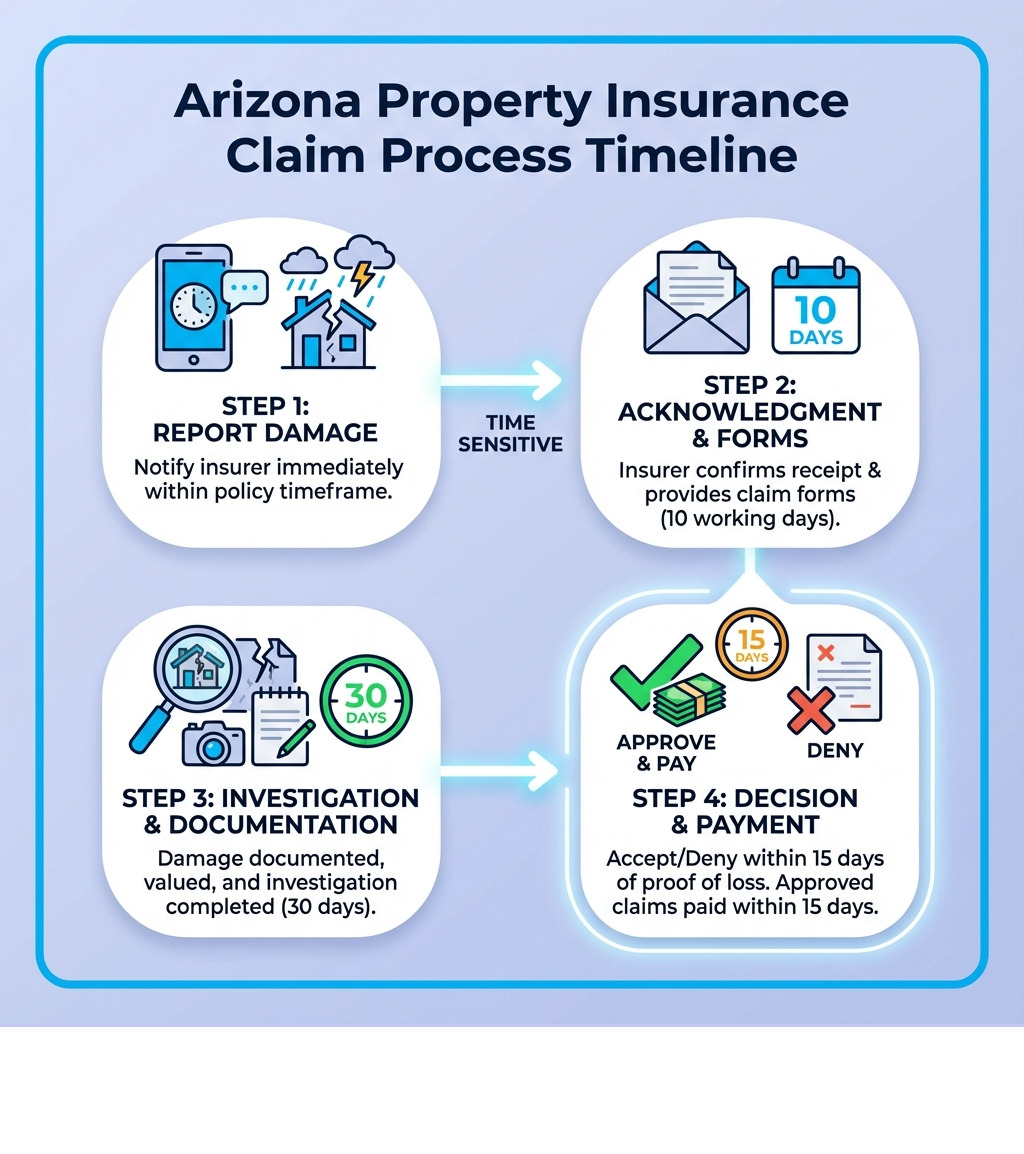
Arizona has specific regulations governing how quickly insurance companies must act. Knowing these timelines empowers you to hold your insurer accountable:
- 10 Working Days for Acknowledgment: Arizona insurers are required to acknowledge your claim and provide necessary claim forms, instructions, and reasonable assistance within 10 working days of notification of loss.
- 30 Days for Investigation: Your insurer must “complete investigation of a claim within 30 days after notification of claim,” unless it cannot reasonably be completed within that timeframe.
- 15 Days for Decision: Once they receive a sufficient proof of loss document from you, Arizona generally requires the insurer to accept or deny the claim in whole or in part within 15 days.
- 15 Days for Payment: Any approved portion of a claim must be paid within 15 days of the claim determination.
These timelines are crucial for ensuring your claim moves forward efficiently. Delays can be frustrating, and knowing these benchmarks helps you recognize when things might be going off track. For more insights on maximizing your claim, check out our guide on Maximize Your Residential Property Insurance Claim.
Your Rights and Responsibilities as a Policyholder
As a policyholder in Arizona, you have both rights and responsibilities that shape the claims process:
Your Rights:
- Right to a Prompt and Fair Investigation: Your insurer is obligated to investigate your claim thoroughly and without undue delay.
- Right to a Fair Evaluation: You have the right to a fair assessment of your damages based on the terms of your policy.
- Right to Information: Your insurer must provide you with necessary claim forms and instructions.
- Right to Appeal: If your claim is denied or underpaid, you have the right to appeal that decision.
Your Responsibilities:
- Cooperate with Your Insurer: Provide all requested information promptly and honestly.
- Prevent Further Damage: As mentioned, you must take reasonable steps to protect your property from additional loss after the initial damage.
- Provide Information and Documentation: This includes your initial notice of loss, a detailed list of damaged property, photos, videos, and any receipts for emergency repairs.
- Allow Property Inspection: You must make your property available for inspection by the insurance company’s adjuster.
- Keep Detailed Records: Document every interaction you have with your insurance company, including dates, times, names of people you spoke with, and what was discussed or promised. Save copies of all documents you send or receive. This meticulous record-keeping is vital.

For a comprehensive understanding of your rights and responsibilities, we highly recommend reviewing A Consumer Guide from the AZ DIFI. We are here to help you understand this guide and apply it to your specific situation.
Common Roadblocks: Denials, Delays, and Underpayments
Even with diligent effort on your part, facing a property claim can be challenging. It’s not uncommon for policyholders to encounter roadblocks such as claim denials, frustrating delays, or settlement offers that feel far too low. When seeking insurance claim help Arizona, understanding these potential issues is key to navigating them effectively.
Reasons for Claim Denial
An insurance claim denial can be disheartening. Here are some common reasons why a claim might be denied:
- Insufficient Documentation: If you don’t provide enough evidence (photos, estimates, inventory lists) to support your claim, the insurer may deny it.
- Policy Exclusions: The damage might be caused by a peril specifically excluded from your policy (e.g., flood damage not covered by standard homeowners insurance).
- Disagreements on Scope or Value of Damage: Your insurer’s adjuster might assess the damage differently than you or your contractor, leading to a dispute over what needs to be repaired or replaced, and for how much.
- Misrepresentation: If the insurer believes you misrepresented facts when applying for the policy or reporting the claim.
- Failure to Mitigate: If you didn’t take reasonable steps to prevent further damage after the initial loss.
- Damage Below Deductible: The estimated cost of repairs might not exceed your policy’s deductible.
Sometimes, a denial might be legitimate. Other times, it might be a tactic to underpay or avoid payment. Our article, Signs Your Insurance Company Underpaid, offers valuable insights into recognizing when a settlement might not be fair.
How to Respond to a Denied or Underpaid Claim
Receiving a denial or an unsatisfactory offer doesn’t mean the fight is over. Here’s how you can respond:
- Review the Denial Letter Carefully: The letter should state the specific reason(s) for the denial and refer to relevant policy language. This is your starting point.
- Gather Additional Evidence: Can you provide more photos, videos, contractor estimates, or expert reports to counter the insurer’s reason for denial? The more evidence you have, the stronger your case.
- Write a Detailed Appeal Letter: Clearly state why you believe the denial is incorrect, referencing your policy and attaching all supporting documentation. Be factual and objective.
- Understand the Internal Appeal Process: Your insurer should have an internal process for appealing decisions. Follow their instructions carefully.
This process can be complex and time-consuming. For specific guidance on water damage denials, our article Denied Water Damage Claim provides specialized advice. This is where expert insurance claim help Arizona can be invaluable.
Recognizing Insurance Bad Faith in Arizona
In Arizona, insurance companies owe their policyholders a duty of “good faith and fair dealing.” This means they must act honestly and fairly in handling your claim. When an insurer breaches this duty, it’s known as “bad faith.”
What constitutes bad faith?
- Unreasonable Denial or Delay: Denying a claim without a reasonable basis or unnecessarily delaying payment.
- Failure to Investigate Properly: Not conducting a thorough and timely investigation of your claim.
- Misrepresenting Policy Terms: Providing misleading information about your coverage.
- Offering Significantly Less: Proposing a settlement offer that is substantially less than the claim’s actual worth, without proper justification.
If you suspect your insurer is acting in bad faith, it’s crucial to document everything. Preserve all communications, notes, and evidence related to your claim. A second opinion can often shed light on whether your claim is being handled fairly. Our article Second Opinion Insurance Claim can help you determine if it’s time to seek expert guidance.
Specialized Support for Arizona Disaster Claims
Arizona’s natural beauty comes with unique environmental challenges, making specialized insurance claim help Arizona essential, particularly after a disaster. Our communities, from the desert landscapes of Ahwatukee to the mountainous regions near Prescott and Flagstaff, are susceptible to specific types of widespread damage.
Wildfire Risks
As we’ve noted, Arizona experiences over 1,500 wildfires each year. Beyond the immediate destruction, wildfires pose a significant, often overlooked, secondary risk: post-wildfire flooding. Areas impacted by wildland fire are at greater risk of flooding because the burned soil can’t absorb water as effectively. It’s critical to remember that standard homeowners insurance does not cover damages caused by flooding.
Monsoon Season Preparedness
Our monsoon season brings sudden, intense storms that can cause flash flooding, severe wind damage, and hail. Preparing for and recovering from these events requires specific knowledge of how insurance policies respond to such perils.
Resources for Wildfire and Flood Recovery
Navigating disaster recovery requires access to reliable information and resources. Here are some key ones:
- Arizona After Wildfire Guide: For those in areas affected by wildfires, the Arizona After Wildfire Guide provides crucial steps for recovery.
- DIFI Disaster Assistance: The Arizona Department of Insurance and Financial Institutions (DIFI) offers valuable disaster assistance resources to help policyholders during these challenging times.
- National Flood Insurance Program (NFIP): If you live in a flood-prone area, flood insurance is essential. There’s typically a 30-day waiting period for flood insurance to become effective, and it needs to be renewed annually. You can find more information at FloodSmart.gov.
- Verifying Contractors: After a disaster, unethical contractors often appear. Always verify the licensure of any construction, cleaning, or debris removal contractor with the AZ Registrar of Contractors before hiring them. You can also check the Better Business Bureau for complaints.
- Additional Living Expenses (ALE): If your property is uninhabitable after a covered loss, your policy may cover Additional Living Expenses (ALE) for temporary housing, food, and other necessary costs. We can help you understand and claim these benefits.
We understand the unique challenges Arizona property owners face after these events. Our local expertise means we’re familiar with the specific types of damage and the best approaches to securing a fair settlement.
Where to Find Professional Insurance Claim Help in Arizona
When your property is damaged, you might feel overwhelmed and unsure where to turn for reliable insurance claim help Arizona. While your insurance company has adjusters working on their behalf, you don’t have to steer this complex process alone.
The Role of an Arizona Public Adjuster
This is where a public adjuster like Hudson Douglas comes in. We are licensed professionals who work exclusively for you, the policyholder, not the insurance company. Our mission is to advocate for your best interests to ensure you receive a fair and complete settlement.
What does an Arizona public adjuster do?
- Advocacy for the Property Owner: We stand by your side, ensuring your voice is heard and your claim is treated fairly.
- Damage Assessment: We conduct our own thorough inspection of the loss site, carefully documenting all damages, often uncovering damage that the insurance company’s adjuster might overlook.
- Policy Interpretation: Insurance policies are complex legal documents. We interpret your policy to ensure all applicable coverages are identified and applied to your claim.
- Claim Documentation: We gather and organize all necessary evidence, including detailed estimates, photos, videos, and inventory lists, to build a strong case for your claim.
- Claim Negotiation: We handle all communications and negotiations with your insurance company, leveraging our expertise to secure the maximum possible settlement.
We manage every detail of your claim, allowing you to focus on rebuilding your life or business. The difference between a public adjuster and an insurance company’s adjuster is significant; one works for you, the other for the insurer. For a deeper understanding, read our article Public Adjuster vs. Insurance Adjuster: What’s the Difference?.
For commercial property owners, this advocacy is especially critical, as business interruption and complex property damage can have far-reaching financial implications. Our expertise extends to helping you Maximize Your Commercial Property Damage Insurance Claim.
At Hudson Douglas Public Adjusters, we operate on a contingency basis. This means we receive 12% of the final payout, and our clients do not pay out of pocket. We’re compensated only when you get paid, aligning our success directly with yours. We are family-owned and operated, locally based in Arizona, and offer 24/7 availability with over 40 years of combined expertise.
How to File a Complaint with the State
If you believe your insurance company or an insurance professional has violated Arizona law or engaged in unfair practices, you have the right to file a complaint with the state. The Arizona Department of Insurance & Financial Institutions (DIFI) is the regulatory body responsible for overseeing the insurance industry in our state.
When to consider filing a complaint:
- If your claim is unreasonably delayed or denied.
- If you suspect bad faith practices.
- If you believe an insurance professional acted unethically.
- If you are having trouble getting a response from your insurer.
The official complaint process:
- Gather Documents: Before you start, scan and save all relevant documents, such as your insurance card, policy, and any correspondence related to your claim.
- File Online: You can file a Consumer Complaint online through the DIFI’s official portal: File a Consumer Complaint with DIFI. The system allows you one opportunity to attach your documents during submission.
- Additional Documents: If you need to provide more documents later, contact DIFI at [email protected]. They will provide a secure method for transmission.
- No Duplicates: Do not send the same complaint through multiple channels (online, fax, mail) as online complaints are automatically entered into the system.
What to expect after submitting a complaint:
DIFI will investigate your complaint. Be aware that facts relating to complaints received by DIFI become public records pursuant to Arizona law. While DIFI cannot force an insurer to pay a claim, they can investigate whether the insurer followed the law and compel them to do so if they haven’t. This process can provide significant insurance claim help Arizona by ensuring regulatory oversight.
You’re Not Alone: Getting the Support You Deserve
Navigating property damage and the subsequent insurance claim process in Arizona can be one of the most challenging experiences a homeowner or business owner faces. We’ve covered the common types of claims, crucial timelines, your rights and responsibilities, and how to tackle denials, delays, and even bad faith practices.
The key takeaway is this: you don’t have to face it alone. Your insurance company has a team working for their interests; you deserve a team working for yours.
At Hudson Douglas Public Adjusters, we are committed to providing expert, local advocacy for our Arizona community. As a family-owned and operated business, we pride ourselves on our long-term presence and deep understanding of the unique property challenges across Paradise Valley, Queen Creek, Gilbert, Scottsdale, Chandler, Goodyear, Mesa, San Tan Valley, and other communities we serve. We are here to offer clear, calm, and knowledgeable guidance every step of the way. We speak both English and Spanish fluently, ensuring all our clients receive comprehensive support.
If you’re dealing with property damage, or if you’re concerned about a denied or underpaid claim, we invite you to reach out. Let us provide the insurance claim help Arizona property owners deserve.
For a complimentary policy review and claim consultation, please don’t hesitate to Contact Us. We’re here to help you move forward with confidence.