
Your First Step After the Flames
A personal property inventory list pdf is a detailed, room-by-room record of everything you owned before a fire, including descriptions, values, purchase dates, and photos—essential for filing a complete insurance claim and securing a fair settlement.
Quick Answer: What Should Your Personal Property Inventory List Include?
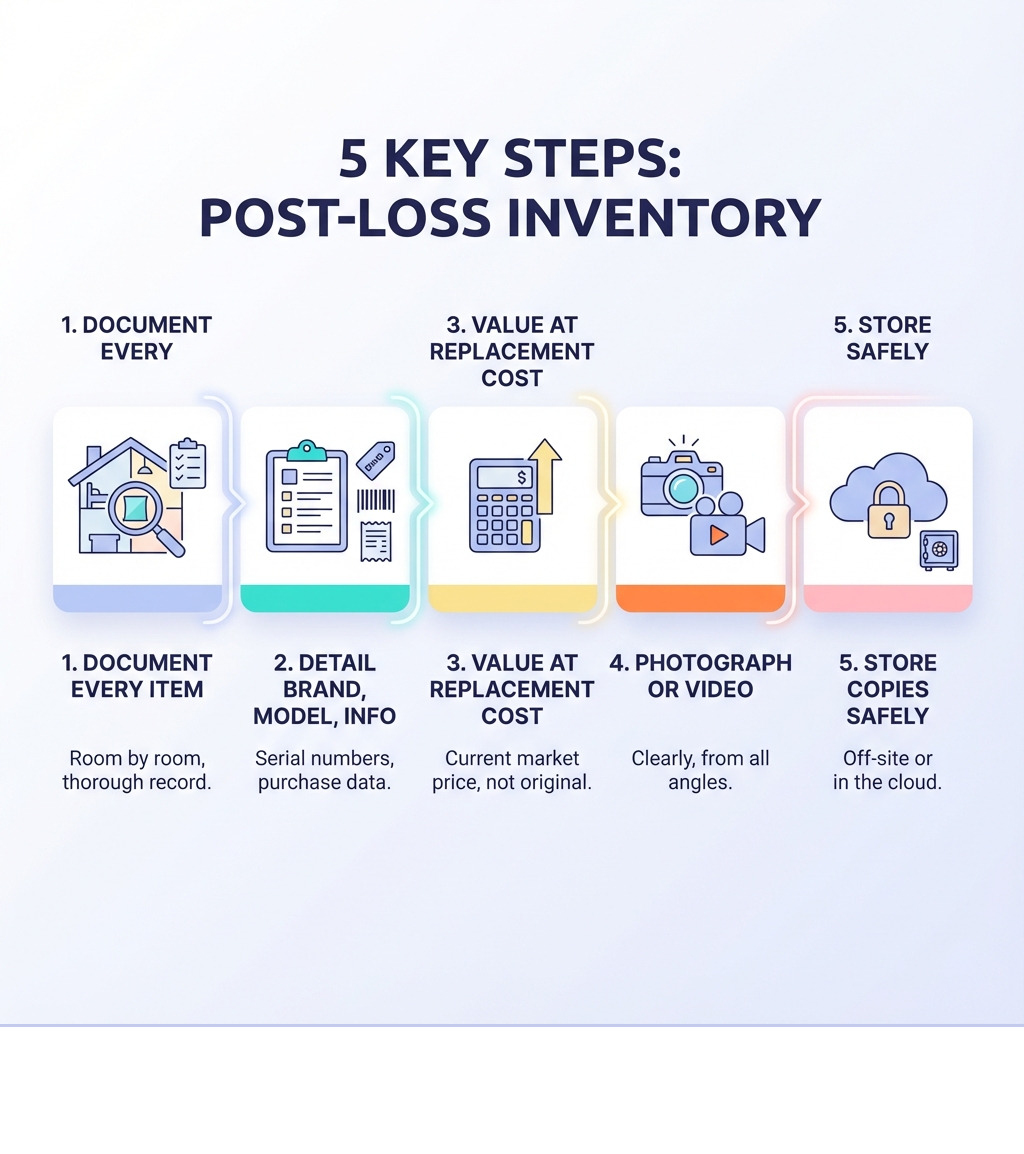
- Item descriptions (brand, model, serial number)
- Purchase date and original cost
- Current replacement value
- Quantity of each item
- Photos or videos of the item
- Receipts or proof of purchase (if available)
- Storage location (which room or area)
If your home was damaged by fire, you’re facing one of the most stressful experiences a property owner can go through. The flames are out, but the real work is just beginning.
One of the first things your insurance company will ask for is a complete list of everything that was damaged, destroyed, or lost. That list—your personal property inventory—can make the difference between a fair settlement and a lowball offer.
The problem? Most people don’t have an inventory prepared ahead of time. And trying to remember every possession from memory, while you’re stressed and displaced, is nearly impossible.
That’s where this guide comes in. We’ll walk you through exactly how to create a thorough, insurance-ready personal property inventory list—whether you’re starting from scratch after a loss or building one now to protect yourself in the future.
You’ll learn what information to include, how to organize it, where to store it safely, and how a detailed inventory helps you get every dollar you’re owed.
This isn’t just paperwork. It’s your roadmap to recovery.
Why a Detailed Inventory is Your Most Powerful Tool
When disaster strikes, the immediate aftermath is often chaotic and emotional. Whether it’s a fire, a flood, or a break-in, the thought of carefully listing every single item you owned can feel overwhelming. However, a detailed personal property inventory is not just a suggestion; it’s your most powerful tool in navigating the insurance claims process effectively.
Its primary purpose is to serve as irrefutable proof of what you owned and what was lost or damaged. Without this documentation, you’re relying on memory, which can be unreliable under stress, and the insurance company’s assessment, which may not always align with your true losses. An accurate inventory helps us, your public adjusters, to prove ownership and the true value of your possessions, paving the way for a faster, fairer settlement.
Consider this: preparing a list before something happens is easier than trying to write a list from memory later. This proactive step can save you immense time, money, and frustration. It helps to prevent scenarios where you might see Signs Insurance Company Underpaid your claim simply because you couldn’t fully articulate your losses.
A comprehensive inventory is vital whether you’re dealing with a partial loss, where only some items are damaged, or a total loss, where your entire home and its contents are gone. For partial losses, it helps ensure every damaged item is accounted for. For total losses, it provides a complete picture of your life’s possessions, enabling you to claim for everything, from the largest furniture piece to the smallest keepsake. It brings you peace of mind and helps avoid significant underpayment.
The Difference Between a Basic List and an Insurance-Ready Inventory
Many people keep a mental tally of their belongings, or perhaps a basic list from memory. While this might be a starting point, it’s rarely sufficient for an insurance claim. An insurance-ready inventory goes far beyond a simple list; it’s a carefully documented record designed to meet the rigorous requirements of insurance adjusters and support your claim for full compensation.
The key distinction lies in the level of detail and the valuation method. Insurance policies typically settle personal property claims based on either Replacement Cost Value (RCV) or Actual Cash Value (ACV).
- Replacement Cost Value (RCV): This is the cost to replace a damaged or lost item with a brand new one of similar kind and quality, without deduction for depreciation. This is generally what you want.
- Actual Cash Value (ACV): This is the replacement cost of an item minus depreciation. Depreciation accounts for the item’s age, wear and tear, and obsolescence. For example, a five-year-old sofa won’t be valued at the same price as a new one under ACV. The condition of your items is important when determining the amount of depreciation applied.
A detailed, insurance-ready inventory will include information that helps establish RCV or ACV, such as purchase dates, original costs, and the condition of items relative to their age. Without this detail, you risk making a Common Property Damage Claim Mistake that could reduce your payout.
What Happens If You Don’t Have an Inventory?
The consequences of not having an adequate personal property inventory list can be severe and costly, especially after a devastating event like a fire.
- Claim Delays: Insurance companies require a detailed list of personal property before paying a claim. Without one, you’ll face significant delays as you struggle to recall items and gather information from scratch. Any information requested, but not properly completed, will be returned to you and will delay payment of your claim.
- Disputed Items: Without proof of ownership or detailed descriptions, the insurance company may dispute the existence or value of certain items, making it harder to get them covered.
- Lower Settlement Offers: When you can’t provide specifics, insurers often default to lower estimates. It’s challenging to prove the true value of your possessions if you can’t describe them accurately or provide supporting documentation.
- Stress of Recalling Items: Trying to remember every single item you owned—from clothes and kitchenware to electronics and decorations—while dealing with the trauma of a loss is incredibly stressful and emotionally draining. It’s a task that can easily lead to forgotten items and, consequently, missed compensation.
- Potential for Denied Claims: In extreme cases, a lack of documentation could even lead to parts of your claim being denied, leaving you to bear the cost of replacing items out of pocket. For more on navigating this, see our guide on House Fire Claim.
How to Create Your Personal Property Inventory List PDF & Other Formats
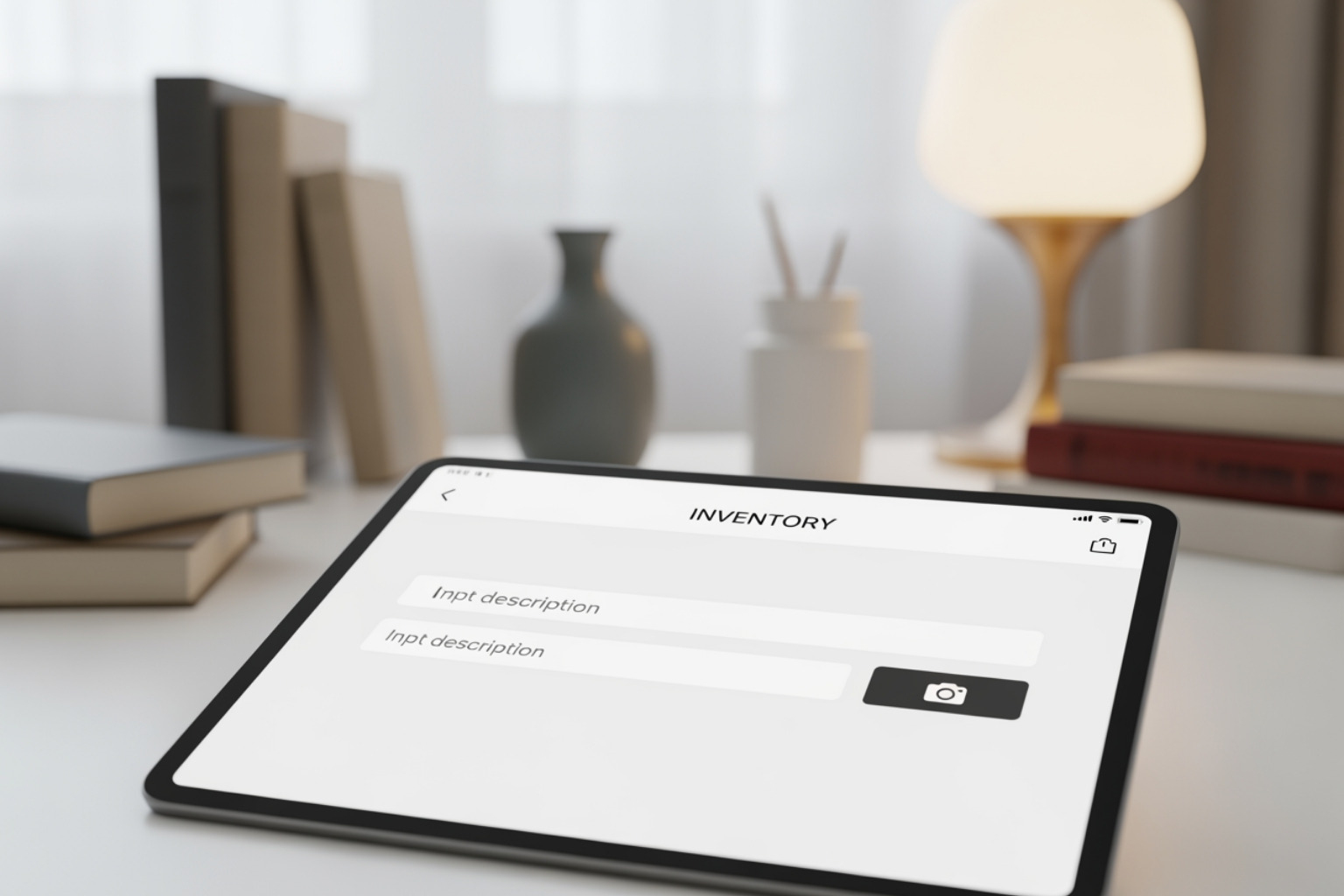
Creating a thorough personal property inventory might seem like a monumental task, but with a systematic approach, it becomes manageable. We recommend going room-by-room. This method helps ensure that no area, and therefore no item, is overlooked. Don’t rush the process; take your time to be as detailed as possible.
Before you even start listing, gather any existing documents you have: receipts for major purchases, owner’s manuals, warranty cards, credit card statements, and even family photos that might show items in your home. These are invaluable for proving ownership and establishing original costs. If you have a partner or family living with you, consider working as a team; two sets of eyes are always better than one.
Best Methods: Digital, Paper, or Video?
There are several effective methods for creating your inventory, and often, a combination works best.
- Digital Spreadsheets: Using a spreadsheet program (like Excel or Google Sheets) allows for easy organization, sorting, and calculations. You can create columns for item description, brand, model, serial number, purchase date, original cost, estimated replacement cost, quantity, and notes. This format is easily convertible to a personal property inventory list pdf for secure storage.
- Inventory Apps: Many smartphone apps are designed specifically for home inventory. They often allow you to take photos directly within the app, link them to items, and generate reports. While convenient, ensure the app allows you to export your data in a universally accessible format.
- Pen and Paper: A classic method, a written inventory can be very effective if kept organized. Print out a template and fill it in by hand. The key is legibility and secure storage. For additional guidance, a national organization like the Insurance Information Institute provides a helpful home inventory checklist.
- Video Walkthroughs: Grab your smartphone or camera and film a detailed video walkthrough of your home. As you film, verbally describe major items, their condition, and any unique features. Crucially, open drawers, closets, and cabinets to capture their contents. This method is excellent for capturing the sheer volume of items, especially “small stuff” that might be tedious to list individually. Remember to date the video.
- Photo Documentation: Take clear, well-lit photos of individual items, groups of items, and entire rooms from different angles. For high-value items, include close-ups of serial numbers, brand names, and unique details. Label and date your photos for easy reference.
- Storing Your List Safely: Regardless of the method you choose, secure storage is paramount. Keep a copy of your home inventory in a safety deposit box, a fireproof container, or give copies to a trusted family member who does not live in your home. Digital copies should be saved on a computer, emailed to yourself, and stored in a cloud-based storage account. This ensures that even if your home and its contents are completely destroyed, your inventory remains safe and accessible.
Using a Downloadable Personal Property Inventory List PDF
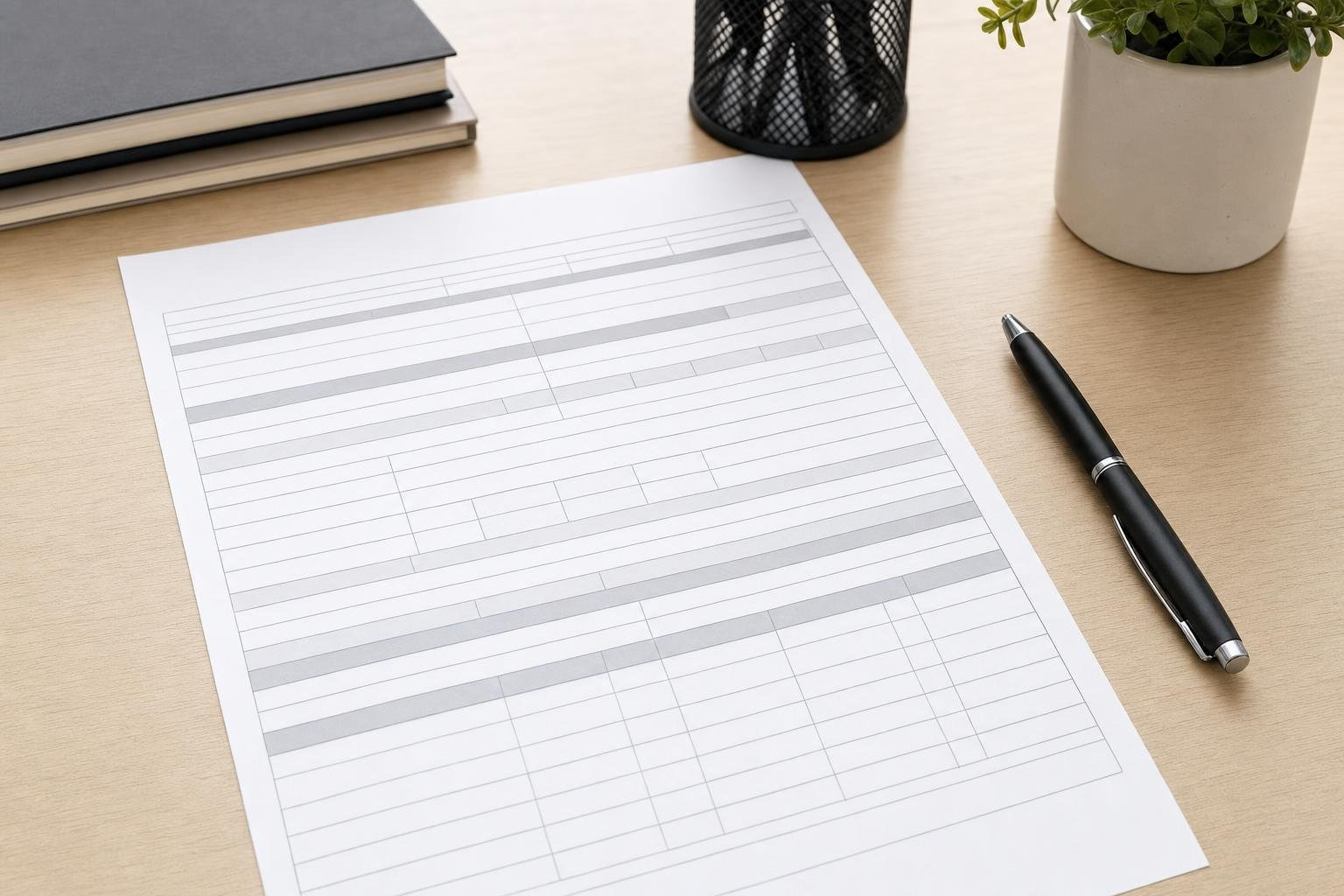
Many organizations, including various online resources and insurance providers, offer free downloadable templates for creating a personal property inventory list pdf. These forms often provide a structured, room-by-room approach that can simplify the process significantly.
When using such a template:
- How to fill out a PDF form: You can often fill out these PDFs directly on your computer using a PDF reader, or print them out and complete them by hand.
- Printing vs. digital completion: Digitally completing allows for easy editing, searching, and electronic storage. Printing provides a tangible copy that can be stored physically. We recommend doing both: complete digitally, then print a physical backup.
- Saving your work: If filling out digitally, save frequently and ensure you have multiple backups.
What Information to Include for Each Item
The more detailed you are, the stronger your claim will be. For every item, aim to capture the following:
- Item Description: Be as specific as possible. Instead of “TV,” write “Samsung 65-inch Smart 4K UHD LED TV.”
- Brand Name: (e.g., Apple, Sony, IKEA)
- Model & Serial Number: This is crucial for electronics, appliances, and other valuable items. A serial number is often the quickest way for an insurer to verify an item and its specifications.
- Purchase Date & Price: Even if you don’t have the exact receipt, your best estimate is valuable. This helps establish the original value and age for depreciation calculations.
- Estimated Replacement Cost: Research the current cost to replace the item with a new one of similar kind and quality. This is vital for RCV policies.
- Quantity: Simple but necessary, especially for items like sets of dishes or collections of books.
- Photos/Videos of the Item: Visual evidence is incredibly powerful. Include close-ups for detail.
- Receipts or Proof of Purchase: Keep these alongside your inventory, perhaps in a digital folder or a physical binder. Cancelled checks, credit card statements, and even owner’s manuals can serve as proof.
A Room-by-Room Checklist for a Complete Inventory
A room-by-room approach is the most effective way to ensure a comprehensive inventory. Start in one room and don’t move to the next until you’ve documented everything.
- Living Room: Sofa, chairs, coffee table, end tables, lamps, area rugs, television, stereo system, artwork, decorative items, books, curtains/blinds.
- Dining Room: Dining table, chairs, buffet, china cabinet, place settings, serving dishes, tablecloths.
- Kitchen: Refrigerator, stove, microwave, dishwasher, small appliances (toaster, blender, coffee maker), pots, pans, bakeware, dishes, silverware, glassware, pantry contents. Don’t forget food and freezer contents, which can add up to significant value.
- Bedrooms: Beds, mattresses, nightstands, dressers, armoires, lamps, bedding, artwork, personal electronics, clothing, shoes, accessories. Create a separate, detailed list for each bedroom, especially children’s rooms.
- Bathrooms: Towels, bath mats, shower curtains, toiletries, decorative items, small appliances (hair dryer, electric razor).
- Home Office: Desk, chair, computer, printer, monitor, scanner, external hard drives, office supplies, books, filing cabinets.
- Garage & Attic: Tools (power and hand), shelving, storage bins, sporting equipment, lawnmowers, outdoor furniture, holiday decorations, seasonal clothing, stored heirlooms.
- Outdoor Items: Grills, patio furniture, garden tools, landscaping equipment, decorations, children’s play equipment.
High-Value Items That Need Special Attention
Certain items typically have higher value or specific coverage limitations in standard homeowner policies. These require even more meticulous documentation:
- Jewelry & Furs: Standard policies often have low limits (e.g., $1,500-$2,500) for these items.
- Art & Antiques: Unique pieces, collections, and rare items.
- Electronics: High-end computers, cameras, audio-visual equipment.
- Collectibles: Coin collections, stamp collections, sports memorabilia, comic books.
- Firearms: Specific regulations and coverage limits usually apply.
For these items, it’s crucial to obtain professional appraisals and consider Scheduled Personal Property Coverage. This is an endorsement that allows you to list individual items and insure them for their appraised value, providing broader coverage than standard policy limits. This is a key step to Maximize Your Residential Property Insurance Claim.
Don’t Forget the “Small Stuff”
It’s easy to focus on big-ticket items, but the cumulative value of “small stuff” can be staggering. Don’t overlook:
- Clothing & Shoes: List by category (e.g., “10 pairs of jeans,” “5 business suits,” “15 pairs of shoes”).
- Linens & Towels: Sheets, blankets, comforters, bath towels, hand towels.
- Kitchenware & Food: Everyday dishes, pots, pans, utensils, and yes, the contents of your pantry, fridge, and freezer. These can add up to thousands of dollars.
- Tools & Hobby Supplies: Workshop tools, craft supplies, musical instruments, sports gear.
- Children’s Toys: A mountain of toys can represent a significant investment.
- Books & Media: Collections of books, DVDs, CDs, video games.
While you might not list every single sock, a general count and average value for categories of these items will provide a much more accurate total loss estimate.
Advanced Strategies for Maximizing Your Claim
Beyond simply listing items, there are strategic steps you can take to strengthen your claim significantly.
First, ensuring adequate coverage is paramount. Your personal property inventory isn’t just for after a loss; it’s a powerful tool to assess if your current insurance policy limits are sufficient. We often find that policyholders are underinsured, especially as their belongings accumulate over years.
Reviewing policy limits annually is a best practice. Your homeowner’s insurance policy covers valuable items such as jewelry, furs, art, and antiques, only up to set dollar amounts, which might not be enough for your situation. If the cost of replacing them exceeds these limits, you may want to purchase Scheduled Personal Property Coverage. This helps avoid potential coinsurance penalties, a clause often found in commercial policies but conceptually relevant to homeowners, where if you don’t insure your property to a certain percentage of its value (e.g., 80% of replacement cost), the insurer can reduce your payout even on partial losses. Regularly updating valuations using reliable methods is crucial.
The role of receipts & serial numbers cannot be overstated. These are concrete proofs of purchase and ownership. Keep them organized digitally or physically with your inventory. For items without receipts, credit card statements, photos showing the item in your home, and even owner’s manuals can serve as valuable supporting documentation.
Documenting non-itemized losses is also critical. For instance, if you have a wardrobe full of clothes without individual receipts, estimate the number of items by category (e.g., 20 shirts, 15 pairs of pants) and assign an average replacement value. Even if you don’t have a receipt, your detailed description and visual evidence from photos or videos can support your claim.
Finally, your personal property inventory can be used for purposes other than insurance claims. It’s an invaluable asset for estate planning, ensuring your wishes for your belongings are clear. It can also aid in claiming tax deductions for uninsured losses in certain circumstances.
The Role of a Public Adjuster in the Inventory Process
While creating your personal property inventory list pdf is your responsibility, navigating the claims process with that list can be complex. This is where we, Hudson Douglas Public Adjusters, step in. Our role is to represent your best interests, not the insurance company’s.
We work solely for the policyholder, acting as your advocate. This is a crucial distinction, as the insurance companies assign their own adjusters, but they work for the insurance company. Your public adjuster works for you. For a deeper understanding, read about the Public Adjuster vs. Insurance Adjuster: What’s the Difference?
When you entrust us with your claim, we assist in:
- Verifying Your List: We carefully review your inventory, ensuring it’s comprehensive and includes all necessary details. We’ll help you refine descriptions, research current replacement costs, and ensure nothing is overlooked.
- Negotiating with the Insurer: With your detailed inventory in hand, we present a robust claim to your insurance company. We speak their language, understand their processes, and negotiate aggressively on your behalf to ensure you receive a fair settlement.
- Taking the Burden Off You: After a loss, you’re already dealing with immense stress. We handle the paperwork, communications, and negotiations, allowing you to focus on rebuilding your life and your home.
- Ensuring Accuracy: Our 40+ years of expertise mean we know exactly what information insurance companies need and how to present it effectively to maximize your claim. We ensure your inventory accurately reflects your losses, down to the last detail.
Common Mistakes When Creating Your Personal Property Inventory List PDF
Even with the best intentions, people often make mistakes that can hinder their claim. Being aware of these pitfalls can help you avoid them:
- Forgetting Items: This is the most common mistake. Under stress, it’s easy to overlook items, especially those stored away or those considered “small stuff.” A room-by-room checklist and video walkthroughs are excellent preventative measures.
- Guessing at Values: While estimates are sometimes necessary, relying solely on guesswork for replacement costs can lead to significant underpayment. Research current prices for similar new items.
- Grouping Items Incorrectly: Avoid vague categories like “miscellaneous household goods.” Be specific. Instead of “men’s clothing,” itemize “5 pairs of jeans, 10 shirts, 2 jackets.”
- Not Providing Enough Detail: “TV” is not enough. “Samsung 65-inch Smart 4K UHD LED TV, Model UN65RU7100FXZA, Serial #123456789, purchased 2020 for $700, replacement cost $800” is much better.
- Not Taking Photos: Visual evidence is powerful. Without photos, it’s harder to prove the existence, condition, or quality of items.
- Storing the Only Copy at Home: If your home is destroyed, so is your inventory. Always store copies off-site, in a safe deposit box, or in the cloud.
- Not Updating Regularly: Your belongings change over time. Your inventory should be updated annually or after any significant purchases.
Making these mistakes can be costly. As we’ve seen, the Cost of Not Hiring Public Adjuster can be substantial, especially when coupled with an incomplete inventory.
Getting Help When You Need It Most
We understand that creating this inventory, especially after a fire, is not just a logistical challenge but also an emotional one. The emotional toll of inventorying your lost or damaged possessions can be immense, bringing back painful memories and adding to your stress.
You don’t have to face this alone. If you’re feeling overwhelmed, or if you suspect your insurance company isn’t offering a fair settlement, it might be time to ask for a Second Opinion Insurance Claim.
As a family-owned and operated, locally based Arizona business, Hudson Douglas Public Adjusters is deeply rooted in communities like Paradise Valley, Scottsdale, Chandler, Mesa, and throughout the Utah Wasatch Front. We pride ourselves on our long-term presence and commitment to serving our neighbors. We understand the unique challenges property owners face in our region, whether it’s dealing with monsoon damage or the aftermath of a fire.
We also ensure that all our clients are fully supported. We communicate fluently in both English and Spanish, so if you require Spanish-speaking support (Apoyo en español), we are here for you. Our local Arizona expertise means we’re familiar with regional nuances and can provide custom guidance.
The benefit of a professional advocate like us is clear: we take the burden off your shoulders, leverage our 40+ years of expertise, and fight to ensure you receive the full and fair payout you deserve, without any upfront fees. Our fee is 12% of the payout, meaning you don’t pay out of pocket; we only get paid when you do.
Conclusion: Rebuilding Starts with a Solid Foundation
Facing the aftermath of a fire is incredibly difficult, but with a carefully prepared personal property inventory list pdf, you lay a solid foundation for your recovery. This isn’t just a list; it’s your detailed record of what was lost, your proof of ownership, and your roadmap to a fair insurance settlement. It saves you time, reduces stress, and prevents potential underpayment.
We hope this guide empowers you to create an inventory that accurately reflects your losses and secures your financial future. Rebuilding starts with careful documentation.
At Hudson Douglas Public Adjusters, we are your trusted local partners, here to guide you through every step of the insurance claims process. As a family-owned business, we are committed to providing compassionate, expert advocacy to homeowners and commercial property owners across Arizona and the Utah Wasatch Front. We stand with you, ensuring you receive the full compensation you are entitled to.
Don’t let the fire burn you twice. Take control of your claim. Get help with your fire and smoke damage claim today.