Understanding Property Loss Adjusting: Who Fights for Your Claim?
Property loss adjusting is the process of investigating, documenting, and valuing damage to your property after a disaster—and determining what your insurance company owes you under your policy.
Quick Answer: What You Need to Know
- Property loss adjusting involves three types of professionals:
- Staff Adjusters – Employees of your insurance company
- Independent Adjusters – Contractors hired by your insurance company
- Public Adjusters – Licensed professionals who work only for you, the policyholder
- The adjuster inspects damage, documents losses, estimates repair costs, and interprets your policy
- Critical difference: Insurance company adjusters represent the insurer’s interests. Public adjusters represent your interests
- Most Arizona property owners don’t realize they can hire their own adjuster to fight for a fair settlement
When disaster strikes your home or business—whether from fire, water damage, storm, or another covered peril—you’re suddenly thrust into an unfamiliar insurance claims process. You’re dealing with stress, potential displacement, and business disruption. Meanwhile, your insurance company sends their own adjuster to assess the damage.
Here’s what many property owners don’t know: that adjuster works for the insurance company, not for you. Their job is to protect the insurer’s bottom line.
You have the right to hire your own expert—a public adjuster—who works exclusively on your behalf. At Hudson Douglas, we’ve spent over 40 years helping Arizona families and business owners steer this complex process. We know the stress you’re under, and we know how insurance companies operate.
This guide explains how property loss adjusting works, who the different players are, and how having an advocate on your side can mean the difference between accepting what’s offered and receiving what you’re truly owed.
What is Property Loss Adjusting? A Guide for Arizona Property Owners
At its core, property loss adjusting is about determining the true value of damage to property and ensuring that an insurance claim is legitimate and fair. When you experience a loss, a professional known as a loss adjuster steps in to investigate the circumstances, assess the extent of the damage, and interpret your insurance policy to establish what should be paid out.
A loss adjuster’s primary job is to close files, but the path to that closure varies greatly depending on who they represent. For us, it means carefully documenting every detail and fighting for the maximum possible settlement for you, our client. This involves a blend of technical knowledge, investigative skills, and the ability to communicate complex policy language clearly.
The day-to-day activities of a property loss adjuster are varied and often demanding. We conduct thorough site inspections, often in challenging conditions, to gather evidence and understand the full scope of the damage. This includes taking detailed photographs, measurements, and notes. We then use specialized software and our extensive experience to estimate the cost of repairs or replacement. Throughout this process, we’re constantly communicating – with you, with contractors, and critically, with the insurance company’s representatives, all while ensuring professional standards and ethical considerations are met.
The Association of British Insurers (ABI) defines a loss adjuster as a professional appointed by an insurer to confirm the circumstances of a claim, the extent of damage, and policy coverage, ultimately informing the insurer of the payout amount. While this definition highlights the insurer’s perspective, it underscores the core function of assessing and valuing a loss. However, it’s crucial to remember that not all adjusters work for the insurer. Organizations like The Chartered Institute of Loss Adjusters (CILA) set high professional standards, and their members, including many public adjusters, are committed to ethical practice and expert evaluation.
Handling Different Types of Property Damage
In Arizona, property owners face a unique set of challenges, from the intense summer heat and monsoon storms to the ever-present risk of wildfires. Our local expertise means we understand how these specific perils impact homes and businesses in areas like Paradise Valley, Gilbert, Mesa, and Flagstaff.
Regardless of the cause, property loss adjusting requires specialized knowledge to accurately assess the damage.
- Fire & Smoke Damage: Fires are devastating, often caused by electrical wiring, cooking accidents, or even wildfires that sweep through our beautiful state. Beyond the flames themselves, smoke can permeate every surface, and water used to extinguish the fire can cause extensive secondary damage. We carefully document all aspects, from structural integrity to air quality and contents, ensuring that everything from hidden smoke odors to water-damaged electronics is accounted for. You can learn more about how we handle these complex claims on our Fire & Smoke Damage page.
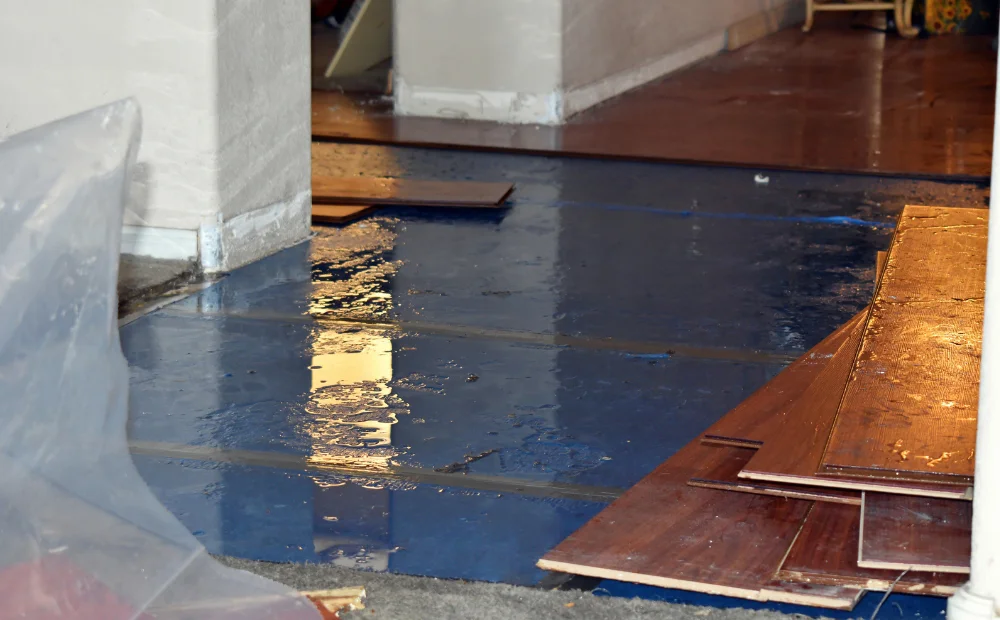
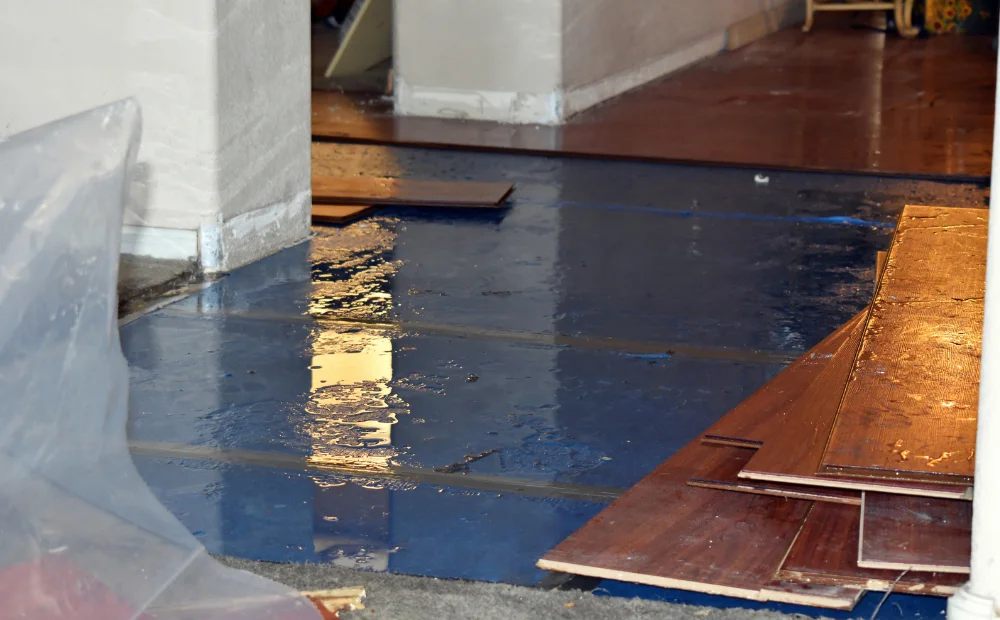
- Water Damage: This is one of the most common claims we see, whether from a burst pipe, a leaky roof after a monsoon, or even a slow, hidden leak. Water damage can lead to mold and structural issues if not addressed quickly and thoroughly. Our adjusters use specialized tools to uncover hidden water damage that might not be immediately visible, ensuring all affected areas are included in your claim. For more details, visit our Water Damage page.
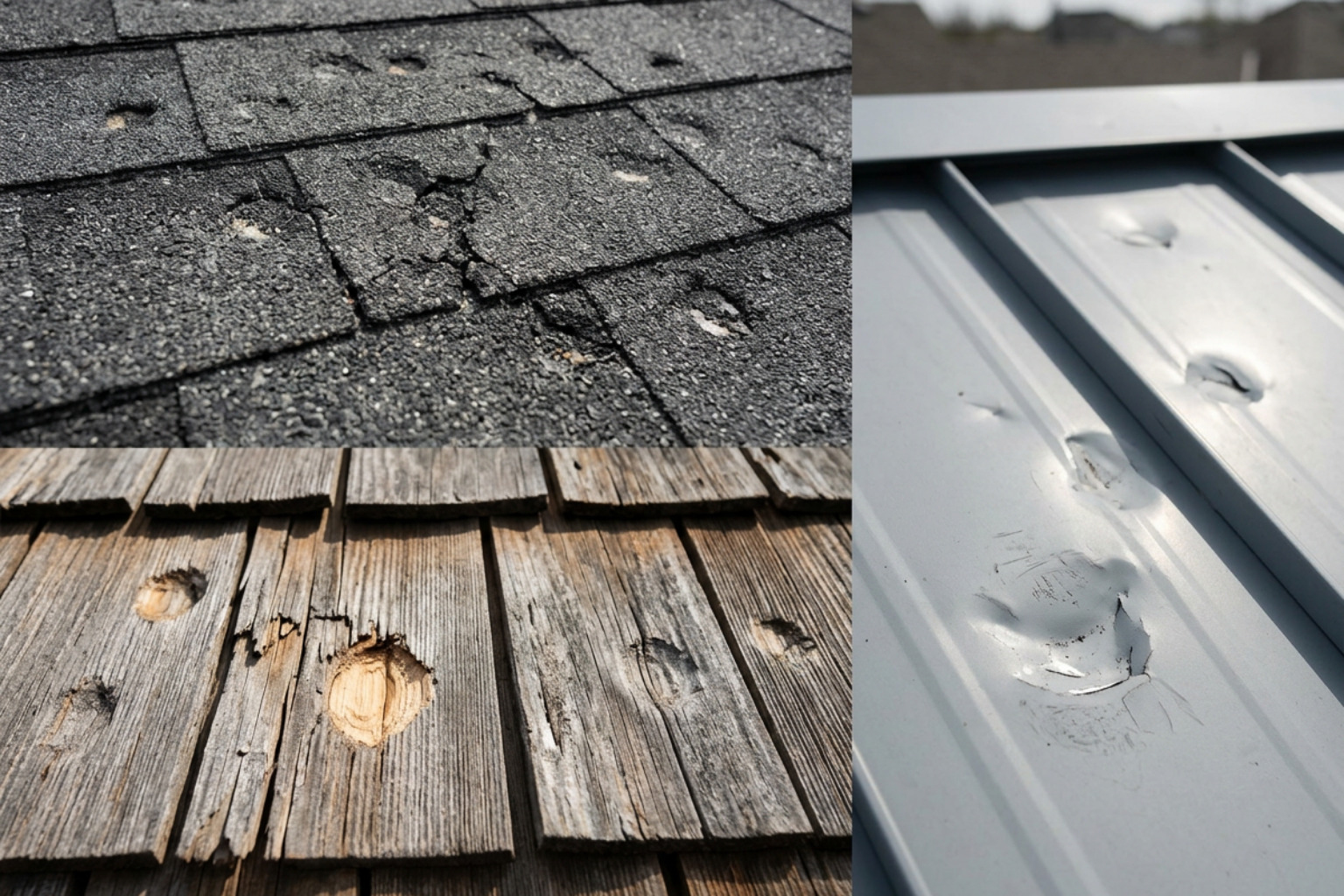
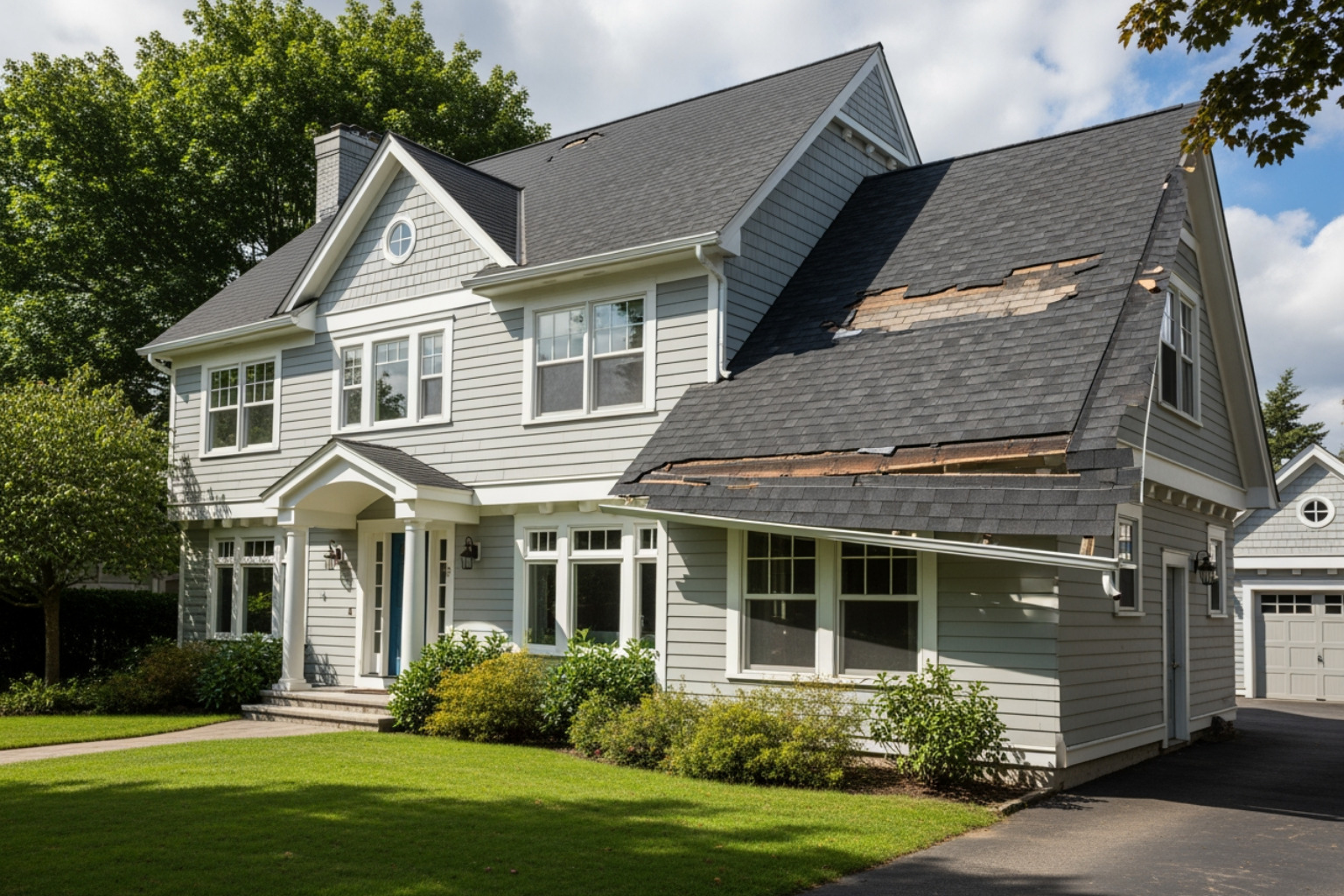
- Storm Damage: Arizona’s monsoon season can bring high winds, hail, and torrential rain, causing significant damage to roofs, siding, and even entire structures. Wind and hail damage are frequent issues for homeowners and commercial properties alike. We’re well-versed in assessing the nuances of storm-related losses, including those caused by wind and hail, as detailed on our Wind & Tornado Damage page.
- Theft & Vandalism: While less frequent than natural disasters, theft and vandalism can still result in substantial financial loss and emotional distress. Our team helps document stolen or damaged property, working to ensure fair valuation and proper compensation under your policy.
- Business Interruption: For commercial property owners, damage often extends beyond physical repairs to include lost income and ongoing operational expenses. This can be a complex area of property loss adjusting, requiring forensic accounting skills to accurately quantify the financial impact. Our Business Interruption services are designed to help businesses recover quickly and completely.
The Three Types of Adjusters: Who is Working for Whom?
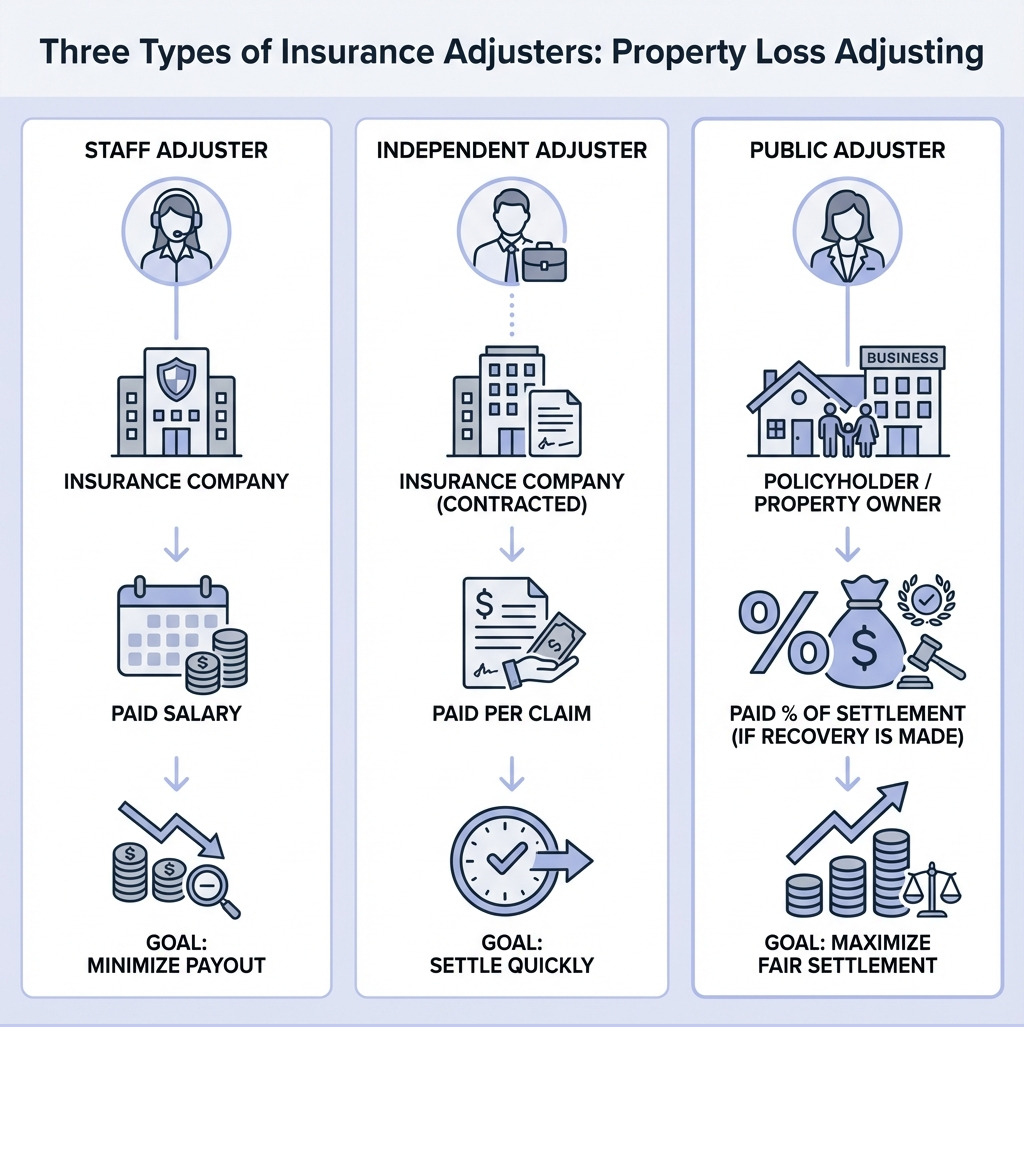
Understanding the different types of adjusters involved in property loss adjusting is perhaps the most crucial insight a policyholder can have. When a loss occurs, you might encounter a staff adjuster, an independent adjuster, or, if you choose to hire one, a public adjuster. The key difference lies in whom they represent.
| Adjuster Type | Who They Represent | Who Pays Them | Primary Objective | Potential Conflict of Interest |
|---|---|---|---|---|
| Staff Adjuster | The Insurance Company | Salary, benefits from the insurer | Protect the insurer’s financial interests | High |
| Independent Adjuster | The Insurance Company (contracted) | Fee per claim from the insurer | Quickly assess damage for the insurer, often to minimize payout | High |
| Public Adjuster | The Policyholder | Percentage of the policyholder’s settlement | Maximize the policyholder’s fair settlement | None |
For a deeper dive into these distinctions, you can read our article: Public Adjuster vs. Insurance Adjuster: What’s the Difference?
The Staff and Independent Adjuster: Working for the Insurance Company
Both staff adjusters and independent adjusters ultimately serve the same master: the insurance company.
- Staff Adjusters are salaried employees of your insurance company. Their loyalty and compensation are directly tied to the insurer. While they are bound by certain ethical guidelines, their primary directive is to protect the insurance company’s bottom line. This means they are trained to assess damage from the perspective of minimizing the payout. They will interpret policy language in the insurer’s favor and may overlook or undervalue certain damages.
- Independent Adjusters are external contractors hired by insurance companies, often on a per-claim basis or during periods of high claim volume, such as after a major storm. They can work for multiple insurance carriers. While they are not direct employees, their income depends on maintaining good relationships with the insurance companies that hire them. This creates an indirect pressure to handle claims in a manner favorable to the insurer. During catastrophic events, like widespread monsoon damage across Arizona, insurers often rely heavily on independent adjusters to manage the influx of claims, which can sometimes lead to rushed assessments.
In either case, neither a staff nor an independent adjuster represents your best interests. They are part of the insurance company’s team, and their goal is to settle your claim efficiently, which often translates to settling for the lowest reasonable amount under the policy.
The Public Adjuster: Your Advocate in Property Loss Adjusting
A public adjuster is a licensed professional who works exclusively for you, the policyholder. We don’t work for insurance companies, and our fiduciary duty is solely to our clients. This fundamental difference means our objective is completely aligned with yours: to secure the maximum possible settlement for your property damage claim.
At Hudson Douglas, we act as your dedicated advocate in the complex world of property loss adjusting. We:
- Represent your interests: We carefully review your policy, identify all potential coverages, and ensure that every aspect of your loss is documented and presented effectively.
- Level the playing field: Insurance companies have teams of experts; you deserve one too. We bring over 40 years of experience to the table, understanding the tactics and intricacies of insurance claims.
- Manage the entire process: From initial damage assessment and documentation to detailed estimating, negotiation, and final settlement, we handle the heavy lifting so you can focus on recovering and rebuilding.
- Fight for fair value: Policyholders have increased payouts by 10, 20, or even 50 times the initial insurance company offer when working with public adjusters. We aim to achieve a full and fair settlement for you.
- Local and family-owned: As a family-owned and operated business deeply rooted in Arizona, we understand the local challenges and care about our community. We treat your claim with the same dedication we would our own, with services available in both English and Spanish.
Having a public adjuster on your side can make a significant difference in the outcome of your claim. Learn more about how we can help homeowners on our Public Adjuster for Homeowners page.
The Claims Process: A Step-by-Step Guide
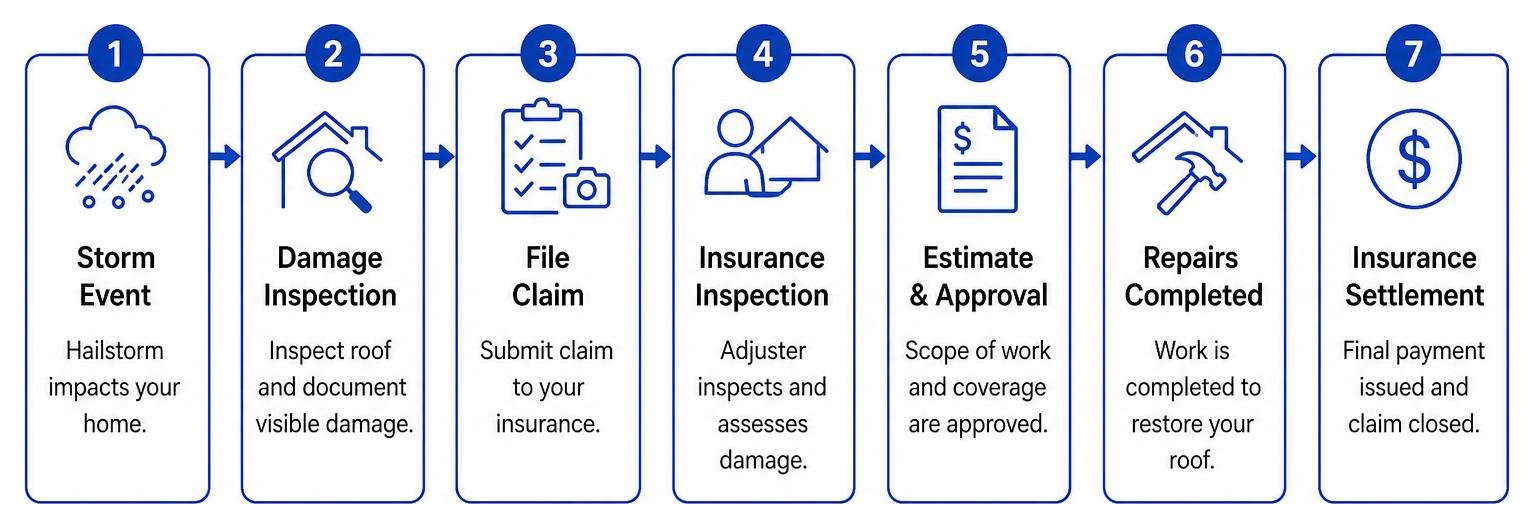
Navigating a property insurance claim can feel overwhelming, especially when you’re already dealing with the aftermath of damage. Having a clear understanding of the process, and an expert guide, can significantly reduce stress and improve your outcome. Here’s a simplified look at how the claims process typically unfolds with us by your side:
Step 1: Reporting the Loss and Initial Assessment
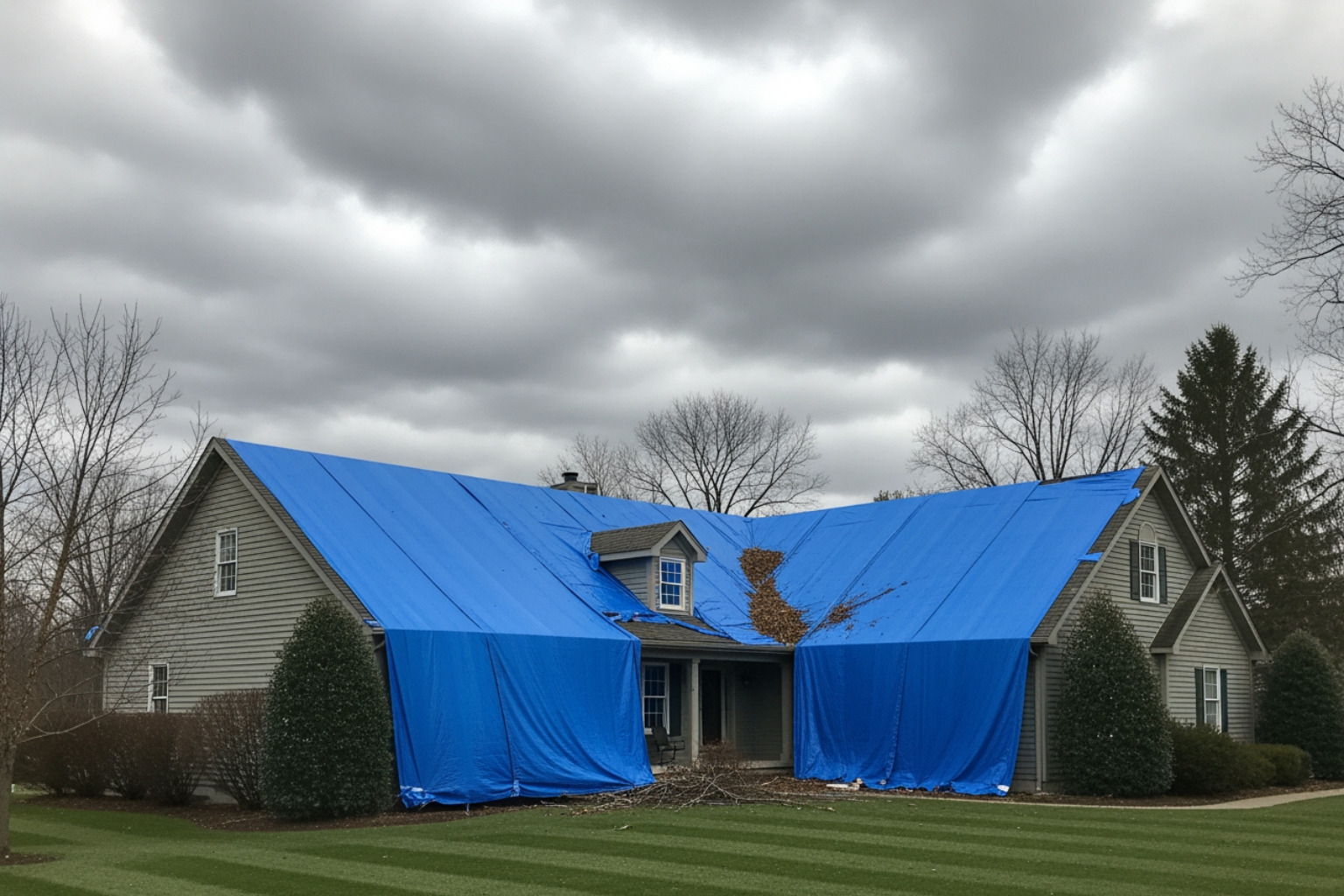
The moments immediately following property damage are critical. Your first priority should always be the safety of your family or employees. Once everyone is safe, the next crucial step is to protect your property from further damage. This might involve boarding up broken windows, placing tarps on a damaged roof, or drying out water-soaked areas. Remember to keep receipts for any emergency repairs or mitigation efforts, as these costs are typically reimbursable.
After securing your property, contacting your insurance company is necessary to initiate the claim. However, this is also the ideal time to involve a public adjuster. We recommend contacting us immediately, even before you speak with your insurance company. Why? Because the sooner we’re involved, the sooner we can begin building a strong case for your claim, ensuring no detail is overlooked from day one. We’ll review your policy, develop a strategic plan, and handle all communications with your insurer, giving you peace of mind.
Step 2: How We Determine Claim Value in Property Loss Adjusting
Determining the true value of your claim is where our expertise in property loss adjusting truly shines. This isn’t just about glancing at the damage; it’s a meticulous, detailed process.
- Detailed Scope of Loss: We conduct a comprehensive inspection to create a precise “scope of loss.” This document details every single item of damage, its extent, and the necessary repairs or replacements. Unlike preliminary inspections by an insurer’s adjuster, which might lack specific pricing, our scope includes the quality of materials, workmanship, and detailed measurements, forming the basis of a thorough estimate.
- Replacement Cost Value (RCV) vs. Actual Cash Value (ACV): Understanding these terms is vital.
- Replacement Cost Value (RCV) is the cost to repair or replace your damaged property with new materials of like kind and quality, without deduction for depreciation.
- Actual Cash Value (ACV) is the replacement cost less depreciation due to age, wear, and tear. Your policy typically pays ACV first, and then the difference up to RCV once repairs are completed. We ensure that depreciation is calculated fairly and that you receive the full RCV where applicable.
- Identifying Hidden Damage: Sometimes, the most significant damage isn’t immediately visible. Water can seep into walls, smoke can contaminate HVAC systems, and structural issues might be masked. Our experienced adjusters know what to look for, utilizing specialized tools and knowledge to uncover all damage, including the hidden kind. This is a common property damage claim mistake we help you avoid; learn more on our Common Property Damage Claim Mistake page.
- Estimating Software and Collaboration: We use industry-standard estimating software to prepare detailed, line-by-line repair estimates. We also collaborate with trusted contractors, engineers, and other specialists when necessary to ensure accuracy and comprehensive valuation, especially for complex or major claims.
Step 3: Negotiation and Reaching a Fair Settlement
Once we have fully documented and valued your claim, the negotiation phase begins. This is often where property owners find themselves at a disadvantage without professional representation.
- Submitting the Claim Package: We compile all the evidence, documentation, and detailed estimates into a robust claim package and submit it to your insurance company. This comprehensive presentation leaves little room for argument about the extent or cost of damages.
- Negotiating with the Insurer’s Adjuster: We handle all communications and negotiations with the insurance company’s adjuster. We are prepared to counter low offers, provide additional evidence, and advocate forcefully for every dollar you are entitled to under your policy. We understand that the insurer aims to protect their interests, and we are there to protect yours.
- Handling Disagreements: It’s not uncommon for initial offers to be significantly lower than the true cost of repairs. When disagreements arise, we have the experience and data to support our valuations. We challenge inadequate offers and ensure that all covered damages, including those for business interruption, are included in the settlement.
- Ensuring Fair Settlement: Our goal is not just a settlement, but a fair and complete settlement. We know the signs of an underpaid claim and how to address them effectively. If you’ve received an offer that seems too low, or if you suspect your claim is undervalued, our article on Signs Insurance Company Underpaid can provide valuable insights.
Why Hire a Public Adjuster? The Value of an Expert on Your Side
When your home or business suffers damage, the last thing you need is another battle. Yet, navigating the insurance claims process often feels exactly like that. This is precisely why hiring a public adjuster like Hudson Douglas can be one of the most beneficial decisions you make.
Here’s why having an expert on your side makes all the difference in property loss adjusting:
- Maximizing Your Claim: This is often the most compelling reason. While insurance company adjusters aim to minimize payouts, our sole focus is to maximize your fair settlement. We know the policies inside and out, understand the nuances of damage assessment, and are skilled negotiators. Statistics show that policyholders who hire public adjusters often receive significantly higher payouts. Professional Loss Adjusters have helped policyholders increase payouts by 10, 20, or even 50 times the initial insurance company offer. This isn’t just about getting more; it’s about getting what you’re truly owed.
- Saving Time and Reducing Stress: Dealing with property damage is stressful enough without the added burden of managing a complex insurance claim. We handle all the paperwork, phone calls, inspections, and negotiations. This frees up your time and energy, allowing you to focus on your family, your business, and rebuilding your life. We reduce the decision fatigue that often comes with insurance claims.
- Leveling the Playing Field: Insurance companies operate with vast resources and a team of experts—adjusters, lawyers, engineers. When you face them alone, you’re at a distinct disadvantage. A public adjuster acts as your advocate, providing you with the same level of expertise and representation, ensuring your voice is heard and your claim is taken seriously.
- Expert Policy Interpretation: Insurance policies are complex legal documents, often filled with jargon and fine print. Understanding what’s covered, what’s excluded, and what conditions apply can be incredibly difficult for the average policyholder. We carefully interpret your policy, identifying all applicable coverages and ensuring no benefit is overlooked. We bridge the gap between “Like a Good Neighbor” marketing and the reality of policy fine print, as discussed in our article: When Marketing and Fine Print Don’t Match.
- Thorough Documentation: The burden of proving your loss rests with you, the policyholder. We ensure that every piece of damage is thoroughly documented with photos, videos, detailed estimates, and supporting reports from experts. This comprehensive evidence is crucial for a successful claim.
- No Upfront Fees, No Recovery No Fee: We work on a contingency basis, meaning our fee is a small percentage (12%) of the final settlement after you receive it. You pay nothing out of pocket, and if we don’t recover anything for you, you owe us nothing. This aligns our success directly with yours.
The cost of not hiring a public adjuster can be substantial, often resulting in significantly underpaid claims or even outright denials. Don’t let yourself be a statistic. Understanding the true Cost of Not Hiring a Public Adjuster highlights the value we bring.
Frequently Asked Questions about Property Loss Adjusting
We understand you likely have many questions about property loss adjusting and how a public adjuster can assist you. Here are answers to some of the most common inquiries we receive from Arizona property owners:
When is the best time to hire a public adjuster?
The best time to hire a public adjuster is almost always as soon as possible after a loss occurs.
- Immediately After the Loss: Engaging us from day one allows us to be involved in the initial assessment, documentation, and communication with your insurance company. This proactive approach helps establish a strong foundation for your claim and prevents early mistakes that could jeopardize your settlement.
- Before Accepting a Settlement: If you’ve received an offer from your insurance company but haven’t accepted it yet, it’s not too late. We can review the offer, re-evaluate your damages, and negotiate for a higher, fairer settlement.
- After Receiving a Low Offer: If you feel your insurance company’s offer is too low, or if they’ve undervalued significant portions of your damage, a public adjuster can step in to challenge their assessment and reopen negotiations.
- If the Claim is Complex: Major damage, business interruption, or disputes over coverage can make claims incredibly complicated. A public adjuster has the expertise to steer these complexities.
You have the right to a Second Opinion Insurance Claim at any stage of the process.
How is a public adjuster paid?
At Hudson Douglas, we operate on a contingency fee basis. This means:
- Percentage of the Settlement: Our fee is a small, agreed-upon percentage of the final settlement we secure for you – typically 12%.
- No Upfront Costs: You don’t pay us anything out of pocket. We only get paid if and when you receive a settlement.
- No Recovery, No Fee: If we don’t recover any funds for your claim, you owe us nothing. This aligns our interests directly with yours; we succeed when you succeed.
Our fee is usually more than offset by the increased payout we secure for your claim, effectively making our services pay for themselves.
Can a public adjuster help if my claim has been denied?
Absolutely. A denied claim can be incredibly frustrating, but it doesn’t always mean the fight is over. We specialize in challenging denials and have a strong track record of success in these situations.
- Re-opening Denied Claims: We can review your denial letter and policy to understand the specific reasons for the denial.
- Submitting New Evidence: Often, denials are based on insufficient evidence or misinterpretations of policy language. We gather comprehensive documentation and evidence to support your claim.
- Identifying Policy Misinterpretations: We carefully analyze your policy to ensure that the insurance company’s interpretation is accurate and that they haven’t overlooked any coverage.
- Negotiating a Reversal: With a strong case, we can negotiate with the insurance company to reverse their denial and secure the settlement you deserve.
If your water damage claim has been denied, for example, our article on Denied Water Damage Claim offers specific guidance.
Your Local Partner in Navigating Property Claims
Recovering from property damage is stressful, but you don’t have to steer the insurance process alone. As a family-owned, Arizona-based firm, we at Hudson Douglas Public Adjusters understand the challenges our neighbors face. We handle the complexities of your claim with the care and expertise that comes from over 40 years of serving our community, allowing you to focus on what matters most. We are here to help, with services available in both English and Spanish. If you’re facing a property loss and need a trusted advocate on your side, contact us for a free consultation.