What Property Owners Need to Know When Disaster Strikes
A property damage adjuster is a licensed professional who investigates insurance claims after property loss and determines how much the insurance company should pay. There are three main types:
- Staff Adjusters – Employees of an insurance company who handle claims for that company only
- Independent Adjusters – Contractors hired by insurance companies, often during catastrophes
- Public Adjusters – Licensed professionals who represent you, the property owner, not the insurance company
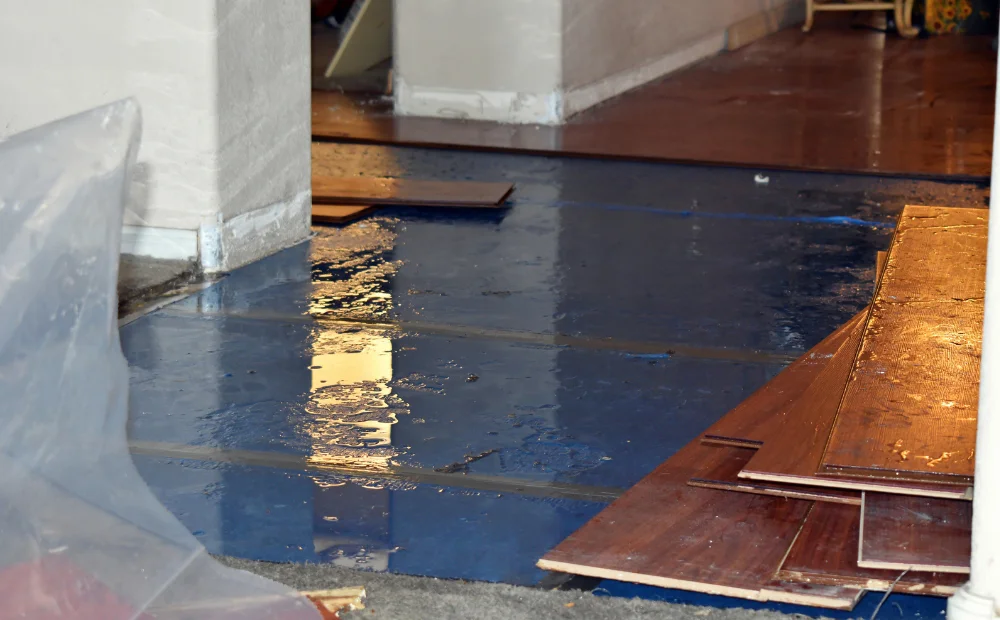
When a monsoon floods your Arizona home or a fire damages your commercial building, you file a claim expecting fair compensation. But the insurance company sends their own adjuster—someone working to protect the insurer’s bottom line, not yours.
That’s where understanding who’s really on your side becomes critical.
Most property owners don’t realize that the adjuster assigned by their insurance carrier works for the company, not for them. This creates an uneven playing field during one of the most stressful times in your life. You’re managing repairs, displacement, business interruption, and emotional strain while trying to steer dense policy language and negotiate with trained professionals whose job is to minimize payout.
The good news? You have options.
Arizona law allows you to hire your own property damage adjuster—a public adjuster—to level that playing field. At Hudson Douglas, we’ve spent over 40 years helping Arizona homeowners and commercial property owners secure fair settlements without the burden of managing every inspection, estimate, and negotiation themselves. We work on a contingency basis, receiving 12% of the payout only after you receive your settlement. You pay nothing out of pocket.
This guide will walk you through what property damage adjusters do, the critical differences between adjuster types, and how to make informed decisions during your claim process.
Property damage adjuster definitions:
What is a Property Claims Adjuster and What Do They Do?
At its core, a property claims adjuster is tasked with evaluating insurance claims related to damage or loss to residential or commercial property. When your Arizona home or business suffers damage from events like fire, flood, wind, or monsoons, it’s the adjuster’s job to step in and assess the situation. They investigate the property loss, gather details about the incident, and determine how much money the insurance company should pay to cover the damages.
This involves a comprehensive claim investigation, where they look at everything from the cause of the damage to the extent of the destruction. Their ultimate goal is to recommend a fair settlement based on the policy’s terms. However, as we’ll explore, “fair” can mean different things depending on whose interests the adjuster represents.
The Primary Responsibilities of a Property Damage Adjuster
The work of a property damage adjuster is multifaceted, requiring a blend of investigative skills, technical knowledge, and negotiation prowess. When we, as public adjusters, take on a claim for an Arizona property owner, we focus on these key responsibilities to ensure nothing is overlooked:
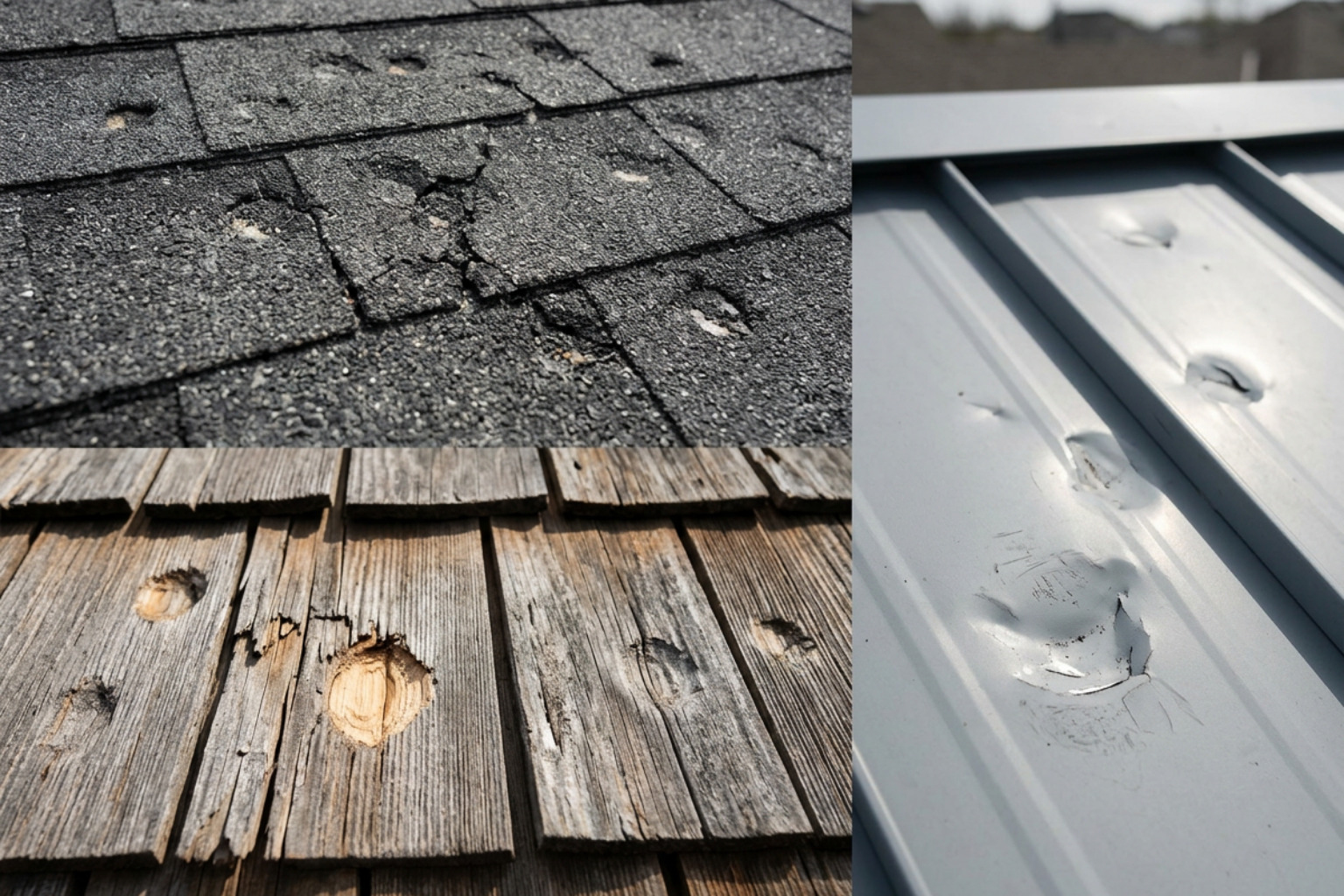
- Initial Inspection: This is often the first step, where the adjuster physically examines the damaged property. They’ll assess the visible damage and try to understand the scope of the loss. For instance, after a severe monsoon storm, we might be inspecting roof damage, water intrusion, or even structural issues.
- Detailed Damage Documentation: Thorough documentation is paramount. This includes taking extensive photos and videos, sketching the property layout, and making detailed notes about every affected area. We carefully document all damage, including hidden issues that might not be immediately apparent. This is vital because insurance carriers require policyholders to list all damaged contents, and our detailed documentation ensures accurate valuation.
- Policy Review (Explaining What’s Covered): Insurance policies are complex legal documents, often filled with jargon and “gray areas” that can be difficult for policyholders to interpret. A crucial responsibility is to review your specific policy to understand what’s covered, what exclusions apply, and what limits are in place. We help you understand your policy so you can make informed decisions.
- Cost Estimation: The adjuster estimates the cost of repairs or replacement. This often involves using specialized software. For property claims, Xactimate is the industry-leading estimating software, allowing adjusters to create detailed, line-by-line estimates for reconstruction and repairs.
- Claim Reporting: After the investigation and estimation, the adjuster compiles a comprehensive report for the insurance company. This report outlines the findings, the estimated costs, and the recommended settlement amount.
- Settlement Negotiation: Perhaps one of the most critical responsibilities, especially for a public adjuster, is negotiating with the insurance company. We present our findings, justify our estimates, and advocate for the maximum possible settlement to ensure you receive the full compensation you’re entitled to.
When disaster strikes, having a clear understanding of these responsibilities, and knowing who is performing them on your behalf, can significantly impact your recovery. We take pride in handling these details for our Arizona clients, allowing them to focus on rebuilding their lives or businesses. For more information about how we can assist you, please visit our page on property damage help company.
The Claims Process: From First Call to Final Settlement
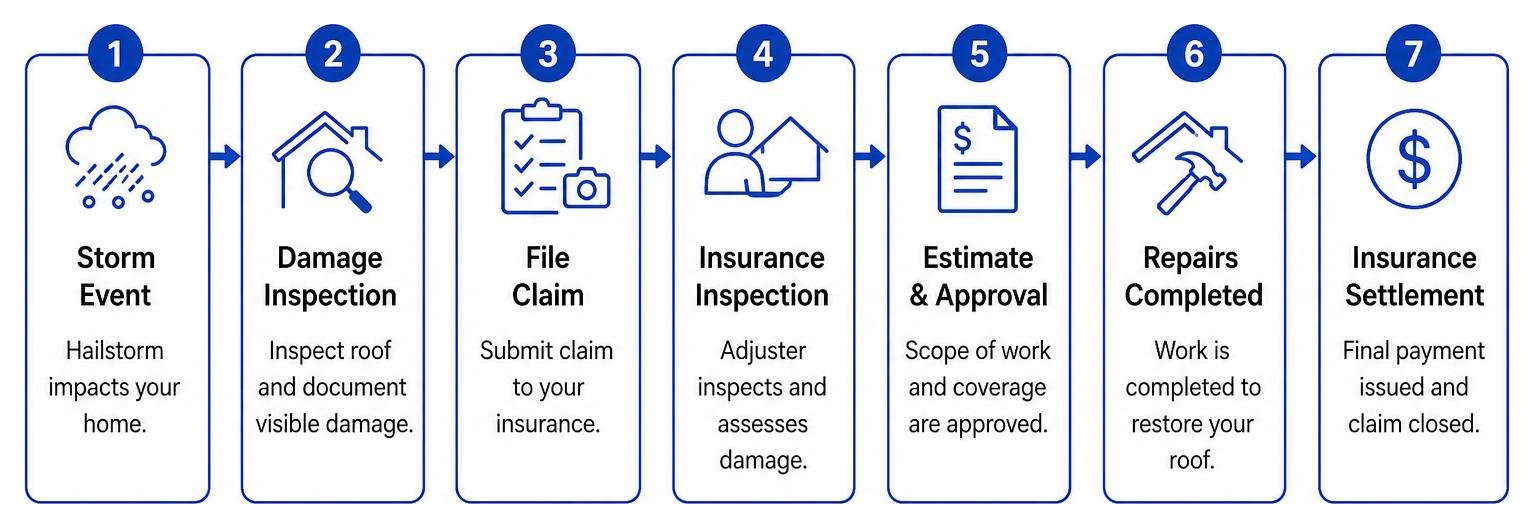
Navigating a property damage claim can feel overwhelming, especially when you’re dealing with the stress of a damaged home or business. We understand this, which is why we’ve streamlined the process to make it as clear and manageable as possible for our Arizona clients. Here’s a general overview of the steps involved, and how a public adjuster can guide you through each one:
- Initial Contact: The process begins when you, the policyholder, first report the damage to your insurance company. This is also the ideal time to contact us. We recommend calling a public adjuster first, as early involvement helps avoid common missteps and ensures your claim is set up correctly from the start. We can help you notify your insurer properly.
- Site Inspection: Once the claim is filed, an adjuster (either from the insurance company or, ideally, your public adjuster) will conduct a site inspection. This involves physically visiting your property to assess the damage firsthand. We perform a thorough inspection, often identifying hidden damages that might be overlooked, to ensure all losses are accounted for.
- Documenting Damage: As mentioned, meticulous documentation is key. This step involves taking detailed photographs, videos, and notes of all damaged areas and belongings. We also help create a comprehensive inventory of lost items, which is crucial for accurately valuing your claim. Proactively creating your own itemized list of possessions and taking photos/videos beforehand is a best practice.
- Creating Estimates: Based on the documented damage, an estimate for repairs or replacement costs is developed. We use industry-standard software like Xactimate to prepare detailed, line-by-line estimates that reflect the true cost of restoring your property to its pre-loss condition.
- Submitting Reports: All findings, documentation, and estimates are compiled into a comprehensive report. We submit this report to your insurance company, clearly outlining the scope of damage and the requested settlement amount.
- Negotiating with the Insurer: This is where our expertise truly shines. We handle all communications and negotiations with your insurance company, presenting our evidence and advocating for your best interests. We challenge low offers and ensure that all policy provisions are properly applied to maximize your settlement. Insurance companies often try to convince property owners to accept less money than their claim is worth, but we work to ensure you receive a full and fair settlement.
- Reaching a Settlement: The ultimate goal is to reach a fair settlement that covers all your losses. Once an agreement is reached, the insurance company will issue payment. We don’t get paid until you do, and our 12% fee comes directly from your settlement, so you pay nothing out of pocket.
This process can be complex and time-consuming, but with Hudson Douglas on your side, you have an experienced partner dedicated to navigating every step with you.
The Three Types of Adjusters: Who Works for Whom?
Understanding the different types of adjusters is crucial for any property owner facing a claim. It boils down to a fundamental question: Who does the adjuster work for? This distinction directly impacts whose interests are prioritized during the claims process. In Arizona, just like anywhere else, you’ll primarily encounter three types of adjusters: Staff Adjusters, Independent Adjusters, and Public Adjusters.
Staff and Independent Adjusters: Working for the Insurance Company
When you file a claim, your insurance company will assign an adjuster to your case. This individual will typically be either a Staff Adjuster or an Independent Adjuster.
- Staff Adjuster: This is an employee of your insurance company. They are on salary, receive benefits, and their loyalty is directly tied to the insurer. Their job is to investigate your claim, assess the damage, and determine the payout, all within the framework of their employer’s guidelines and financial interests. While they may be professional, their primary obligation is to their employer.
- Independent Adjuster: An Independent Adjuster is a contractor hired by insurance companies on a claim-by-claim basis, or during times of high claim volume, such as after a major storm or catastrophe. They work for multiple insurance firms but are still compensated by the insurance company that hired them. Like Staff Adjusters, their focus is on the insurer’s perspective, assessing the damage and recommending a settlement amount that aligns with the insurance company’s interests. They are sometimes referred to as “catastrophe claims adjusters” because they are often deployed to affected areas after large-scale events.
Both Staff and Independent Adjusters are focused on the insurer’s bottom line. While they must adhere to ethical standards, their role inherently involves protecting the insurance company from overpayment. This can create a conflict of interest with the policyholder’s goal of maximizing their settlement to cover all losses fully. This is a key difference we highlight in our blog post, Public Adjuster vs. Insurance Adjuster: What’s the Difference?.
The Public Adjuster: Your Advocate in the Claims Process
Unlike staff or independent adjusters, a Public Adjuster works solely for you, the policyholder. We are your dedicated advocate in the insurance claims process. Our role is to represent your best interests, ensuring you receive a fair and complete settlement for your property damage.
At Hudson Douglas, we are licensed professionals with over 40 years of experience in Arizona and the surrounding region, specializing in residential and commercial property claims. Our expertise lies in:
- Policyholder Representation: We interpret complex policy language, document your damages carefully, and prepare a comprehensive claim on your behalf. We handle all communications and negotiations with your insurance company, acting as your voice throughout the process.
- Maximizing Settlement: Our primary goal is to maximize your settlement. We identify all covered damages, including those often overlooked by company adjusters, and ensure they are accurately valued. This includes not just visible damage, but also potential hidden issues, business interruption losses for commercial clients, and additional living expenses for homeowners if they are displaced. As the research shows, public adjusters can “shine a bright light” on the “gray areas” of an insurance policy to uncover all due compensation.
- Contingency Fee Structure: We operate on a contingency fee basis. This means we only get paid if you get paid. Our fee is 12% of the final settlement we secure for you, and it comes directly from that payout. You pay nothing upfront and nothing out of pocket. This aligns our interests directly with yours – the more we recover for you, the more we earn. This transparency and commitment to your success are cornerstones of our family-owned business.
Hiring a public adjuster levels the playing field, ensuring that you have an expert on your side who understands the intricacies of insurance policies and the claims process. We help relieve the stress and burden of managing the claim yourself, allowing you to focus on getting your life or business back on track. To learn more about how a public adjuster can benefit you, read our article, Why You Need a Property Loss Assessor for Your Insurance Claim.
The Career Path of a Property Damage Adjuster
For those interested in the insurance industry, becoming a property damage adjuster can be a challenging yet rewarding career. It involves helping people during difficult times, assessing damage, and understanding complex policy details. However, the path and nature of the work can vary significantly depending on the type of adjuster you become.
The Bureau of Labor Statistics (BLS) provides a broad overview for claims adjusters, appraisers, examiners, and investigators. While these roles encompass various fields, the general trends and requirements offer insight into the adjusting profession. You can find more detailed information on the BLS website: Claims Adjusters, Appraisers, Examiners, and Investigators.
Qualifications, Salary, and Job Outlook
The journey to becoming a property damage adjuster typically starts with education and licensing, followed by ongoing training.
- Education Requirements: A high school diploma or equivalent is generally the minimum requirement to become a claims adjuster. However, some companies may prefer or require a bachelor’s degree, often in fields like business, finance, or criminal justice. For property adjusters, specific knowledge in construction, engineering, or related trades can be highly beneficial.
- Licensing: Adjusters must follow the licensing requirements in the states where they practice. Many states, including Arizona, have specific licensing requirements that can include pre-licensing education and passing a state exam. Maintaining a license also often requires continuing education, including ethics training.
- Training: New adjusters usually undergo on-the-job training, which can last a few months. This training covers policy interpretation, damage assessment techniques, negotiation skills, and the use of industry software like Xactimate for estimating property damage.
- Salary Potential: Earnings for property damage adjusters vary significantly based on their employment type, experience, and location.
- The median annual wage for claims adjusters, appraisers, examiners, and investigators (a broad category) was $76,790 in the most recent BLS data.
- Focusing specifically on property adjusters, salary sites commonly report that staff property adjusters often start in the mid-$40,000s per year, with experienced adjusters sometimes earning in the $60,000–$80,000 range.
- Independent adjusters, who are often contractors, tend to earn more when they have steady assignments, especially when deployed for catastrophe claims.
- Public adjusters, like us, have income that is directly tied to the settlements we help secure for our clients.
- Job Outlook: The overall employment of claims adjusters, appraisers, examiners, and investigators is projected by the BLS to decline about 5% over a recent ten-year period. Even with this decline, thousands of openings are still projected each year, primarily due to the need to replace workers who leave the occupation. You can find more details on the projected changes here: 2024 – 2034, insurance claims adjuster jobs are projected to decline 5%.
While the overall job outlook shows a modest decline in total positions, the need for skilled adjusters remains steady because property damage and accidents are an ongoing reality. The role can be stressful, especially when dealing with individuals who have suffered significant losses, but it can also be incredibly rewarding.
Key Skills for a Successful Adjusting Career
To excel as a property damage adjuster, a diverse set of skills is required. These are the qualities we value and cultivate in our team at Hudson Douglas, ensuring we provide the best possible service to our Arizona clients:
- Communication: Clear and empathetic communication is paramount. Adjusters must be able to explain complex policy terms to policyholders, gather information from various parties, and articulate their findings in reports. When policyholders are stressed, the ability to reassure them and explain next steps calmly is invaluable. We also understand that many in our community speak Spanish, and we are proud to communicate fluently in both English and Spanish to ensure everyone is fully supported.
- Negotiation: A significant part of the job involves negotiating with insurance companies to reach a fair settlement. This requires strong persuasive skills, a deep understanding of policy language, and the ability to justify estimates with solid evidence.
- Empathy: Property damage often comes with emotional distress. Successful adjusters must approach each claim with empathy, understanding the policyholder’s situation, and offering reassurance. This “human side of claims” is something we deeply believe in, treating our clients with the care and respect they deserve.
- Construction Knowledge: For property damage, a solid understanding of building construction, materials, and repair costs is essential. This allows adjusters to accurately assess damage, create realistic estimates, and communicate effectively with contractors. Learning industry software like Xactimate is also a critical skill for creating detailed estimates.
- Analytical Skills: Adjusters must analyze various pieces of information, from policy documents to damage reports and repair estimates, to make informed decisions about coverage and settlement amounts.
- Time Management: Adjusters often manage multiple claims simultaneously, especially during catastrophe events like major Arizona dust storms or floods. Efficient time management and organizational skills are crucial to keep claims moving forward and meet deadlines.
- Customer Service: Even when delivering difficult news, maintaining a professional and helpful demeanor is key. Providing excellent customer service means being responsive, patient, and dedicated to helping policyholders steer their claims journey.
These skills, combined with integrity and a commitment to advocacy, define a successful property damage adjuster. For us, it’s about being a trusted partner, helping our community rebuild after unexpected events.
Frequently Asked Questions for Arizona Property Owners
As a family-owned, Arizona-based business, we often hear similar questions from homeowners and commercial property owners across Paradise Valley, Scottsdale, Mesa, Gilbert, Chandler, Queen Creek, Goodyear, and beyond. We understand that dealing with property damage is stressful, and we’re here to provide clear answers. For more insights, you can visit our pages on Public Adjuster for Homeowners and Insurance Claim Help Arizona.
How can a public adjuster help with my Arizona property claim?
A public adjuster acts as your dedicated advocate. We understand Arizona’s unique challenges—like monsoon storms, wildfire risks, and heat-related material issues. We handle every detail, from thorough documentation to negotiating with your insurance carrier, so you receive a fair settlement without the stress of managing the claim alone.
Our deep local roots mean we’re familiar with the types of damage prevalent in areas like San Tan Valley, Cave Creek, Ahwatukee, and the greater Phoenix area. We know what to look for, how to properly value your items, and how to avoid common roadblocks in the claims process. We ensure that your claim’s narrative is crafted with research, proof, and full documentation, presenting a comprehensive case to your insurer. This expertise helps uncover money you are entitled to that might be hidden in the “gray areas” of your policy. We provide the same level of support in English and Spanish so every member of our community can feel fully informed and comfortable asking questions. For more specific information about our services in Arizona, please refer to our Arizona Public Adjuster page.
When is the right time to hire a public adjuster?
The best time to call a public adjuster is as soon as you find property damage. Early involvement helps avoid common missteps and ensures your claim is set up correctly from the start. We can guide you through the initial steps, ensuring all necessary documentation is gathered from day one.
However, if your claim is delayed, denied, or you’ve received a low offer, we can step in at any stage to provide a Second Opinion Insurance Claim and help get your recovery back on track. It’s never too late to seek expert help if you feel your claim isn’t being handled fairly. Many policyholders find themselves in a difficult position when the insurance company’s adjuster presents a low settlement. That’s when we step in to re-evaluate the damage, re-calculate the true cost of repairs, and re-negotiate on your behalf.
What is the difference between a property adjuster and other types of insurance adjusters?
The primary difference lies in their area of specialization. Property adjusters specialize exclusively in damage to structures like homes, commercial buildings, and their contents. Their training, licensing, and expertise are focused on understanding building codes, construction methods, material costs, and the complexities of restoring property after events like fire, water damage, or windstorms. They are experts in the physical aspects of a building and everything within it.
Other types of adjusters might handle different kinds of claims, such as adjusters who focus on health or liability claims. However, Hudson Douglas only handles property claims—never vehicle or auto claims. Our focus is solely on the residential and commercial properties that are central to our Arizona communities, from the homes in Catalina Foothills to the businesses in Prescott.
Conclusion: Taking Control of Your Property Claim Recovery
Navigating the aftermath of property damage can be one of the most challenging experiences a homeowner or business owner faces. Understanding the role of a property damage adjuster and, more importantly, knowing who represents your best interests, is crucial for a successful recovery. While insurance company adjusters fulfill an important function for their employers, a public adjuster stands as your dedicated expert advocate, working to secure a fair settlement.
At Hudson Douglas, we believe in empowering our Arizona community with knowledge and steady support. As a family-owned, Arizona-based firm, we have provided professional guidance to local property owners for over 40 years. We believe you deserve a fair outcome, and our entire process is built on trust and transparency. We are proud to serve our diverse communities across Arizona, including the cities of Flagstaff, Sedona, and across the Utah Wasatch Front. Hablamos español y estamos aquí para servir a toda nuestra comunidad en su idioma preferido.
If you are facing a property loss and need a trusted partner on your side, we are here to help. Reach out to us for a free, no-obligation consultation, and let us put our experience to work for you.
https://hudsondouglaspublicadjusters.com/