What You Need to Know About Property Damage Claims
A property damage claim is a request for compensation from your insurance carrier after your home or commercial building is damaged by a covered event like fire, water, wind, or vandalism. The process involves reporting the loss, documenting the damage, working with insurance adjusters, and negotiating a fair settlement to repair or replace what was destroyed.
Quick Overview: The Property Damage Claim Process
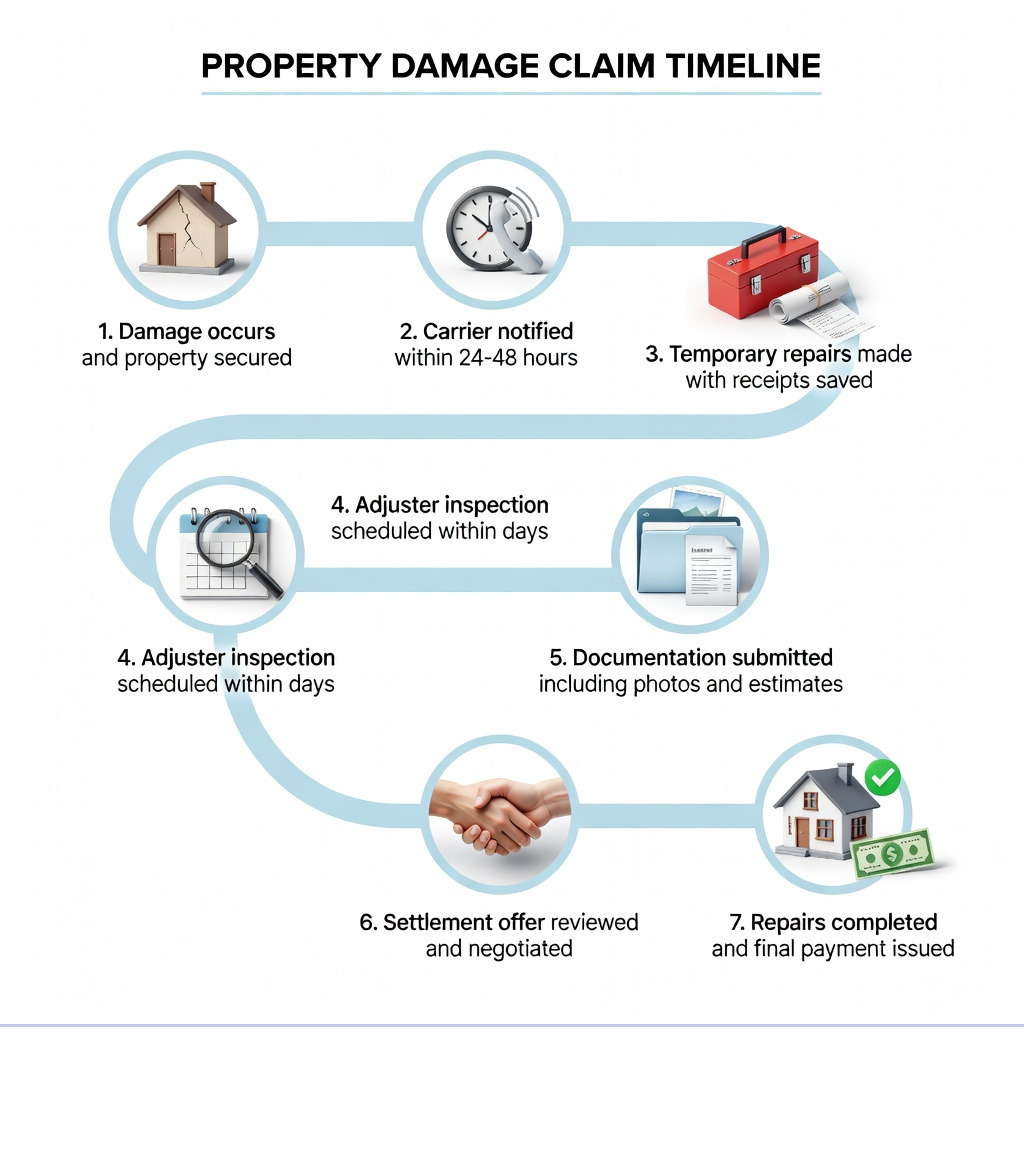
- Report the damage to your insurance carrier immediately with basic details
- Protect your property from further loss with temporary repairs (save all receipts)
- Document everything with photos, videos, and detailed lists of damaged items
- Meet with the adjuster who will inspect and assess your damage
- Review the settlement offer and negotiate if it doesn’t cover your actual losses
- Complete repairs once you receive payment (often in stages)
If you’ve recently experienced property damage in Arizona—whether from a monsoon storm, wildfire, burst pipe, or other disaster—you’re likely feeling overwhelmed. The insurance claims process is confusing even under normal circumstances, and it’s exponentially harder when you’re dealing with the stress of a damaged home or disrupted business.
You’re not alone in feeling this way. Most property owners aren’t familiar with insurance policy language, coverage limits, or the negotiation tactics adjusters use to minimize payouts. The burden of proving your loss falls entirely on you, and without proper documentation and advocacy, you risk accepting far less than your policy actually covers.
This guide walks you through every step of the property damage claim process in plain language. We’ll explain what happens from the moment damage occurs through final settlement, what your insurance company expects from you, and where property owners commonly run into trouble. Whether you’re dealing with residential or commercial property damage, understanding this process helps you protect your rights and secure a fair outcome.
Hudson Douglas Public Adjusters has been helping Arizona property owners navigate this exact situation for over four decades. We understand the regional challenges—from monsoon damage to wildfire impacts—and we know how local carriers handle claims. As a family-owned business, we treat every client the way we’d want our own family treated during a crisis. And because we work on your side of the claim, not the insurance company’s, our only goal is getting you the full settlement your policy provides.
Property damage claim helpful reading:
The Fundamentals of a Property Damage Claim
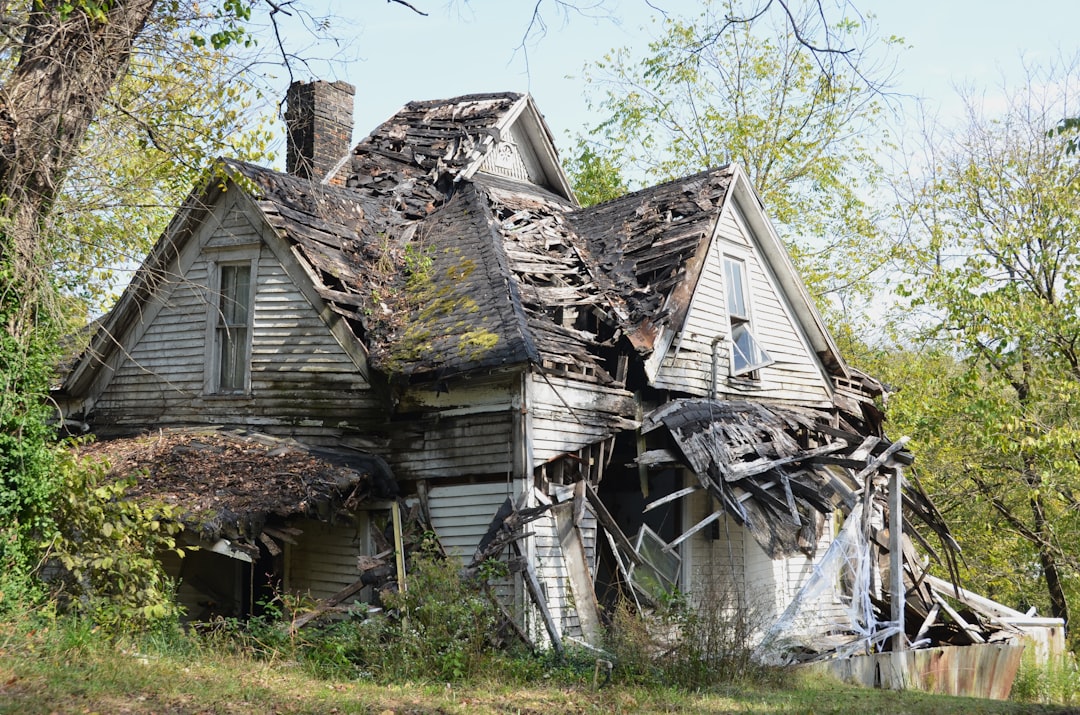
At its core, in the legal and insurance world, property damage refers to any physical harm to tangible property. This damage can result from negligent conduct (like a neighbor’s tree falling because they ignored its rotting trunk) or acts of nature (like a microburst tearing off roof shingles).
When you file a property damage claim, you are essentially telling your insurance company: “Something happened that I pay you to protect me against, and now I need the funds to fix it.” This applies to various scenarios, including fire damage, water intrusion, storm impact, and even criminal acts like vandalism.
Defining Real vs. Personal Property
Insurance policies generally divide your world into two categories:
- Real Estate (Real Property): This includes the land and anything permanently attached to it, such as your home’s structure, commercial warehouses, fences, and even trees or crops growing on the land.
- Personal Property: These are the movable items inside your structures. Think household goods, furniture, electronics, business equipment, and inventory.
Understanding this distinction is vital because different parts of your policy cover different types of property. For instance, your dwelling coverage handles the walls, while personal property coverage handles the couch. For more details on how to categorize these items, check out this info about reporting property destruction.
Common Causes of Property Loss in Arizona
Being locally based in Arizona, we see specific types of damage more frequently than others. Our desert landscape brings unique risks:
- Monsoon Storms: High winds and sudden flooding can wreak havoc on residential and commercial roofs.
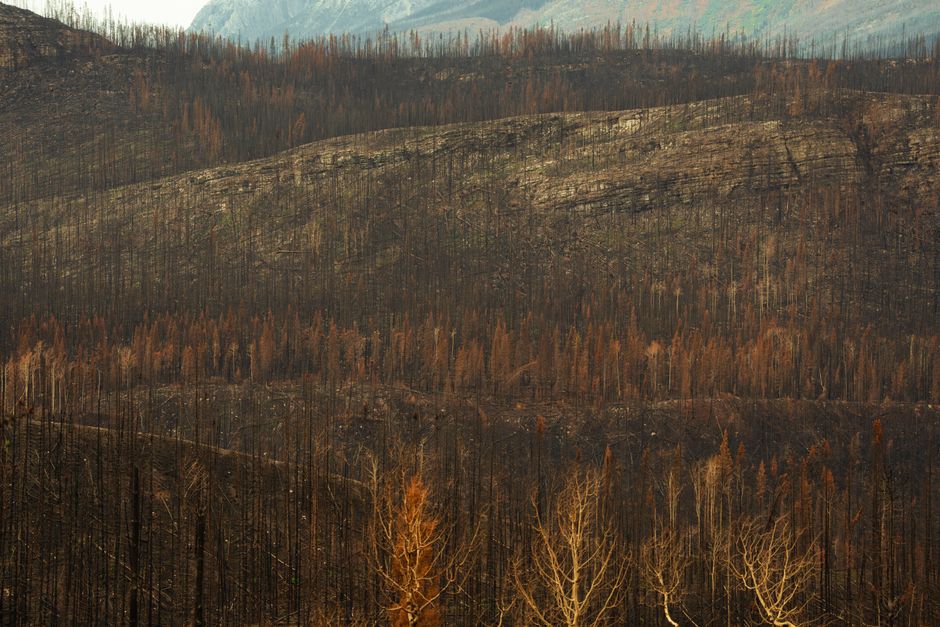
- Wildfires: Beyond the direct threat of flames, smoke damage and soot can infiltrate a property, requiring professional cleaning.
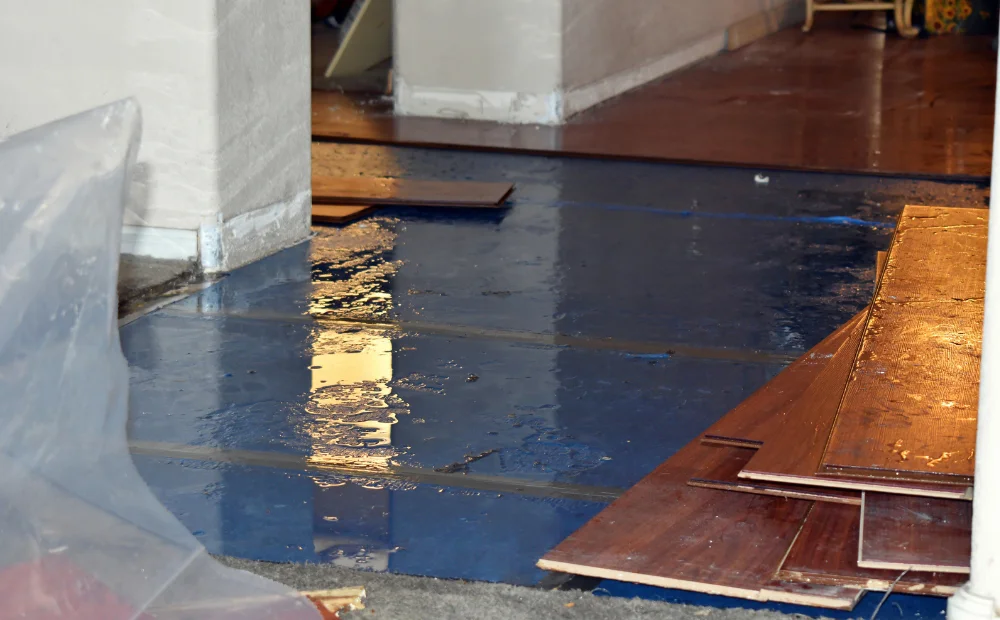
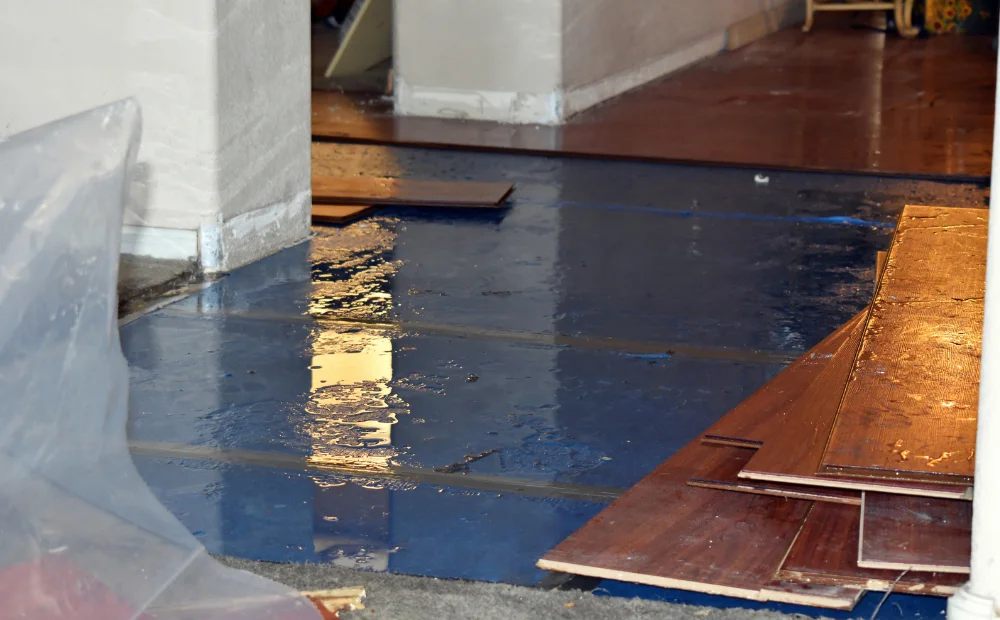
- Pipe Bursts: Hard water and aging plumbing in older Phoenix or Tucson neighborhoods often lead to sudden water intrusion.
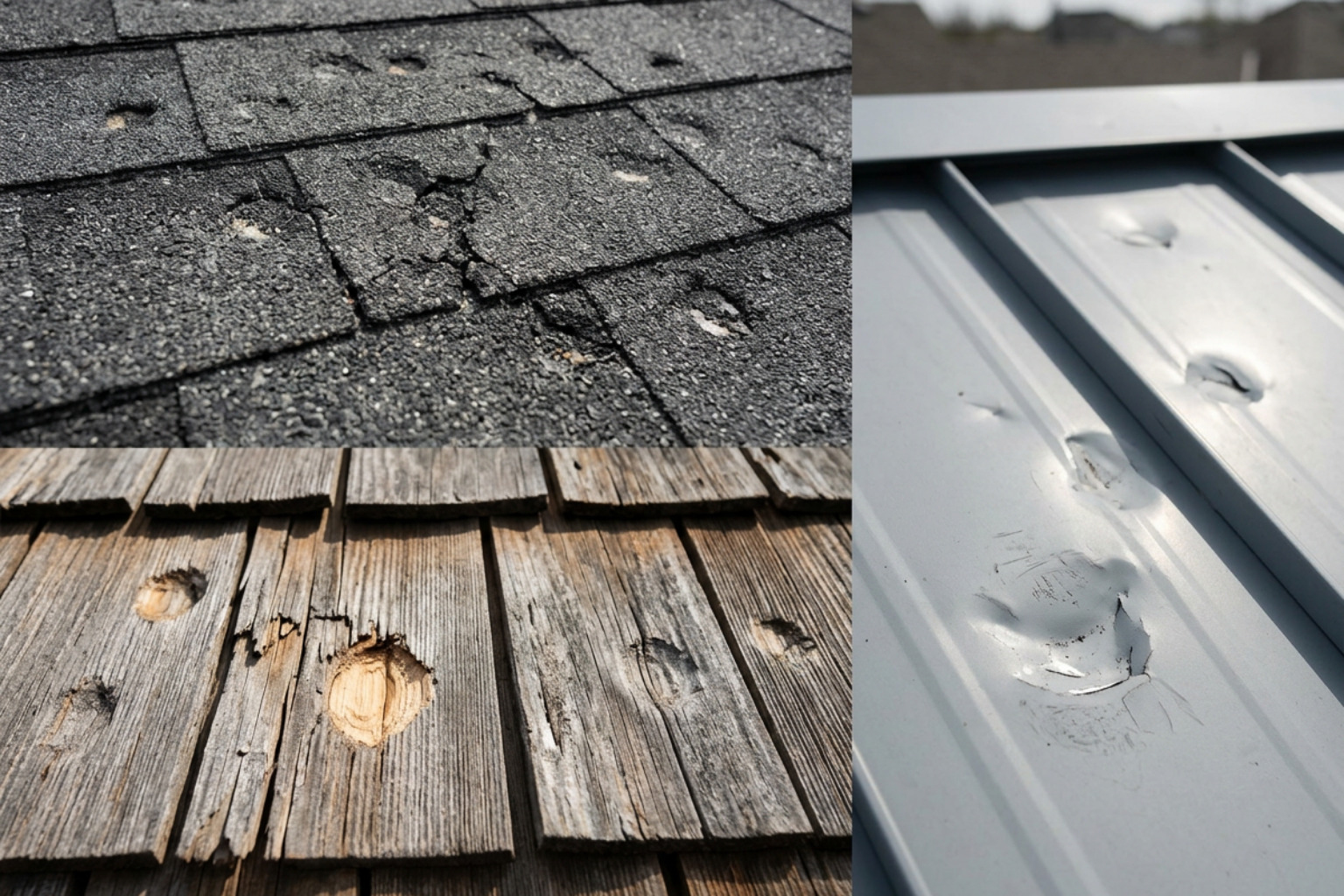
- Microbursts & Hail: These intense, localized events can total a roof in minutes.
Immediate Steps to Take After Damage Occurs
The moments following property damage are often a blur. However, your first priority must always be safety. Ensure everyone is accounted for and safe. If there is a risk of electrical fire or gas leaks, shut off the utilities immediately.
Once it is safe to enter, you have a “duty to mitigate” the loss. This is insurance-speak for “don’t let it get worse.” If you have a hole in the roof, you need to tarp it. If a pipe burst, you need to extract the water. Your insurance policy actually requires you to take reasonable steps to protect the property from further damage.
Keep a meticulous record of everything you do. Every roll of duct tape, every sheet of plywood, and every hour of labor should be documented.
Protecting the Property from Further Loss
- Emergency Tarps: Cover roof openings to prevent rain from causing interior water damage.
- Water Extraction: Use fans or professional services to dry out carpets and drywall.
- Board-up Services: Secure broken windows or doors to prevent theft or vandalism.
- Preventing Mold: In our heat, moisture plus organic material (like drywall) equals mold very quickly. Drying things out within 24-48 hours is critical.
For more guidance on these early stages, read more info about residential property claims.
Initial Communication with Your Carrier
When you call your insurance company to report the property damage claim, keep it simple. Provide your policy number, the date of loss, and a brief description of what happened (e.g., “A tree fell on my roof during the storm”).
Avoid giving recorded statements or speculating on the “cause” of the damage until you’ve had a chance to fully assess it. The insurance company will assign a claim number—keep this handy, as you’ll need it for every piece of correspondence moving forward.
How to Prove and Document Your Property Damage Claim
Documentation is the “make or break” element of any claim. If you can’t prove it existed and was damaged, the insurance company likely won’t pay for it.
Start by taking hundreds of photos and videos. Walk through the property and narrate what you see. Don’t just take pictures of the giant hole in the wall; take pictures of the water stains on the floor, the damaged electronics, and even the “unaffected” areas to show the contrast.
Proving Your Property Damage Claim with Evidence
A successful property damage claim requires a detailed inventory. For personal property, you should list:
- Brand names and model numbers
- Approximate purchase dates and prices
- Receipts or bank statements (if available)
If you don’t have receipts, don’t panic. Photos of the items in your home before the loss (like from a holiday party) can serve as proof of ownership. To avoid common pitfalls during this stage, see more info about common claim mistakes.
Navigating the Property Damage Claim Process with Adjusters
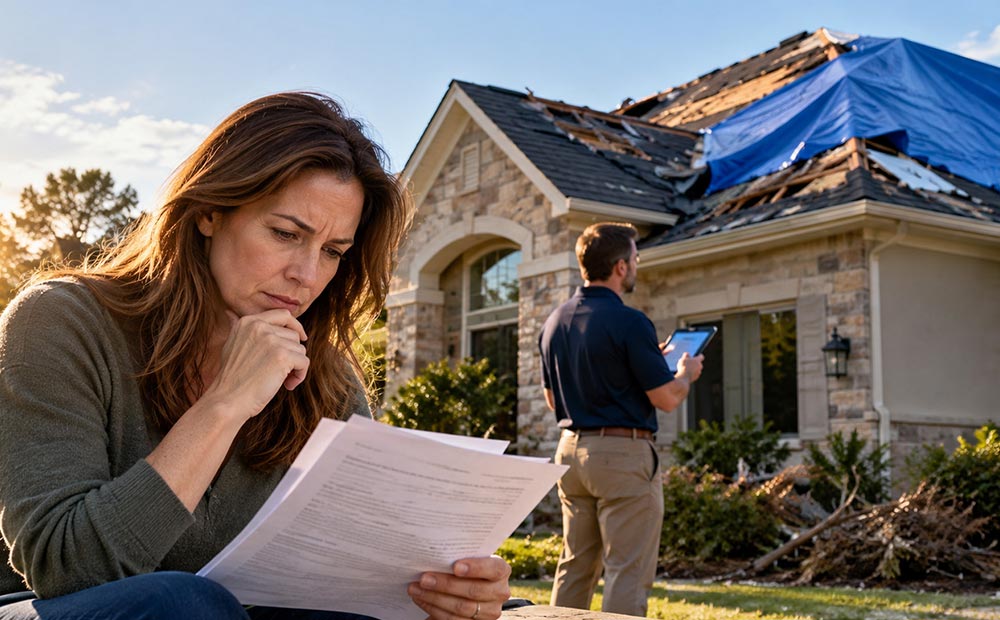
The insurance company will send an adjuster to your property. It’s important to understand who they work for:
- Company Adjusters: Staff employees of the insurance company.
- Independent Adjusters: Third-party contractors hired by the insurance company.
While they may be perfectly nice people, their job is to assess the “scope of loss” according to the insurance company’s guidelines. They often use software that may not reflect the actual cost of labor and materials in your specific Arizona town. Always ask for a copy of their estimate and compare it to independent bids you receive from local contractors. For business owners, this process is even more complex due to commercial property claims involving lost income and specialized equipment.
Understanding Payouts: Replacement Cost vs. Actual Cash Value
One of the most confusing parts of a property damage claim is how the money is calculated. Most policies fall into one of two categories:
| Feature | Replacement Cost Value (RCV) | Actual Cash Value (ACV) |
|---|---|---|
| Definition | The cost to buy the item new today. | The value of the item today (minus depreciation). |
| Payout | Higher; covers the actual replacement cost. | Lower; reflects the item’s age and wear. |
| Example | A 5-year-old TV is replaced with a new model. | You get the “garage sale” value of a 5-year-old TV. |
Calculating the Value of Your Loss
Insurance companies often pay the ACV first. Once you actually replace the item or finish the repair and provide a receipt, they may release the “recoverable depreciation” to bring the total up to the RCV. If your property is financed, your mortgage company will likely be a co-payee on the check, and they may hold the funds in escrow, releasing them as repair milestones are met.
Hidden Costs and Policy Sub-limits
Be aware that your policy has “fine print” limits. For example:
- Debris Removal: Often capped at 5% of the total coverage.
- Code Upgrades: If building codes have changed since your home was built, you may need an “Ordinance or Law” endorsement to cover the extra costs.
- Trees and Shrubs: Usually limited to about $500 per plant.
- Loss of Use / Business Interruption: This covers your additional living expenses (hotels, meals) or lost business revenue while the property is uninhabitable.
What to Do if Your Claim is Denied or Undervalued
It is a frustrating reality: insurance companies sometimes deny claims or offer settlements that don’t even cover the cost of materials. If you receive a denial letter, read it carefully. It must state the specific policy language they are using to justify the denial.
Challenging an Unfair Settlement Offer
If the offer is too low, you don’t have to accept it. You can:
- Rebut with Evidence: Provide your own contractor bids that show the adjuster’s numbers are unrealistic.
- Request an Appraisal: Most policies have an “Appraisal Clause” where both sides hire an appraiser to determine the value.
- Hire a Public Adjuster: This is where we come in. We act as your advocate, re-evaluating the damage and negotiating directly with the carrier.
To learn more about your options when things go wrong, read this more info about property loss claims.
When to Seek Professional Representation
You might need professional help if:
- The damage is extensive (e.g., a total loss from fire).
- The insurance company is acting in “bad faith” (delaying without reason).
- The claim involves complex commercial issues like business interruption.
- There is a language barrier. At Hudson Douglas, we are proud to support our community with English and Spanish fluency, ensuring all our neighbors get the help they need.
Frequently Asked Questions about Property Claims
How long do I have to file a claim in Arizona?
While the statute of limitations for filing a lawsuit for property damage in Arizona is typically two years, your insurance policy likely requires you to report the loss “promptly” or within a specific timeframe (often one year). Waiting too long can give the carrier a reason to deny the claim.
What is the difference between a public adjuster and a company adjuster?
A company adjuster works for the insurance company and protects their interests. A public adjuster, like Hudson Douglas, works solely for you, the policyholder. We have no conflict of interest; our goal is to maximize your settlement.
Can I reopen a claim if I find more damage later?
Yes, in most cases. If your contractor discovers hidden water damage or structural issues after the initial check has been issued, you can contact your carrier to “supplement” the claim. This is common in complex Arizona wildfire or flood losses.
Conclusion
Navigating a property damage claim doesn’t have to be a solo journey. The process is designed to be technical and, unfortunately, often favors the insurance company. But with the right documentation and a clear understanding of your policy, you can secure the funds needed to restore your property.
At Hudson Douglas Public Adjusters, we bring over 40 years of expertise to the table. We are a family-owned and operated business with deep roots in Arizona, serving neighbors from Scottsdale and Mesa to Flagstaff and Sedona. We operate on a simple principle: we don’t get paid unless you do. Our fee is 12% of the payout, and you never pay anything out of pocket.
If you are facing a complex claim or feel like your insurance company isn’t listening, give us a call. We are available 24/7 to provide the calm, steady advocacy you deserve. Let us handle the paperwork and the adjusters so you can focus on getting your life or business back to normal.
For more information or to start your recovery, visit us at https://hudsondouglaspublicadjusters.com/.