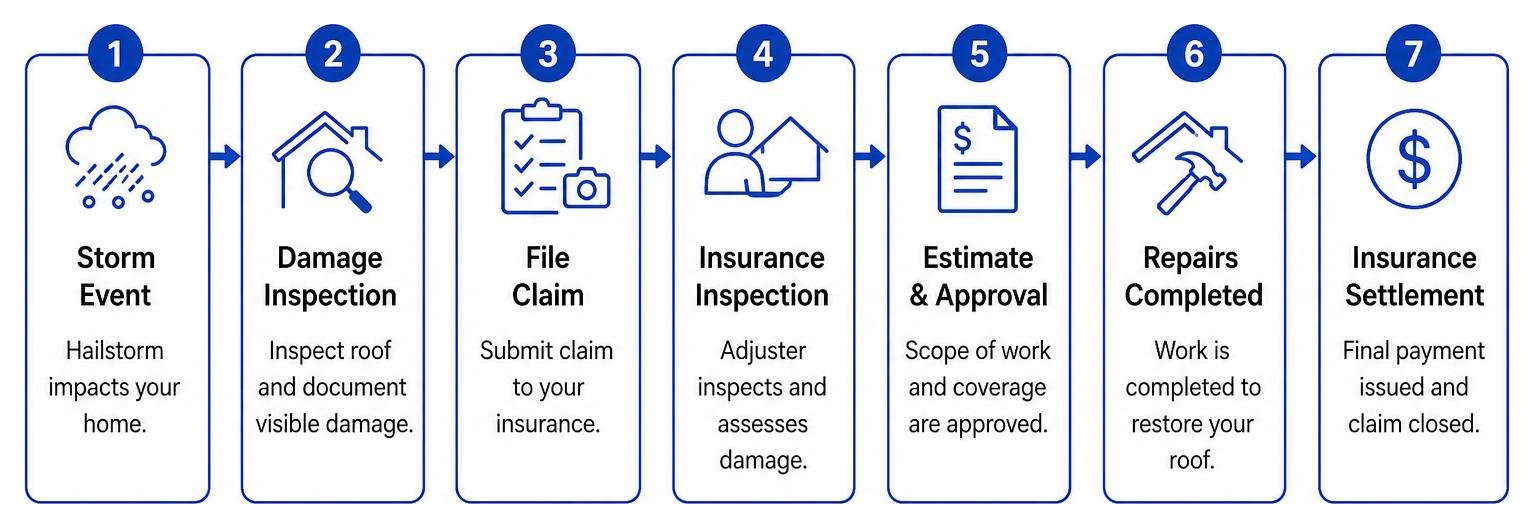
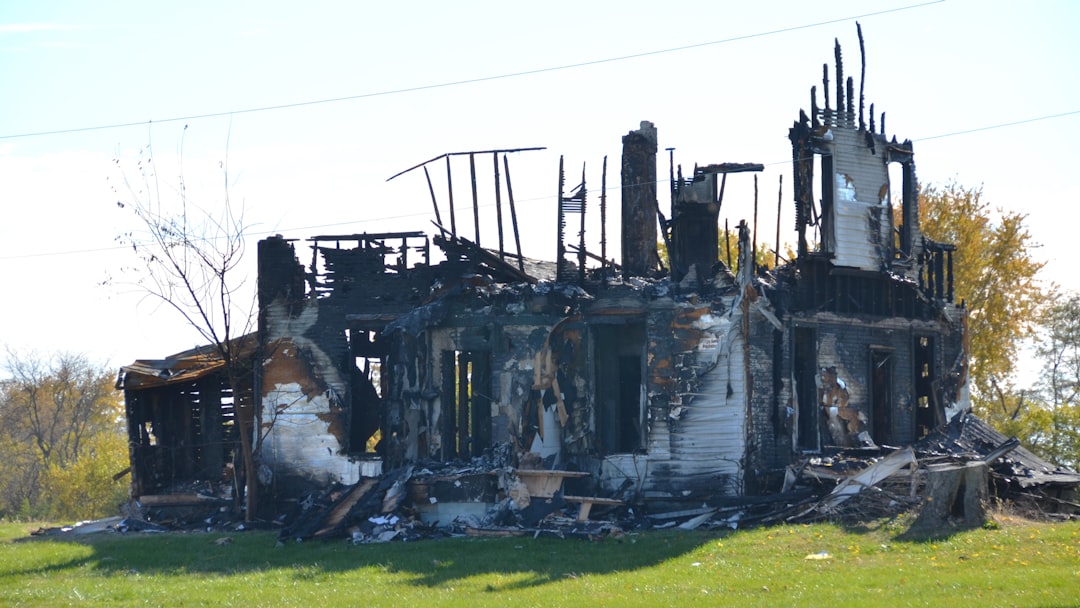
When Disaster Strikes: Understanding Your Path Forward
A property loss claim is a formal request to your insurance company for compensation after your home or business suffers damage from fire, water, wind, theft, or other covered events. Here’s what you need to know right now:
Quick Steps to File a Property Loss Claim:
- Secure your property – Take immediate steps to prevent further damage
- Document everything – Photos, videos, and written lists of all damage
- Report the loss – Contact your insurance company as soon as possible
- Understand your coverage – Review your policy for deductibles and limits
- Get professional help – Consider a public adjuster for complex or large claims
You just lived through something no property owner wants to experience. Maybe it was a monsoon that tore through your roof. A burst pipe that flooded your business. A kitchen fire that spread faster than you imagined.
Now you’re standing in the wreckage, and the insurance company wants forms, photos, estimates, and proof. They’re asking questions you don’t know how to answer. You’re worried you’ll miss something important. You’re not sure if the settlement they’re offering is fair.
You’re not alone, and you don’t have to figure this out by yourself.
This guide walks you through the entire property loss claim process in plain language. We’ll explain what to do immediately after a loss, how to work with insurance adjusters, what your policy really covers, and when it makes sense to bring in professional help.
Hudson Douglas Public Adjusters is a family-owned business based right here in Arizona. We’ve helped hundreds of property owners steer this exact situation. We understand the stress, the confusion, and the pressure to make decisions quickly. Hablamos Español – we’re here to support you in the language you’re most comfortable with.
Our job is to make sure you understand your rights, your options, and what a fair settlement actually looks like. We only get paid when you do – 12% of your final payout, with nothing out of pocket upfront.
Let’s walk through this together.
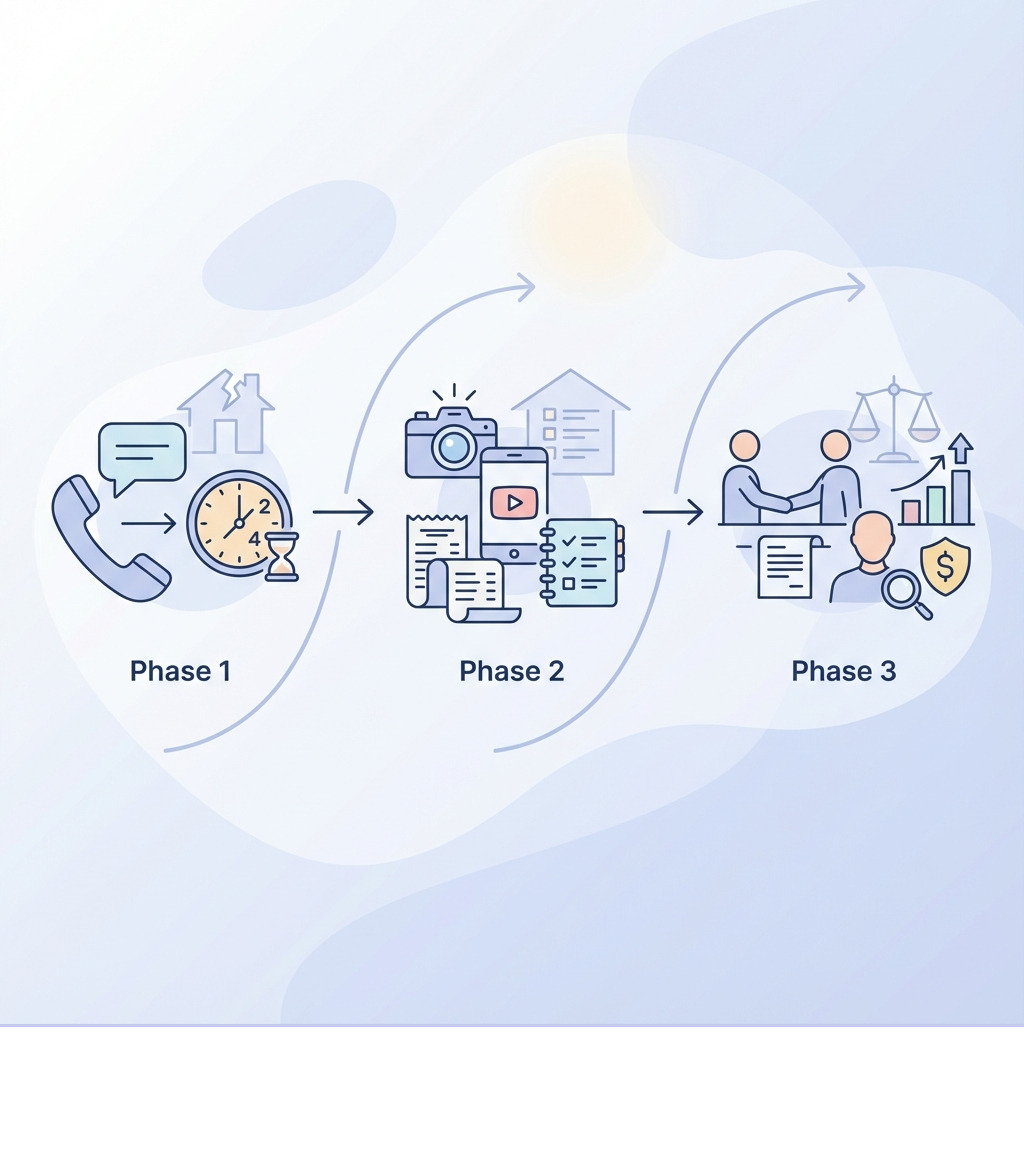
First Steps After a Loss: Securing Your Property and Your Rights
When disaster strikes your home or business in Arizona, your immediate actions can significantly impact the outcome of your property loss claim. We know it’s a chaotic time, but taking a few critical steps right away can protect your property and strengthen your claim.
Your Immediate Responsibilities as a Policyholder
First and foremost, ensure the safety of yourself, your family, and anyone else on the property. Once everyone is safe, your insurance policy places certain responsibilities on you, the policyholder, to prevent further damage. This is called “mitigating your damages.” If you fail to take reasonable steps to secure your property, your insurer may not cover any additional damage that occurs as a result.
This means:
- Making Temporary Repairs: If your roof is compromised, you might need to tarp it. If windows are broken, boarding them up can prevent further weather intrusion or theft. Keep all receipts for materials and services used for these temporary repairs, as they are typically reimbursable. These are temporary fixes to prevent more damage, not full repairs.
- Reporting the Loss Promptly: Contact your insurance agent or company representative as soon as it’s safe to do so. Even if you don’t have all the details, reporting the incident immediately starts the claims process. Many insurers have 24-hour claims services. You can learn more about how to file a homeowners claim by reviewing resources like those provided by the Insurance Information Institute.
- Protecting Against Contractor Fraud: Unfortunately, after a widespread disaster, unscrupulous contractors often appear. Be cautious of those who travel from out of state, pressure you for immediate decisions, or demand full payment upfront. Always vet local contractors carefully, checking their licenses, insurance, and references. As a local, family-owned business, we’ve seen the difference a trusted local professional can make.
The Art of Documentation: Building Your Case
Thorough documentation is the bedrock of a strong property loss claim. We can’t stress this enough: photos, videos, and detailed lists are your best friends during this process.

Here’s how to build your case effectively:
- Take Photos and Videos: Before you touch anything (unless it’s for safety), extensively photograph and video record all damaged areas and items. Get wide shots to show the scope of the damage and close-ups for detail. Don’t forget to capture any standing water, debris, or structural issues.
- Create a Home or Business Inventory: If you don’t already have one, start compiling a detailed list of all damaged or lost items. Include brand names, model numbers, and approximate age. Receipts, warranty cards, or even old photos can help prove ownership and value. This is especially crucial for personal property claims.
- Keep Receipts: Maintain meticulous records of every expense related to the loss. This includes not only temporary repair materials but also any additional living expenses (ALE) you incur if your home or business becomes uninhabitable.
- Document Temporary Repairs: Take photos before and after any temporary repairs, and keep all receipts for materials purchased.
- Log Communication with Your Insurer: Keep a detailed log of every phone call, email, and letter with your insurance company. Note the date, time, who you spoke with, and a summary of the conversation. Make copies of all correspondence you send or receive. This paper trail can be invaluable if disputes arise.
Common Types of Property Loss Claims in Arizona
Arizona properties face unique challenges, from intense summer monsoons to the occasional burst pipe. We regularly help property owners with a range of property loss claims, including:
- Fire & Smoke Damage: Fires, whether from cooking, electrical issues, or wildfires, can be devastating. Every year, there are about 1.3 million fires in the United States alone, resulting in more than $11.6 billion in property damage. The damage isn’t just from flames; smoke, soot, and even water from firefighting efforts can cause extensive harm. We frequently assist with fire & smoke damage claims, ensuring all aspects of the loss are covered.
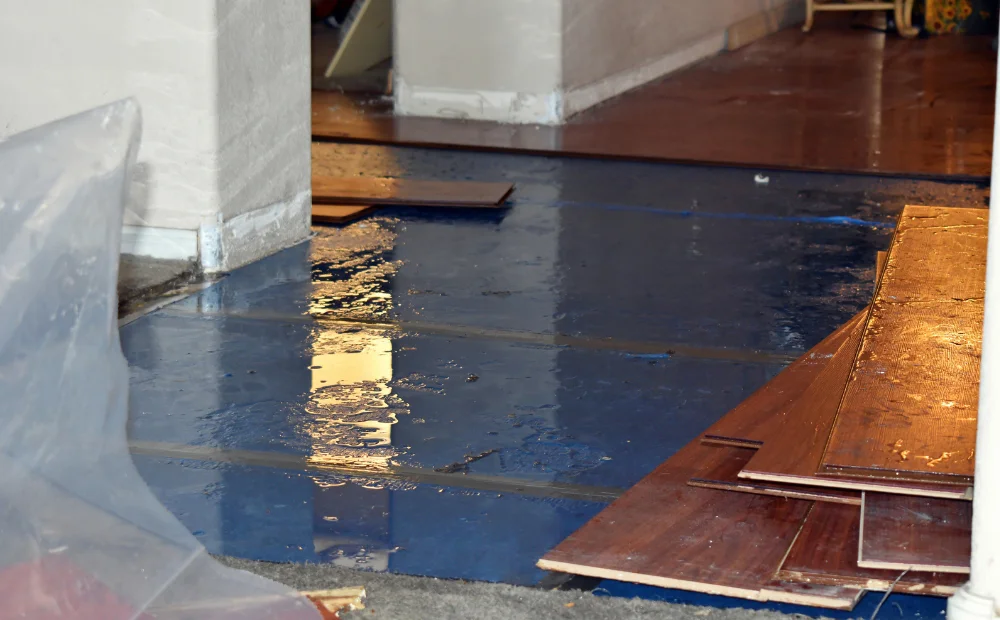
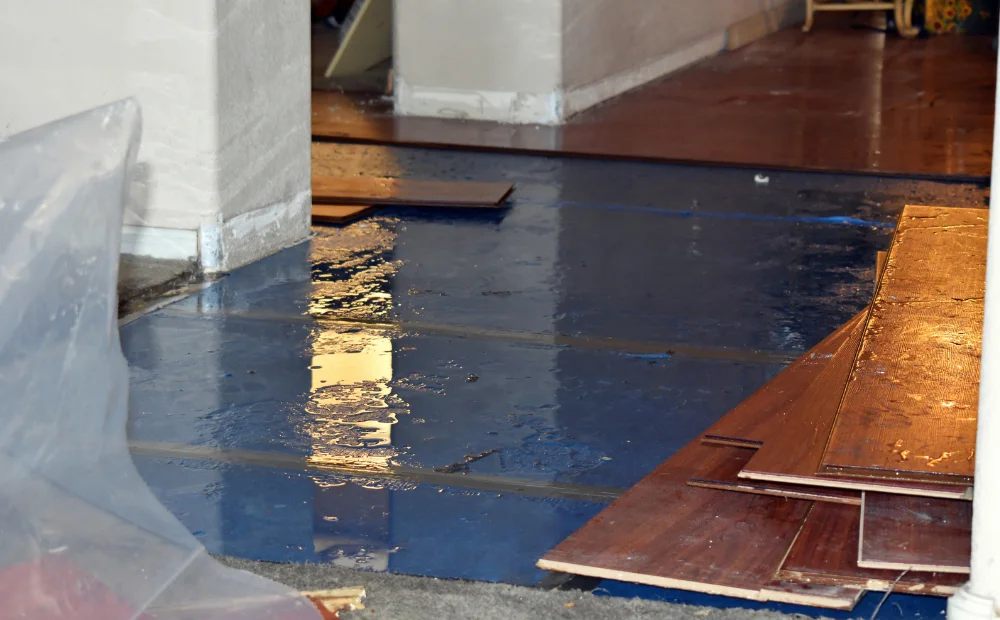
- Water Damage: Burst pipes, overflowing appliances, or leaks can cause significant damage. For Arizona property owners, understanding water damage is key, as flood damage (from natural sources affecting multiple properties) is typically covered under a separate policy. We are experts in handling water damage claims, differentiating between covered perils and exclusions. If you’ve experienced water damage, we can help clarify your coverage and guide you through the process.
- Monsoon Damage: Arizona’s monsoon season brings heavy rains, high winds, and flash floods. These events can lead to roof damage, water intrusion, and other structural issues.
- Burst Pipes: Freezing temperatures, or simply old plumbing, can lead to burst pipes, causing sudden and extensive water damage.
- Theft & Vandalism: When your property is violated, the emotional toll is immense, and the financial impact can be substantial. We help document and recover losses from theft & vandalism, including structural damage and stolen personal property.
- Wind & Tornado Damage: While full-blown tornadoes are less common, strong winds and microbursts during monsoon season can cause significant damage to roofs, fences, and outdoor structures. We understand the nuances of wind & tornado damage claims.
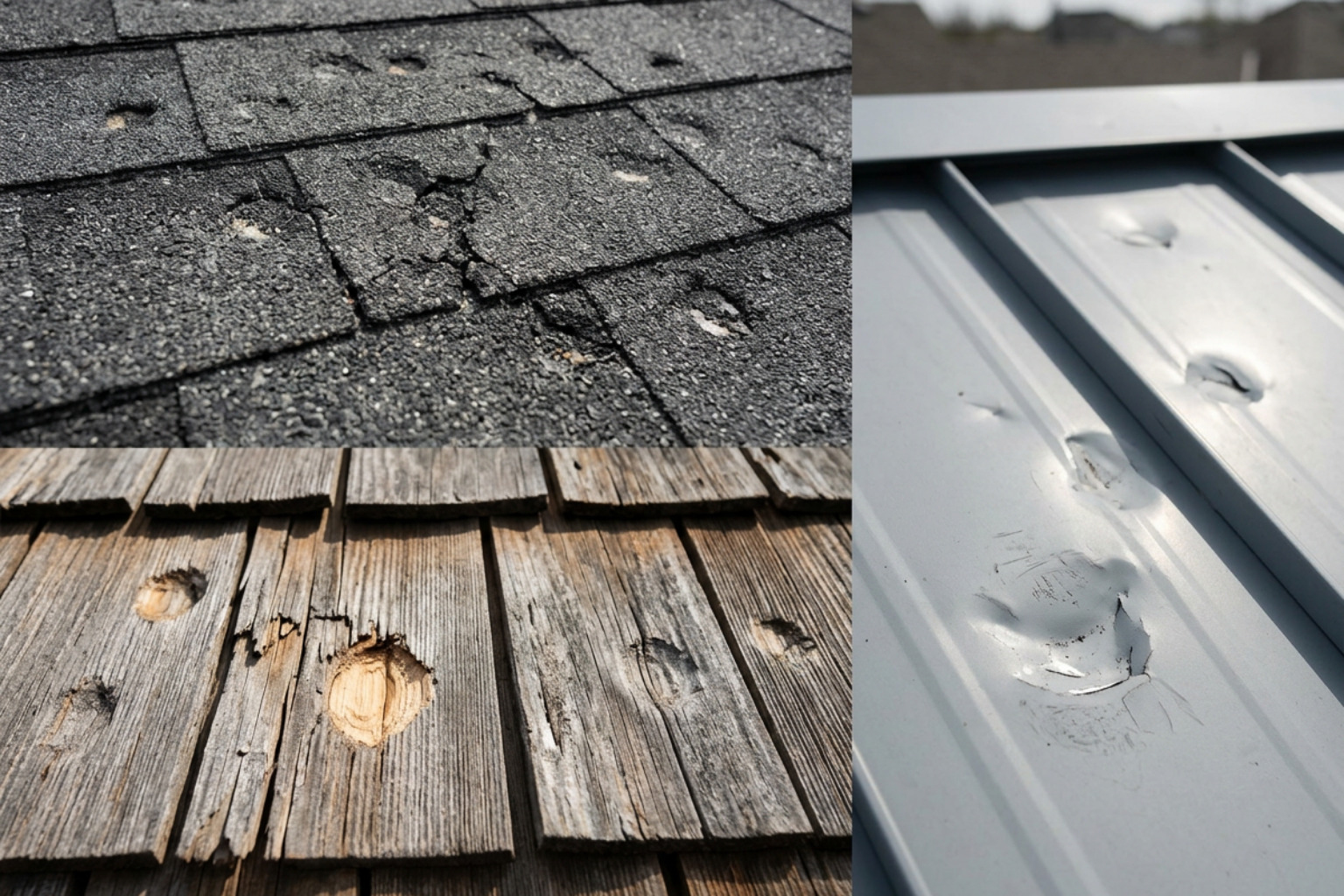
- Hail Roof Damage: Hailstorms, especially during monsoons, can cause severe damage to roofs, siding, and vehicles. We specialize in assessing hail roof damage and ensuring proper compensation for repairs or replacement.
Navigating the Insurance Property Loss Claim Process
Once your immediate safety and documentation are handled, the next phase involves actively engaging with your insurance company. This can feel like a maze, but understanding the key players and terms will empower you.
Understanding the Players: The Insurance Adjuster’s Role
When you file a property loss claim, your insurance company will assign an adjuster to evaluate the damage. It’s crucial to understand who this person is and their primary allegiance.
- Company Adjuster: This individual is an employee of your insurance company. Their role is to investigate your claim on behalf of their employer, assess the damage, and determine the company’s liability. While they aim to be fair, their ultimate responsibility is to the insurance company’s bottom line.
- Independent Adjuster: An independent adjuster is hired by your insurance company on a contract basis, often when the company has too many claims for their in-house staff to handle. Like a company adjuster, they work for the insurance company that hired them, not for you.
- What to Expect During Inspection: The adjuster will visit your property to inspect the damage. They’ll take photos, measurements, and ask you questions about the incident. It’s important to be present during this inspection, have your documentation ready, and point out all areas of damage, even those that might not be immediately obvious.
- The Importance of Your Own Advocate: While company and independent adjusters serve the insurer, a public adjuster works exclusively for you, the policyholder. We act as your advocate, ensuring your interests are represented throughout the claims process. To learn more about the differences, you can read our detailed comparison of a public adjuster vs. insurance adjuster.
Decoding Your Policy: RCV vs. ACV and Other Key Terms
Your insurance policy is a contract, and understanding its language is vital. Two terms you’ll encounter frequently are Replacement Cost Value (RCV) and Actual Cash Value (ACV).
- Replacement Cost Value (RCV): RCV coverage pays the cost to repair or replace damaged property with new materials of similar kind and quality, without deducting for depreciation. This means if your 10-year-old roof is destroyed, an RCV policy would pay for a new roof, not a depreciated version of your old one.
- Actual Cash Value (ACV): ACV coverage pays the depreciated cost of your damaged property. Depreciation accounts for the item’s age, wear, and tear. So, if that same 10-year-old roof is destroyed, an ACV policy would pay out what the 10-year-old roof was worth just before the damage occurred, not the cost of a new one. This can significantly reduce your payout.
- Depreciation Explained: Imagine you bought a laptop for $1,000 five years ago, and it had an expected lifespan of 10 years. Under an ACV policy, it might be considered 50% depreciated, meaning its ACV is $500, not the $1,000 you’d need to buy a new one.
Let’s look at an example:
| Claim Type | Policy Type | Claimed Damage | Deductible | Depreciation | Payout |
|---|---|---|---|---|---|
| Roof Repair | RCV | $10,000 | $1,000 | $0 | $9,000 |
| Roof Repair | ACV | $10,000 | $1,000 | $4,000 | $5,000 |
This table illustrates a hypothetical scenario. Actual payouts depend on policy terms and assessed damage.
- Policy Deductibles: This is the amount you are responsible for paying out-of-pocket before your insurance company begins to pay for a covered loss. Deductibles can be a flat dollar amount (e.g., $1,000) or a percentage of your home’s insured value (e.g., 1% or 2% of $300,000 = $3,000 or $6,000). Some policies also have specific deductibles for certain perils, like wind or hail. Make sure you understand yours.
What to Know About Your ‘Proof of Loss’ and ALE
Two other critical components of your property loss claim are the “Proof of Loss” form and Additional Living Expenses (ALE).
- Proof of Loss Form: This is a formal statement, often a sworn document, that you submit to your insurance company. It details the damaged or lost property, its value, and the amount of loss you’re claiming. It typically requires:
- A complete inventory of destroyed and damaged property, including quantities, costs, and actual cash value.
- When and how the loss occurred.
- Details of any other insurance policies covering the property.
- Your interest and any other interests (like a mortgage lender’s) in the property.
- A declaration that the loss was not due to your willful act or neglect.
- Filing Deadlines: Many policies require this form to be completed and returned within a specific timeframe, often 30 to 60 days after the loss. Missing this deadline can jeopardize your claim.
- Additional Living Expenses (ALE): Also known as “loss-of-use” coverage, ALE helps cover the increased cost of living if your home or business becomes uninhabitable due to a covered loss.
- What ALE Covers: This can include temporary housing (hotel, rental), extra food expenses (if you can’t cook), increased transportation costs, and other necessary expenses beyond your normal budget.
- Keeping ALE Receipts: You must keep meticulous records and receipts for all these additional expenses. Your insurer will only reimburse you for the increased costs, not your regular expenses. For example, if you normally spend $500 a month on groceries, and while displaced you spend $700, they would cover the $200 difference. Many policies have limits on the total amount or duration of ALE coverage. You can find general guidance on these topics in various resources, such as the Residential Property Claims Guide.
When Your Claim Hits a Snag: Denials, Delays, and Disputes
Even with thorough preparation, a property loss claim can encounter roadblocks. It’s not uncommon for policyholders to face denials, delays, or undervaluation of their claim. Knowing why this happens and what your options are is key to moving forward.
Common Reasons for a Denied or Undervalued Property Loss Claim
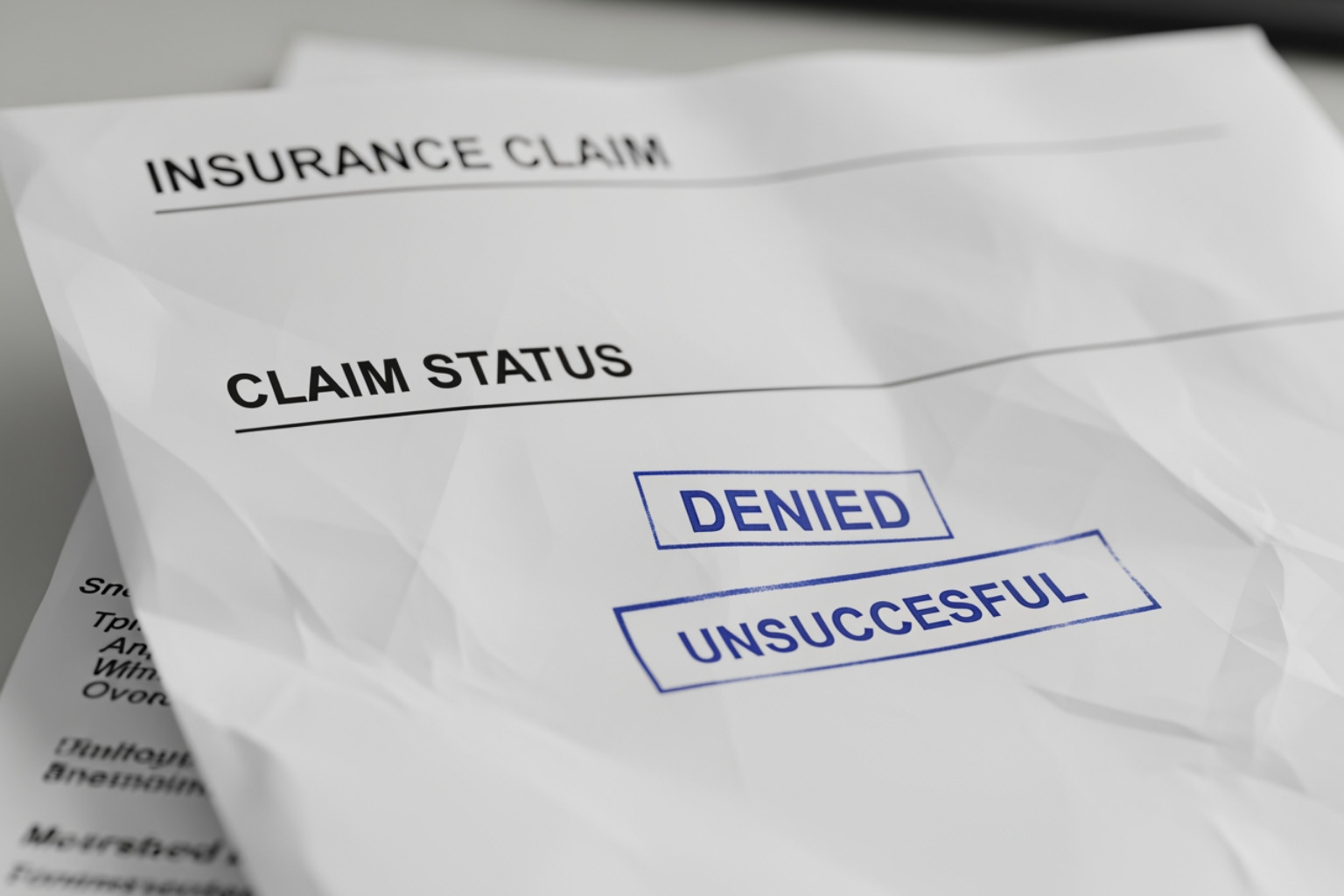
Insurance companies may deny or undervalue claims for various reasons. While some might be legitimate, others can be challenged.
- Policy Exclusions: Your policy lists what is covered, but also what isn’t. Common exclusions include damage from:
- Wear and Tear: Damage that occurs gradually over time, like an aging roof or deteriorating plumbing.
- Poor Maintenance: If the damage is deemed a result of your failure to maintain the property.
- Certain Types of Water Damage: While sudden and accidental water damage (like a burst pipe) is usually covered, flood damage (from natural bodies of water) typically requires a separate policy. We’ve seen many denied water damage claims where the cause of loss is disputed.
- Mold: Often only covered if it results from a covered peril and is promptly reported.
- Misrepresentation on Application: If the insurance company believes you provided inaccurate information when you applied for the policy.
- Insufficient Documentation: Lack of clear photos, detailed inventories, or proper records can make it difficult to prove the extent of your loss.
- Disputes Over Cause of Loss: The insurer might argue the damage was caused by something not covered, or that the damage existed before the incident.
- Underestimation by Adjuster: The insurance company’s adjuster might simply estimate the repair costs lower than they actually are, or miss certain damages. This is one of the most common reasons claims are undervalued. We often see signs your insurance company may have underpaid your claim, and we can help identify these discrepancies.
Recognizing Insurance Bad Faith
Sometimes, a claim isn’t just disputed; it’s handled unfairly. This is where “insurance bad faith” comes into play. While we always approach interactions with insurers professionally, it’s important to recognize when their actions cross the line. Insurance bad faith occurs when your insurance company fails to uphold its obligations under your policy contract and state laws, often by putting its financial interests ahead of yours.
Examples of bad faith practices include:
- Unreasonable Delays: Taking an excessively long time to investigate, communicate, or pay a legitimate claim without proper justification.
- Failure to Investigate Properly: Not conducting a thorough and unbiased investigation of your claim.
- Lowball Settlement Offers: Offering a settlement that is significantly less than the actual value of your damages, knowing you are vulnerable.
- Misrepresenting Policy Terms: Intentionally misinterpreting your policy language to deny or reduce a valid claim.
- Threats or Intimidation: Using aggressive tactics to pressure you into accepting a low offer or dropping your claim.
If you suspect your insurance company is acting in bad faith, it’s a serious matter that warrants professional advice.
Your Options for Disputing a Settlement
If you receive a denial or an offer you believe is too low, you have options. You don’t have to accept the first offer, or any offer, that doesn’t fully cover your loss.
- Request a Claims Manager Review: Start by contacting your adjuster’s supervisor or the claims manager. Clearly explain your disagreement, provide supporting documentation (your photos, estimates, inventory), and cite specific policy language if possible.
- The Appraisal Process: Many policies include an appraisal clause. If you and the insurer disagree on the amount of the loss (but not whether it’s covered), you can invoke appraisal. You and the insurer each hire an appraiser, and these two appraisers select an umpire. A decision by any two of the three is binding. This can be a very effective way to resolve valuation disputes.
- Seek a Second Opinion on Insurance Claim: This is where we come in. We can review your policy, assess the damage, and provide an independent estimate of your loss. Often, just having an expert on your side can prompt the insurance company to re-evaluate their position.
- Legal Action as a Final Step: If all other avenues fail, and you believe your claim has been unfairly denied or undervalued, you may need to consider legal action. This is typically a last resort, but it’s an important right you have as a policyholder.
Why You Shouldn’t Go It Alone: The Value of a Public Adjuster
Navigating a property loss claim can be overwhelming, especially when you’re already dealing with the emotional and practical aftermath of damage to your Arizona home or business. This is precisely why a public adjuster can be your most valuable ally.
When to Consider Hiring a Professional Advocate
While some minor claims might be straightforward, many others benefit greatly from professional advocacy. You should consider hiring a public adjuster if:
- Your Claim is Large or Complex: Significant damage, such as a structural collapse, or complex claims involving business interruption, require detailed assessment and specialized knowledge. These are precisely the types of claims where our expertise shines. We’ve handled everything from structural collapse to business interruption claims, ensuring every detail is accounted for.
- You Lack Time or Expertise: The burden of proving your loss, along with all the associated hassles, headaches, demands, and deadlines, falls entirely on you. If you don’t have the time to carefully document, research, and negotiate, a public adjuster can take that burden off your shoulders.
- Your Claim is Denied or Underpaid: If your insurance company has denied your claim outright or offered a settlement that seems far too low, it’s a clear signal that you need an advocate. We specialize in challenging these decisions and fighting for what’s fair.
- You Feel Overwhelmed: It’s normal to feel stressed and confused after a property loss. If the process feels too daunting, or you’re unsure if you’re making the right decisions, bringing in an expert can provide immense peace of mind.
The Benefits of a Public Adjuster for Your Property Loss Claim
Hiring a public adjuster isn’t just about getting more money; it’s about leveling the playing field and ensuring you receive everything you’re entitled to under your policy.
Here’s how we help:
- Maximizing Your Settlement: Our primary goal is to maximize your residential property insurance claim or commercial property damage insurance claim. We carefully review your policy, thoroughly document all damages (often finding things the company adjuster missed), and present a comprehensive claim to your insurer. Our expertise means we know how to properly scope damages and account for every penny, leading to significantly higher settlements for our clients.
- Saving Time and Stress: We handle all the inspections, paperwork, follow-ups, and negotiations with the insurance company. This frees you up to focus on rebuilding your life or business, without the added stress of constantly dealing with your insurer.
- Expert Documentation and Negotiation: We speak the language of insurance. We prepare detailed scopes of damage, reconstruction estimates, and comprehensive personal property inventories. We then use this expert documentation to negotiate effectively with the insurance company, ensuring they understand the true extent of your loss.
- Leveling the Playing Field: The insurance company has adjusters working for them. With a public adjuster, you have an expert working exclusively for you. This balances the power dynamic and ensures your voice is heard and your claim is taken seriously. As we often say, there’s a real cost of not hiring a public adjuster, which can manifest in undervalued claims and prolonged disputes.
- No Upfront Fees: With Hudson Douglas, you pay nothing out of pocket. Our fee is 12% of the final settlement, which means we are motivated to get you the highest possible payout. If we don’t recover anything for you, you owe us nothing.
Conclusion: Rebuilding Your Arizona Property with Confidence
Dealing with a property loss claim can be one of the most challenging experiences a property owner faces. From the immediate shock of damage to the intricate dance of insurance claims, it’s a journey filled with potential pitfalls and complex decisions.
We hope this guide has provided you with a clearer understanding of the process and empowered you with the knowledge to protect your interests. Remember the proactive steps: prioritize safety, document everything carefully, understand your policy, and don’t hesitate to seek expert help when needed.
At Hudson Douglas Public Adjusters, we are more than just a service; we are a family-owned and operated business deeply rooted in Arizona. We take immense pride in serving our community, helping homeowners and commercial property owners across Paradise Valley, Scottsdale, Mesa, Chandler, Gilbert, Goodyear, Queen Creek, San Tan Valley, and beyond. We understand the unique challenges our Arizona climate and local regulations present, and we bring decades of experience to every claim. Our commitment is to ensure you receive the full and fair settlement you deserve, allowing you to rebuild with confidence.
You don’t have to face your insurance company alone. If you’ve suffered property damage, or if your claim has been denied or undervalued, we’re here to help. Contact us for a no-obligation consultation. Let our family help yours steer the complexities of your property loss claim.
Fires alone cause significant damage each year. Every year, there are about 1.3 million fires in the United States alone, and many of them are caused by routine activities, like cooking and heating. These fires result in more than $11.6 billion in property damage per year. When such events impact your property, having a dedicated advocate can make all the difference.