Understanding Your First Steps After Property Damage
How to report destruction of property starts with ensuring safety, documenting all damage with photos and videos, calling the police to file an official report, and then notifying your insurance company. For Arizona property owners, this police report becomes a critical piece of evidence for your insurance claim.
Quick steps for reporting property destruction:
- Ensure Safety First – Call 911 if there’s an immediate threat or injury
- Document Everything – Take photos and videos of all damage before cleanup
- File a Police Report – Contact your local police department’s non-emergency line or file online
- Notify Your Insurer – Report the damage to your insurance company promptly
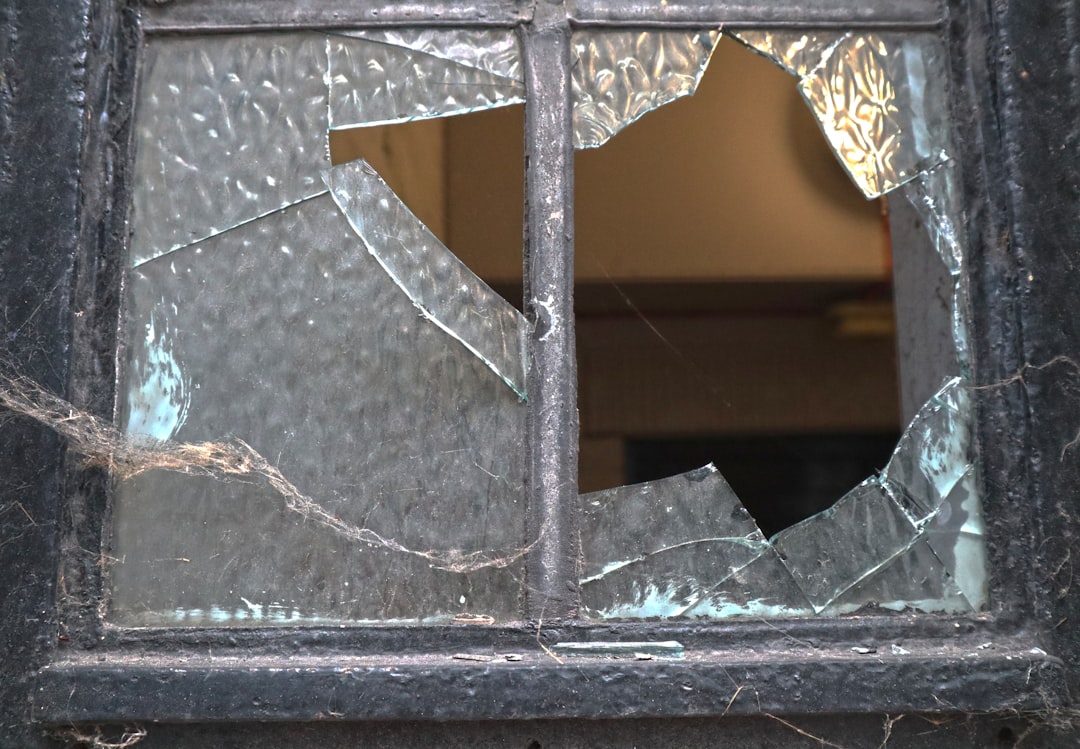
Property damage hits hard. Whether it’s a smashed window, graffiti vandalism, or break-in damage to your home or business, the initial shock can leave you uncertain about what to do next.
Here in Arizona, many property owners make the mistake of skipping the police report. They assume it’s not needed for insurance, or they’re unsure when a report is actually required. That’s a problem. A police report creates an official record of what happened and when. Your insurance carrier will almost always require it for vandalism, theft, or criminal damage claims.
This guide walks you through the exact steps for how to report destruction of property in Arizona. We’ll cover when to call police, what information you need, and how that report connects to your insurance claim. We’ve helped hundreds of Arizona property owners steer this process after storm damage, vandalism, and structural issues, and we know the confusion that follows a property loss.
The goal is simple: get you a clear path forward so you can protect your property and secure a fair insurance settlement.
First Steps: Assessing the Scene and Ensuring Safety
When you find property destruction, your safety and the safety of those around you must be your absolute priority. Before you do anything else, take a moment to assess the situation.
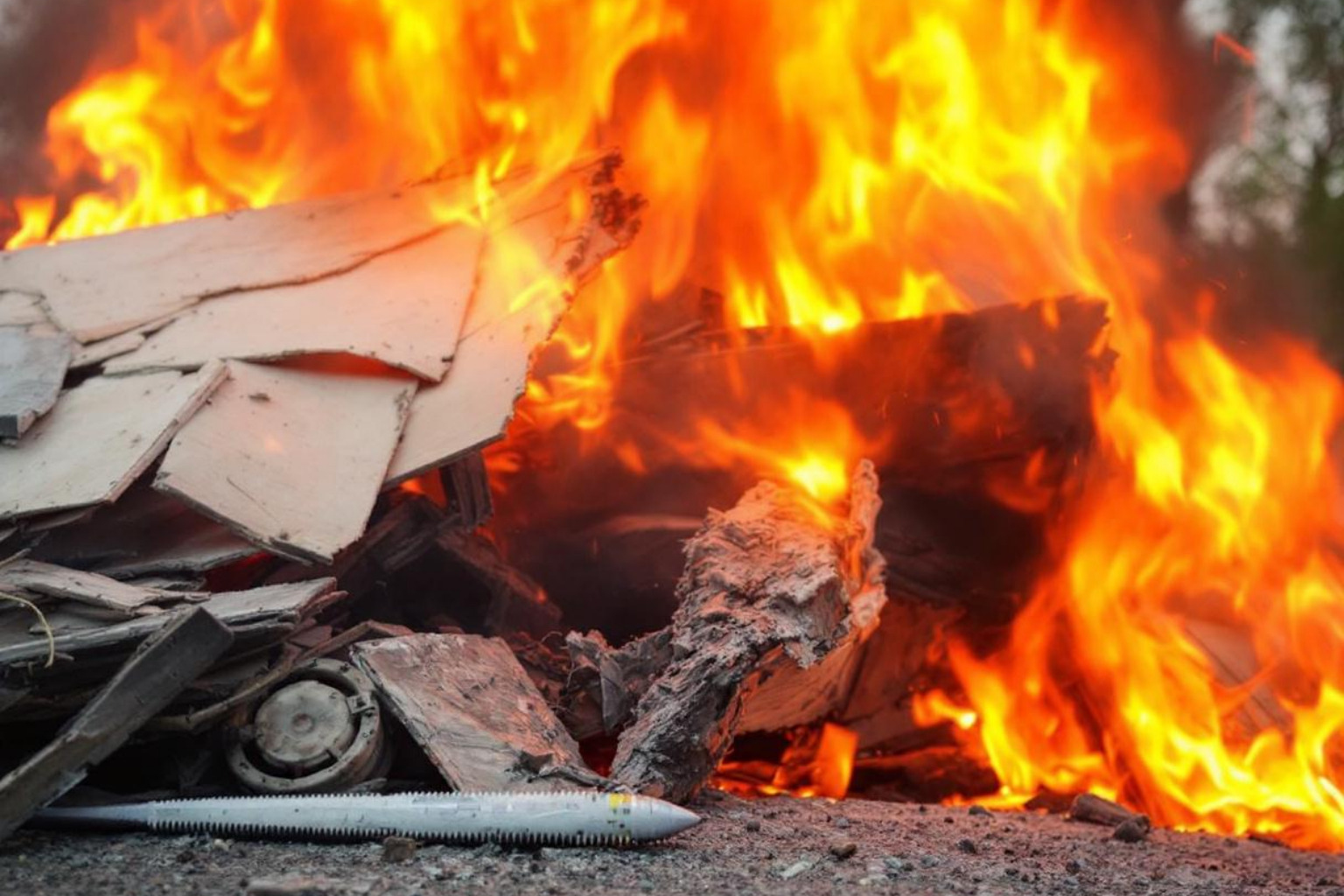
If there’s an immediate threat, such as an active intruder, a fire, or a structural collapse that could injure someone, call 911 without hesitation. For instance, if a rock has been thrown through a window, triggering an alarm, and you suspect an active attempt at a crime, emergency services are your first call. Similarly, if a major incident like a Structural Collapse has occurred, your safety and the safety of others must come before any other action.
Once you’ve determined the scene is safe, or after emergency services have secured it, the next crucial step is documenting everything. We cannot stress enough the importance of thorough documentation. Using your smartphone or a camera, take clear photos and videos of all the damage. This means:
- Before any cleanup begins: Capture the scene exactly as you found it.
- From multiple angles: Get wide shots to show the overall area and close-ups for specific damage.
- Include scale: Place a common object (like a ruler or a coin) next to damaged items to provide a sense of scale, if appropriate.
- Narrate your videos: As you film, describe what you’re seeing, the date, and the time.
This evidence is invaluable. It serves as a factual record for both the police report and your insurance claim. Without adequate documentation, it can be significantly harder to prove the extent of your losses, especially when dealing with Theft & Vandalism claims.
After documenting, take steps to secure your property to prevent further damage or loss. This might involve boarding up broken windows, covering damaged roofs, or locking compromised doors. Your insurance policy typically requires you to mitigate further damage, and these actions demonstrate your effort to do so.
How to Report Destruction of Property to the Police
Once you’ve ensured safety and thoroughly documented the damage, reporting the incident to the police is the next essential step. In Arizona, the process for reporting property destruction is designed to create an official record of the event, which is vital for any subsequent insurance claim.
Criminal Damage Defined Under Arizona Law
It’s helpful to understand how Arizona law views property destruction. Under Arizona Revised Statutes, criminal damage is defined as 13-1602. A person commits criminal damage by:
- Recklessly defacing or damaging the property of another person.
- Tampering with property to impair its function or value.
- Tampering with utility property.
- Parking a vehicle to deprive livestock of water (though this is less common for residential or commercial property owners).
- Drawing or inscribing a message or symbol on a building or property without permission (this covers graffiti).
The severity of the charge—and how seriously law enforcement may pursue the case—often depends on the monetary value of the damage. For example, in Arizona, criminal damage can be:
- A Class 4 felony if the damage is $10,000 or more, or if it impairs a utility.
- A Class 5 felony if the damage is $2,000 or more but less than $10,000.
- A Class 6 felony if the damage is more than $250 but less than $2,000.
- In all other cases (damage less than $250), it is typically a Class 2 misdemeanor.
This classification highlights why obtaining a repair estimate is so crucial; the dollar value of the damage directly influences the legal outcome. Without a documented damage estimate, there may be no case from a criminal prosecution standpoint.
For reporting criminal property damage, you’ll generally call the non-emergency police number for your local jurisdiction. For instance, if you’re in Phoenix, you can find specific guidance on their website about how to Report Criminal Property Damage in Phoenix. Similarly, residents in Gilbert, AZ, can refer to information on how to File a Police Report in Gilbert, AZ. These resources will guide you to the appropriate contact methods for your area.
When to Report Online vs. In-Person
Determining the best way to report property destruction often depends on the specifics of the incident. Many Arizona police departments, like those in Phoenix, Gilbert, Mesa, and Scottsdale, offer online reporting systems for certain non-emergency situations.
Online Reporting Criteria:
Online reporting is generally suitable for incidents where:
- It’s not an emergency: There’s no immediate threat to life or property.
- There are no known suspects: If you don’t know who committed the act of destruction.
- The damage value is under local limits: Many online systems have a monetary threshold for the damage. For example, some jurisdictions might limit online reports to damage under $5,000 or $10,000. It’s essential to check your local police department’s specific guidelines.
- No one was injured.
- No firearms were involved.
- The incident is straightforward: This often includes cases of vandalism, graffiti, or minor property damage where the perpetrator is unknown. For instance, if you find graffiti on your commercial building or a broken window in your home from an unknown cause, online reporting might be an option.
In-Person or Phone Reporting Criteria:
You should always report the incident by phone (non-emergency line) or in person if:
- You know who the suspect is: If you have information about the person responsible (e.g., name, address, license plate), law enforcement will likely want to take the report directly to gather more details and potentially initiate an investigation.
- The damage is extensive or part of a major crime: Incidents like a break-in, burglary, or significant fire damage (even if accidental, police may be involved for initial assessment) usually require a more direct police response.
- Hate-motivated incidents: If you suspect the property destruction was motivated by hate, this is a serious matter that requires direct reporting.
- The incident involves violence or injury.
- The damage exceeds online reporting monetary limits.
- The incident involves a structural compromise or Structural Collapse.
When in doubt, it’s always best to call your local police department’s non-emergency line. They can quickly guide you on the most appropriate reporting method for your specific situation.
What Information You’ll Need for the Report
To ensure your report is complete and accurate, gather as much information as possible before contacting the police. This preparation can streamline the reporting process and strengthen your insurance claim.
Here’s what you’ll typically need:
- Your Personal Contact Information: Name, address, phone number, and email.
- Incident Details:
- Date and Time: When did the damage occur or when did you find it? Be as precise as possible.
- Location: The exact address where the property destruction took place.
- How it Happened: A clear, concise narrative describing what occurred (or what you believe occurred).
- Detailed Description of the Damage:
- What exactly was damaged? (e.g., “front bay window,” “south-facing wall,” “perimeter fence”).
- What type of damage? (e.g., “smashed,” “graffiti spray-painted,” “tire slashed”).
- The estimated value of the damage. This is critical for police classification and insurance. We recommend obtaining a written repair estimate as soon as possible. As the Garda in Ireland states, the value of damage is determined by how much it costs to repair the property and requires an invoice from the company or companies who carried out the repair work. This also applies here in Arizona.
- Photo and Video Evidence: Provide copies of all the documentation you collected earlier. This visual evidence is often more impactful than words alone.
- Serial Numbers for Damaged Items: If specific items with serial numbers (e.g., appliances, electronics) were damaged or stolen from your property, provide these numbers.
- Witness Information: If anyone saw the incident, provide their contact details.
- Any Other Relevant Details: This could include suspicious vehicles, strange noises, or anything else that might help investigators.
By having this information ready, you’ll be well-prepared to file your report and ensure that the official record accurately reflects your property loss. A comprehensive police report is a foundational step toward maximizing your residential property insurance claim.
After the Report: The Next Steps for Your Insurance Claim
Once you’ve filed a police report for property destruction, you’ll typically receive a temporary reference number. An officer will then review your submission, and a permanent occurrence or report number will be sent to you. This process can take anywhere from a few days to a week, depending on the police department’s workload. In some cases, if the damage is significant or specific leads exist, a detective might be assigned to your case for further investigation.
Why the Police Report is a Critical Document for Your Insurance Claim
The police report isn’t just a formality; it’s a critical document for your insurance claim. Here’s why:
- Official Record: It provides an impartial, official account of the incident, establishing the date, time, location, and nature of the destruction. Your insurer will rely on this to verify that a covered event occurred.
- Proof of Incident: For claims involving vandalism, theft, or other criminal acts, insurance companies almost universally require a police report as proof that the event actually took place. Without it, your claim might be delayed or even denied.
- Supports Your Narrative: The details you provide to the police, especially if corroborated by photos and repair estimates, strengthen your claim to the insurer.
- Determines Coverage: While the police focus on the criminal aspect, the report helps your insurer determine if the damage falls under a covered peril in your policy.
After obtaining your police report number, notifying your insurance company promptly is the next crucial step. Delays in reporting to your insurer can sometimes complicate your claim, potentially making it a Common Property Damage Claim Mistake.
How to report destruction of property for an insurance claim
Reporting how to report destruction of property for an insurance claim involves a systematic approach to ensure you receive a fair and complete settlement.
- Gather Your Documents:
- Police Report: This is paramount. Ensure you have the official report number and, if possible, a copy of the report itself.
- Photos and Videos: All the visual evidence you collected immediately after finding the damage.
- Repair Estimates: Obtain detailed, written estimates from qualified contractors for all damaged property. The value of damage is determined by how much it costs to repair.
- Inventory of Damaged Property: Create a comprehensive list of all damaged or destroyed items, including descriptions, estimated age, and replacement costs. For commercial properties, this might also involve assessing business interruption losses.
- Your Insurance Policy: Have your policy documents readily available to understand your coverage.
- Notify Your Insurance Company: Contact your insurer as soon as possible after filing the police report. Provide them with your policy number, the police report number, and a brief overview of the incident.
- Understand Your Policy Coverage: Review your policy to understand what perils are covered. Most standard property insurance policies cover vandalism and theft. However, there might be specific exclusions or limitations. For example, some policies have specific clauses for “Ordinance or Law” that might affect reconstruction costs if new building codes apply. We help homeowners understand these nuances so they can avoid having their claims denied.
- Differentiate Between Police and Insurance Investigations: The police investigation focuses on the criminal act and identifying perpetrators. The insurance claim investigation, on the other hand, focuses on verifying the loss, determining coverage, and assessing the financial impact. While they use some of the same evidence (like your photos and police report), their objectives are different. Your insurer’s adjuster works for them, not for you.
This is where a Public Adjuster for Homeowners can be invaluable. We work solely for you, the policyholder, to ensure your claim is thoroughly documented and properly presented to your insurance company. We speak their language, understand their tactics, and fight to get you the full and fair settlement you deserve, especially when dealing with complex property damage.
What if the damage is from a storm or natural event?
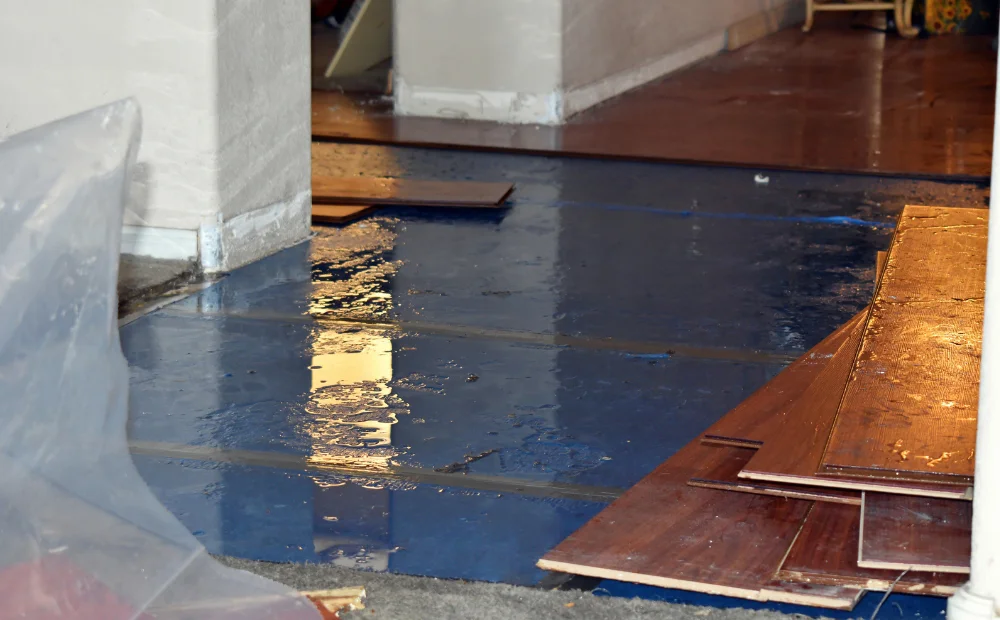
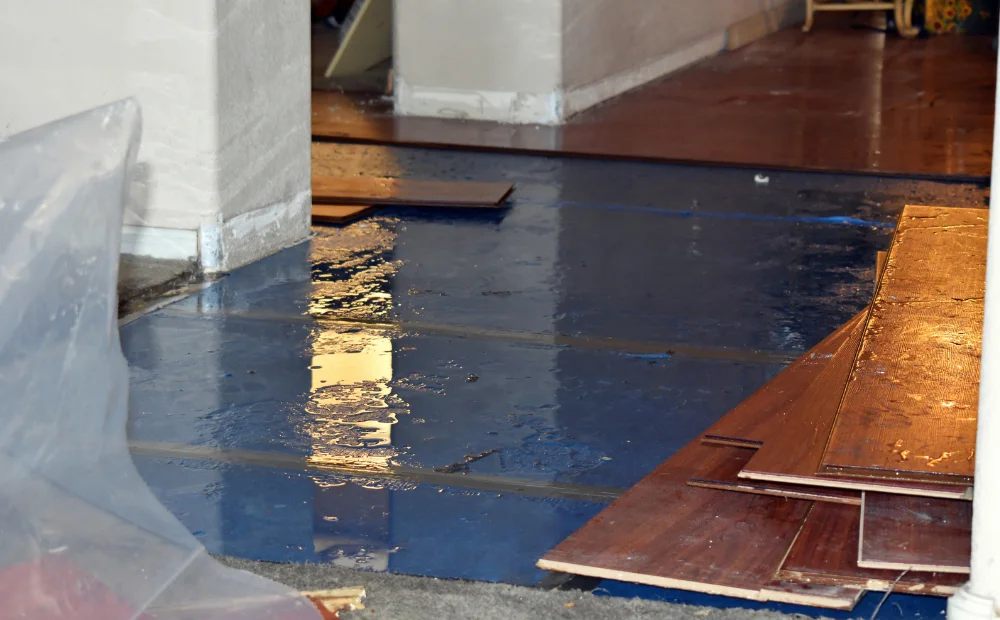
When property destruction is caused by a storm or natural event, the need for a police report generally changes. In most cases, if the damage is directly caused by wind, hail, flood, or other natural phenomena, a police report is not typically required unless a crime occurred in conjunction with the natural event. For example, if your property was damaged by a monsoon and then subsequently looted, you would report the looting to the police.
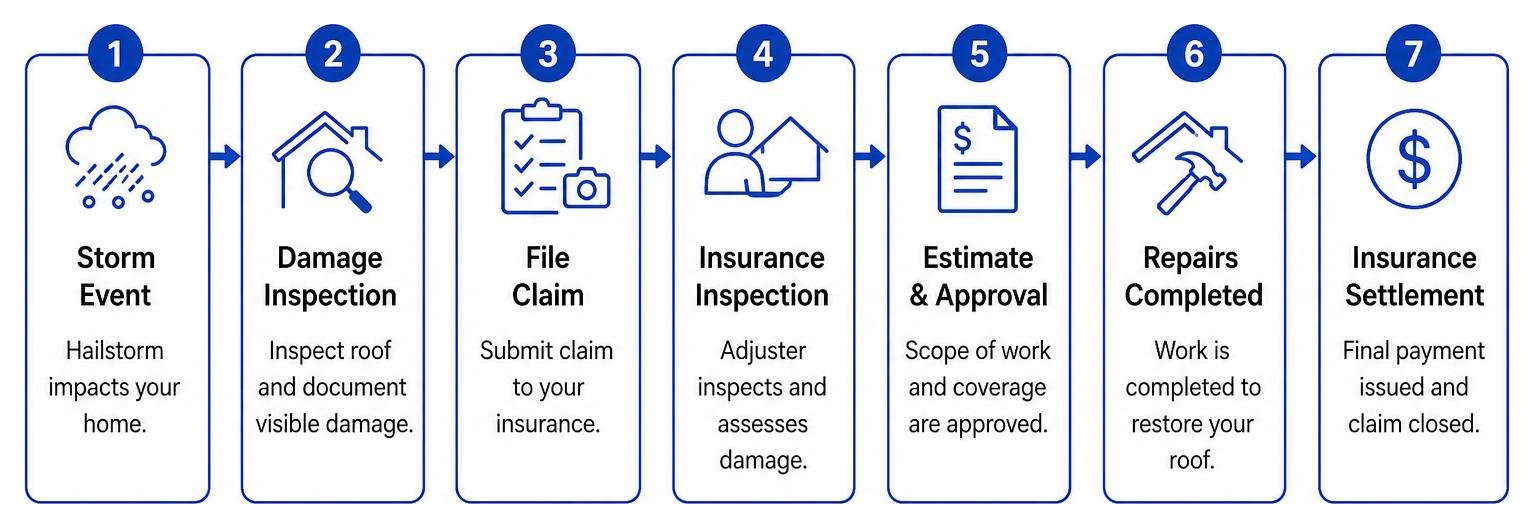
However, the primary focus for storm-related damage is on meticulous documentation for your insurance claim. This means:
- Documenting the Cause: If possible, include photos or videos that show the storm’s impact.
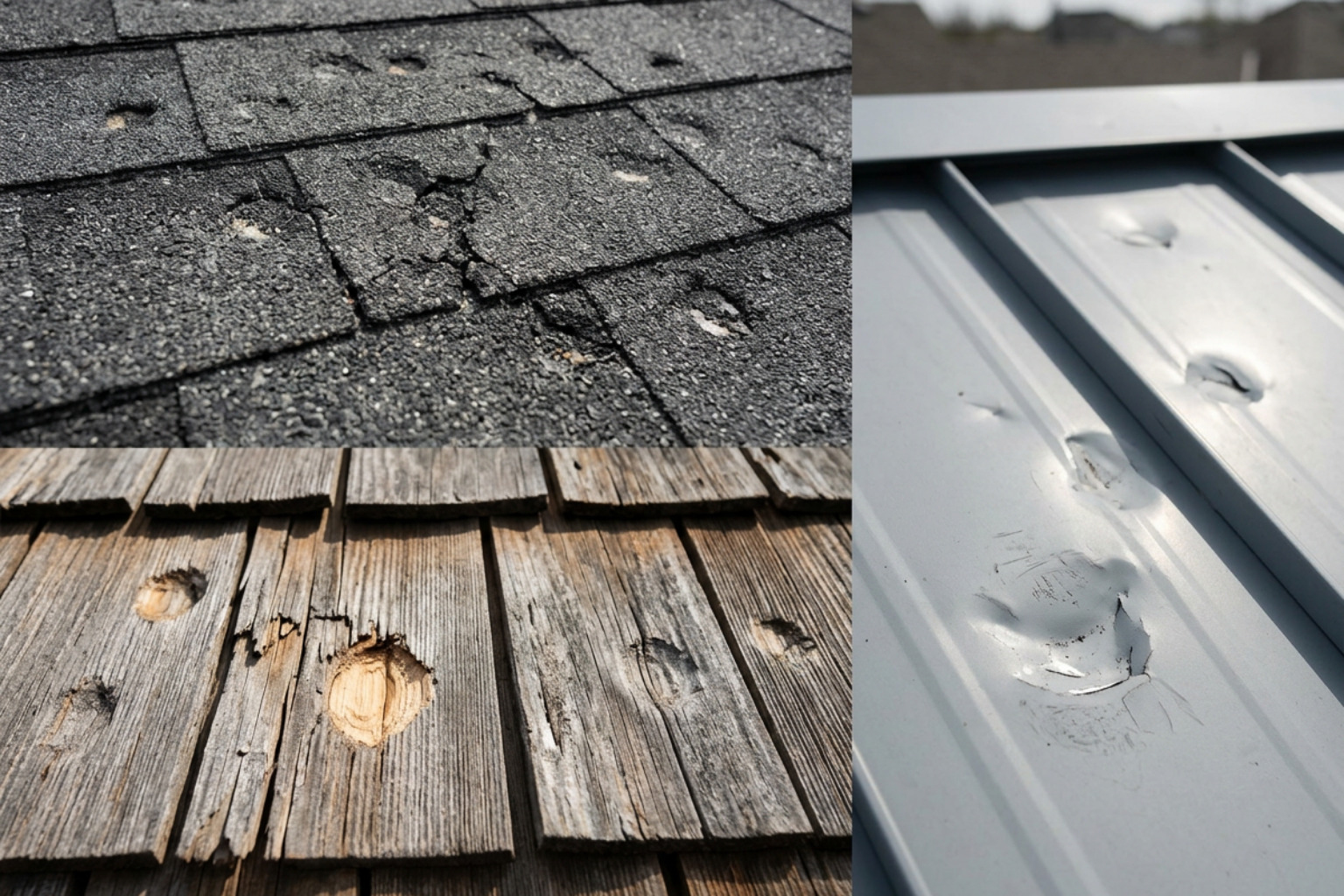
- Specific Perils: Your insurance policy will define specific perils like Wind & Tornado Damage or Hail & Roof damage. Here in Arizona, we frequently see significant damage from monsoons, dust storms, and hail, which can lead to extensive roof, window, and structural damage. While we don’t experience hurricanes, the principles of documenting damage from Hurricanes & Storms still apply to our severe weather events.
- Damage Assessment: As with criminal damage, thorough photo and video evidence, along with professional repair estimates, are crucial. This helps to clearly establish the extent of the damage caused by the storm.
While police reports are less common for direct storm damage, the need for diligent documentation and a clear understanding of your insurance policy remains paramount. Our team at Hudson Douglas Public Adjusters specializes in helping Arizona property owners steer these complex claims, ensuring that all storm-related damages are accurately assessed and properly reported to your insurer.
Frequently Asked Questions about Reporting Property Damage
Dealing with property destruction can bring up many questions, especially if you’ve never experienced it before. Here are some common inquiries we receive from Arizona property owners:
How do I report destruction of property if I don’t know who did it?
This is a very common scenario for property owners, particularly with vandalism, graffiti, or other types of damage where the perpetrator is not present. If you find damage and have no idea who caused it, you can absolutely still file a police report. In fact, online reporting systems and non-emergency police lines are specifically designed for these types of incidents where there are no known suspects.
The key is to focus on documenting the damage itself, not on identifying a suspect. The police report will create an official record of the incident, which is what your insurance company will almost certainly require for your claim. Even if law enforcement cannot identify the person responsible, the official report serves as crucial documentation that a criminal act of property destruction occurred.
What if the damage is minor? Should I still file a report?
Yes, even for what seems like minor damage, we strongly recommend filing a police report. Here’s why:
- Official Documentation: Your insurance provider will likely require an official police report for any claim related to vandalism, theft, or criminal damage, regardless of its perceived severity. Without it, your claim could be delayed or denied.
- Establishes a Record: A police report provides a formal, timestamped record of the incident. This establishes a clear timeline and helps to prevent any disputes with your insurer about when or how the damage occurred. Even damage valued under $250, which might be a misdemeanor under Arizona law, is still a reportable offense.
- Aggravated Damage: Sometimes, what appears minor initially can lead to larger, underlying issues. A small crack in a window could worsen, or seemingly minor graffiti might require extensive, costly removal. Having a report from the outset ensures all damage, both immediate and consequential, is officially recognized.
- Prevention: While not always the case, reporting minor incidents can sometimes help police identify patterns or areas prone to vandalism, potentially preventing future, more significant damage to your property or those of your neighbors.
It’s always better to have an official police report and not need it, than to need it later and not have one.
Can I file a report for damage that happened a while ago?
While it is always best practice to report property damage to the police immediately after findy, we understand that circumstances can sometimes prevent this. You can often still file a report after the fact, but delays can sometimes complicate the process.
Most police departments prefer timely reports to increase the chances of investigation and evidence collection. If a significant amount of time has passed, it might be more challenging for law enforcement to gather evidence or for your insurance company to assess the claim.
If you find yourself in this situation, we recommend contacting your local police department’s non-emergency line to explain the circumstances and inquire about their specific policies for delayed reports. Be prepared to provide a clear explanation for the delay and all the documentation (photos, estimates) you’ve gathered. While a delayed report might require more effort, it’s still crucial to have that official record for your insurance claim.
Conclusion
Navigating property destruction can be an overwhelming experience, but understanding how to report destruction of property is your first critical step toward recovery. By prioritizing safety, carefully documenting all damage, and filing a comprehensive police report, you create the essential foundation for your insurance claim.
A police report is more than just a piece of paper; it’s an official record that validates your loss and is almost always required by your insurance company for claims involving criminal damage, vandalism, or theft.
Here in Arizona, we know that dealing with insurance companies after property damage can be complex and stressful. As a local, family-owned Arizona firm, Hudson Douglas Public Adjusters is here to help property owners manage their claims. We work exclusively for you, the policyholder, ensuring that your damages are accurately assessed, your claim is thoroughly documented, and you receive the full and fair settlement you’re entitled to under your policy. We handle all the intricate details, from inspecting the damage and preparing estimates to negotiating with your insurer, allowing you to focus on rebuilding your home or business. We’re also fluent in both English and Spanish, ensuring all our Spanish-speaking clients receive comprehensive support and clear communication throughout the entire process.
For expert guidance on your property damage claim, whether from vandalism, a storm, or another covered peril, contact our team for a complimentary consultation. Let us put our 40+ years of expertise to work for you, with no upfront fees, as we only receive 12% of the payout once your claim is settled. You don’t pay out of pocket.