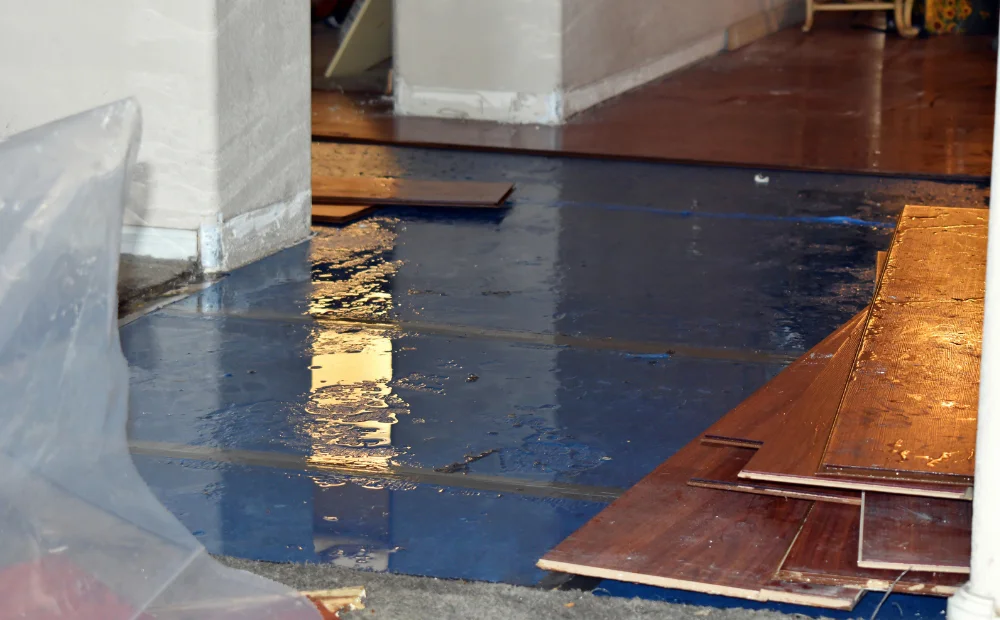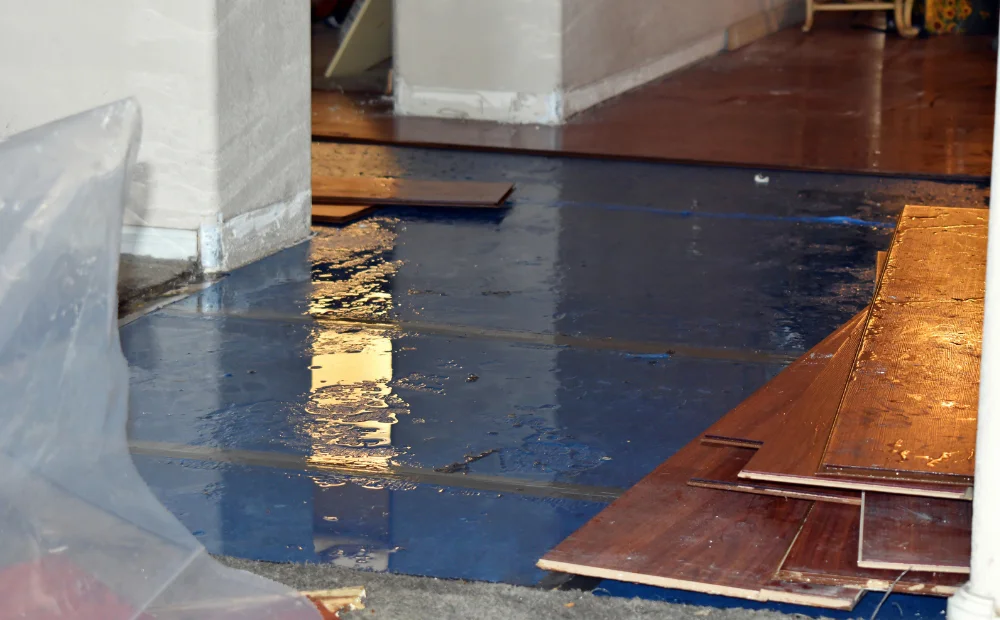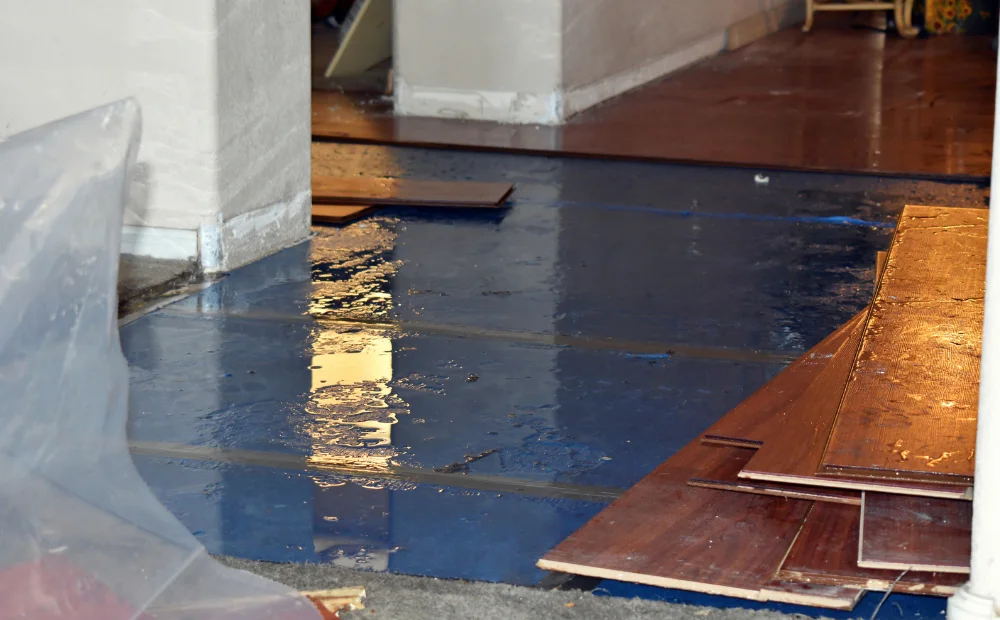

You pay your premiums on time, month after month, year after year. You do it because you expect your insurance company to have your back if disaster strikes.
But if you own a home, you’ve likely noticed a painful trend: homeowners insurance premiums have risen sharply in recent years. According to research from Vanderbilt University, homeowners insurance prices increased by 52% between 2020 and 2024. Families across the country are being forced to make hard financial sacrifices just to keep their homes covered.
If you are paying record-high prices for insurance, you should expect dependable protection. Unfortunately, recent data raises serious questions about what happens when homeowners actually file a claim.
The 44% Zero-Payout Rate: A Systemic Crisis
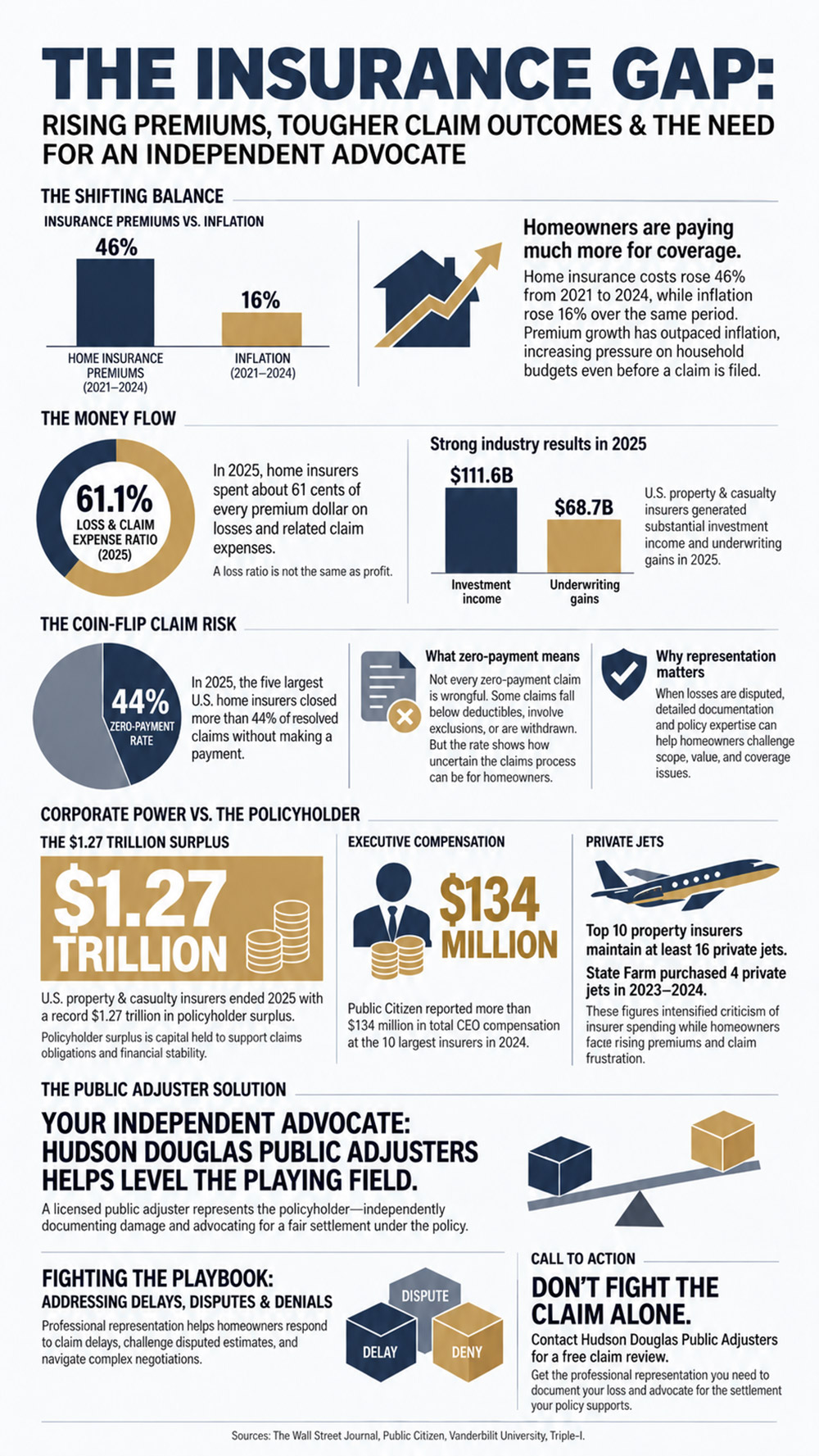
In 2025, the five largest home insurance companies in the United States closed more than 44% of resolved claims without making a payment, according to an investigation by The Wall Street Journal.
Let that sink in. More than four out of every ten claims resolved by these major insurers resulted in no payout.
Not every zero-payment claim represents a wrongful denial. Some claims fall below deductibles, involve excluded damage, or are withdrawn. But the growing rate of nonpayment highlights an uncomfortable reality: paying for homeowners insurance doesn’t guarantee you’ll receive a check when something goes wrong.
And even when insurers approve claims, homeowners may still face disputes over repair costs, depreciation, and the extent of covered damage.
For property owners already struggling with rising premiums, those disputes can create another financial burden at the worst possible time.
The “Float” Game: Why Your Insurance Carrier Behaves Like a Wall Street Investment Firm
Why are so many claims ending without payment while premiums continue to rise? Part of the answer lies in understanding how insurance companies make their money.
Insurers don’t simply collect premiums and hold that money in a vault until a claim arrives. They invest funds while maintaining reserves and capital to meet their obligations.
This pool of money available for investment before claims are paid is commonly known as insurance float.
It’s a fundamental part of the insurance business model. Companies earn money through underwriting—the difference between premiums collected and the costs of claims and operations—and through returns on their investments.
And those investment earnings are substantial.
According to a Public Citizen analysis of insurance industry financial data, U.S. property and casualty insurers generated $111.6 billion in investment income in 2025, alongside $68.7 billion in underwriting gains.
Those figures reveal just how financially powerful the insurance industry has become.
While investment income doesn’t prove that insurers intentionally delay claims, the financial incentives behind claims management deserve scrutiny. Every disputed estimate, coverage limitation, and delayed resolution can have real consequences for policyholders.
For homeowners, the priority is simple: making sure every dollar of covered damage is properly documented, evaluated, and paid according to the policy.
Low Loss Ratios, High Profits, and Private Jets
Insurance companies frequently argue that premium increases are necessary to maintain financial stability, especially as severe weather events and rebuilding costs rise.
But recent financial results have also raised questions about how much insurers collect, how much they pay in claims, and where the remaining money goes.
One important measure is the loss ratio, which compares insurance losses and related claim costs with premium income.
According to Insurance Information Institute data, the homeowners insurance industry reported a 61.1% loss and loss adjustment expense ratio in 2025, alongside a 26.4% operating expense ratio.
The difference doesn’t automatically translate into profit. Insurers also incur administrative expenses, commissions, taxes, and other business costs. Still, understanding these figures is essential when evaluating industry profitability.
And the discussion doesn’t stop at loss ratios.
Recent investigations and industry analyses have highlighted substantial spending on executive compensation and corporate perks:
- Executive Compensation: CEOs at the ten largest insurers collectively received more than $134 million in compensation in 2024, according to Public Citizen’s reporting.
- Corporate Jets: Research published by Vanderbilt University highlights spending on private aircraft and other corporate expenses as part of a broader discussion about rising insurance costs.
- State Farm’s Private Jets: The same Vanderbilt research reports that State Farm purchased four private jets in 2023 and 2024, during a period when insurers were also seeking significant premium increases.
For homeowners struggling to pay rising premiums, those figures raise an important question:
If insurance is becoming more expensive, shouldn’t policyholders be able to count on fair, thorough, and timely claims handling when they need it most?
How Hudson Douglas Public Adjusters Levels the Playing Field
When you experience property damage, your insurance company assigns an adjuster to evaluate the loss.
It’s important to understand that the insurance company’s adjuster represents the insurer, not you. Their responsibility is to evaluate the claim under the company’s policies and procedures.
But who is looking out for your interests?
You shouldn’t have to navigate a complicated insurance dispute without professional representation.
At Hudson Douglas Public Adjusters, our team of licensed public adjusters works exclusively for you—the policyholder. We have no allegiance to the insurance company.
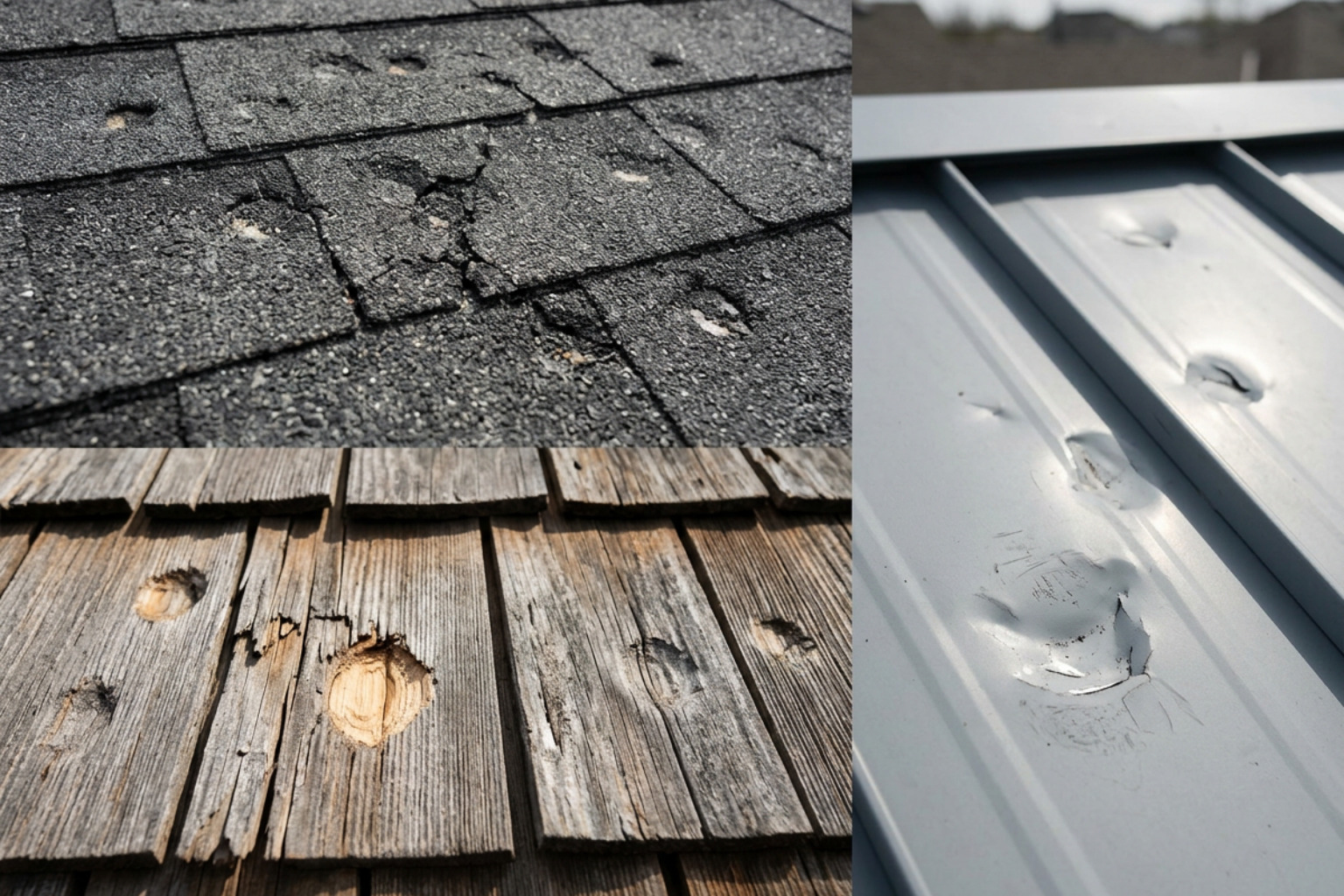
Whether you are dealing with complex business interruption claims or hail and roof damage to your family home, we help level the playing field by:
- Conducting a Comprehensive, Independent Damage Assessment: We thoroughly inspect and document the damage, identifying covered losses and potential hidden issues that might otherwise be overlooked.
- Writing a Detailed, Professional Estimate: We use industry-standard estimating tools and pricing to establish the documented cost of repairing or rebuilding your property.
- Handling Communications and Negotiations: We manage the back-and-forth with your insurance company, challenge inaccurate estimates, and advocate for a fair settlement based on your policy.
Stop Fighting Alone. Get the Settlement You Deserve.
Your insurance company has experienced adjusters, legal teams, and extensive resources. You deserve someone equally committed to protecting your interests.
Don’t let an incomplete damage assessment, an undervalued estimate, or a disputed claim leave you paying more than you should.
Contact Hudson Douglas Public Adjusters today for a free claim evaluation. Let our licensed public adjusters review your damage, examine your policy, and fight to recover the compensation you’re entitled to under your coverage.