What Is a Wear and Tear Exclusion — and Why Does It Matter for Your Home?
The wear and tear exclusion is one of the most commonly cited provisions in homeowners insurance policies — and one of the most misunderstood.
Here is a plain-language answer for anyone trying to understand it quickly:
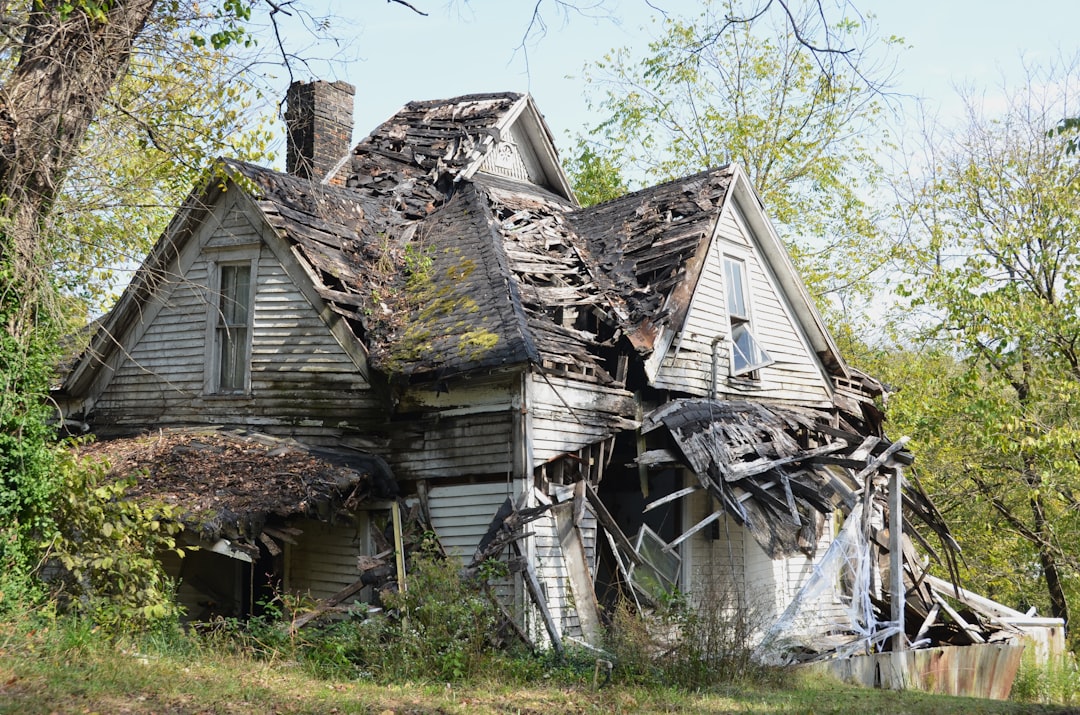
A wear and tear exclusion is a clause in your insurance policy that removes coverage for damage caused by the gradual aging, deterioration, or normal use of your property. If your roof slowly degrades over 20 years, your pipes quietly corrode, or your HVAC system wears down from daily use, your insurer is not required to pay for those repairs. Insurance is designed to cover sudden, unexpected losses — not the predictable decline that comes with every property over time.
At a glance:
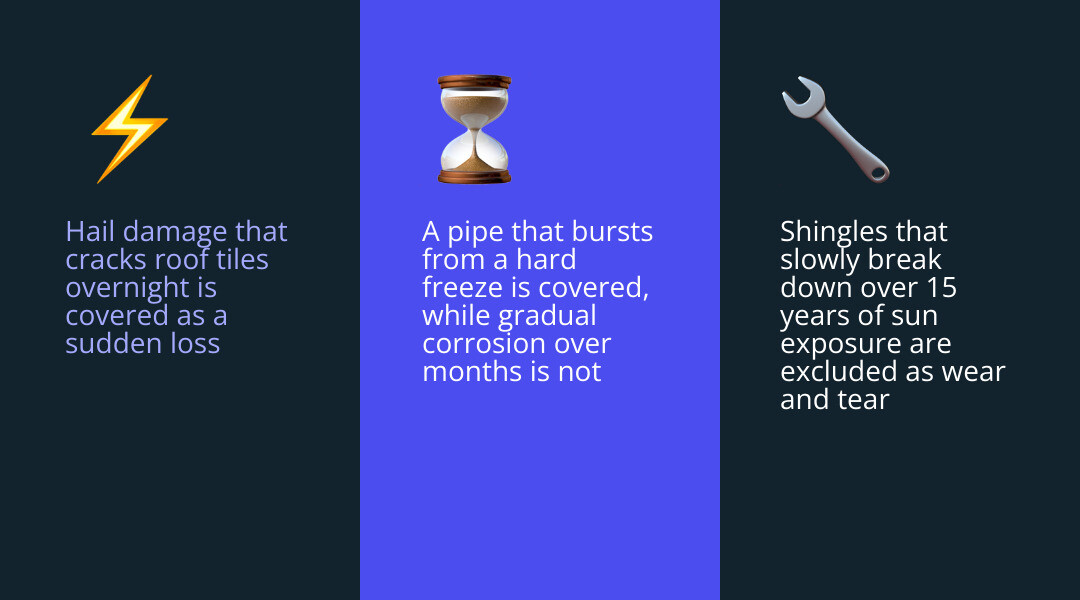
- Covered: A hailstorm cracks your roof tiles overnight
- Not covered: Your roof shingles slowly break down over 15 years of sun and heat
- Covered: A pipe bursts suddenly after a hard freeze
- Not covered: A pipe slowly corrodes over months and eventually leaks
That line — between sudden damage and gradual deterioration — sounds simple. In practice, it is often the center of serious disputes between homeowners and their insurance companies.
Insurers cite wear and tear exclusions in roughly 30 to 40 percent of disputed homeowners claims involving older properties. And for roofs over 15 to 20 years old, storm-related claims are denied or reduced based on this exclusion in up to 60 percent of cases. That is a significant number of Arizona homeowners left without the payout they expected.
What makes this frustrating is that wear and tear arguments are sometimes applied too broadly — used to deny claims that should rightfully be covered. Knowing how this exclusion works, where it applies, and where it does not is the first step toward protecting yourself.
Glossary for wear and tear exclusion:
Understanding the Wear and Tear Exclusion in Property Insurance

To understand the wear and tear exclusion, we have to look at what insurance is actually meant to do. At its heart, insurance is a contract for a “fortuitous” event. In plain English, that means something that happens by chance — an accident that is unexpected and unforeseen.
The Concept of Fortuity
The principle of fortuity is the bedrock of the insurance industry. If a loss is a certainty, it isn’t a “risk” anymore; it’s just an inevitability. For example, we all know that a roof in the Arizona sun will eventually need to be replaced. Because that decline is certain to happen over time, it is not considered a fortuitous event.
This concept dates back decades. In fact, the 1928 All Risks Personal Effects Floater was one of the first policies to explicitly exclude wear and tear to clarify that insurance wasn’t a maintenance plan. Courts have long held that insurance contracts are commercial transactions intended to be sensible. If insurers had to pay for every shingle that naturally aged or every faucet that started to drip after ten years, premiums would be so high that no one could afford a policy.
Why the Exclusion Exists
Insurers use the wear and tear exclusion to maintain premium stability and place the responsibility for property upkeep on the owner. It encourages homeowners to be proactive. If you know that insurance won’t cover a 25-year-old water heater when it finally gives up the ghost, you’re more likely to replace it before it causes a mess.
| Fortuitous Event (Covered) | Inevitable Aging (Excluded) |
|---|---|
| A monsoon wind rips shingles off your roof. | Shingles become brittle and lose granules over 20 years. |
| Lightning strikes your HVAC unit. | The compressor fails after 15 years of normal operation. |
| A heavy branch falls and cracks a window. | A window seal fails due to age, causing fogging. |
| A sudden pipe burst floods the kitchen. | A slow, pinhole leak from corrosion drips for months. |
For more details on how these definitions work, you can read Understanding Wear and Tear Exclusion in Insurance Policies.
Common Examples of Gradual Deterioration in Homeowners Policies
In our experience serving Arizona communities from Scottsdale to Sedona, we see the same types of “gradual damage” denials pop up repeatedly. The desert heat is particularly tough on building materials, making the line between storm damage and age-related wear very thin.
Roofing and Exterior Surfaces
The roof is the most common battleground for the wear and tear exclusion. Most shingle roofs have a functional lifespan of 20 to 25 years. Once a roof hits the 15-year mark, insurance adjusters look at it with a magnifying glass.
They often look for “marring” or “shingle brittleness.” If a storm rolls through Chandler or Mesa and you file a claim, the adjuster might argue that the shingles didn’t fail because of the wind, but because they were already “worn out” and couldn’t hold their seal. This is a common way Why Your Homeowners Policy Might Leave You High and Dry.
Plumbing and Mechanical Systems
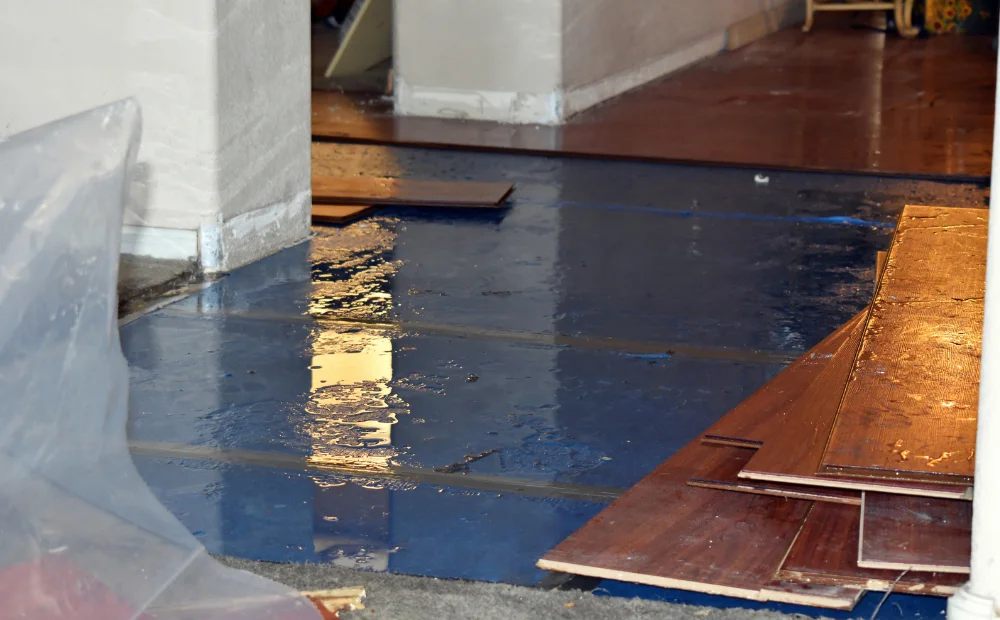
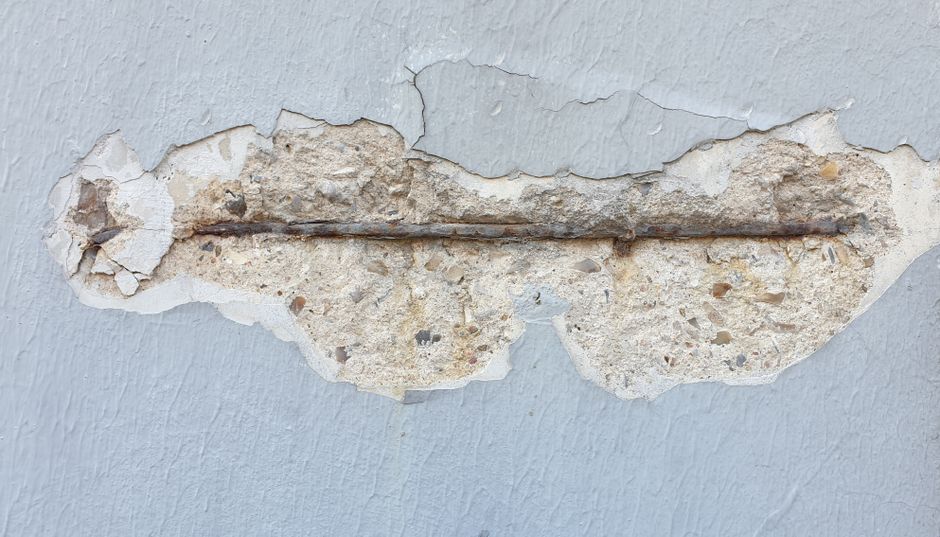
Inside the home, plumbing is the second most common area for disputes. A sudden pipe burst is usually a straightforward covered claim. However, if the adjuster finds rust, sediment buildup, or evidence of a slow, long-term leak, they may invoke the exclusion.
In many cases, the insurer might agree to pay for the ensuing water damage (like your ruined drywall) but refuse to pay for the actual pipe repair because the pipe failed due to “wear and tear.” This nuance is why many owners feel frustrated. You can find more information on this in The Complete Guide to Why Insurance Isn’t Paying Water Damage Claims.
How the Wear and Tear Exclusion Impacts Your Claim Payout
Even when a claim is “covered,” the concept of wear and tear still plays a massive role in how much money actually ends up in your bank account. This comes down to how your policy calculates the value of your property.
Actual Cash Value vs. Replacement Cost
Most modern policies are “Replacement Cost Value” (RCV), meaning the insurer pays what it costs to buy a new version of what was damaged. However, many policies — especially for older roofs — are “Actual Cash Value” (ACV).
ACV is calculated as: Replacement Cost – Depreciation.
Depreciation is essentially the “wear and tear” expressed in dollars. If you have a 10-year-old roof with a 20-year lifespan, the insurer might say it has lost 50% of its value. If a new roof costs $20,000, they might only pay you $10,000 (minus your deductible). This leaves you with a massive out-of-pocket expense. Understanding these Water Damage Exclusion Forms: A Deep Dive into the Fine Print is vital before you ever file a claim.
The Role of Anti-Concurrent Cause Language
This is a technical but critical part of your policy. “Anti-concurrent cause” (ACC) language states that if a loss is caused by two things — one covered (like a windstorm) and one excluded (like wear and tear) — the entire claim can be denied.
Historically, some courts (like an Illinois court in 1983) ruled that if a covered and uncovered peril combined to cause a loss, the whole thing should be covered. To fight this, insurers added ACC language. If your roof was already in poor condition and a storm finished it off, the insurer might use this language to deny the claim entirely, arguing the “pre-existing” wear and tear was a contributing factor. For a deeper legal dive, see Wear and Tear Exclusions Worn and Torn.
Challenging a Wrongful Wear and Tear Exclusion Denial
Just because an insurance company says something is wear and tear does not automatically make that conclusion correct. In our work with Arizona homeowners and commercial property owners, we often see “wear and tear” cited too broadly when the real issue is sudden storm damage or another covered event.
Identifying Misapplied Exclusions
If a sudden event caused the damage, it may still be covered, even if the damaged item was older. For example:
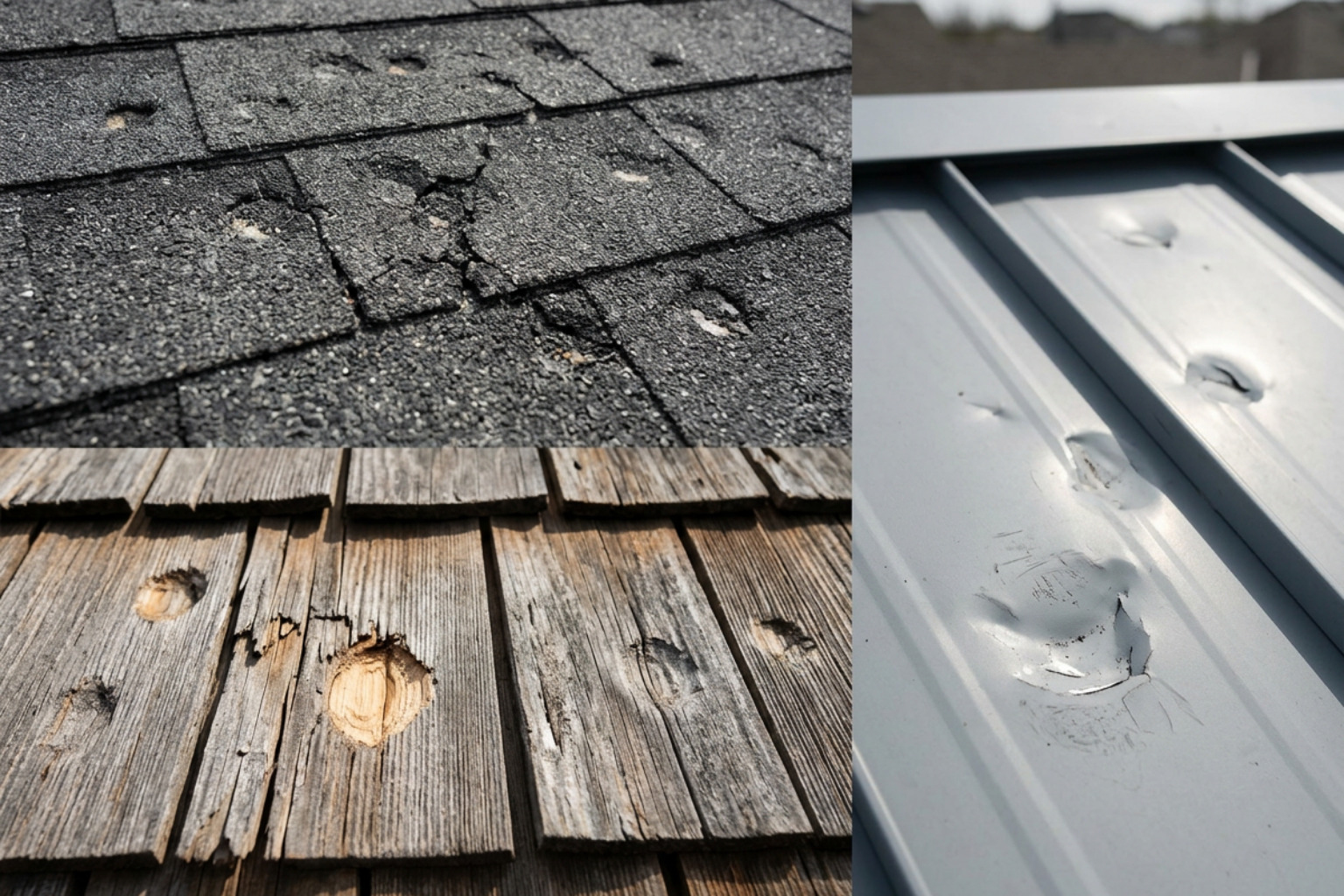
- Impact Marks: If a hailstone leaves a specific impact mark on a 20-year-old tile, that points to a sudden event, not gradual wear.
- Wind-Driven Rain: If a strong gust lifts a shingle and allows rain inside, the wind may be the cause of loss, not the age of the shingle alone.
- Ensuing Loss: Even if a part fails due to age, the damage it causes to other parts of the property is often still covered. If an old water heater leaks, the heater itself may not be covered, but the damaged hardwood floors often are.
If you’ve received a denial, our Denied Water Damage Claim Guide can help you understand your options. In many cases, the broad promises people hear in insurance marketing do not fully reflect the limits found in the policy itself, which we discuss in When Like a Good Neighbor Isn’t So Neighborly.
Steps to Dispute a Denial
If you believe your claim was wrongfully denied:
- Get it in writing: Ask the insurer for the specific policy language they are relying on.
- Gather Evidence: Collect pre-loss photos, inspection reports, or maintenance records that show the property was in good condition.
- Get an Expert Opinion: A qualified contractor or public adjuster can help separate sudden damage from long-term deterioration.
- Review dispute options: Many policies include an appraisal clause or other dispute process that may help resolve disagreements over the amount of loss.
These situations are stressful, especially when you feel like the damage is being described unfairly. A calm, well-documented response usually goes much further than a rushed one.
Proactive Steps to Protect Your Property and Coverage
Arizona properties face a lot over time. Intense sun, monsoon storms, dust, and seasonal temperature swings all put stress on roofs, plumbing, and exterior materials. Staying ahead of maintenance issues gives you a stronger position if you ever need to file a claim.
Maintaining Detailed Records
We regularly remind property owners that good documentation makes a real difference.
- Keep Receipts: If you service your HVAC system, repair flashing, or maintain plumbing lines, hold onto those records. They help show that the property has been cared for.
- Professional Inspections: Periodic roof and plumbing inspections can identify small issues early and create useful documentation if a coverage dispute comes up later.
- Digital Archives: Take photos of your roof, attic, utility areas, and exterior once or twice a year. Save them somewhere easy to access.
Mitigating Future Damage
Small repairs now can prevent larger problems later.
- Clean Your Gutters: Blocked gutters can push water where it does not belong, and insurers often view that as a maintenance issue.
- Fix Small Leaks: A minor drip can turn into long-term moisture damage if it is left alone.
- HVAC Care: Change filters on schedule and keep the outdoor unit clear so the system can run properly.
At Hudson Douglas, we are family-owned, locally based in Arizona, and focused on property claims only. We work with both homeowners and commercial property owners, and we understand how regional weather and property conditions can affect claims decisions. We also communicate fluently in English and Spanish, so Spanish-speaking clients receive the same full guidance, clarity, and support from the start.
Frequently Asked Questions about Wear and Tear
What is the difference between wear and tear and sudden damage?
Wear and tear is a gradual, predictable process that happens over time (like a tire losing tread). Sudden damage is an “unforeseen” event that happens all at once (like a tire blowing out because you hit a piece of debris). Insurance only covers the latter.
Does insurance cover a roof that is over 20 years old?
Yes, but it is much harder to get a full payout. If a 20-year-old roof is damaged by a covered peril (like a fire or a fallen tree), it is covered. However, the insurer will likely apply heavy depreciation (ACV), and they will look very closely to see if the roof was already failing due to age before the event happened.
Can I appeal if my claim was partially denied due to depreciation?
Yes. Depreciation is often subjective. An insurance adjuster might decide your kitchen cabinets are “70% depreciated,” but a professional appraisal might find they were in excellent condition and should only be depreciated 20%. You have the right to challenge their math.
Conclusion
Understanding the wear and tear exclusion helps you see where a claim may be limited and where an insurer may be stretching the issue too far. In many property claims, the key question is not simply whether something was old. It is whether the damage happened gradually over time or was caused by a sudden covered event.
At Hudson Douglas Public Adjusters, we represent policyholders only. As a family-owned Arizona company, we take a steady, practical approach to helping homeowners and commercial property owners understand their claims, document their damage, and push for a fair review under the policy.
If you are dealing with a denial, partial payment, or a claim that just does not feel right, it may help to have an experienced second look. We explain the process clearly, stay transparent about fees, and handle the detailed work so you can focus on your property and the next steps ahead.
Get the settlement you deserve for water damage claims and let our family help yours.