Why the Right Water Damage Insurance Claim Tips Matter
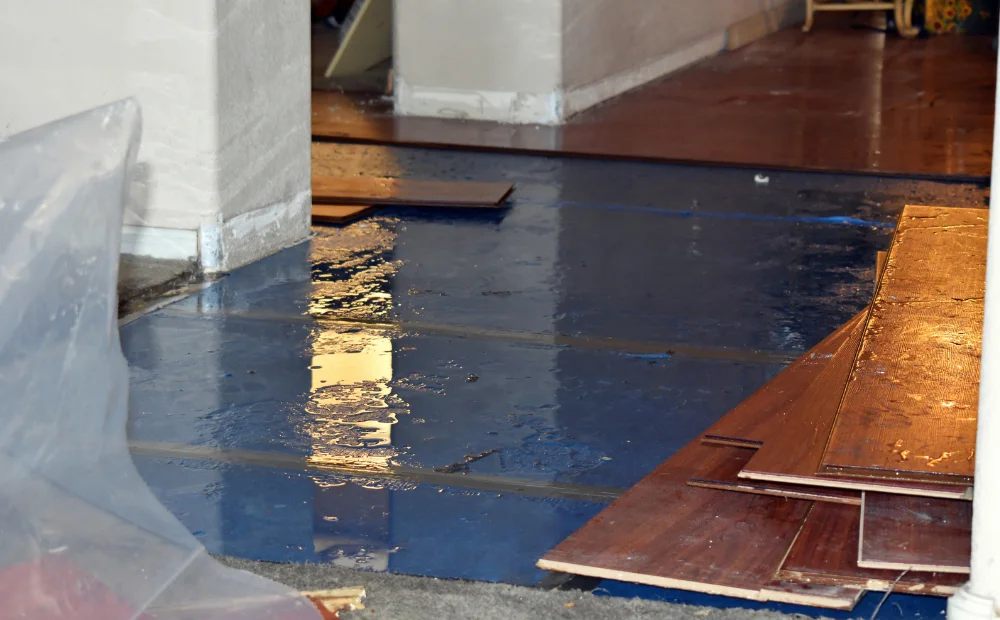
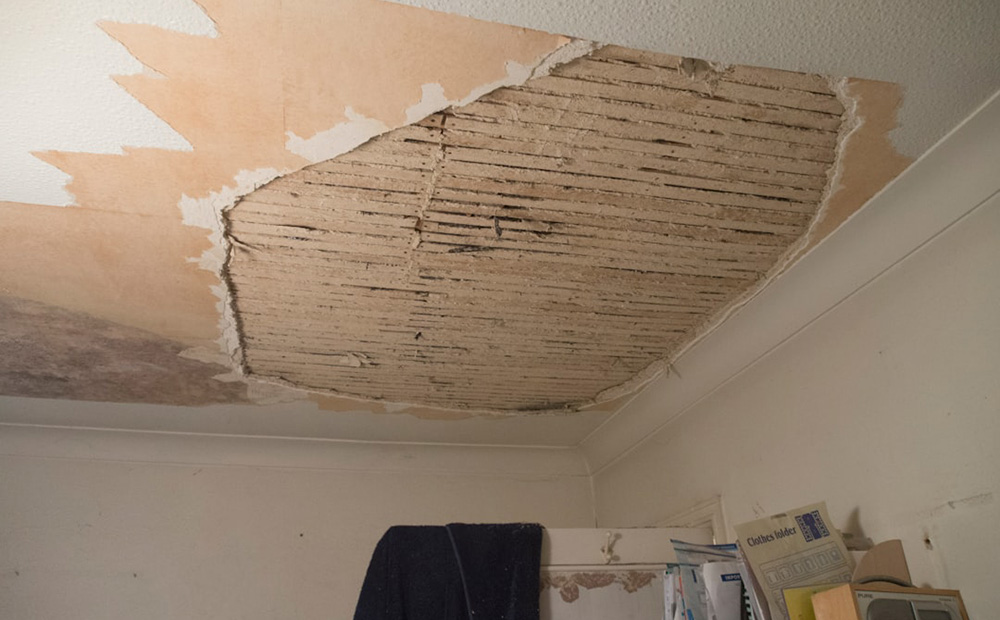
The right water damage insurance claim tips can mean the difference between a fair settlement and financial disaster for Arizona property owners. Water damage is the leading cause of home insurance claims, affecting 1 in 50 homeowners every year. In 2018 alone, nearly one in four home insurance claims resulted from water damage—outpacing even fires and hurricanes.
Quick Reference: Essential Steps After Water Damage
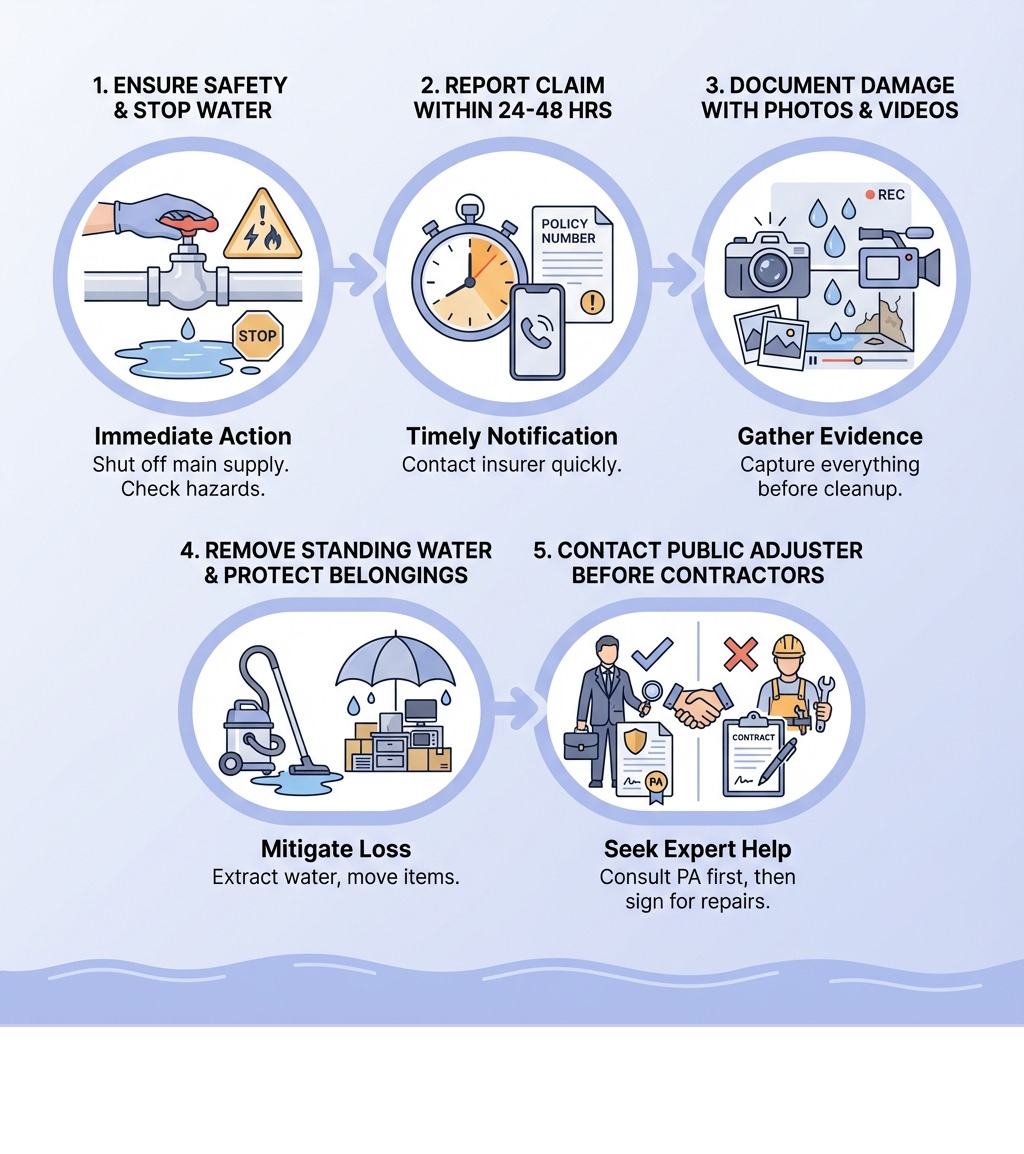
- Stop the source – Shut off water supply if safe to do so
- Prioritize safety – Check for electrical hazards and gas leaks
- Report immediately – Contact your insurance company within 24-48 hours
- Document everything – Take photos and videos before cleanup
- Mitigate further damage – Remove standing water and protect belongings
- Keep all receipts – Save documentation for repairs and temporary fixes
- Review your policy – Understand what’s covered before meeting your adjuster
- Get professional help – Consider a public adjuster for complex claims
If you’ve finded water damage in your Arizona home or business, you’re likely stressed, overwhelmed, and worried about what happens next. The insurance claims process feels confusing. You’re not sure if your policy covers the damage. You’re concerned the insurance company might lowball your settlement.
These fears are valid. The claims process is complicated. Policy language is confusing. And insurance company adjusters do work for the insurance company—not for you.
This guide walks you through every step of filing a successful water damage claim. We’ll cover immediate actions to take after finding damage, how to understand your policy coverage, what to document and how, working with adjusters, and negotiating your settlement. You’ll learn when to file a claim versus paying out of pocket, and how to avoid common mistakes that cost Arizona property owners thousands of dollars.
As a family-owned public adjusting firm serving Arizona homeowners and commercial property owners, Hudson Douglas has helped countless clients steer these exact situations. We understand Arizona’s unique property challenges and know how local insurance carriers handle water damage claims. Our team speaks English and Spanish fluently, and we work exclusively for policyholders—never insurance companies.
First Steps: What to Do Immediately After Finding Water Damage
When water invades your Arizona home or business, the first moments are critical. Your actions immediately after finding water damage can significantly impact your safety, the extent of the damage, and ultimately, the success of your insurance claim. We’ve seen it all, from burst pipes in the height of summer to monsoon-related roof leaks, and we know that acting quickly and correctly is paramount.
Prioritize Safety and Stop the Source
Your personal safety and the safety of those around you must always come first. Water and electricity are a dangerous combination. Before you even think about cleanup, assess the situation for immediate hazards.
- Electrical Hazards: If you see standing water, especially near electrical outlets or appliances, do not enter the area. If it’s safe to do so, turn off the main electrical breaker to the affected area or your entire property. Never touch electrical devices or outlets while standing in water.
- Gas Safety: If you smell gas, evacuate immediately and contact your gas provider from a safe location. Do not use electrical switches or phones inside the property.
- Protective Gear: Once you’ve addressed immediate hazards, if it’s safe to proceed, wear appropriate protective gear, including gloves, waterproof boots, and possibly a mask, especially if the water is contaminated.
After ensuring safety, your next critical step is to stop the flow of water. This might seem obvious, but panic can sometimes make us forget the simplest solutions.
- Shutting Off Main Water Supply: For many types of water damage, such as a burst pipe or a malfunctioning appliance, the fastest way to halt the flow is to turn off your home’s main water valve. This valve is often located in your basement, garage, outside your home, or near your water heater. Knowing its location beforehand can save precious time. For detailed instructions, refer to guides on How to shut off water supply valves.
- Stopping the Flow from Appliances: If the damage is from a specific appliance like a washing machine, dishwasher, or toilet, you might be able to turn off the individual supply valve to that appliance without affecting your entire water supply.
Your Duty to Mitigate Further Damage
Once the water source is contained and safety is assured, your insurance policy expects you, the policyholder, to take reasonable steps to prevent further damage. This is often referred to as your “duty to mitigate.” Failing to do so could lead to a reduction or denial of your claim.
- Removing Standing Water: Use mops, towels, buckets, or a wet/dry vacuum to remove as much standing water as possible. For larger areas, consider renting or borrowing industrial-grade pumps or extractors.
- Moving Undamaged Belongings: Carefully move furniture, electronics, artwork, and other valuables out of the affected area to a dry, safe place. Lift items that cannot be moved to protect them from water creeping into other areas.
- Temporary Repairs: This could involve covering a leaking roof with a tarp, patching a small hole in a pipe, or boarding up a broken window. Keep all receipts for any materials or services you use for these temporary fixes. These costs are often reimbursable under your policy.
- Protecting Property: Set up fans and dehumidifiers to begin the drying process, as mold can start to grow within 24-48 hours. Open windows and doors if the outside humidity is lower than inside.
Report the Claim Promptly
Time is of the essence when it comes to water damage claims. The sooner you report, the better. Most insurance carriers maintain 24/7 hotlines, understanding that emergencies don’t stick to business hours.
- Why to Report Quickly: Prompt reporting allows your insurance company to begin their assessment process without delay. More importantly, it helps prevent secondary damage, particularly mold growth. According to FEMA, mold and mildew can begin to develop 24-48 hours after exposure. Delaying could mean your insurer argues that subsequent mold damage was due to your inaction, not the initial water event. The Potential consequences of delaying a claim are significant and can impact your payout.
- Information Needed: When you call your insurance company, have your policy number ready. Be prepared to provide your contact details, a brief description of the incident, and the date and time it occurred.
Understanding Your Policy: What’s Covered and What’s Not
Navigating the nuances of your home or commercial property insurance policy can feel like trying to decipher an ancient scroll. We understand this challenge, and as your local Arizona public adjusters, we’re here to help you comprehend the “fine print” that determines your coverage.
The “Sudden and Accidental” Rule
The core principle governing most standard water damage claims is whether the damage was “sudden and accidental.” Generally speaking, standard homeowner’s insurance policies in Arizona cover damage that occurs unexpectedly and without prior warning.
- Examples of Covered Damage: This typically includes water damage from a burst pipe, a leaking water heater, an overflowing washing machine, or a sudden appliance failure. If a pipe suddenly bursts behind your wall, causing water to flood your home, that’s usually considered sudden and accidental.
- Gradual Damage Exclusion: However, policies usually do not cover damage that occurs gradually over time. This includes damage from slow leaks, deteriorating plumbing, or seepage through your home’s foundation. These issues are generally considered the result of normal wear and tear or lack of maintenance, and the cost of repairs falls on the homeowner. For more on this, understand the Gradual damage exclusion. If you have a drip under your sink that you ignore for months, leading to extensive rot, your insurer might deny that portion of the claim. It’s a tough pill to swallow, but it’s why regular home maintenance is so important, especially in our unique Arizona climate.
Common Exclusions and Necessary Endorsements
While “sudden and accidental” water damage is often covered, there are significant exclusions you need to be aware of. The most crucial distinction is between water damage and flood damage.
- Flood Damage: Standard homeowners’ policies do not cover flood damage. Flood damage is typically defined as water that comes from outside the home and enters from the ground up, such as overflowing rivers, flash floods, or significant surface water accumulation. Given Arizona’s monsoon season and potential for flash floods in areas like Sedona or Flagstaff, this is a critical distinction for our local property owners. To protect against this, you need a separate flood insurance policy, often available through the National Flood Insurance Program (NFIP). For a deeper dive into this, see our article on Flood Damage vs. Water Damage Arizona.
- Sewer Backup and Overland Water: These are other common exclusions. Sewer backup occurs when water or sewage backs up from a sewer or drain into your home. Overland water refers to water that flows over the surface of the ground from sources like heavy rain or melting snow. While less common in our drier parts of Arizona, heavy monsoons can certainly lead to overland flow and localized flooding. These types of damage typically require specific additional coverages or endorsements to your standard policy.
- Policy Review: We strongly recommend reviewing your policy annually with your agent to ensure you have the necessary endorsements for improved water damage protection. Don’t wait until disaster strikes to find you’re not covered.
Mold: A Complicating and Costly Factor
Water damage often brings an unwelcome guest: mold. As we mentioned, mold and mildew can begin to develop within 24-48 hours after exposure to moisture. This rapid growth can turn a manageable water leak into a much larger and more expensive problem.
- Preventing Mold Growth: As a policyholder, you have a responsibility to prevent the growth and spread of mold. This means acting quickly to dry out affected areas and remove wet materials. For practical steps, refer to resources like How to prevent mold growth.
- Mold Coverage Limits: While your policy might cover the initial water damage, coverage for mold remediation can be limited, or even excluded, especially if the insurer determines it resulted from a lack of mitigation on your part. Some policies have specific sub-limits for mold, meaning they will only pay up to a certain amount, which might not cover the full cost of removal and repair.
- Health Risks: Beyond property damage, mold poses significant health risks. It’s crucial to address it promptly and professionally.
Mastering the Claims Process: Essential Water Damage Insurance Claim Tips
Once the initial shock wears off and you’ve taken steps to mitigate damage, the real work of the insurance claim begins. This is where meticulous attention to detail and a clear understanding of the process will serve you best.
Document Everything: A Critical Water Damage Insurance Claim Tip
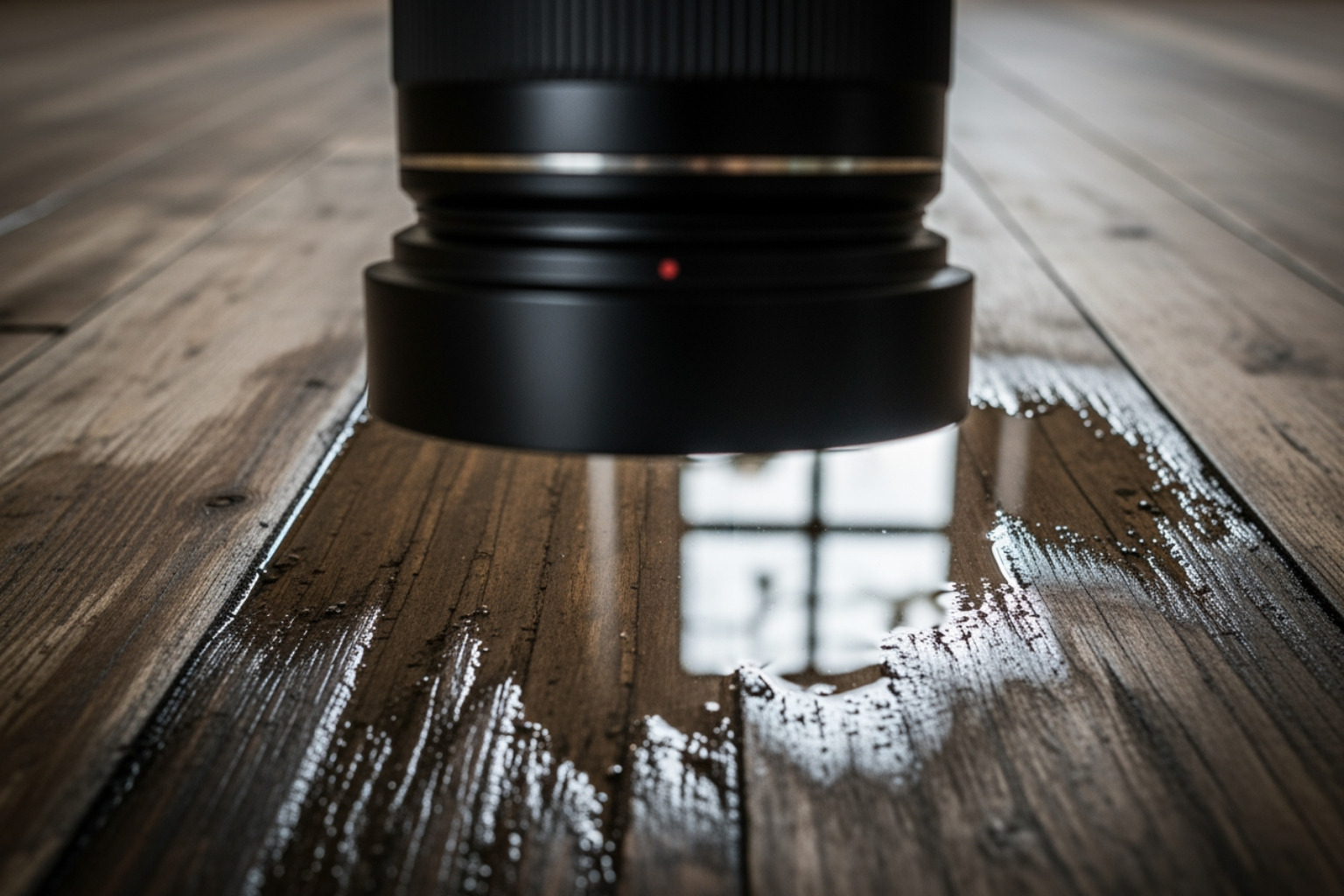
Documentation is your superpower in an insurance claim. It provides irrefutable evidence of the damage and supports your requests for compensation. Think of it as building your case.
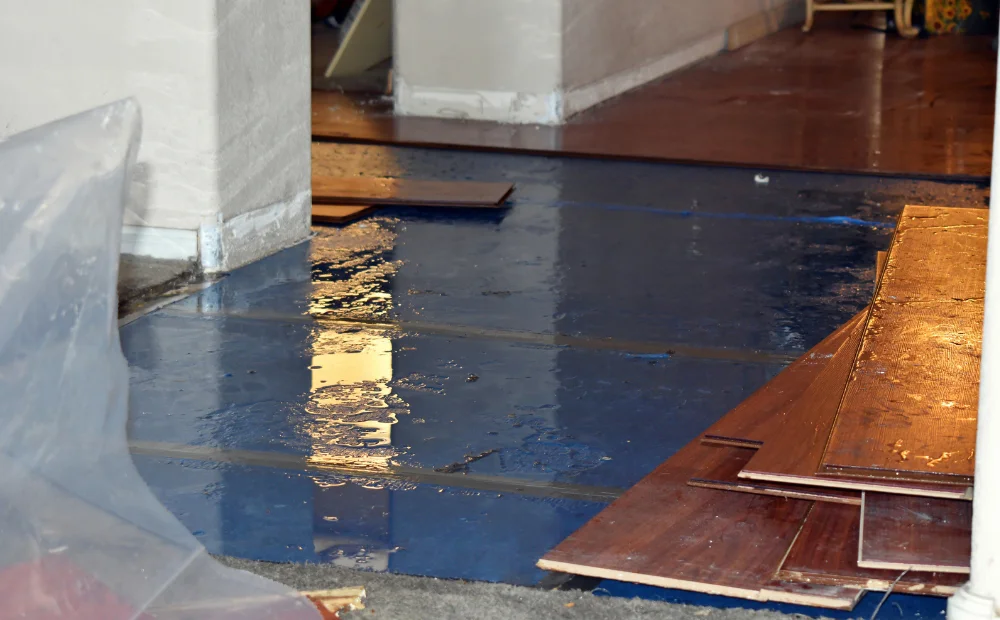
- Photo and Video Evidence: Before you clean anything, move anything, or make any repairs, take extensive photos and videos.
- Capture wide shots of each affected room to show the overall scope of the damage.
- Take close-up shots of specific damaged items, structural elements (walls, floors, ceilings), and the source of the water.
- Photograph the make, model, and serial numbers of damaged appliances and electronics.
- Date and time-stamp your photos/videos if possible.
- For flood damage specifically, FEMA provides excellent guidance on How to document flood damage.
- Detailed Notes: Keep a log of everything.
- Date and time of the incident.
- Who you spoke to at the insurance company (name, title, contact info) and what was discussed.
- Timeline of events.
- Observations about the damage, including water levels, discoloration, and affected areas.
- Damaged Items List: Create a comprehensive list of every damaged item, room by room. Include:
- Item description (e.g., “living room sofa,” “kitchen cabinet,” “bedroom carpet”).
- Brand and model (if known).
- Age of the item.
- Estimated replacement cost.
- Condition (e.g., “saturated,” “warped,” “stained”).
- Home Inventory: If you had a home inventory prepared before the incident, now is the time it truly pays off. If not, start one now for your remaining belongings.
- Receipts: Keep all receipts related to the incident: for temporary repairs, cleaning supplies, temporary lodging, or any other out-of-pocket expenses.
Working with the Insurance Adjuster
Soon after you report your claim, your insurance company will assign a company adjuster to your case. It’s important to understand their role and objectives.
- Role of Company Adjuster: The company adjuster is an employee of your insurance company. Their primary responsibility is to investigate the claim on behalf of the insurer, assess the damage, and determine the company’s liability under your policy.
- Adjuster’s Objectives: While they will be professional, their objective is to protect the insurance company’s financial interests. This means they will interpret policy language, evaluate damage, and negotiate settlements from their employer’s perspective.
- Preparing for Inspection: When the adjuster visits your property, be prepared. Have all your documentation (photos, videos, lists, receipts) organized and accessible. Walk them through the damaged areas, pointing out everything you’ve documented.
- Answering Questions: Answer their questions honestly and factually. Avoid speculating or exaggerating. If you don’t know an answer, say so.
- Your Right to Representation: You have the right to have your own expert advocate by your side. This is where a public adjuster like us comes in. We work solely for you, the policyholder, to ensure your interests are represented equally during the assessment and negotiation process.
Choosing Restoration Companies and Contractors
After the initial assessment, you’ll need to hire professionals to clean up, dry out, and repair your property. This is a crucial step, and choosing the right team can prevent further issues and ensure proper restoration.
- Your Right to Choose: Your insurance company might recommend certain contractors, but you are generally not obligated to use them. You have the right to choose your own restoration company and contractors.
- Getting Multiple Estimates: Obtain detailed, written estimates from several reputable contractors for the repair work. This allows you to compare costs and ensure you’re getting a fair price.
- Vetting Credentials: Always verify a contractor’s credentials.
- Licensed and Insured: Ensure they are properly licensed and insured in Arizona. Ask for proof of liability insurance and workers’ compensation.
- Avoiding Scams: Be wary of contractors who solicit business aggressively, demand full payment upfront, or pressure you into signing contracts immediately. Especially after a significant event, scammers can unfortunately appear.
- Questions to Ask a Contractor:
- Are you licensed and insured in Arizona? Can you provide proof?
- How long have you been in business?
- Do you specialize in water damage restoration?
- Can you provide references from previous water damage clients?
- What is your estimated timeline for the work?
- What drying and remediation equipment do you use?
- Will you handle the necessary permits?
- What is your warranty on the work performed?
- How will you communicate progress?
- Will you provide a detailed, written estimate that includes all costs?
The Settlement: Understanding and Negotiating Your Payout
Reaching a fair settlement is the ultimate goal of your water damage claim. This stage involves understanding how your property is valued, reviewing the insurer’s offer, and potentially negotiating for a better outcome.

Actual Cash Value (ACV) vs. Replacement Cost Value (RCV)
One of the most significant factors in your settlement will be whether your policy pays out based on Actual Cash Value (ACV) or Replacement Cost Value (RCV). The difference can be substantial.
- Actual Cash Value (ACV): ACV represents what your property is actually worth today, taking into account depreciation due to age, wear, and tear. It’s the cost to replace the item minus depreciation. For example, if your 10-year-old carpet is damaged, ACV would pay you for a 10-year-old carpet, not a brand new one. You can learn more about ACV versus replacement cost.
- Replacement Cost Value (RCV): RCV policies pay what it would cost to replace the damaged property with new property of similar kind and quality, without deduction for depreciation. If that 10-year-old carpet is damaged under an RCV policy, you’d get the cost of a new carpet.
- Depreciation Explained: Depreciation is the decrease in value of an asset over time due to use, wear and tear, or obsolescence. For ACV claims, this amount is deducted upfront.
- Recoverable Depreciation and Holdback: With RCV policies, insurers often initially pay the ACV, holding back the depreciation. Once you replace the damaged items and submit proof of replacement, they release the “recoverable depreciation.” This is known as a “holdback.”
Here’s a simplified comparison:
| Item | Age | Original Cost | ACV Payment (Example) | RCV Payment (Initial) | RCV Payment (After Replacement) |
|---|---|---|---|---|---|
| Carpet | 10 yrs | $2,000 | $500 | $500 | $2,000 |
| Water Heater | 8 yrs | $1,000 | $300 | $300 | $1,000 |
| Drywall (per sheet) | N/A | $15 | $15 | $15 | $15 |
Note: The actual depreciation calculation can be complex and varies by item and policy.
Understanding which type of coverage you have is crucial for setting expectations about your payout.
Negotiating Your Payout: Advanced Water Damage Insurance Claim Tips
Once your insurer provides a settlement offer, don’t just accept it at face value. Review it carefully.
- Reviewing the Settlement: Compare the insurer’s estimate with the estimates you’ve received from independent contractors. Does it cover all the damage you documented? Are the material and labor costs realistic for our Arizona market?
- Disputing Low Offers: If you believe the settlement offer is insufficient or if your insurance company is unwilling to negotiate, you have options. This is a common scenario, and we’ve helped many Arizona property owners steer Denied Water Damage Claim situations.
- The Appeals Process: You have the right to appeal a claim denial or an unsatisfactory settlement. This process typically involves submitting additional documentation, requesting a re-evaluation, or engaging in mediation.
- Professional Help: For complex claims, significant damage, or if you feel overwhelmed or unfairly treated, engaging a public adjuster can be invaluable. We have the expertise to interpret policy language, identify all damages, prepare detailed estimates, and negotiate directly with the insurance company on your behalf. Our goal is to maximize your settlement so you can fully restore your property.
To File or Not to File?
Sometimes, the decision isn’t whether your damage is covered, but whether filing a claim is truly in your best long-term interest.
- Considering Your Deductible: Your deductible is the amount you pay out-of-pocket before your insurance coverage kicks in. If the cost of repairs is only slightly more than your deductible, or even less, it might not be worth filing a claim.
- Potential Premium Increases: Filing a claim, especially for smaller amounts, can sometimes lead to increased premiums at renewal time. Insurance companies use complex formulas to assess risk, and frequent claims can flag you as a higher-risk policyholder.
- Claim History Impact: A history of multiple claims, even small ones, can impact your insurability or lead to higher premiums.
- Minor vs. Major Damage: For minor water damage with low repair costs (e.g., a small leak fixed quickly with minimal material damage), paying out-of-pocket might be more advantageous. However, for significant damage that impacts structural integrity, creates mold issues, or requires extensive reconstruction, filing a claim is almost always the right decision.
- Long-Term Cost: Weigh the immediate payout against potential future premium increases. If you’re unsure, consulting with an independent insurance agent or a public adjuster can help you make an informed decision for your specific situation in Arizona.
Your Advocate in Arizona: Securing a Fair and Full Settlement
Navigating a water damage insurance claim can be one of the most stressful experiences an Arizona property owner faces. The complexity of policy language, the meticulous documentation required, and the negotiation with an insurance company’s adjuster can feel like a full-time job—and you already have one.
That’s where we come in. As Hudson Douglas Public Adjusters, we pride ourselves on being a family-owned and operated, locally based Arizona business. We understand the unique challenges our local homeowners and commercial property owners face, from the dry climate’s impact on plumbing to the sudden downpours of monsoon season. We’ve built our reputation over 40 years by working solely for the policyholder, ensuring that your voice is heard and your claim is thoroughly and fairly evaluated.
We believe in a calm, steady, and knowledgeable approach. We explain every step of the process in plain language, without jargon, so you feel informed and confident. Our team speaks both English and Spanish fluently, ensuring all our clients in Paradise Valley, Queen Creek, Gilbert, Scottsdale, Chandler, Goodyear, Mesa, San Tan Valley, Cave Creek, Ahwatukee, Catalina Foothills, Tanque Verde, Oro Valley, Vail, Sedona, Pine Canyon, Forest Highlands, Flagstaff Ranch, Lakeside acres, Seven Canyons, Thunder Mountain Ranch & Mystic Hills, Prescott, American Ranch, Hassayampa Village, and Talking Rock receive comprehensive support.
With Hudson Douglas, you pay no upfront fees. We receive 12% of the payout, meaning our success is directly tied to yours. We’re available 24/7 because we know disasters don’t keep business hours. When water damage strikes, you need an experienced advocate on your side who treats your property and your claim with the care and accountability you deserve.
Don’t let water damage soak your financial future. Let us help you secure the fair and full settlement you’re entitled to.
Get expert help with your Water Damage claim