Why Your Fire Damage Claim Settlement Deserves Your Full Attention
A fire damage claim settlement is the financial compensation your insurance company is contractually obligated to pay after a fire destroys or damages your property. The final amount you receive is not set in stone; it depends on your specific policy terms, the thoroughness of the adjuster’s assessment, and, most importantly, how well you document and present your claim.
To maximize your fire damage claim settlement:
- Document everything – Take extensive photos and videos of all damage, from the structure to individual items, before any cleanup begins.
- Understand your coverage – Review your policy to know the difference between Replacement Cost vs. Actual Cash Value, and be aware of any special limits.
- Save every receipt – Keep meticulous records of all expenses, from temporary repairs and boarding up your home to hotel stays and meals during relocation.
- Don’t rush to settle – Carefully review the insurer’s initial estimate line by line. It’s common for these first offers to contain missed damages or undervalued items.
- Know your rights – You have the right to dispute lowball offers, get second opinions, and hire your own advocate to represent your interests.
After a fire, most Arizona homeowners feel completely overwhelmed. You’re struggling with a profound sense of loss, the stress of displacement, and a mountain of complex paperwork. In the midst of this chaos, your insurance company sends their adjuster to assess the damage. It is critical to remember that this adjuster works for the insurance company, not for you. Their primary responsibility is to the insurer’s bottom line. Their job is to close your claim, but not necessarily to maximize it for your full recovery.
According to Consumer Reports, the average homeowners insurance claim for fire damage was $12,500 in 2023. However, for a significant fire in Arizona, this figure is often just a starting point. Many families find their initial settlement offer falls dangerously short of what they truly need to rebuild their lives and replace what was lost. The difference between a quick, easy settlement and a fair settlement can be tens, or even hundreds, of thousands of dollars.
We’re Hudson Douglas Public Adjusters, a family-owned Arizona firm with over 40 years of experience helping property owners just like you. We work exclusively for policyholders, never for insurance companies. We live here, we’ve raised our families here, and we understand Arizona’s unique fire risks—from wildfires sweeping through communities in Pine, Prescott, and Flagstaff to residential structure fires in the dense neighborhoods of Phoenix and Mesa. We know the local insurance landscape and the tactics used to minimize payouts.
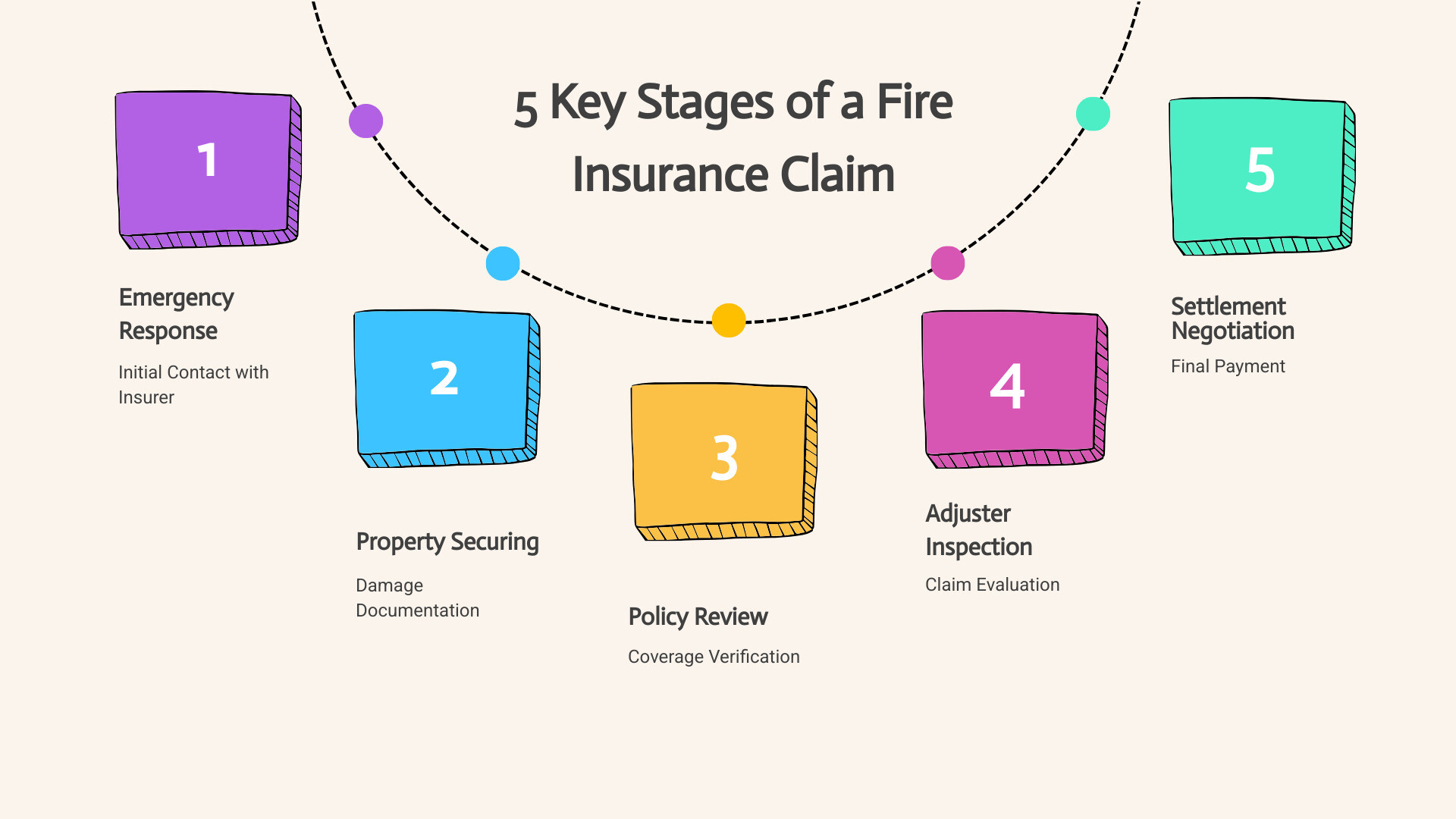
This guide walks you through every step of the fire damage claim settlement process. You’ll learn what to do immediately after a fire, how to decode your policy’s complex language, what documentation matters most, and when you might need professional help. Whether you’re handling this yourself or considering an advocate, you’ll finish this article with the clarity and confidence needed to secure the recovery you deserve.
Our fee is simple and transparent: we receive 12% of your final settlement. You pay nothing out of pocket, and we only earn our fee when you receive your payout. Hablamos español, porque servimos a toda nuestra comunidad de Arizona.
First Steps After a Fire: Protecting Your Property and Your Claim
When fire strikes your Arizona home, the immediate aftermath can feel chaotic and overwhelming. Yet, the actions you take in the first hours and days are crucial for your safety, the preservation of your property, and the strength of your fire damage claim settlement. We’ve guided many families through this difficult time, and we always emphasize these critical first steps.
Ensure Safety and Contact Authorities
Your safety and the safety of your loved ones is always the top priority. The dangers don’t always end when the flames are extinguished.
- Evacuate immediately: If you are still in or near the property, get to a safe location away from the structure and any smoke.
- Call 911: Report the fire and ensure emergency services are on the scene to manage the situation.
- Wait for official clearance: Do not re-enter your property until fire officials or other emergency personnel confirm it is safe to do so. Even if the flames are out, structural instability, hazardous materials from burnt plastics and chemicals, or hidden embers can pose serious, life-threatening risks.
Notify Your Insurance Company Promptly
As soon as it’s safe and you’re able, contact your insurance provider to begin the claims process.
- Report the claim: Inform them that you’ve had a fire. This is often called the First Notice of Loss (FNOL). Provide basic details like your policy number, the date and time of the incident, and a brief, factual description of what happened. Avoid speculating on the cause of the fire.
- Obtain a claim number: This number will be your primary reference for all future communications with the insurer. Keep it in a safe, accessible place.
- Ask key questions: Inquire about your coverage for Additional Living Expenses (ALE), the process for filing a fire damage claim settlement, and what initial steps they recommend. Be cautious about agreeing to a recorded statement immediately; you have the right to take time to understand your situation before providing one.
Secure Your Property from Further Damage
Your insurance policy requires you to take “reasonable steps” to protect your property from further damage after the initial loss. This is known as mitigating your damages.
- Board up and tarp: If windows or doors are broken, or the roof is compromised, arrange for professional boarding and tarping services. This prevents looting and protects the interior from weather elements like our powerful Arizona monsoons or scorching sun, which can cause secondary damage.
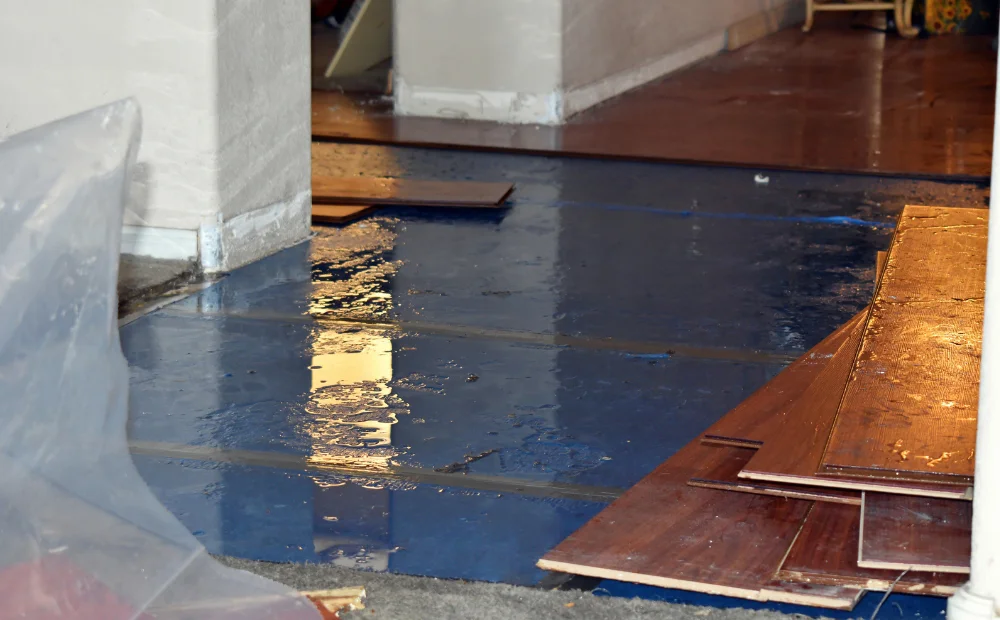
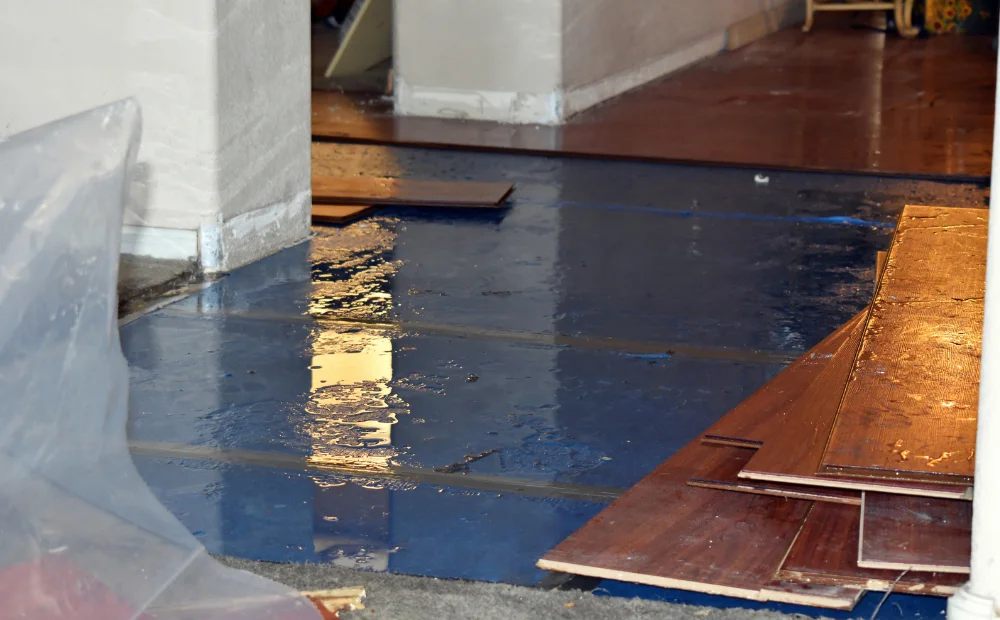
- Temporary repairs: Make only necessary temporary repairs to prevent further harm. For instance, if firefighting efforts caused significant water damage, you may need to hire a water mitigation company to begin the drying process to prevent mold growth, which can become a separate, complicated issue.
- Save all receipts: Every penny spent on temporary repairs, materials, or services to secure your property should be carefully documented. These costs are typically reimbursable as part of your overall fire damage claim settlement. As we often remind our clients, a Common Property Damage Claim Mistake is failing to keep these crucial records from day one.
Document Everything Before Cleanup
Documentation is the bedrock of a strong fire damage claim settlement. Your photos and videos are the primary evidence of your loss.
- Photos and videos: Before disturbing anything, take extensive photos and videos of all damaged areas, both inside and out. Move from room to room, narrating what you see. Capture wide shots to show the scope of the damage and close-ups of specific items. Don’t forget to open closets and cabinets to document smoke and soot damage inside.
- Don’t discard damaged items: Resist the urge to immediately clean up or throw away damaged belongings. The insurance adjuster must be able to see and inspect the damage to include it in their assessment. If you must remove items for safety or health reasons, photograph them thoroughly from multiple angles before they are moved.
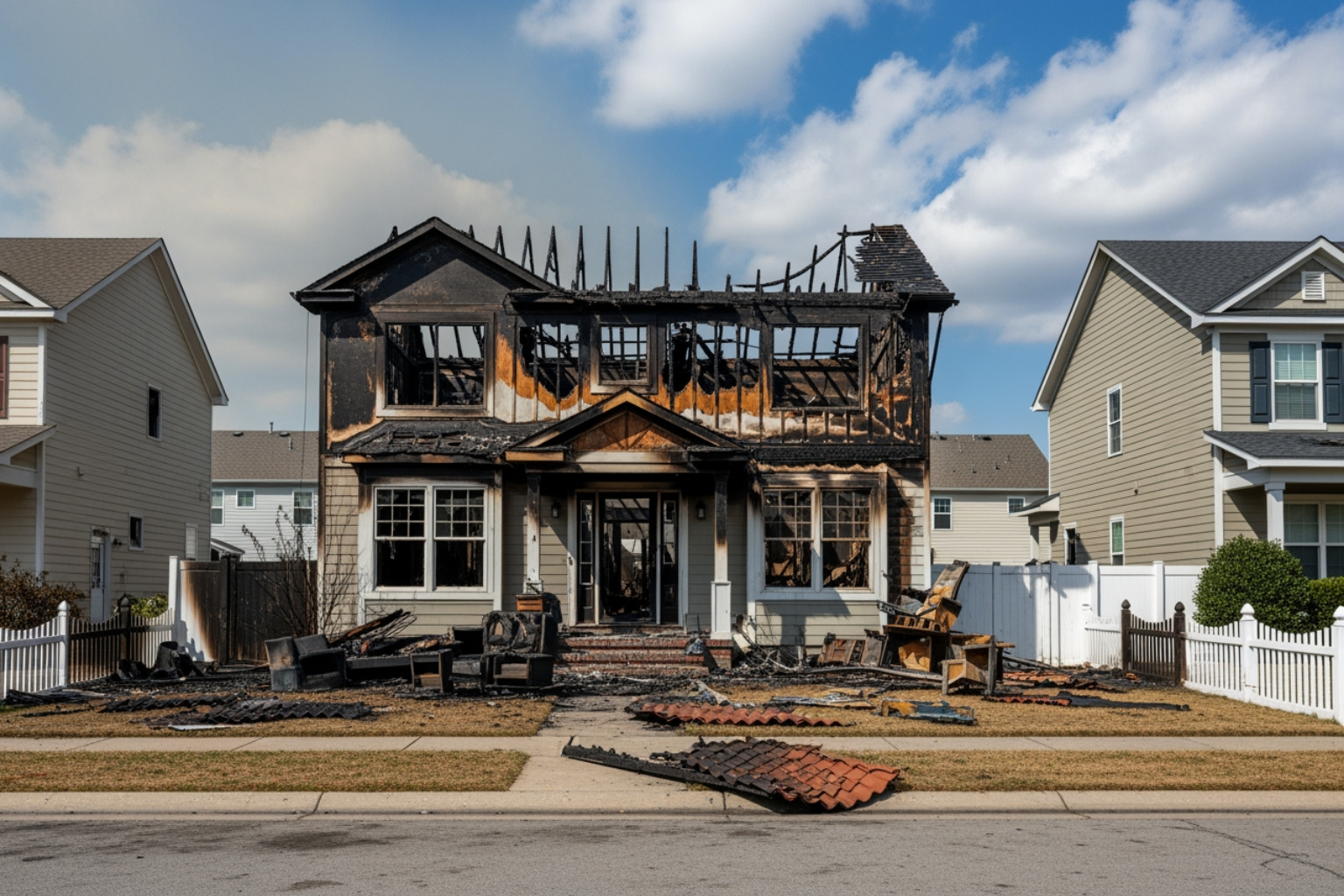
- Firefighter damage: It’s important to know that standard homeowners insurance policies typically cover damage caused by firefighters during their suppression efforts. This includes water damage from hoses, holes chopped in walls or roofs to vent smoke, and even structural damage needed to gain access and extinguish the fire. We’ve seen this often in Arizona, especially with larger structure fires where extensive efforts are needed to save the property.
Decoding Your Insurance Policy: What’s Covered After a Fire?
Understanding the specifics of your homeowners insurance policy is vital for a successful fire damage claim settlement. These documents are dense legal contracts, filled with jargon and clauses that are difficult to interpret, especially when you’re under the stress of a recent loss. As your advocates, we help you make sense of it all.
Policy Review and Key Coverage Areas
Your policy is a contract outlining your insurer’s obligations. Knowing its terms is key to maximizing your recovery. If you can’t find your copy, immediately request a complete and certified copy from your insurance agent or company.
- Declarations page: This is the summary at the front of your policy. It outlines your coverage limits (the maximum amount the insurer will pay), your deductibles, and the type of policy you have. Start here for a quick overview.
- Dwelling coverage: This covers the physical structure of your home, including the foundation, walls, roof, and attached structures like garages and decks. It’s designed to fund the repair or complete rebuilding of your house.
- Personal property: This covers the contents of your home—everything from furniture, clothing, and electronics to kitchenware and children’s toys. Be aware that many policies have special sub-limits for high-value categories like jewelry, firearms, art, and cash. For example, your policy might provide $200,000 in total contents coverage but limit the payout for all jewelry to just $2,500.
- Other structures: Detached garages, sheds, fences, and other separate structures on your property are typically covered under this section, each with its own limit.
- Additional Living Expenses (ALE) or Loss of Use: This is crucial coverage that pays for the increase over your normal expenses when your home is uninhabitable. This can include:
- Hotel stays or a temporary rental home.
- Restaurant meals (the amount exceeding your normal grocery budget).
- Additional transportation costs if your temporary home requires a longer commute.
- Storage fees for your undamaged belongings.
- Even if your home isn’t damaged but you’re displaced by a mandatory evacuation order (common during Arizona wildfires), ALE might cover your lodging. Keep all receipts! In some cases, if your insurer doesn’t cover these costs, FEMA assistance for uncovered expenses may be available, though this is typically for major disaster declarations.
Replacement Cost Value (RCV) vs. Actual Cash Value (ACV)
This is one of the most critical—and often misunderstood—distinctions in your policy, directly impacting your fire damage claim settlement. Understanding this determines how you get paid.
| Feature | Replacement Cost Value (RCV) | Actual Cash Value (ACV) |
|---|
Most policies today are RCV, but how you are paid is a two-step process that causes immense confusion. First, the insurance company pays you the Actual Cash Value (ACV) of your damaged property. This is the value of the item minus depreciation for age and wear. This initial payment is often not enough to buy a new replacement. To recover the rest of the money (the “recoverable depreciation”), you must first purchase the replacement item, and then submit the receipt to the insurance company. Only then will they release the remaining funds. This complex process requires meticulous record-keeping and significant out-of-pocket funding, which is a major challenge for many families after a fire.