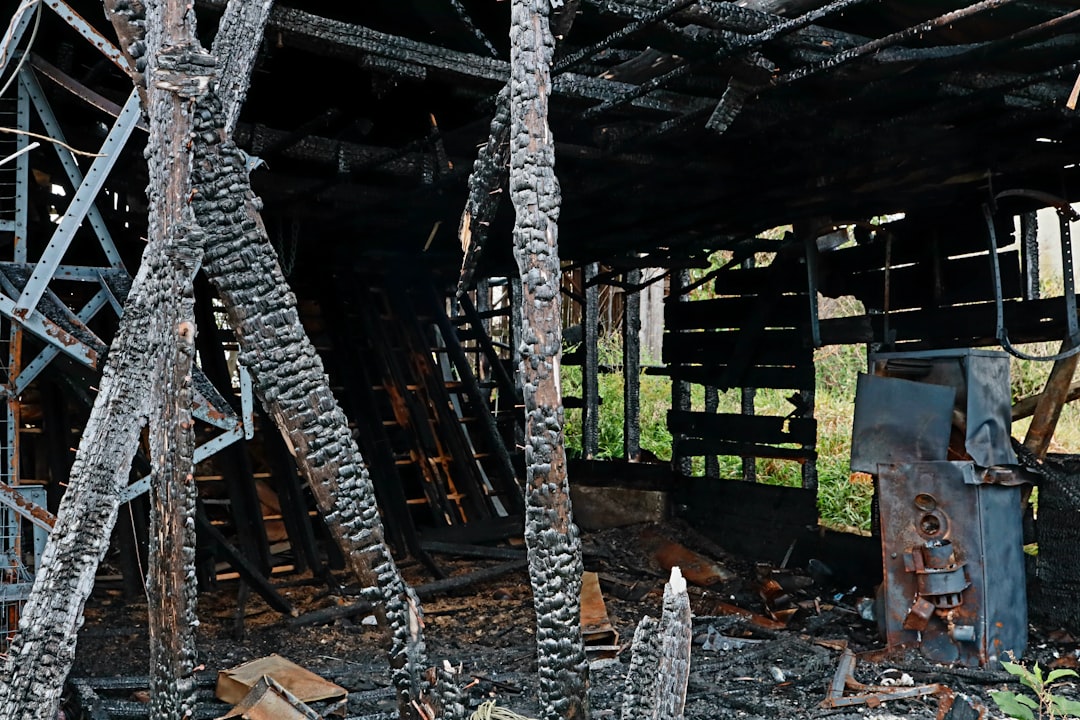
Understanding the Hidden Dangers of Electrical Fire Damage
Electrical fire damage devastates homes and businesses, causing billions in losses. Whether you’re facing charred walls or evaluating what’s salvageable, understanding the full scope of this damage is critical for your safety and insurance claim.
What You Need to Know About Electrical Fire Damage:
- Heat damage melts wire insulation and weakens structural components, even if flames never touched them.
- Smoke and soot leave corrosive, conductive residue that can cause future fires and system failures.
- Water damage from firefighting creates hidden short-circuit risks and rust.
- Never restore power without a licensed electrician’s inspection—hidden damage can spark another fire.
- Insurance typically covers sudden electrical fires, but negligence or DIY repairs may void your claim.
- Professional assessment is mandatory—even minor fires can compromise your entire electrical system.
When electrical systems fail, they create a complex web of damage extending far beyond what’s visible. An electrical fire doesn’t just burn—it contaminates. Acidic soot corrodes metal contacts, water from firefighting efforts creates short-circuit risks, and intense heat weakens wiring deep inside walls, even if the insulation looks intact. The stakes are high, as improperly repaired fire damage can lead to further tragedies.
If you’re facing electrical fire damage, you’re navigating a critical safety issue and a complex insurance claim. Many homeowners underestimate the hidden damage, often accepting settlements that don’t cover the full cost of making their property safe.
The Root of the Problem: Causes and Prevention of Electrical Fires
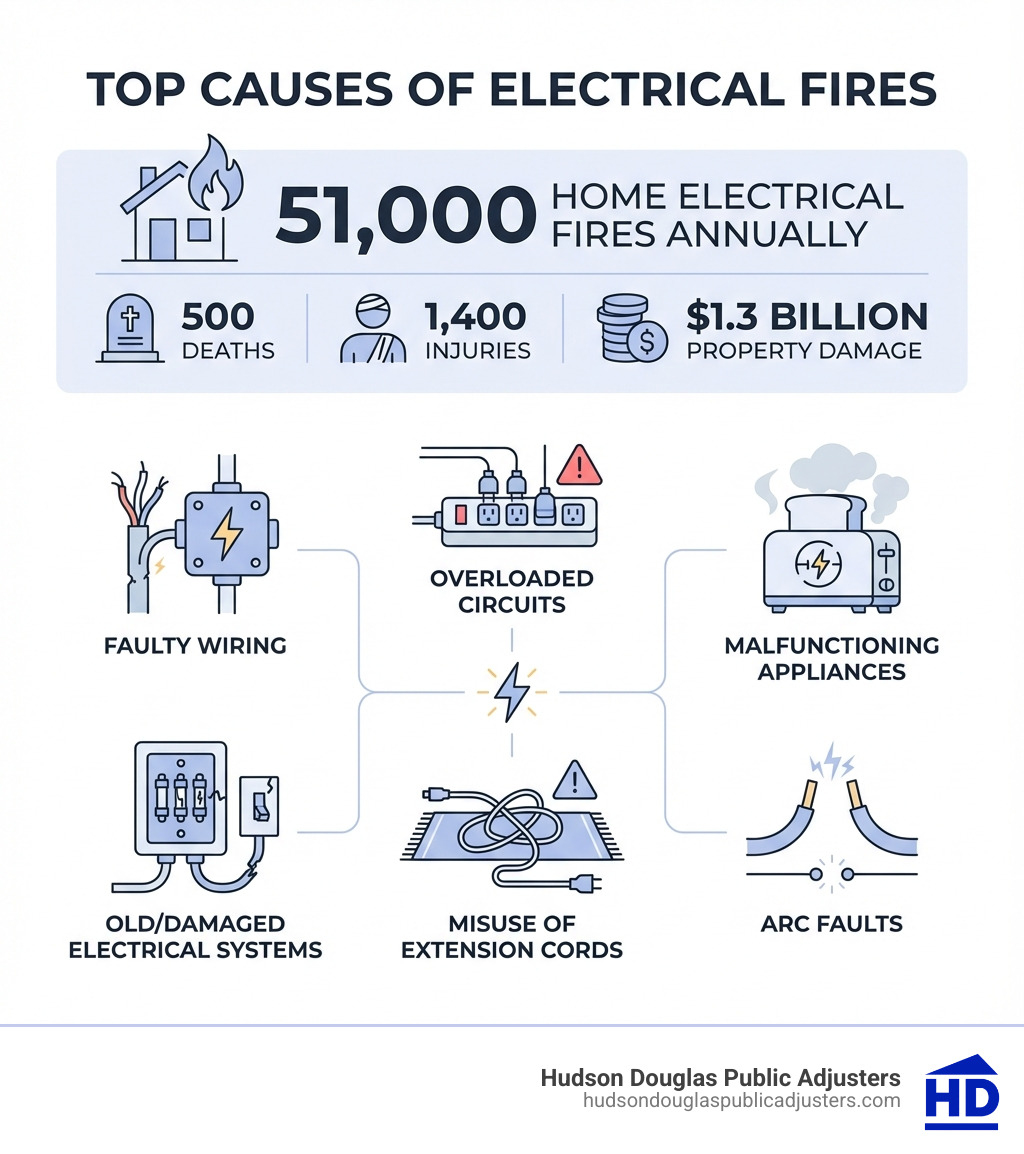
Electrical fires are often the result of underlying issues. Understanding these causes is the first step toward preventing electrical fire damage.
A primary culprit is faulty wiring and outdated electrical systems, especially in older properties that don’t meet modern safety standards. This can cause power surges and arc faults, while damaged wires hidden in walls can overheat and ignite materials.
Overloaded circuits are another common cause. Connecting too many high-power appliances to one circuit, especially with extension cords, can cause overheating. The U.S. Consumer Product Safety Commission (CPSC) reports that electrical receptacles are involved in 5,300 fires annually, causing numerous deaths and injuries.
Faulty or aging appliances can malfunction and spark fires. The misuse of electrical outlets—such as overloading them, using damaged ones, or lacking GFCI protection in damp areas—also leads to short circuits and fires.
Poor electrical maintenance is a silent hazard. Ignoring warning signs or attempting DIY repairs turns minor issues into major risks. Arcing faults alone cause over 28,000 home fires annually. Even failure to clean clothes dryers is a leading cause of appliance fires.
Finally, the use of unsafe or counterfeit electrical products that lack safety certifications poses a significant risk, as they can fail catastrophically.
To mitigate these risks, follow these preventative measures:
- Regular Electrical System Inspections: Have a licensed electrician inspect your wiring regularly, especially if the building is older.
- Upgrade Outdated Systems: Consider upgrading outdated electrical systems to meet current safety standards.
- Distribute Electrical Load: Spread out high-wattage appliances across multiple circuits.
- Use Extension Cords Sparingly: Use extension cords only temporarily and never with a major appliance.
- Purchase Quality Products: Buy electrical products from reputable manufacturers.
- Maintain Appliances: Inspect and maintain appliances according to manufacturer guidelines.
- GFCI Protection: Ensure outlets in wet areas have GFCIs.
- Address Issues Promptly: Fix electrical problems as soon as they are detected.
- Install Smoke Detectors: Ensure working smoke detectors are on every level, inside and outside sleeping areas, and test them monthly.

Recognizing the Warning Signs
Recognizing subtle warning signs can prevent devastating electrical fire damage. Keep an eye out for:
- Flickering or Dimming Lights: Can indicate a loose connection or overloaded circuit.
- Burning Smells: A clear sign of overheating wires or components.
- Hot Outlets or Switches: Indicates resistance and potential overheating.
- Discolored Cords or Outlets: Suggests extreme heat and a serious hazard.
- Tripping Breakers: A warning that a circuit is overloaded or has a fault.
- Shocks from Appliances: Can indicate faulty wiring or a grounding issue.
- Unusual Sounds: Buzzing or crackling from outlets are clear red flags.
- Damaged or Frayed Cords: Exposed wires are an obvious hazard and should be replaced.
For more information on staying safe, you can review general electrical fire safety guidelines at Electrical Fire Safety.
Innovations in Fire Prevention
Fortunately, new technology is making electrical systems safer by helping to detect and prevent fires before they cause significant electrical fire damage.
A key innovation is the Arc Fault Circuit Interrupter (AFCI). Unlike standard breakers, AFCIs detect dangerous electrical arcs—tiny sparks in damaged wiring or faulty appliances—and shut off power before a fire can start.
Smart outlets and plugs monitor energy use, detect irregularities, and can automatically shut off power or send alerts to your phone, providing an early warning.
Professionals use thermal cameras to find overheating wires and components hidden within walls, identifying hot spots that signal impending failure before they become visible hazards.
Additionally, fire-resistant cables slow the spread of fire, and smart electrical panels allow for real-time circuit monitoring via an app. These innovations provide crucial layers of protection.
The Aftermath: Assessing the Full Scope of Electrical Fire Damage
After an electrical fire, the damage extends far beyond visible charring. The true scope of electrical fire damage involves a complex interplay of heat, smoke, and water that impacts your system in hidden ways.
Common components that suffer the most include:
- Wiring: Insulation melts and internal copper wires weaken.
- Outlets and Switches: Plastic components warp and internal contacts corrode.
- Breaker Panels and Circuit Breakers: Can be compromised by heat, smoke, and water, leading to corrosion or failure.
- Appliances and Fixtures: Motors, circuit boards, and internal wiring are highly susceptible.
- Conduits: Plastic conduits can melt, while metal ones can warp or corrode.
- Grounding Systems: Connections can be compromised, creating safety hazards.
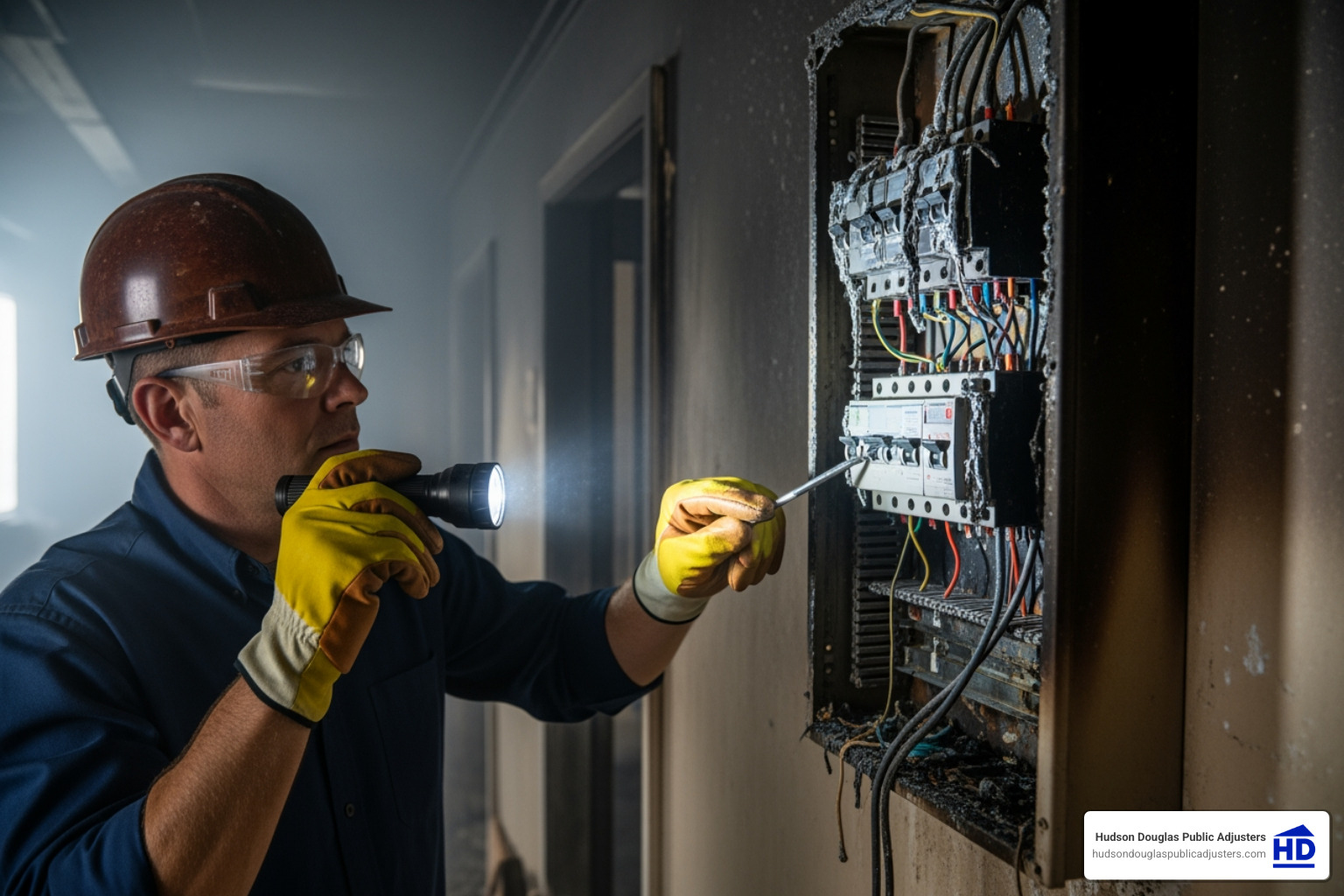
The Triple Threat: How Heat, Smoke, and Water Affect Your System
Let’s break down how each element contributes to electrical fire damage:
- Heat Damage: Intense heat, even far from the flames, can melt wire insulation, warp plastic components, and weaken internal copper wires, creating future fire risks. Heat also compromises structural elements like beams and foundations, potentially impacting the building’s load-bearing capacity.
- Smoke & Soot Contamination: Smoke carries acidic, corrosive, and conductive soot particles. This soot settles on electrical contacts, circuit boards, and wiring, where it corrodes metal and creates a residue that can cause new short circuits. It also creates long-lasting odor issues. For guidance, consult resources like the Homeowner’s Guide to Remediation of Residential Smoke Damage.
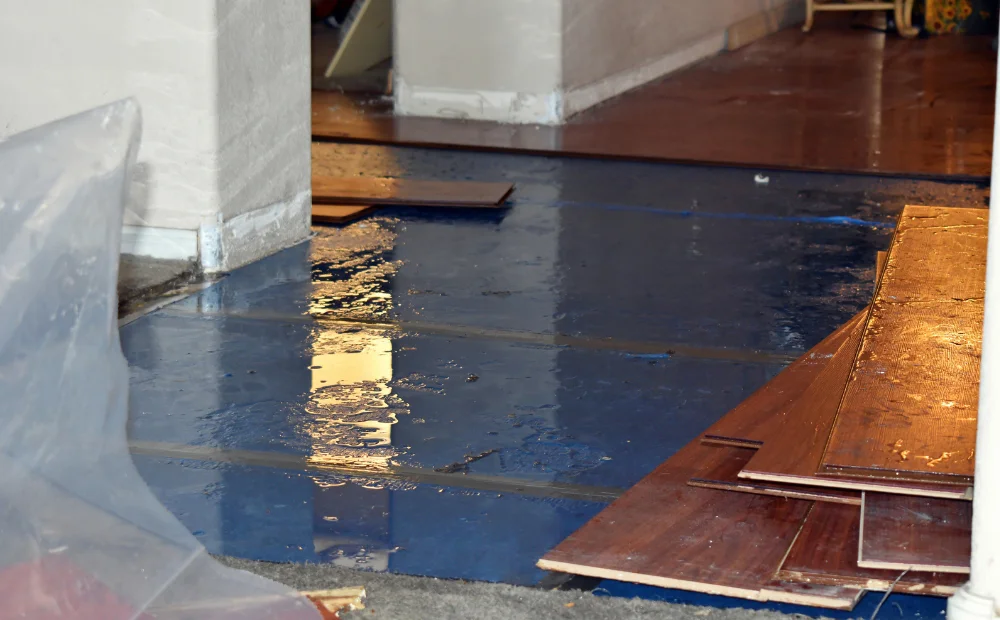
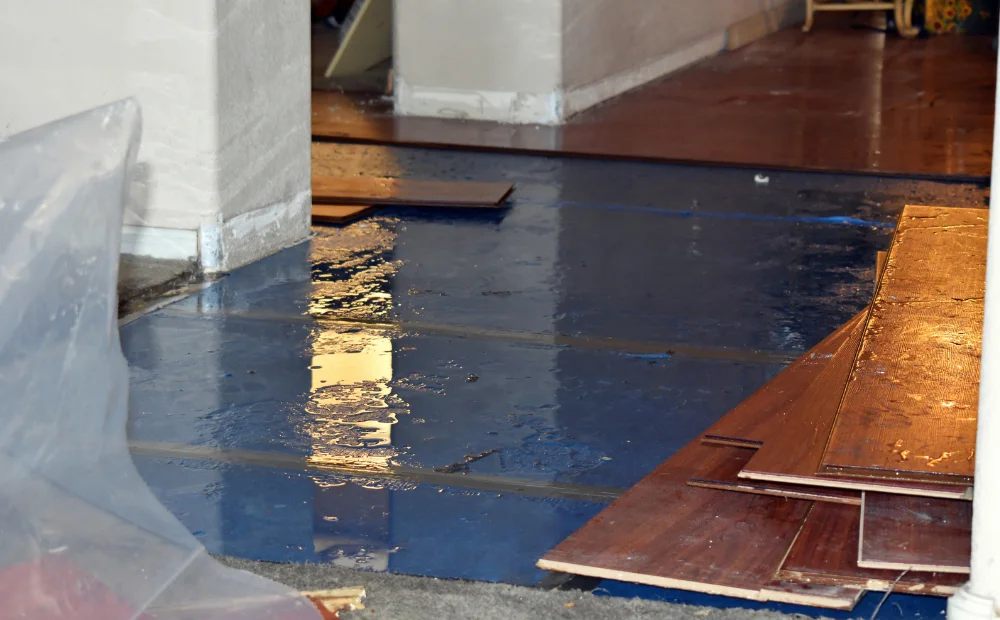
- Water Damage: Water from firefighting seeps into walls and electrical boxes, creating immediate and long-term hazards. It can cause dangerous short circuits, electrocution risks, and promote rust and corrosion, while also leading to wood rot and other structural issues.
Understanding the Long-Term Risks of Unrepaired Electrical Fire Damage
Improperly repaired electrical fire damage leads to severe long-term consequences:
- Future Fire Risk: Compromised wiring and corroded connections can overheat, arc, or short circuit, causing another fire.
- System Failure: Damaged components can lead to power outages, flickering lights, and malfunctioning appliances.
- Electrocution Hazards: Damaged systems create dangerous pathways for electricity, posing serious shock risks.
- Decreased Property Value: Unrepaired damage is a red flag for buyers and significantly reduces property value.
- Insurance Complications: If a future issue arises from improperly repaired damage, your insurance company could deny the claim.
TABLE: Comparing Smoke Damage vs. Direct Fire Damage to Electrical Components
| Feature | Smoke Damage to Electrical Components | Direct Fire Damage to Electrical Components |
|---|---|---|
| Nature of Impact | Acidic soot, particulate matter, chemical residues. | Intense heat, direct flame exposure, melting, charring. |
| Primary Effect | Corrosion of metal contacts, conductive residue, reduced efficiency, long-term degradation. | Melting of wire insulation, physical destruction, warping, immediate failure. |
| Risk Profile | Future short circuits, intermittent failures, system degradation, health hazards from off-gassing. | Immediate system failure, high risk of re-ignition, structural compromise. |
| Components Affected | All surfaces, internal contacts of switches/outlets, circuit boards, appliance internals. | Directly exposed wires, plastic components, circuit boards, structural conduits. |
| Timeline of Failure | Often delayed, progressive corrosion leading to failure weeks or months later. | Immediate or very rapid failure during or shortly after the fire event. |
| Remediation | Specialized cleaning, decontamination, deodorization by professionals. | Mandatory replacement of damaged components, often extensive rewiring. |
| Cleaning Feasibility | Possible for some components with expert techniques, but often not cost-effective for internal parts. | Generally impossible; components are physically compromised and must be replaced. |
Your Post-Fire Playbook: Safety, Assessment, and Restoration
After an electrical fire, knowing what to do can prevent further harm and aid recovery. Your safety is the priority, followed by a professional assessment of the electrical fire damage.
Immediate Steps to Take Before Restoring Power
Even if a fire seems small, follow these critical safety steps before restoring power:
- Prioritize Safety First: Get everyone out of the property immediately and call 911. Do not re-enter until authorities declare it safe.
- Do NOT Restore Power: Never attempt to turn the power back on yourself. Damaged wires or a wet breaker box could cause another fire or severe electrocution.
- Notify Authorities and Wait for Clearance: The fire department must provide clearance before you can re-enter.
- Document Everything: Once it’s safe, take detailed photos and videos of all damaged areas for your insurance claim.
- Contact Your Insurance Provider: Notify your insurance agent as soon as possible to begin the claims process.
- Secure the Property: Once allowed, board up windows or cover damaged roofs to prevent further damage or theft.
For more comprehensive guidance, the American Red Cross offers valuable advice at Checking Your Home After A Fire.
The Critical Role of a Licensed Electrician
A licensed electrician is essential for assessing electrical fire damage; this is not a DIY job. A qualified electrician will:
- Conduct a Comprehensive Damage Assessment: They inspect the entire system—panel, wiring, outlets, and fixtures—for heat, smoke, and water damage.
- Ensure Code Compliance: Repairs must meet current NEC and local codes for safety and insurance validity.
- Identify All Hazards: They find frayed wires, damaged insulation, and compromised grounding to ensure safety before power is restored.
- Determine Repair vs. Replacement: They decide which components can be safely repaired and which must be replaced.
- Inspect Grounding Systems: They verify the grounding system is intact and effective for safety.
- Replace Damaged Components: They replace all damaged parts and may recommend safety upgrades like AFCI and GFCI breakers.
Attempting DIY electrical repairs after a fire is extremely dangerous and can void your insurance policy.
When is a Complete Rewiring Necessary?
While minor incidents may only require partial repairs, a complete rewiring is often the safest course of action for significant electrical fire damage. A full rewiring is necessary in these situations:
- Widespread Damage: If heat, smoke, or water has compromised a significant portion of the wiring.
- Outdated Wiring: If the system is old (e.g., knob-and-tube or aluminum), a fire provides an opportunity to upgrade to modern, safer wiring.
- Water-Submerged Panels: If the main electrical panel was submerged, it must be replaced, often requiring extensive rewiring.
- Over 25% of Wiring Affected: If more than a quarter of the wiring is damaged, a full rewiring is recommended.
- Code Updates: Local codes may mandate that significant repairs bring the entire system up to current standards, necessitating a rewire.
- Modernization: A rewire allows for modern upgrades like whole-home surge protection and smart breakers.
Navigating the Financial Fallout: Insurance, Costs, and Claims
The financial burden of electrical fire damage can be overwhelming. Understanding your insurance policy and the claims process is crucial for securing funds for restoration.
Understanding Your Insurance Coverage for Electrical Fires
Most standard homeowners, renters, and commercial property insurance policies cover electrical fire damage under the “fire or lightning” peril. If an electrical malfunction causes a fire, your policy will likely cover the resulting damage to the structure and personal property.
However, be aware of common exclusions:
- Negligence: Claims may be denied if the fire resulted from gross negligence, such as ignoring known hazards or performing dangerous DIY repairs.
- Vacant Homes: Standard policies may not cover fires in homes left vacant for an extended period (e.g., 30-60 days).
- Old Wiring: Policies may have exclusions or higher premiums for outdated wiring types like knob-and-tube.
- Policy Limits: Be aware of your coverage limits for the dwelling and personal property.
- Cause of Loss: Damage from an electrical surge without a fire may be covered differently or not at all.
Always review your specific policy. For general information, you can visit Homeowners Insurance Basics.
The Financial Impact of Electrical Fire Damage and Maximizing Your Claim
Repairing electrical fire damage can be costly, ranging from a few thousand dollars for minor incidents to over $20,000 for major fires requiring extensive rewiring and structural work.
To maximize your insurance claim, follow these steps:
- Thorough Documentation: Take detailed photos and videos of all visible and hidden damage.
- Professional Assessments: Get detailed estimates from licensed electricians and restoration companies to substantiate your claim.
- Don’t Discard Damaged Items: Wait for the insurance adjuster’s inspection before disposing of anything.
- Keep Meticulous Records: Save all receipts for repairs, living expenses, and other related costs.
- Negotiate with Adjusters: Be prepared to negotiate, as the initial offer may not cover all your losses.
This is where a public adjuster, like us at Hudson Douglas Public Adjusters, becomes invaluable. We work solely for you, the policyholder, to interpret your policy, document your losses, and negotiate with your insurance company. Our goal is to ensure you receive the maximum possible settlement. Learn more about how we can help with your claim by visiting our Fire & Smoke Damage Public Adjusters page and exploring More info about our Blog.
Frequently Asked Questions about Electrical Fire Damage
Here are answers to common questions about electrical fire damage.
Can I clean soot off my electrical system myself?
No. Soot from an electrical fire is acidic and highly conductive. Attempting to clean it yourself can cause short circuits, corrosion, or another fire. This task requires specialized tools and expertise from professional fire damage restoration teams who can safely decontaminate electrical components.
Will my homeowners insurance cover a full electrical system upgrade after a fire?
Typically, insurance covers repairs to restore your property to its “pre-loss condition.” However, if building codes have changed, your policy’s “ordinance or law” coverage may pay for necessary upgrades (like adding AFCI/GFCI protection). Upgrades for modernization purposes are usually not covered unless you have a specific policy endorsement. A public adjuster can help you understand your policy’s specifics regarding upgrades after electrical fire damage.
How can I tell if hidden wiring is damaged?
Hidden wiring damage is a serious danger after a fire. Since wires are concealed, a professional inspection by a licensed electrician is mandatory. They use specialized tools to detect hidden damage:
- Thermal Imaging: Detects “hot spots” from overheating wires behind walls.
- Resistance Testing: Measures resistance in wiring to find damage and degradation.
- Visible Signs: Discolored or hot outlets, or buzzing sounds, can indicate hidden problems.
- Burning Smells: A persistent burning odor from walls or fixtures is a strong indicator.
- Flickering Lights: Can signal damaged wiring and poor connections.
Never assume hidden wiring is safe just because you don’t see charring. Heat, smoke, and water can compromise wiring far from the fire’s origin.
Rebuilding Safely and Securing Your Claim
Experiencing electrical fire damage is traumatic, but with the right knowledge and professional support, you can recover safely and effectively. These incidents are complex and devastating to both property and peace of mind.
Our key takeaways are clear:
- Prioritize Safety Above All Else: Never re-enter a damaged property without official clearance, and never attempt to restore power yourself.
- Hire Licensed Professionals: The assessment and repair of electrical fire damage demand the expertise of licensed electricians and professional fire damage restoration companies. DIY efforts are not only dangerous but can also jeopardize your insurance claim.
- Document Everything Thoroughly: Comprehensive photos, videos, and professional reports are your most powerful tools when dealing with your insurance provider.
- Understand Your Insurance Policy: Know what’s covered, what’s excluded, and how the claims process works.
When facing a complex insurance claim for electrical fire damage, a public adjuster from Hudson Douglas Public Adjusters advocates for your best interest to ensure a fair settlement. We work exclusively for policyholders, with no upfront fees, 24/7 availability, and over 50 years of combined expertise across Alaska, Arizona, California, Colorado, New Mexico, Nevada, Oregon, Texas, Utah, and Washington. We ensure every detail of your damage is identified and accounted for, helping you receive the full compensation you deserve to rebuild safely.
Don’t go it alone. Get help with your fire & smoke damage claim today. Contact Us for a consultation, and let us help you turn a challenging situation into a successful recovery.