Why Property Owners Need Insurance Claim Support After a Disaster
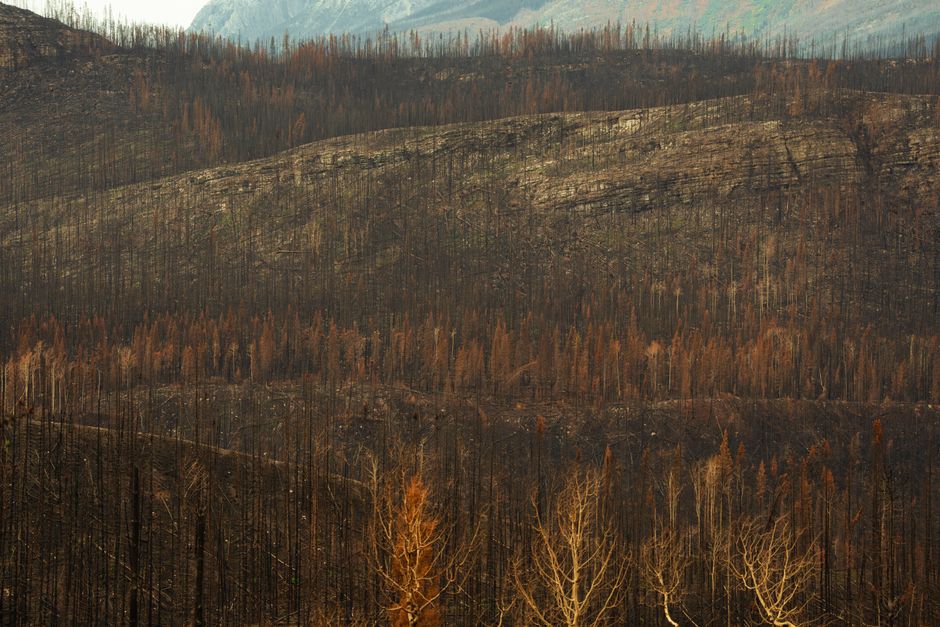
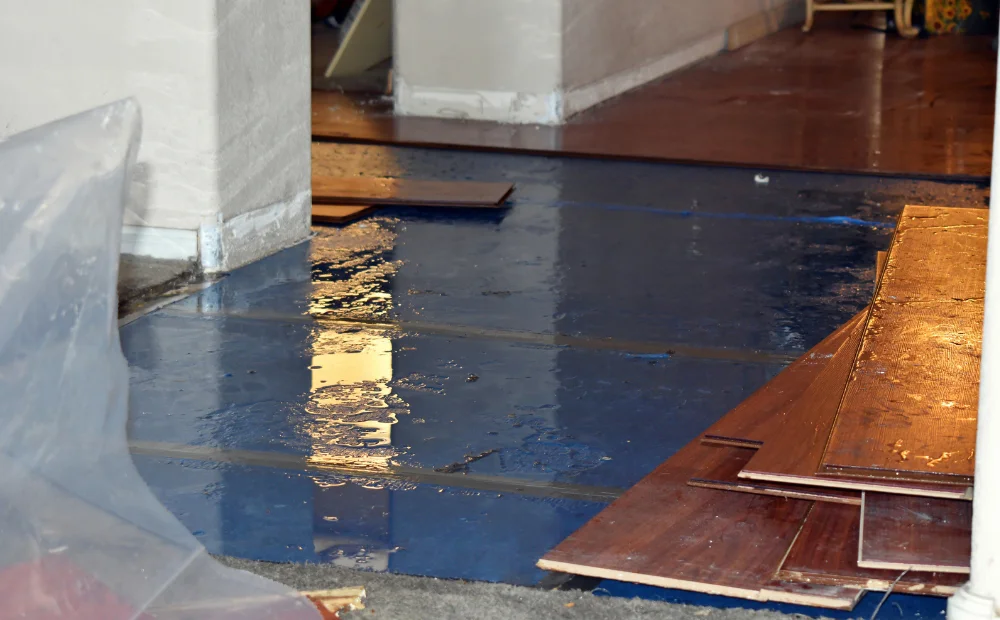
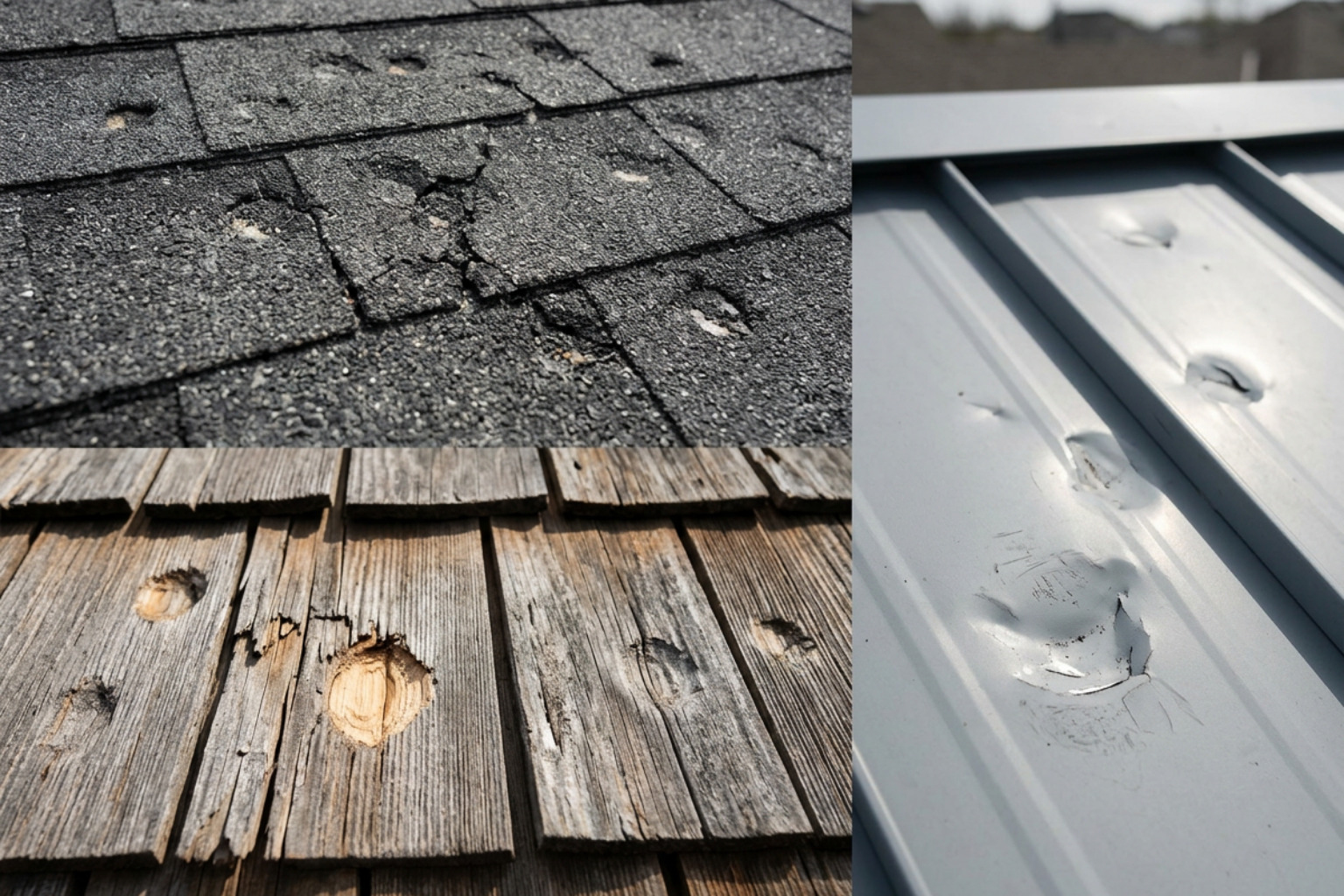
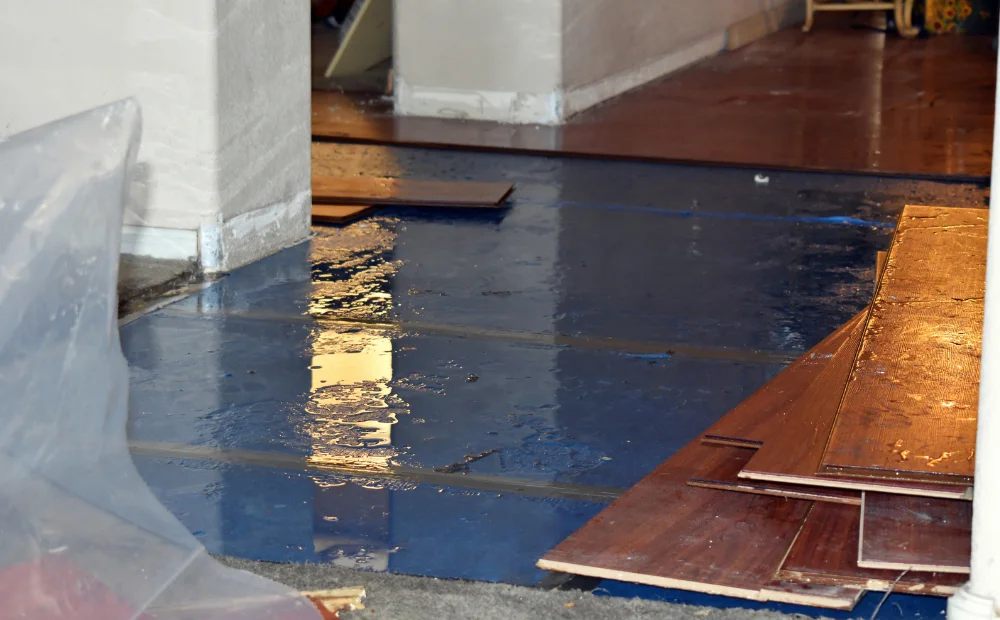
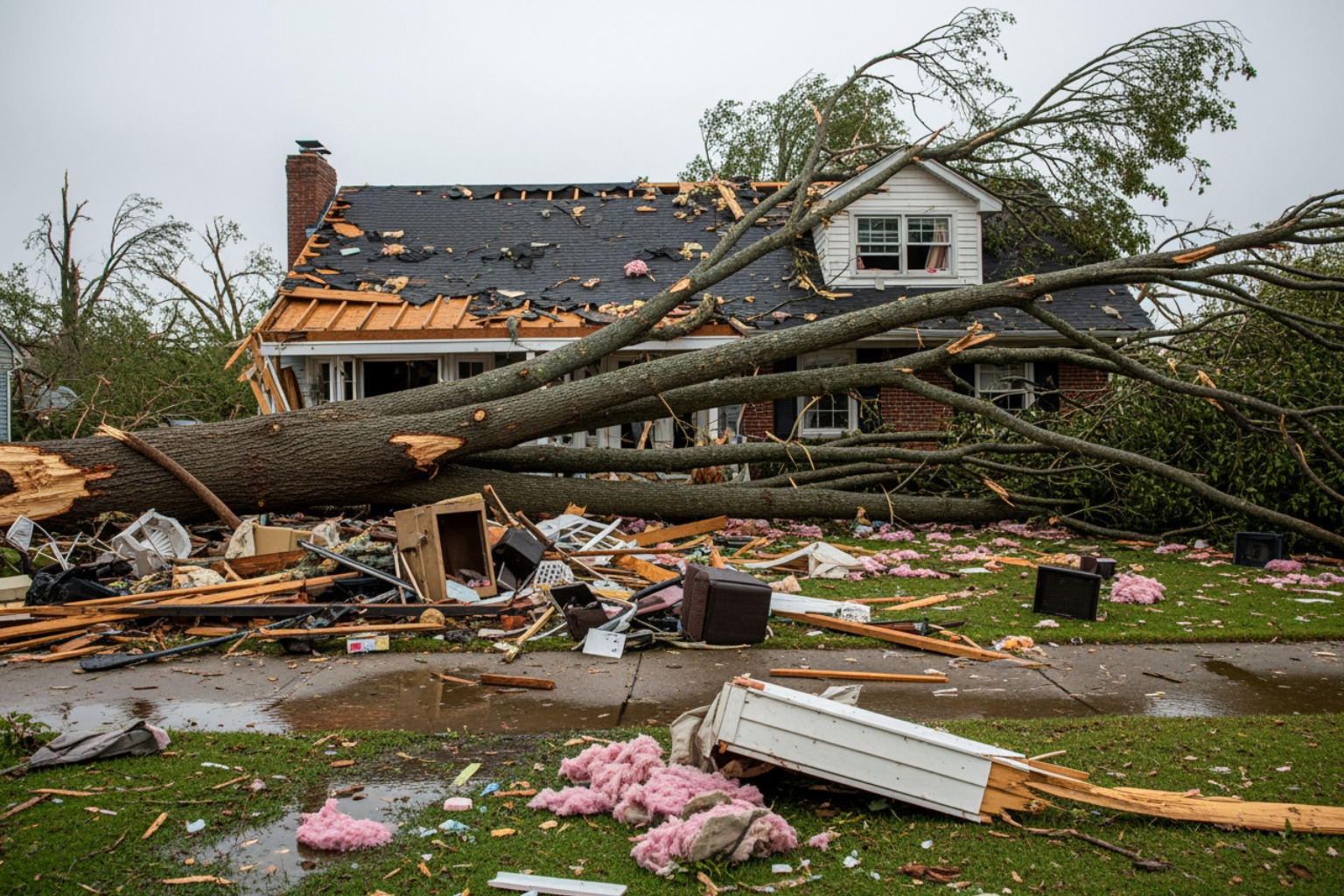
Insurance claim support is professional help that guides property owners through the claims process, ensures accurate damage documentation, and advocates for a fair settlement. After a fire, storm, or water damage event, most homeowners and commercial property owners face a complex system designed by insurance companies to protect their own interests—not yours.
What insurance claim support typically includes:
- Documentation assistance – Thorough damage assessment, photo records, and loss inventories
- Policy review – Identifying all available coverages, including dwelling, personal property, and additional living expenses
- Negotiation advocacy – Communicating with insurance adjusters and challenging lowball offers
- Timeline management – Meeting filing deadlines and following up on delays
- Settlement review – Ensuring payments cover replacement costs, building code upgrades, and all related expenses
Most property owners don’t realize that the adjuster sent by their insurance company works for the insurer, not for them. That adjuster’s job is to settle your claim quickly and economically—not necessarily fairly or completely. This imbalance leaves policyholders vulnerable to underpayment, overlooked damage, and confusing paperwork at a time when they’re already stressed and overwhelmed.
You’ve paid premiums for years. You’re entitled to a full and fair settlement. But getting one often requires expertise you don’t have and time you don’t want to spend.
Professional insurance claim support levels the playing field. It brings experienced advocates to your side who understand policy language, damage estimation, and negotiation tactics. For Arizona property owners dealing with monsoon flooding, fire, hail, or wind damage, having local support that understands regional risks and speaks both English and Spanish can make the difference between a settlement that barely covers repairs and one that fully restores your property.
At Hudson Douglas Public Adjusters, we’re a family-owned Arizona business that works exclusively for policyholders—never for insurance companies. We handle the inspections, documentation, and negotiations so you can focus on your family, your business, and your recovery. Our fee is 12% of the final payout, and you never pay out of pocket.
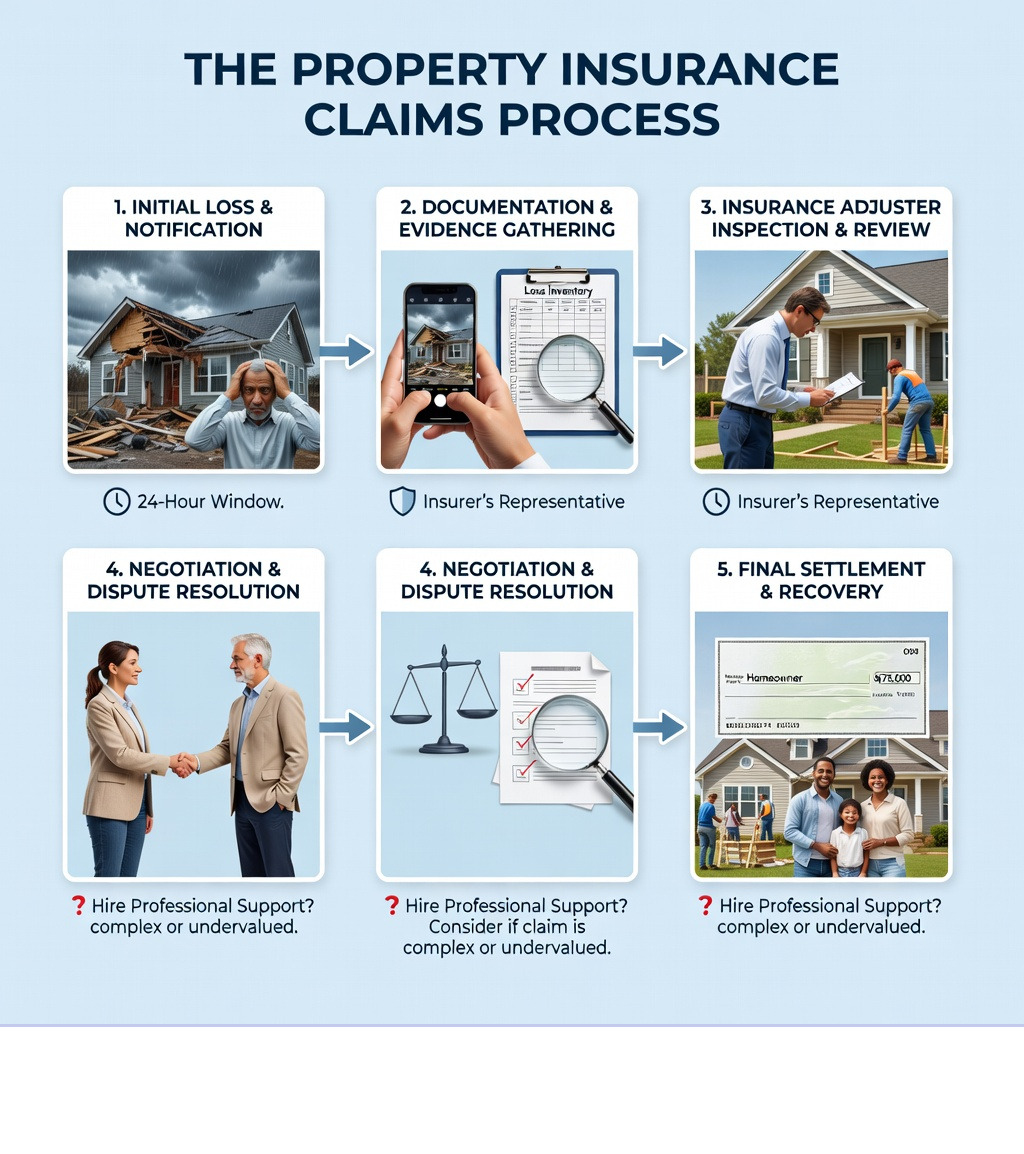
This guide walks you through every stage of the property insurance claims process, from the moment disaster strikes to the final settlement check. You’ll learn what to do immediately after a loss, how to protect your rights, when professional support makes sense, and how to avoid the most common pitfalls that cost property owners thousands of dollars.
Insurance claim support vocab to learn:
Immediate Steps After a Property Loss
The moments following a property disaster are often chaotic. Whether you’re standing in a flooded living room in Scottsdale or looking at fire damage in Flagstaff, your first priority is always safety. Do not enter a damaged building until local authorities—like the fire department or a building inspector—have cleared it.
Once it is safe to do so, your next responsibility is to “mitigate” the damage. In insurance terms, this means taking reasonable steps to prevent the situation from getting worse. If there is a hole in your roof, you should have it tarped. If a pipe burst, the water should be shut off and the area dried as quickly as possible to prevent mold.
Understanding Reporting Property Destruction: What You Need to Know is vital during this phase. You should make temporary repairs, but avoid making permanent changes before an insurance adjuster sees the damage.
Pro-tip for Arizona homeowners: Keep every single receipt for materials used in temporary repairs, such as plywood, tarps, or cleaning supplies. These costs are typically reimbursable as part of your claim. While you’re at it, use your smartphone to take as many photos and videos as possible. Capture the damage from multiple angles and include shots of high-value items before they are moved or discarded. Never throw away damaged personal property until your adjuster has given you the green light; that ruined sofa is your evidence.
Navigating the Insurance Claim Support Process
Filing a claim isn’t just about making a phone call; it’s about managing a timeline. Most insurance policies have strict windows for reporting a loss. Depending on your specific policy and local regulations, these limits can range from 90 days to 12 months. Waiting too long can give the insurance company a reason to deny your claim entirely.
The California Department of Insurance Residential Property Claims Guide highlights core steps that also apply broadly to U.S. property claims: protect the property from further damage, report the loss promptly, keep receipts, and document communications. However, keep in mind that once you start the process, you are the one responsible for proving your loss.
A major part of the process is the “Proof of Loss” form. This is a formal, notarized statement that provides the insurer with the specifics of the damage and the amount of money you are claiming. It sounds straightforward, but if you miss a single room or undervalue a single asset, you might not get a second chance to correct it.
To Maximize Your Residential Property Insurance Claim, we recommend keeping a detailed communication log.
Every time you speak with someone from the insurance company, write down:
- The date and time of the call.
- The name and title of the person you spoke with.
- A summary of what was discussed.
- Any promises or deadlines they mentioned.
Essential Information for Insurance Claim Support
When you first call to file, have this information ready to go:
- Policy number: Found on your declarations page.
- Date and time of loss: Be as specific as possible.
- Description of the incident: (e.g., “A monsoon microburst tore shingles off the roof, leading to water intrusion in the kitchen.”)
- Damage inventory: A preliminary list of what was damaged or destroyed.
- Police or Fire reports: If authorities were called, have the report number handy.
- Witness contact info: If neighbors or employees saw the event happen.
Understanding Coverage: Dwelling, ALE, and Replacement Costs
Insurance policies are divided into different “buckets” of coverage. Understanding these is essential for receiving proper insurance claim support.
- Dwelling: This covers the physical structure of your home or business.
- Personal Property: This covers your “stuff”—furniture, clothes, electronics, and inventory. Items like trees and shrubs are often limited to 5% of your dwelling limit, with sub-limits as low as $500 per plant.
- Additional Living Expenses (ALE): If your home is uninhabitable, ALE pays for temporary housing, restaurant meals, and even extra mileage for your commute.
One of the most confusing parts of a claim is the difference between Replacement Cost and Actual Cash Value (ACV).
| Feature | Replacement Cost | Actual Cash Value (ACV) |
|---|---|---|
| Definition | Cost to buy new today | Value at time of loss (depreciated) |
| Payout | Higher | Lower |
| Requirement | Usually requires you to actually buy the item first | Paid out regardless of replacement |
| Common Use | Modern homeowners policies | Older or budget-friendly policies |
The Role of Professional Insurance Claim Support
When you file a claim, the insurance company sends an adjuster to “help” you. It’s important to understand that there are different types of adjusters. A “company adjuster” is a staff employee of the insurer. An “independent adjuster” is a contractor hired by the insurer. Both are paid by the insurance company and represent the insurance company’s interests.
This is where the Public Adjuster vs Insurance Adjuster: What’s the Difference? comes into play. A Public Adjuster is the only type of adjuster licensed to represent you, the policyholder.
By hiring a Public Adjuster for Homeowners, you are bringing an expert to the table who can “speak insurance” and spot damage that the company adjuster might “miss.” Whether it’s smoke soot hidden in your HVAC ducts or structural cracks from a foundation shift, an Arizona Public Adjuster ensures every detail is documented.
Why Policyholders Seek Independent Insurance Claim Support
We see it every day: property owners who are exhausted. They are trying to run a business in Mesa or take care of a family in Gilbert while fighting an insurance company that is dragging its feet.
Policyholders seek independent insurance claim support because:
- It levels the playing field: The insurance company has a team of experts; shouldn’t you?
- Expert Negotiation: We know how to argue for the maximum value based on current construction costs in Arizona.
- Bilingual Support: We are proud to serve our community with full fluency in both English and Spanish. Communication should never be a barrier to a fair settlement.
- Family-Owned Accountability: We aren’t a faceless national corporation. We live here, we work here, and our reputation in the community is everything.
- Stress Reduction: Once we take over, you don’t have to spend your lunch breaks arguing with a claims manager. We handle it all.
Managing Complex Claims: Water, Fire, and Building Codes
Some claims are more complicated than others. Water damage, for instance, is the most common type of property claim but also one of the most frequently underpaid. Following Water Damage Insurance Claim Tips is crucial, especially regarding “gradual damage.” Many insurers will try to deny a claim by saying the leak was old and should have been maintained, even if it was hidden behind a wall.
Fire claims are equally complex. Beyond the visible charred wood, you have to deal with smoke odor, ash, and water damage from firefighting efforts.
Then there are “Building Code Upgrades.” If you own an older home in a place like Sedona or Prescott, it might not be up to current building codes. If a fire destroys half of it, the city might require you to upgrade the electrical or plumbing for the whole house. Unless you have “Ordinance or Law” coverage, the insurance company might only pay to replace what was there, leaving you with a massive bill for the required upgrades.
Key Statistics to Remember:
- Debris Removal: This is usually capped at 5% of your coverage limit.
- Rebuilding Timelines: While a small kitchen fire might be resolved in months, a full rebuild often takes over a year due to permitting and contractor availability.
Resolving Disputes and Securing a Fair Settlement
What happens if the insurance company offers you $50,000, but your contractor says the repairs will cost $100,000? You don’t have to just accept it.
First, you can escalate the issue to a claims manager. If that doesn’t work, you can contact the Arizona Department of Insurance to file a complaint. There are laws, like the Unfair Practices Act, that prohibit insurers from misrepresenting policy facts or failing to acknowledge communications promptly.
Also, be prepared for how the money arrives. If you have a mortgage, the insurance check will likely be made out to both you and your lender. The lender will hold the funds in an escrow account and release them in “draws” as the work is completed. This adds another layer of paperwork that professional insurance claim support can help you navigate.
Always insist on a final walkthrough once repairs are “finished.” Do not sign off on the final payment until you are 100% satisfied that your property has been restored to its pre-loss condition.
Frequently Asked Questions about Insurance Claim Support
How long does it typically take to settle a property claim?
For minor damage, a claim might be settled in 30 to 90 days. However, complex residential or commercial claims involving structural damage, moisture issues, or large-scale assessments can take several months or even over a year. Factors like the scale of the disaster (such as a widespread Arizona monsoon storm) can also cause delays as adjusters become backlogged.
What should I do if my insurance company offers a low settlement?
Do not sign any release forms or cash a “final” check if you believe the amount is insufficient. You have the right to challenge the estimate. This is the ideal time to seek professional insurance claim support. A public adjuster can perform an independent assessment to provide a more accurate estimate of the damage and negotiate with the insurer on your behalf.
Are there upfront costs to hiring professional claim support?
At Hudson Douglas Public Adjusters, there are absolutely no upfront or out-of-pocket costs. We work on a contingency basis, meaning we only get paid if you get paid. Our fee is 12% of the final settlement. This ensures our goals are perfectly aligned with yours: getting the most accurate and complete payout possible.
Conclusion
Navigating a property loss is one of the most stressful experiences a homeowner or business owner can face. Between the emotional toll of the disaster and the technical headache of the claims process, it’s easy to feel like the deck is stacked against you.
You have rights. You are entitled to a fair settlement that covers the full extent of your loss, including the hidden damage and the cost of meeting modern building codes. You don’t have to be an expert in construction or insurance law to get what you’re owed—you just need the right team in your corner.
With over 40 years of expertise and deep roots in the Arizona community, Hudson Douglas Public Adjusters is here to provide the steady, knowledgeable advocacy you need. We are a family-owned business that treats your claim with the same care and attention we would give our own. From the initial inspection to the final check, we make sure you don’t have to go it alone.
If you are dealing with property damage in Arizona, Nevada, or Utah, reach out to us for a free consultation. Let us handle the insurance company while you focus on getting your life back to normal.
Visit hudsondouglaspublicadjusters.com/ to learn more or start your claim review today.