Claim Documentation: Start With the Evidence That Supports Your Loss
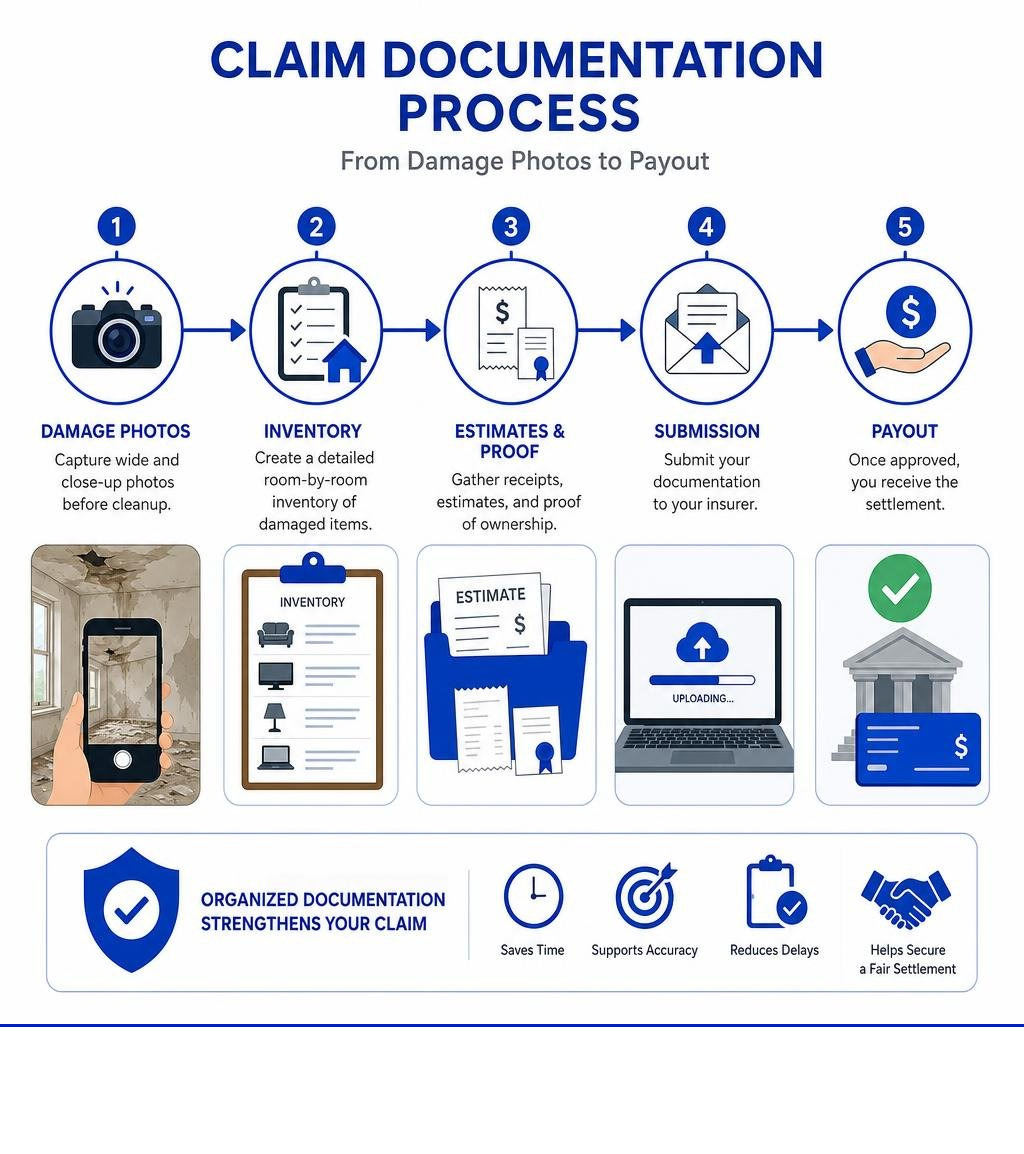
Strong claim documentation gives your property insurance claim a clear record of what was damaged, what you owned, what repairs cost, and how the loss happened. Start by preserving the scene when safe, taking wide and close-up photos, making an itemized list of damaged property, saving receipts and estimates, and keeping every claim-related message in one folder.
For a residential or commercial property claim, gather:
- Photos and video of the damage before cleanup or repairs begin.
- A room-by-room inventory with item descriptions, brand, model, serial number, age, and value where available.
- Proof of ownership, such as receipts, bank records, warranties, appraisals, or prior photos.
- Contractor estimates, mitigation invoices, repair records, and a dated loss timeline.
- Copies of your policy, correspondence, claim number, and any forms requested by the insurer.
This work matters because memory is unreliable after a disaster. Research cited in property-inventory guidance from organizations like the Insurance Information Institute suggests people may forget 20% to 30% of belongings when rebuilding a list after a loss. Good records reduce guesswork and make it easier to support the full scope of property damage.
I am Douglas Waldie, and this guide will help Arizona homeowners and commercial property owners organize the evidence needed for a clear, well-supported claim.
Essential Claim Documentation for Residential and Commercial Property Policies
When you experience property damage, the legal and contractual burden of proof rests entirely on you, the policyholder. Insurers do not simply pay out because an incident occurred; their adjusters require substantiated proof that the damage exists, that it falls within the terms of your policy, and that your financial figures represent fair repair or replacement values.
Submitting a complete property loss claim involves providing clear identification, documented ownership of the structure and personal property, and a transparent timeline of events. Without these elements, claims often experience administrative delays or substantial reductions.
| Documentation Requirement | Residential Property Claim | Commercial Property Claim |
|---|---|---|
| Proof of Ownership | Deed, mortgage statement, or homeowner policy declarations page | Property deed, commercial lease agreement, or property management contract |
| Physical Damage Evidence | High-resolution photos/videos of structural and cosmetic damage | Drone footage, high-resolution photos, and structural safety logs |
| Contents / Inventory | Itemized personal property schedule with age and condition notes | Comprehensive asset registers, fixed asset schedules, and machinery lists |
| Financial / Revenue Records | Temporary living expense receipts (ALE / Loss of Use) | Profit and loss statements, tenant rent rolls, and business interruption logs |
| Professional Assessments | Licensed contractor bids and dry-out/mitigation invoices | Industrial structural engineering reports and commercial trade estimates |
| Official Statements | Signed Sworn Statement in Proof of Loss | Notarized corporate Proof of Loss and authorized representative affidavits |
Pre-Loss and Post-Loss Property Insurance Claim Documentation
Documenting your property is not an event that happens only after a disaster; it is an ongoing protective measure.
Pre-loss documentation establishes a baseline of your building’s condition and contents before an unexpected incident occurs. Utilizing the “four walls method”—standing in each corner of every room to capture wide-angle photos and video of all walls, ceilings, fixtures, and finishes—provides unambiguous proof of pre-existing condition and custom upgrades.
Post-loss documentation captures the immediate aftermath of the incident before any cleanup, alteration, or emergency repairs begin. This comparative evidence helps differentiate between two major insurance valuation standards:
- Actual Cash Value (ACV): The cost to repair or replace damaged property minus physical depreciation based on age and wear.
- Replacement Cost Value (RCV): The actual cost to repair or replace the damaged item with new materials of like kind and quality, without deductions for depreciation.
Detailed Contractor Bids, Engineering Reports, and Supporting Attachments
General ballpark estimates are rarely sufficient for complex property damage. Insurers look for granular line-item scopes of work generated through industry-standard estimating software (such as Xactimate).
A comprehensive documentation package should include:
- Itemized Scopes of Work: Clear breakdowns separating labor, materials, equipment rental, permits, and applicable taxes.
- Structural Engineering Evaluations: Certified reports addressing foundation shifts, roof truss integrity, or compromised load-bearing assemblies.
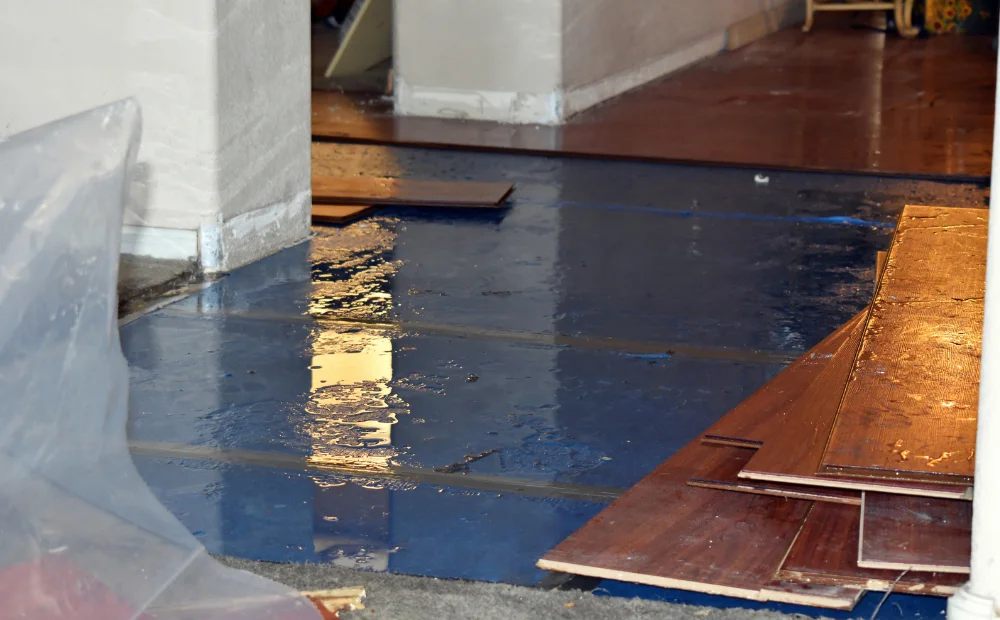
- Emergency Mitigation Records: Invoices, moisture readings, psychrometric drying logs, and equipment placement sheets from water extraction or board-up contractors.
- Photo Logs: Sequenced visual evidence linked directly to line items within the contractor’s repair estimate.
Commercial Property Records, Rent Rolls, and Business Loss Documentation
Commercial properties face unique documentation challenges when physical damage interrupts business operations or impacts tenants. Beyond structural repairs, commercial owners must document lost revenue and extra operational expenses.
Key commercial records include:
- Tenant Rent Rolls and Leases: Formal documentation verifying base rent, triple-net charges, and vacancy rates prior to the loss.
- Business Interruption Ledgers: Historical profit-and-loss statements, tax returns, and utility bills showing past performance to project lost revenue.
- Fixed Asset Schedules: Depreciation schedules and detailed registers detailing commercial equipment, specialized machinery, and inventory stored on site.
- Historical Maintenance Logs: Documented proof of regular roof maintenance, HVAC servicing, and plumbing inspections to counter potential carrier claims of “wear and tear.”
Best Practices for Documenting Residential and Commercial Property Damage
Capturing clear, high-quality evidence reduces ambiguity during the claim adjustment process. Adjusters rely on the provided evidence to substantiate the necessity and cost of each repair. Understanding the home insurance claim investigation process allows policyholders to present documentation that aligns with carrier requirements.
High-Value Asset Cataloging and Video Walkthroughs
For high-value personal possessions, commercial inventory, or specialized machinery, simple descriptions are not enough. Insurers require specific identifiers to verify replacement pricing.
When cataloging items, record:
- Make, Model, and Serial Numbers: Crucial for appliances, electronics, HVAC equipment, and power machinery.
- Original Invoices and Receipts: Digital copies verifying purchase price, date, and vendor.
- Appraisal Certificates: Current appraisals for jewelry, artwork, custom architectural millwork, or specialized fixtures.
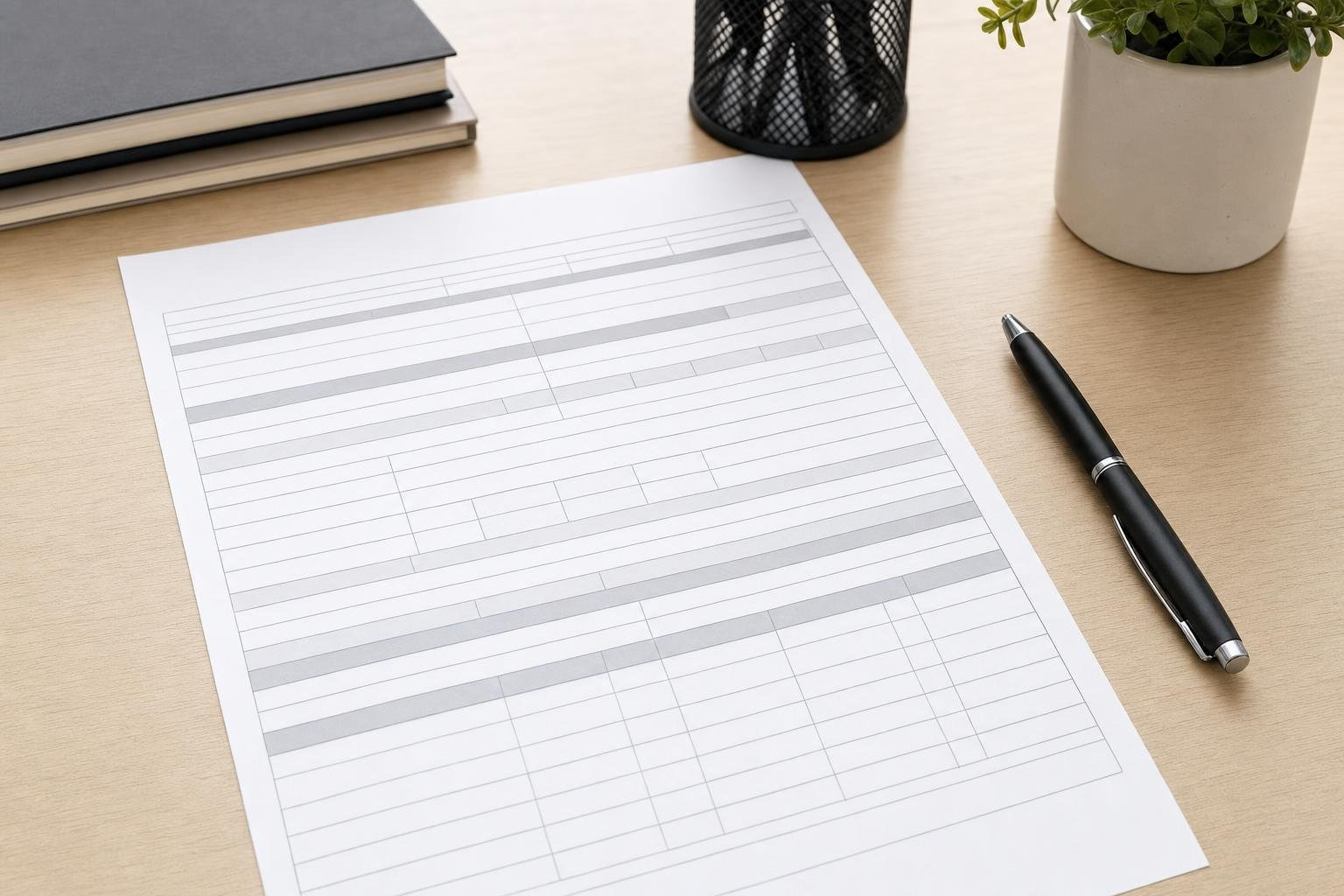
You can streamline this organization by utilizing a structured personal property inventory list PDF to systematically record each item’s room location, age, replacement cost, and supporting documentation.
Damage Photography and Loss Timeline Protocols
Visual documentation requires an organized, systematic approach:
- Establish Context with Wide Shots: Begin with wide-angle photos of the entire exterior, the surrounding property, and complete rooms to show the overall scope of the damage.
- Capture Medium-Range Damage: Step closer to show structural elements, affected drywall, damaged cabinetry, or affected machinery in relation to the space.
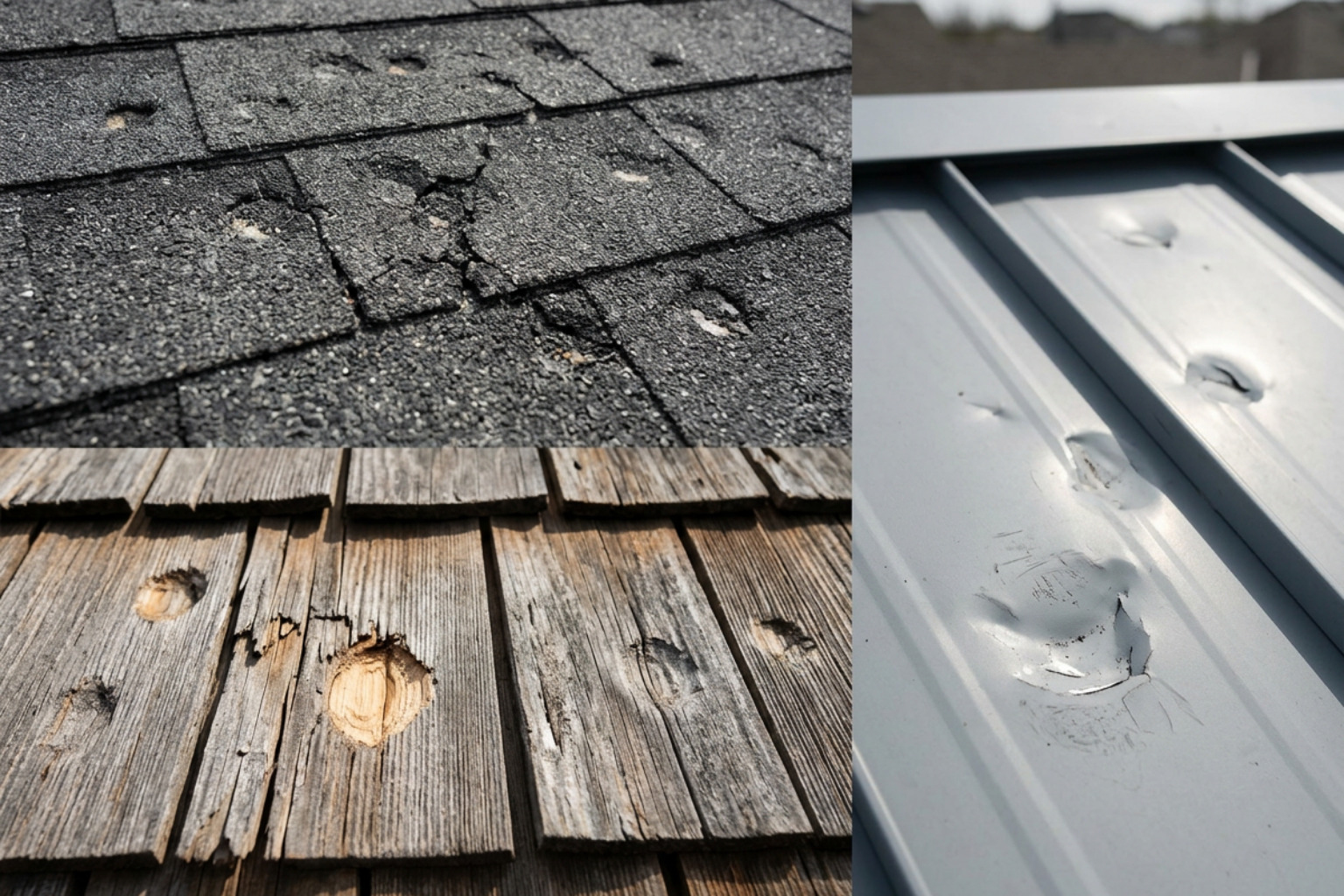
- Take Macro/Close-Up Shots: Photograph specific points of failure, such as split supply lines, cracked roof tiles, charred framing, or water lines on baseboards.
- Preserve Metadata: Keep original digital files with embedded EXIF data showing timestamps and GPS coordinates.
- Establish a Chronological Log: Maintain a detailed log capturing when the damage occurred, when mitigation teams were contacted, and when emergency services arrived on site.
For detailed steps on initial loss reporting, read our guide on reporting property destruction: what you need to know.
Common Mistakes Leading to Claim Delays, Reductions, and Denials
Errors during evidence gathering can result in prolonged claim reviews or reduced settlements. One frequent common property damage claim mistake is discarding damaged items before the insurer’s adjuster has inspected them or before photographic evidence is captured.
Other common errors include:
- Omitting Custom Features: Overlooking custom crown molding, upgraded insulation, high-end underlayment, or architectural finishes during the estimating phase.
- Inconsistent Valuations: Alternating between actual cash value and replacement cost without clear categorization across your inventory sheets.
- Premature Disposal: Throwing away failed plumbing components, charred appliances, or broken machinery before the insurance carrier has completed their physical inspection.
- Incomplete Repair Scopes: Submitting lump-sum contractor bids that lack itemized labor and material costs.
Managing Supplemental Claims and Additional Claim Documentation Requests
Hidden damage is common during property restoration. Once drywall is removed or roofing layers are stripped, hidden framing rot, electrical damage, or structural issues may emerge.
When unexpected damage is uncovered:
- Pause Work on the Affected Area: Do not cover or repair newly discovered damage until it has been properly documented and presented to the insurer.
- Generate a Clear Supplemental Estimate: Request that your contractor create an itemized supplemental estimate that clearly shows the newly identified damage separate from original repairs.
- Provide Visual Verification: Pair each new line item with close-up photos of the newly revealed damage.
- Track Insurer Communications: Log every Request for Information (RFI) from the adjuster and respond in writing with referenced attachments.
For an in-depth breakdown of navigating claim phases, review the easiest way to understand property damage claims.
Disaster-Proof Storage and Digital Backup Strategies
Physical records stored inside a property can easily be destroyed by the very event—such as a pipe burst, roof collapse, or fire—that causes the insurance claim.
To ensure your records remain safe:
- Implement the 3-2-1 Rule: Keep three copies of your records across two different media types, with at least one copy stored off-site.
- Use Secure Cloud Storage: Store scanned receipts, high-resolution property photos, appraisals, and policy documents in encrypted cloud folders.
- Maintain an On-Site Fireproof Safe: For original deeds, physical titles, and certified appraisals, use a certified fire- and water-rated safe.
- Update Records Periodically: Update your cloud inventory whenever you make major structural renovations or significant purchases.
Frequently Asked Questions About Claim Evidence and Filing
What should I do if my original property purchase receipts were destroyed in a disaster?
If original receipts are lost, you can substantiate ownership and value using bank statements, credit card records, retailer purchase histories, email confirmations, manufacturer warranty registrations, or family photos showing the items within your property.
How do I provide adequate proof for customized home improvements and structural upgrades?
Proof for structural improvements includes building permits from your local municipality, architectural drawings, signed contractor agreements, payment records, and historic real estate listing photos. Review our guide on how to file a property insurance claim for additional organizational tips.
What documentation is required when submitting a proof of loss statement to the insurer?
A formal Sworn Statement in Proof of Loss typically requires a notarized document specifying the total amount claimed, a complete personal or business property inventory, itemized structural repair estimates from licensed contractors, origin and cause reports, and documentation establishing ownership of the damaged property.
Conclusion: Maximizing Claim Success Through Thorough Evidence
Proper claim documentation requires time, systematic organization, and attention to detail. Having comprehensive records helps ensure your property damage is accurately represented and fairly evaluated under the terms of your policy.
At Hudson Douglas Public Adjusters, we represent residential and commercial policyholders throughout Arizona—including Paradise Valley, Queen Creek, Gilbert, Scottsdale, Chandler, Goodyear, Mesa, Cave Creek, and surrounding areas. As a family-owned and operated public adjusting firm with decades of combined industry experience, we handle the documentation, damage estimating, and carrier communications on your behalf. We work strictly for you—not the insurance company—with no upfront out-of-pocket costs; our fee is a set 12% of the final claim payout.
If you are dealing with property damage, contact our team 24/7 for bilingual (English and Spanish) claim guidance, or explore our specialized commercial and residential water damage claim support to help restore your property.