When water damages your home, you expect your insurance company to help you recover. But what happens when the check never comes, or it’s far less than what’s fair?
For many Arizona homeowners, a denied water damage claim or a lowball insurance payout isn’t just frustrating. It can lead to weeks of stress, growing repair bills, and long-term property issues that cost far more than they should have.
At Hudson Douglas Public Adjusters, we’ve seen it all, from families struggling with underpaid insurance claims to small business owners left hanging after a water damage insurance denial. Let’s look at the real cost of these denials and how a trusted public adjuster can turn the situation around.
The Real Difference Between Flood and Water Damage
Before diving into the costs, it’s worth knowing why claims get denied in the first place. Most homeowners don’t realize there’s a big difference between flood damage vs. water damage in insurance terms.
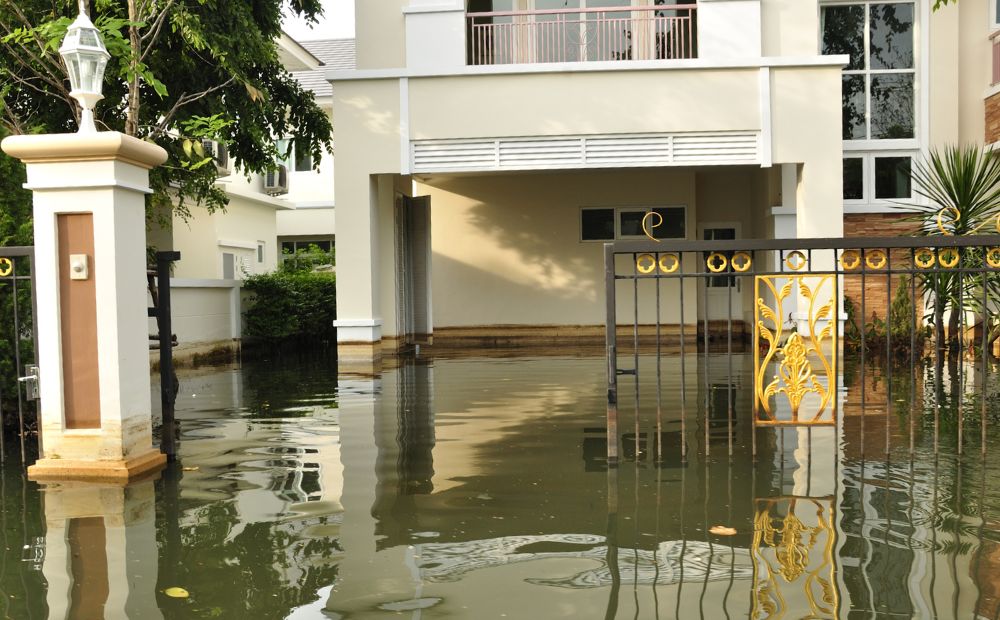
Water damage (like a burst pipe or slab leak) usually starts inside the home. It’s often covered under your homeowners policy. Flood damage, on the other hand, involves water coming from outside, like heavy rain, monsoon water damage, or rising groundwater. That typically requires a separate flood policy through FEMA’s National Flood Insurance Program (NFIP).
Unfortunately, insurers sometimes blur that line to minimize payouts. A burst pipe from shifting soil may get reclassified as “flooding,” leading to a water leak claim denied even when it should’ve been covered.
When Fine Print Becomes the Problem
Many Arizona homeowners are surprised to learn how broad and confusing water damage exclusions can be.
According to a 2024 analysis by the Property Insurance Coverage Law Blog, some insurers have added exclusionary language that removes coverage for almost any form of water-related damage. These exclusions often apply even when the cause is sudden, accidental, or clearly unrelated to flooding.
That means claims involving roof leaks, slab leaks, or plumbing breaks might be denied simply because the policy’s fine print defines them too broadly. In one case discussed by legal experts, even interior water damage was denied under what was labeled as “water exclusion abuse,” a trend now raising red flags among consumer advocates and policyholder attorneys nationwide.
These exclusions can also be misleading since marketing often implies you’re covered for “all types of home damage.” When that promise doesn’t match reality, it leaves policyholders stuck with repair bills they never expected.
The Hidden Costs of a Denial
A denied or underpaid insurance claim doesn’t just leave you without funds, it sets off a chain reaction of costly problems:
1. Structural Damage
When repairs are delayed, even a small leak can spread. Mold, warped flooring, and weakened foundations add thousands in repair costs.
2. Health and Safety Risks
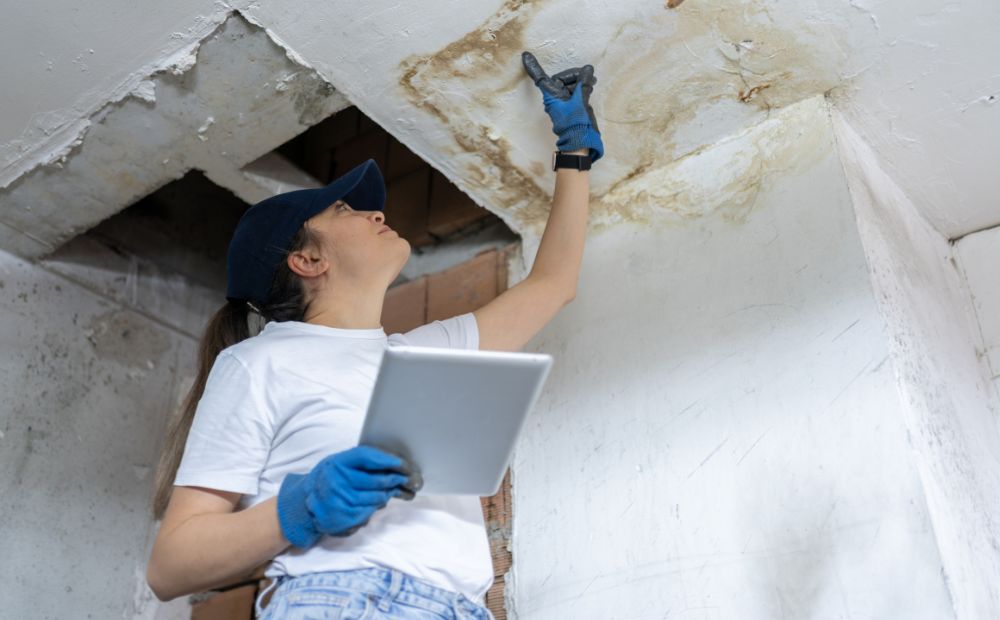
Moisture trapped inside walls can lead to mold growth within 24-48 hours. Mold remediation alone can range from $1,000 to $5,000 or more, and health impacts can be serious, especially for children and older adults.
3. Decreased Property Value
Even if you manage to repair visible damage, water issues recorded in your insurance or inspection reports can lower resale value. Buyers are cautious of prior water or flood claims.
4. Emotional Stress and Disruption
Few things are more frustrating than paying premiums for years only to feel abandoned when you need help most. Homeowners often describe the process of insurance claim disputes as “overwhelming” and “unfair,” especially when communication is unclear or inconsistent.
Common Insurance Company Tactics
These are some insurance lowball signs and denial strategies Arizona policyholders often face:
- The insurer classifies a slab leak or roof leak as “maintenance-related.”
- You receive a fast but minimal payout that doesn’t match repair estimates.
- Adjusters cite vague homeowners insurance exclusions or refuse to clarify coverage.
- Claims are delayed for weeks while damage worsens.
- The company uses confusing policy language or misleading insurance advertising that misrepresents what’s actually covered.
How a Public Adjuster Helps You Recover
A public adjuster for water damage works for you, not the insurance company. Our job is to review your policy, inspect your loss, and negotiate a fair settlement on your behalf. Here’s how we help:
1. Second Opinion Insurance Claim Review
We re-examine the insurer’s report, identify missed damage, and provide a detailed underpaid claim review.
2. Independent Documentation
Our team documents the full scope, from hidden moisture, structural issues, to secondary damage, to strengthen your claim file.
3. Policy Expertise
We interpret your policy’s exclusions and endorsements to challenge incorrect denials, especially for covered water damage exclusions that are often misapplied.
4. Negotiation and Settlement Support
We communicate directly with the insurer to pursue a fair settlement, ensuring you’re compensated for all legitimate repairs and losses.
Many clients come to us after months of frustration, only to discover they were entitled to far more than they were initially offered.
Why Acting Quickly Matters
In Arizona’s dry climate, moisture damage can seem minor at first, but unseen issues spread fast. The longer you wait, the easier it is for the insurer to argue that damage was “gradual” or “pre-existing.”
If your water damage insurance claim has been denied, delayed, or underpaid, get a second opinion before you accept their final offer.
You Deserve a Fair Settlement, Not Excuses
Insurance should work for you, not against you. At Hudson Douglas Public Adjusters, we combine decades of construction expertise with deep insurance knowledge to help homeowners and business owners across Arizona recover what they’re owed.
Don’t face the insurance company alone.
Schedule your free consultation today, and let’s make sure your claim and your recovery get the attention they deserve.