Why Is the Store Owner Hiring an Independent Expert After a Storefront Collision?
When a vehicle veers off the road and impacts a storefront, the immediate scene is chaotic. For the store owner, however, the real headache begins once the dust settles. A vehicle crashing into a commercial building is not a simple cosmetic issue; it represents a severe structural, operational, and financial crisis that can threaten the very survival of the business.
The store owner’s decision to hire their own independent expert is a protective measure. When a vehicle damages a building, the driver’s third-party auto liability insurance company will quickly assign an auto claims adjuster to the case. However, these adjusters are trained to evaluate vehicle damage, not commercial real estate. They frequently rely on standardized automotive estimating software that has no bearing on the actual costs of commercial construction, specialized storefront glazing, or structural masonry.
By bringing in an independent expert, the store owner ensures that:
- The building’s structural integrity is thoroughly and scientifically evaluated.
- Hidden structural compromises—which may not be visible to the naked eye—are identified before they cause a collapse or long-term settling issues.
- Realistic, local commercial reconstruction costs are calculated rather than relying on depreciated, lowballed estimates from an auto insurer.
- Business interruption losses, including lost foot traffic, forced closures, and ongoing fixed operational costs, are meticulously documented.
Relying solely on the driver’s third-party auto insurance adjuster is a dangerous gamble. The auto insurer’s primary goal is to close the file as quickly and economically as possible. Without independent representation, a property owner may unknowingly sign a release that lets the auto insurer off the hook, only to discover weeks later that the building’s foundation has shifted or that the roof trusses have been compromised.
At Hudson Douglas Public Adjusters, we have spent more than four decades guiding Arizona commercial property owners through these stressful, complex situations. As a family-owned, locally rooted firm, we know that a storefront collision isn’t just property damage—it’s a disruption to your livelihood and your team. We bring a calm, steady, and highly experienced perspective to your side of the table, working to ensure your real estate asset is fully protected and that you are treated with the respect you deserve.

What Type of Expert Does a Store Owner Hire for Storefront Damage?
To protect their investment, a commercial property owner will typically assemble a team of specialized professionals. Each expert plays a distinct role in separating the physical safety of the building from the financial recovery of the insurance claim.
The table below outlines the primary independent experts a store owner will bring in to counter the auto insurance company’s limited assessment:
| Expert Type | Primary Focus | Key Deliverable | Role in the Claim |
|---|---|---|---|
| Forensic Structural Engineer | Physical safety, structural integrity, and load-bearing capacity. | Certified structural engineering report and repair plan. | Proves the physical scope of structural damage, preventing hidden safety hazards. |
| Licensed Commercial Contractor | Real-world construction costs, local labor rates, and material sourcing. | Line-itemized rebuilding estimate and project timeline. | Establishes the actual cost of physical repairs based on local Arizona market conditions. |
| Public Insurance Adjuster | Policy analysis, financial documentation, and carrier negotiation. | Comprehensive, defensible property damage and business interruption claim package. | Acts as the policyholder’s exclusive advocate to secure the maximum financial recovery. |
These experts work completely independently of the auto insurance company. In today’s complex commercial property landscape, resolving a claim fairly requires highly specialized, objective data. These professionals provide the clear, scientific evidence needed to ensure your property is restored correctly.
Forensic Structural Engineers
A vehicle impact transfers thousands of pounds of kinetic energy directly into a building’s framing. A visual inspection by an auto insurance adjuster cannot determine whether the structural skeleton of the building has been compromised. This is why a store owner will hire a forensic structural engineer.
These highly specialized engineers evaluate:
- Load-bearing walls: Ensuring that the columns, beams, and lintels supporting the roof have not buckled or shifted.
- Foundation stability: Checking for hairline fractures or lateral displacement in the concrete slab or footings.
- Framing and connection points: Verifying that the connection joints between the storefront facade and the main building structure remain secure.
Using advanced diagnostic equipment—such as thermal imaging, concrete scanning, and laser leveling—forensic engineers can detect micro-shifts and hidden structural stress. A structural report provides the scientific foundation that prevents the insurer from claiming the damage is merely “cosmetic.”
Commercial Building Contractors
Once the structural safety has been evaluated, the store owner needs to know what it will actually cost to rebuild. Standard auto insurance estimating platforms are completely unequipped to price commercial construction. They do not account for:
- The cost of heavy-duty commercial storefront glass and anodized aluminum framing.
- Specialized commercial permits, architectural fees, and municipal structural inspections.
- Local Arizona labor rates, which can vary significantly between Phoenix, Tucson, and rural communities.
- Code compliance upgrades: If a portion of an older storefront in Mesa or Chandler is destroyed, local municipal codes may require the owner to bring the entire entrance up to modern Americans with Disabilities Act (ADA) standards or updated wind-load requirements.
A licensed commercial building contractor provides a real-world, line-itemized bid that reflects actual local material costs and labor availability, ensuring the repair budget is realistic.
Public Insurance Adjusters
While engineers and contractors handle the physical aspects of the damage, a public insurance adjuster manages the financial recovery. A public adjuster is a licensed insurance professional who works exclusively for the policyholder—never for the insurance company.
When a storefront is damaged, a public adjuster coordinates the findings of the structural engineer and the commercial contractor, translating their technical reports into a comprehensive, insurance-compliant claim package. We document the physical damage, calculate the business interruption losses, and handle all negotiations with the insurance adjusters.
Partnering with a public adjuster means you don’t have to manage the exhausting daily back-and-forth with insurance representatives. We handle the details, giving you the breathing room to focus on running your business and supporting your team. Hudson Douglas Public Adjusters can explain how public adjusting works and how policyholder advocacy may support a commercial property damage claim.
How Does a Third-Party Auto Insurance Claim Affect the Property Owner’s Decisions?
When your car damages a storefront, your third-party property damage auto insurance is triggered. However, this introduces an immediate conflict of interest. The auto liability insurer’s primary duty is to protect their bottom line and defend their insured (you) up to your policy limits. They have no duty of good faith to the store owner.
This dynamic drastically shapes how the store owner approaches the claim, particularly regarding policy limits and claim structures:
- The Policy Limit Bottleneck: In Arizona, the minimum mandatory limit for third-party property damage auto liability is only $10,000. Even if you carry higher limits, such as $50,000 or $100,000, a storefront crash can easily exceed these amounts. Replacing commercial glass, repairing structural steel columns, upgrading code requirements, and covering weeks of lost business revenue can easily push a claim past $150,000. If the repair costs exceed your auto policy limits, the store owner is left with a massive financial deficit.
- The First-Party Claim Pivot: Because of the policy limit bottleneck and the slow-walking nature of third-party auto claims, store owners will frequently bypass your auto insurance initially. Instead, they will file a first-party claim through their own commercial property insurance policy. Their commercial insurer has a legal duty of good faith to settle the claim promptly, allowing the store owner to get their doors open quickly. Once the commercial insurer pays out the claim, they will use a legal process called subrogation to pursue your auto insurance company (and potentially you personally) to recover what they paid, including the store owner’s deductible.
- High-Exposure Realities: National statistics highlight the financial stakes of these accidents. While the average auto property damage claim across the United States was $4,680 in 2023, structural impacts to commercial storefronts represent high-exposure claims. These are not simple fender benders; they require specialized property expertise to resolve fairly.
Uncovering Hidden Structural Damage
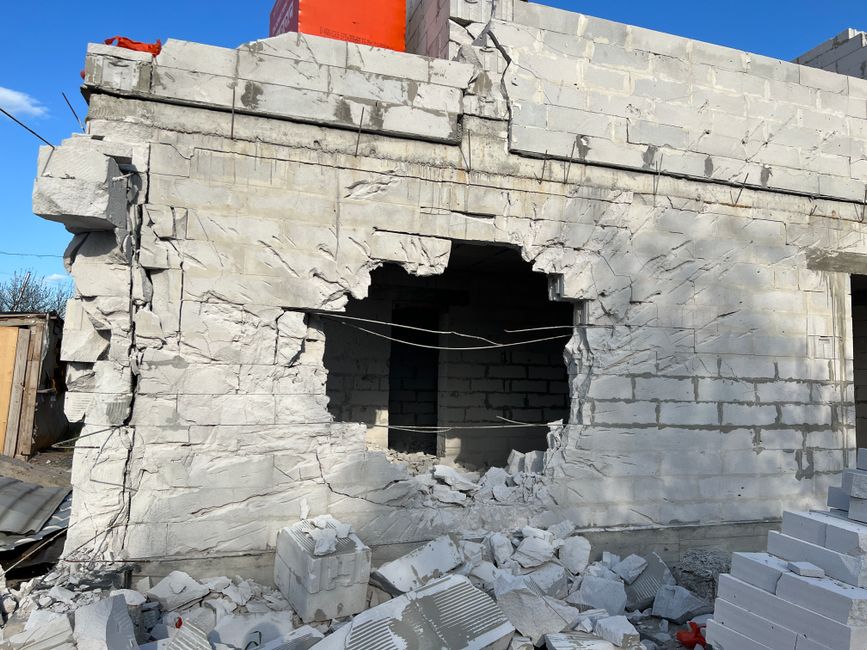
One of the greatest risks in a vehicle-versus-structure impact is hidden damage. When a vehicle hits a storefront column, the energy travels upward and outward. It is common to find:
- Cracked drywall and shifted plaster on the opposite side of the building.
- Misaligned door frames several rooms away, preventing fire doors from latching properly.
- Shifted roof trusses or compromised ceiling grids.
- Severed or pinched electrical conduits and plumbing lines hidden behind the drywall.
If the store owner relies solely on the auto insurer’s quick visual inspection, they might sign a property damage release in exchange for a quick check. Doing so legally bars them from seeking additional compensation when these hidden structural issues inevitably manifest months down the road. Independent experts prevent this catastrophic mistake by conducting thorough, non-destructive testing before any settlement is finalized.
Documenting Business Interruption and Lost Revenue
A storefront crash does not just damage brick and mortar; it halts the heartbeat of a business. If a vehicle smashes through the entrance of a retail store in Scottsdale or a restaurant in Gilbert, the business may be forced to close entirely during the initial cleanup and structural stabilization. Even once a temporary board-up is in place, lost foot traffic, reduced visibility, and safety concerns can cause revenues to plummet.
A third-party auto adjuster will rarely offer a fair settlement for business interruption out of the gate. Documenting these losses requires a forensic analysis of:
- Historical profit and loss statements to establish baseline revenues.
- Seasonal trends (especially critical in Arizona’s tourism-driven economy).
- Ongoing fixed expenses that must be paid even while closed, such as rent, payroll, and utilities.
An independent expert, such as a public adjuster or a forensic accountant, will compile this data to ensure the store owner is fully compensated for their lost net income during the entire restoration period.
How Do Insurance Companies Respond to Independent Expert Reports?
When a store owner presents a third-party auto insurer with a comprehensive, independent structural report and a detailed contractor estimate, the insurer’s initial reaction is often skeptical. Insurance companies are highly bureaucratic entities that rely on their own internal guidelines and preferred vendors.
It is common for the auto insurer to dispute independent findings by claiming:
- The structural cracking or foundation shifting was “pre-existing” wear-and-tear.
- The commercial contractor’s labor rates are inflated compared to their national averages.
- Certain code upgrades are unnecessary or not directly caused by the vehicle impact.
However, a well-documented, peer-reviewed report from a certified, local expert completely changes the dynamic. It shifts the burden of proof back to the insurance carrier. If a licensed Arizona Professional Engineer signs and seals a structural report stating that the building is unsafe to occupy without specific steel reinforcements, the insurance company cannot simply ignore it without exposing themselves to massive liability.
Objective, scientific data forces the insurer to move away from arbitrary lowball offers and enter into serious, realistic negotiations.
The Role of the Insurance Appraisal Process
If the property owner’s independent experts and the insurance company’s adjusters reach a complete stalemate regarding the cost of repairs, the claim does not have to head straight to a courtroom. Most commercial property insurance policies contain a dispute resolution clause known as the Appraisal Process.
In an insurance appraisal:
- The property owner selects an independent appraiser.
- The insurance company selects their own appraiser.
- The two appraisers jointly select a neutral, third-party “umpire.”
- The appraisers estimate the loss independently. If they disagree, they submit their differences to the umpire. An agreement signed by any two of these three parties sets the binding amount of the loss.
This process is designed to be faster and far less expensive than litigation. Property owners may consult qualified, independent professionals to prepare technically sound valuations that can withstand close scrutiny.
Resolving Valuation Disputes with Defensible Evidence
If a claim does escalate to formal appraisal or litigation, the quality of the independent expert’s report is paramount. A court or an appraisal panel will not rely on guesswork; they rely on admissible, scientific evidence.
Reports that utilize modern documentation techniques—such as 3D laser scanning, drone photogrammetry, and detailed structural calculations—provide an indisputable record of the damage. This level of forensic detail makes it incredibly difficult for an insurance carrier to defend an undervalued settlement offer in front of an umpire or a jury.
What Steps Should a Store Owner Take Before Hiring an Expert?
If your building has been struck by a vehicle, the actions you take in the first 48 hours will heavily influence the success of your property damage claim. Before rushing to hire the first expert that appears in a search result, a commercial property owner should follow a structured, methodical process:
Step 1: Ensure Immediate Safety and Secure the Property
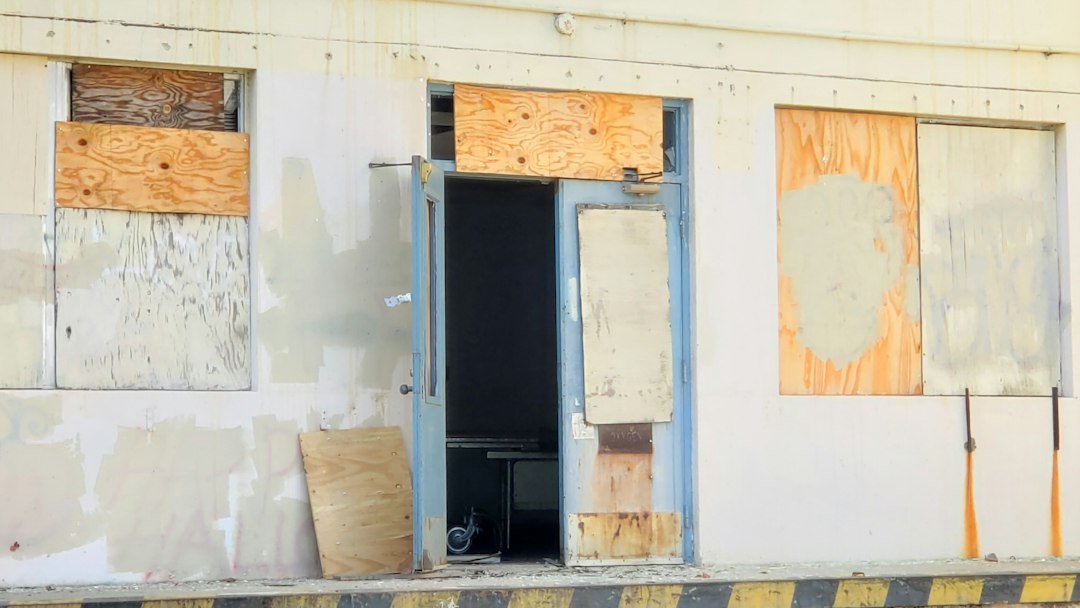
The absolute first priority is life safety. Evacuate the immediate area, call emergency services, and do not allow employees or customers near the impact zone until emergency personnel or a structural engineer has cleared the building. Once cleared, take immediate steps to mitigate further damage. This includes hiring a professional board-up service to secure the entrance, installing temporary structural shoring if recommended by the fire department, and arranging for temporary security if the building’s physical security has been compromised.
Step 2: Document the Scene Thoroughly
Before any debris is cleared, swept, or hauled away, document the entire scene. Take high-resolution, wide-angle photos and videos of the vehicle’s position, the point of impact, and the surrounding structural elements. Be sure to capture close-up details of cracked masonry, shattered glass, bent framing, and any secondary damage inside the building, such as cracked drywall or shifted ceiling tiles.
Step 3: Notify All Involved Insurance Carriers
Promptly report the incident to both your own commercial property insurance company (first-party claim) and the at-fault driver’s auto liability insurer (third-party claim). Provide them with the police report number, driver details, and your initial photo documentation.
Step 4: Review Your Commercial Property Policy
Locate your commercial property insurance policy and review the declarations page. Pay close attention to your deductible, your policy limits, and whether your policy includes coverage for “Claim Preparation Fees” or “Engineering Fees.” Many robust commercial policies will actually cover or offset the cost of hiring independent structural engineers and surveyors to document a loss.
Step 5: Consult with a Trusted, Local Public Adjuster
Before signing any contracts with contractors or engineers, speak with a licensed, local public adjuster. A public adjuster can evaluate the physical damage, review your policy, and help you determine exactly which specialized experts are needed to build a successful, defensible claim package. This prevents you from spending thousands of dollars out-of-pocket on unnecessary or uncoordinated reports.
Verifying Credentials and Local Arizona Expertise
Not all experts are created equal. When hiring professionals to evaluate your commercial property, it is critical to verify their local credentials:
- Engineering Licensure: Any structural engineer you hire must hold an active license as a Professional Engineer (PE) registered with the Arizona Board of Technical Registration.
- Contractor Licensing: Any commercial contractor providing a repair estimate must hold an active, clean license with the Arizona Registrar of Contractors (ROC) and carry appropriate commercial general liability and workers’ compensation insurance.
- Local Code Knowledge: Building codes vary significantly between municipalities. An expert based in another state will not understand the specific permitting timelines, seismic/wind-load requirements, or ADA compliance standards mandated by cities like Phoenix, Scottsdale, or Mesa.
- Testimony Experience: Ask any prospective expert for a CV or a list of prior cases where they have provided deposition or courtroom testimony. You want professionals whose work has been tested and upheld in formal legal proceedings.
Maintaining Clear Records of All Communications
From the moment the crash occurs, start a dedicated claim file. Meticulously log:
- The date, time, and name of every insurance adjuster, contractor, or engineer who visits your property.
- Summaries of all phone conversations, followed up with a written email confirmation to preserve a paper trail.
- All written correspondence, settlement offers, and repair estimates.
An organized claim file prevents insurance companies from using delay tactics and ensures that your rights are protected every step of the way.
Frequently Asked Questions About Storefront Property Damage Claims?
Can a store owner use their own property insurance instead of the driver’s auto insurance?
Yes, and in almost all cases involving significant structural damage, they should. Filing a first-party claim through your own commercial property insurance policy is usually the fastest way to get your business repaired and open.
Your own insurance company has a statutory duty of good faith to investigate and settle your claim promptly. Conversely, the driver’s third-party auto insurer has no duty of good faith to you; their primary goal is to protect their policyholder and minimize their payout.
If you file through your own insurer, they will pay for the repairs (minus your deductible) and then initiate the subrogation process against the driver’s auto insurance to recover those funds. Once they recover the money, they are legally required to refund your deductible to you.
Who pays for the independent expert’s fees?
How these fees are covered depends on how you file your claim:
- First-Party Claims: Many high-quality commercial property insurance policies contain provisions for “Claim Preparation Coverage” or “Professional Fees.” These coverages are specifically designed to reimburse the policyholder for the cost of hiring independent engineers, accountants, and public adjusters to document and prove a complex loss.
- Third-Party Claims: If you are pursuing a liability claim directly against the driver’s auto insurance, the fees for your independent experts are typically presented as part of your overall “consequential damages” resulting from the accident. However, your ability to recover these costs from the auto insurer is heavily dependent on the driver’s policy limits and state liability laws.
How long does the storefront repair and claims process typically take in Arizona?
The timeline varies drastically based on the severity of the impact:
- Minor Cosmetic Damage: If the damage is limited to shattered glass and minor aluminum framing issues, the repairs can often be completed within two to four weeks, assuming materials are readily available.
- Complex Structural Damage: If a vehicle impacts a load-bearing column or shifts the foundation, the process can take several months. This timeline includes the time required for a forensic engineer to draft repair plans, municipal plan reviews, structural permitting, custom commercial glass fabrication, and the actual physical reconstruction.
Working with a local public adjuster can significantly streamline this timeline by ensuring all technical documentation, engineering reports, and contractor estimates are submitted correctly the first time, preventing the endless back-and-forth delays common in disputed commercial claims.
How Can Hudson Douglas Public Adjusters Help Protect Your Property Rights?
When a vehicle crashes into your commercial property, it can feel like your entire livelihood is hanging in the balance. Navigating the complex web of structural engineering reports, contractor bids, and insurance negotiations is a full-time job—one that you shouldn’t have to handle alone while trying to run your business.
At Hudson Douglas Public Adjusters, we are a family-owned and operated local business with over 40 years of property claims experience right here in Arizona. We live and work in the communities we serve, and we take deep pride in helping our neighbors—from Paradise Valley and Scottsdale to Mesa, Gilbert, Chandler, and across the state—protect their homes and businesses.
We understand that dealing with property damage is incredibly stressful. That is why we focus on building genuine, long-term relationships based on trust, clear communication, and steady guidance. Because our community is beautifully diverse, we provide complete, fluent support in both English and Spanish (ofrecemos asistencia completa y fluida en español). For us, serving Spanish-speaking clients is a core part of who we are, ensuring everyone in our community has equal access to dedicated, professional advocacy.
Please note: Hudson Douglas Public Adjusters represents property owners on their commercial and residential property damage claims. We do not handle auto insurance, vehicle liability, or personal injury claims. If a vehicle has damaged your building, we are here to manage the property damage and business interruption side of your claim, ensuring your real estate asset is fully protected.
Because we are family-owned, we treat our clients like family. We understand that relationships, accountability, and a long-term reputation in our community matter far more than quick transactions. When you work with us, you get a steady, calm, and highly experienced advocate who will stand by your side from the initial inspection until the final settlement check is in your hands.
Here is how we protect your property rights:
- Policyholder-Only Representation: We work exclusively for you, the policyholder. We never represent insurance companies, meaning our loyalty is 100% aligned with your financial recovery.
- Bilingual Support: We communicate fluently in both English and Spanish, ensuring that all members of our diverse Arizona community receive clear, respectful, and professional support.
- No Upfront Fees: We operate entirely on a contingency basis. We charge a flat fee of 12% of the final claim payout, and you never pay anything out of pocket. If we don’t secure a settlement for you, you owe us nothing.
- 24/7 Availability: Property disasters don’t wait for business hours. We are available around the clock to respond to emergencies and secure your property.
If your commercial storefront or residential property has suffered significant damage, don’t let the insurance companies dictate the value of your loss. Contact Hudson Douglas Public Adjusters today for a calm, honest, and free consultation. Let our family help yours.