Residential and Commercial Property Insurance Claim Services and Documentation
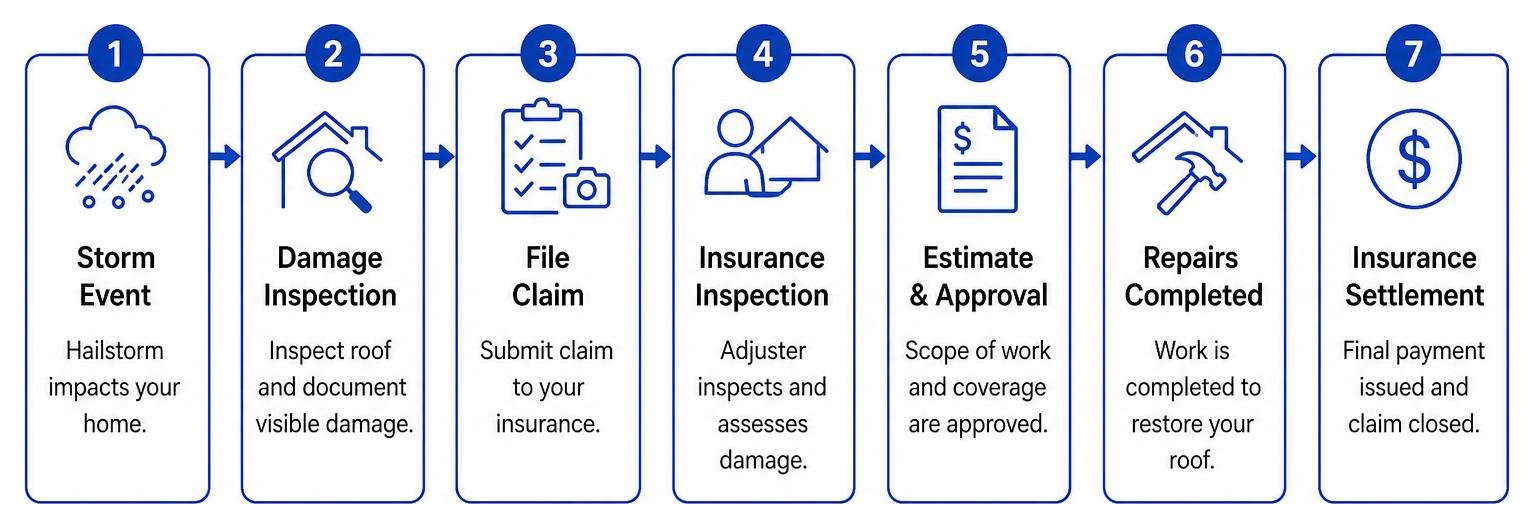
Filing a residential or commercial property insurance claim requires a detailed, organized approach. When property damage occurs, property owners must navigate policy requirements, document the full scope of loss, compile proof of loss forms, and provide itemized repair estimates to establish an accurate recovery through dedicated property insurance claim services.
Unlike basic administrative workflows, residential and commercial property damage claims demand rigorous evidence, including photographic proof, structural damage evaluations, and detailed inventory lists. Small omissions—such as failing to detail hidden water intrusion, missing policy deadlines, or submitting vague repair estimates—can result in claim delays, underpayments, or denials.
I am Douglas Waldie, and this guide outlines how professional property insurance claim services assist policyholders in documenting damage, understanding claim requirements, and preparing comprehensive claim submissions.
Understanding Property Insurance Claims and Policy Requirements
Property insurance policies are legal contracts detailing coverage terms, exclusions, deductibles, and post-loss obligations. Following an incident such as severe weather, water damage, or fire, policyholders must adhere to strict filing procedures outlined in their policy jacket to protect their rights to a fair settlement.
Property claims typically require a formal Sworn Statement in Proof of Loss, accompanied by itemized contractor estimates, personal property inventories, and evidence of mitigation. Understanding the difference between commercial and residential policies is vital:
- Residential Claims: Focus primarily on dwelling restoration (Coverage A), other structures (Coverage B), personal property contents (Coverage C), and additional living expenses (ALE/Coverage D).
- Commercial Claims: Involve complex building evaluations, tenant improvements, business personal property, and business interruption calculations detailing ongoing operational expenses and lost revenue.
Both residential and commercial property owners must preserve damaged property, prevent secondary damage, and maintain detailed records of all claim-related communications and documentation guidelines.
Step-by-Step Claim Documentation and Proof of Loss Preparation
Organizing a property damage claim requires systematic preparation across several primary categories to ensure all physical damage and financial impacts are captured.
| Claim Component | Description | Residential Focus | Commercial Focus | Documentation Standard |
|---|---|---|---|---|
| Proof of Loss | Formal sworn statement of loss | Mandatory | Mandatory | Notarized policyholder submission |
| Scope of Damage | Comprehensive structural evaluation | Dwelling & personal structures | Full facility & tenant improvements | Line-item estimating (e.g., Xactimate) |
| Mitigation Records | Proof of emergency remediation | Tarping, dry-out invoices | Structural shoring, commercial dry-out | Receipts, moisture logs, dry logs |
| Contents Inventory | List of damaged personal/business property | Home furnishings, personal items | Inventory, machinery, office equipment | Age, condition, replacement cost |
| Time Element | Extra expenses or lost business | Additional Living Expenses | Business Interruption & Extra Expense | Financial records, leases, receipts |
Scoping the Loss and Estimating Repairs
A proper damage assessment documents direct physical loss and collateral structural impacts:
- Physical Evidence: High-resolution photographs and video footage taken before cleanup begins.
- Moisture Mapping: Thermal imaging and moisture meter readings to track hidden moisture paths.
- Unit-Cost Estimating: Detailed line-item repair scopes using industry-standard pricing databases.
- Building Code Compliance: Identifying required ordinance or law upgrades triggered during structural rebuilding.
Best Practices for Presenting Your Claim to Avoid Delays and Underpayments
Submitting clear, organized documentation helps prevent common claim disputes, delays, and scope disagreements:
- Maintain a Comprehensive Claim Diary: Record every phone call, inspection date, adjuster meeting, and written correspondence with the insurance carrier.
- Avoid Premature Settlements: Do not sign complete releases or accept final payment checks until the full scope of repair and hidden damages are thoroughly inspected.
- Document Mitigation Efforts: Keep copies of all emergency repair contracts, dry-out logs, and invoices to prove timely efforts to minimize secondary losses.
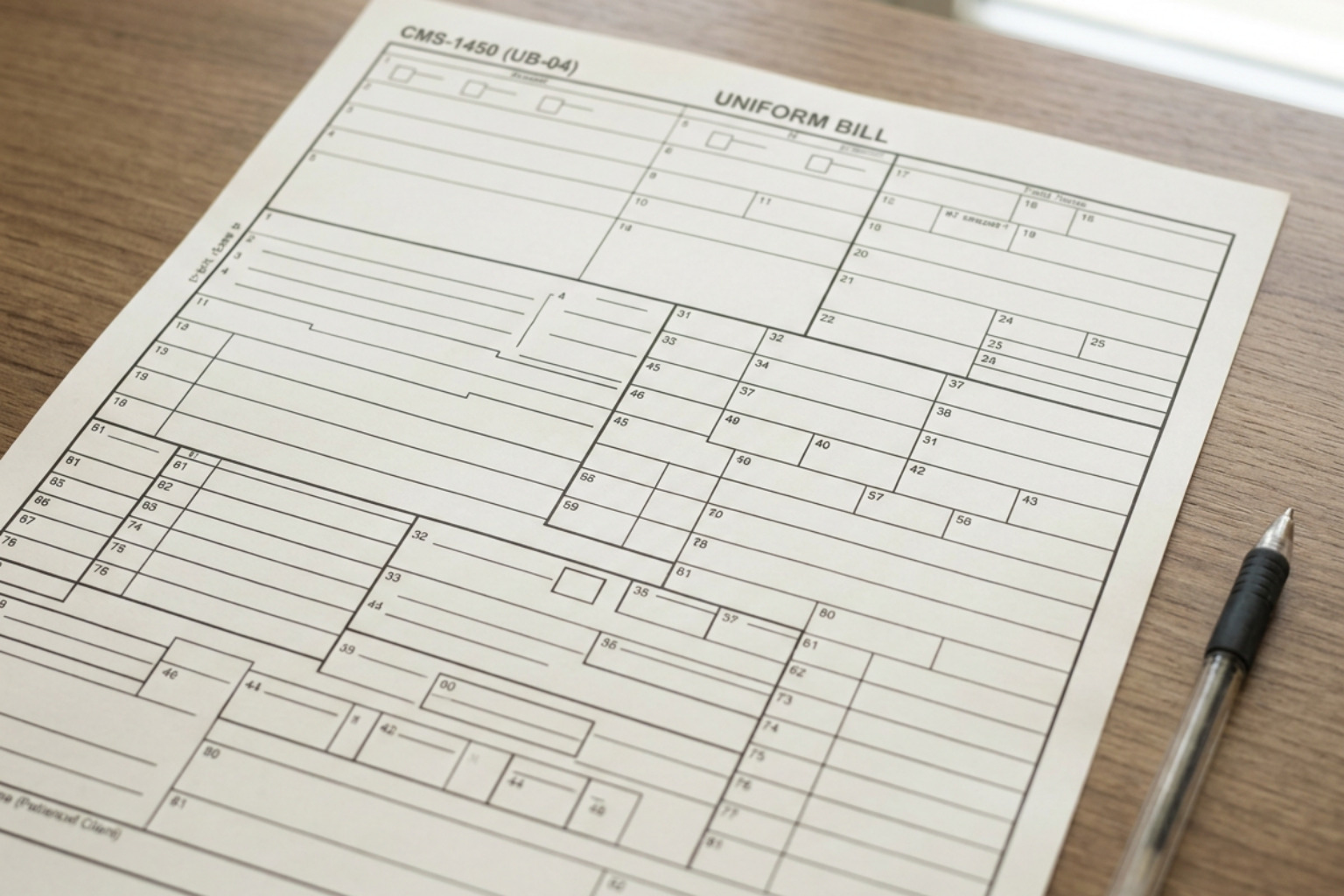
- Standardize Submission Packages: Package claim files logically with clear indexes, matching how structured billing requires formal formats like UB-04 Claim Form Instructions.
Managing Policy Deadlines and Appraisals
Insurance policies contain explicit deadlines for reporting claims and submitting sworn proof of loss forms. If you disagree with the carrier’s initial estimate, most policies provide alternative dispute resolution mechanisms, such as the appraisal clause, allowing independent appraisers and an umpire to determine the fair value of the loss.
Frequently Asked Questions About Property Insurance Claims
What is the role of a public adjuster in a property insurance claim?
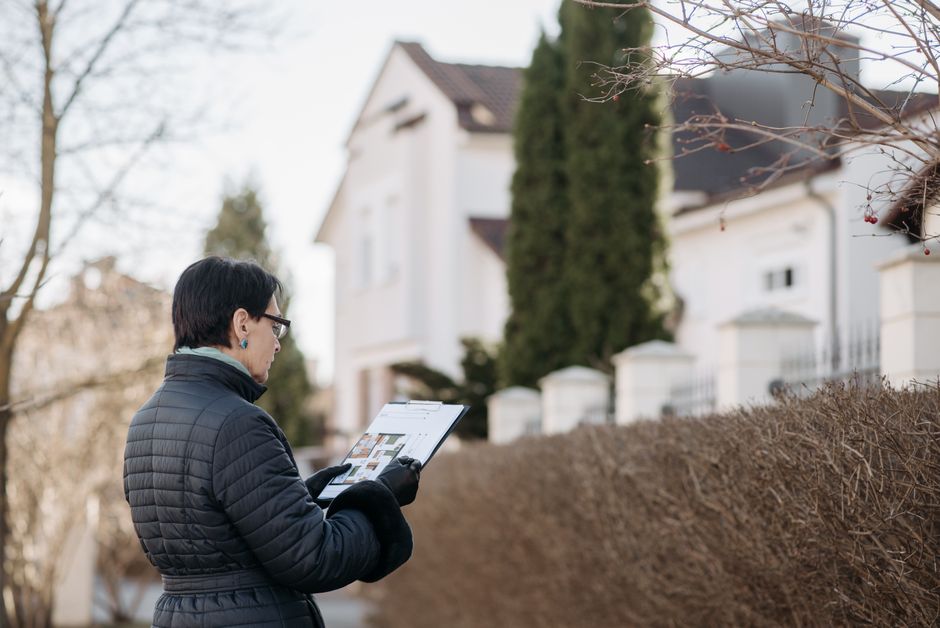
A public adjuster is a licensed insurance professional who exclusively represents policyholders—not the insurance company. Public adjusters inspect damage, interpret policy coverages, prepare line-item repair estimates, and negotiate directly with the insurance carrier to secure a fair settlement.
What should I do immediately after property damage occurs?
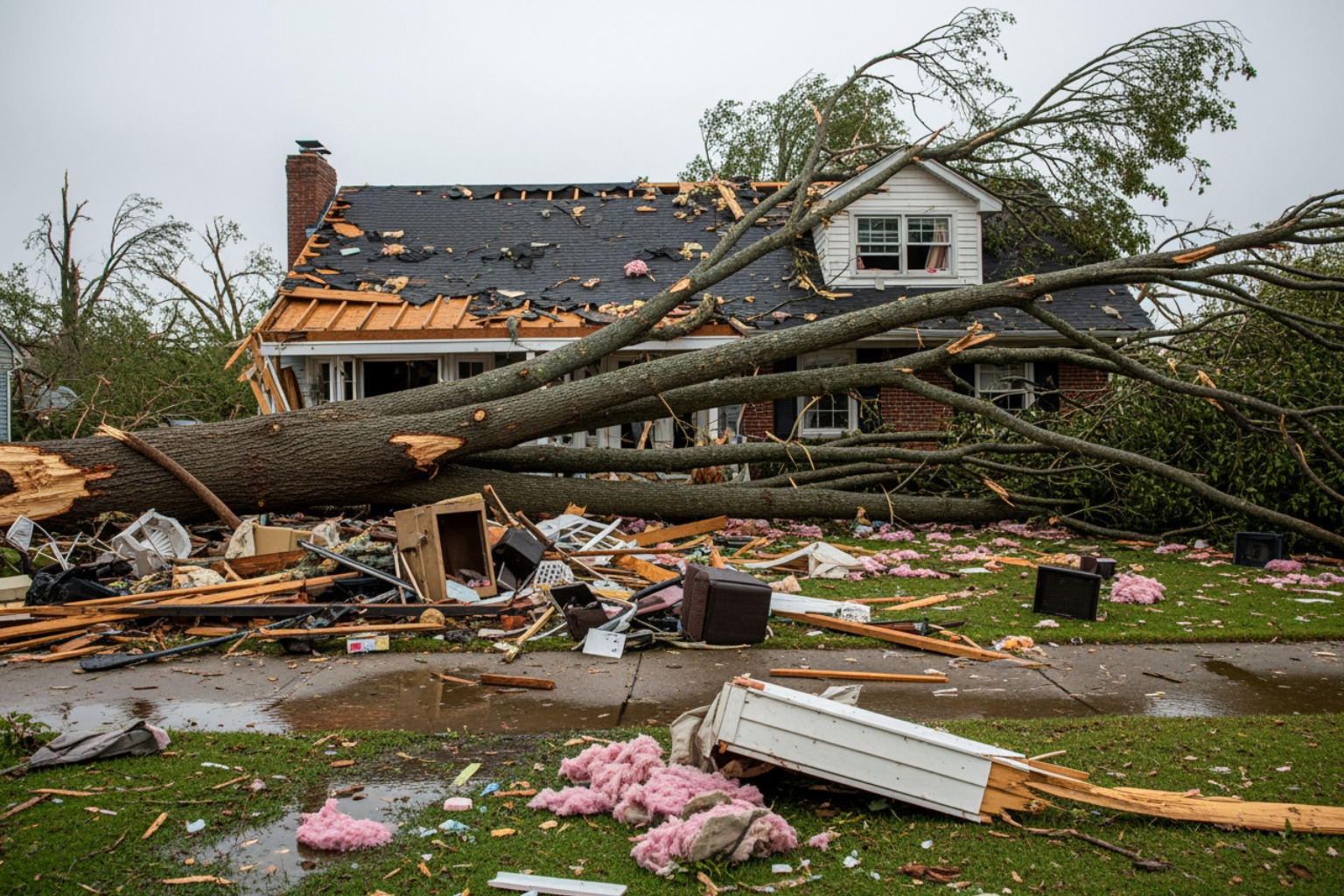
First, ensure safety and take emergency measures to prevent further damage (such as shutting off water mains or boarding broken windows). Document all visible damage with clear photos and video before throwing away any damaged materials, and notify your insurance carrier promptly.
How does a public adjuster get compensated?
Public adjusters typically work on a contingent fee basis, earning a percentage of the claim payout secured. This aligns their incentives with obtaining an accurate, comprehensive settlement for the policyholder without upfront out-of-pocket costs.
Conclusion
Thorough documentation, accurate scoping, and organized claim presentation are crucial for achieving a fair property insurance recovery. Understanding policy terms and presenting complete evidence helps property owners avoid settlement delays and underpaid repair scopes.
At Hudson Douglas Public Adjusters, our daily focus is centered entirely on policyholder advocacy within property insurance. As a family-owned and operated, locally based Arizona business, we represent residential and commercial property owners across Arizona who are dealing with property loss. When property owners face property damage from storm impacts or require assistance navigating complex property insurance claims such as severe water damage, our team manages the policy evaluation, damage scoping, and settlement negotiations to help restore property with confidence.